Is The Housemaid’s Secret a Sequel? Understanding the Millie Calloway Series
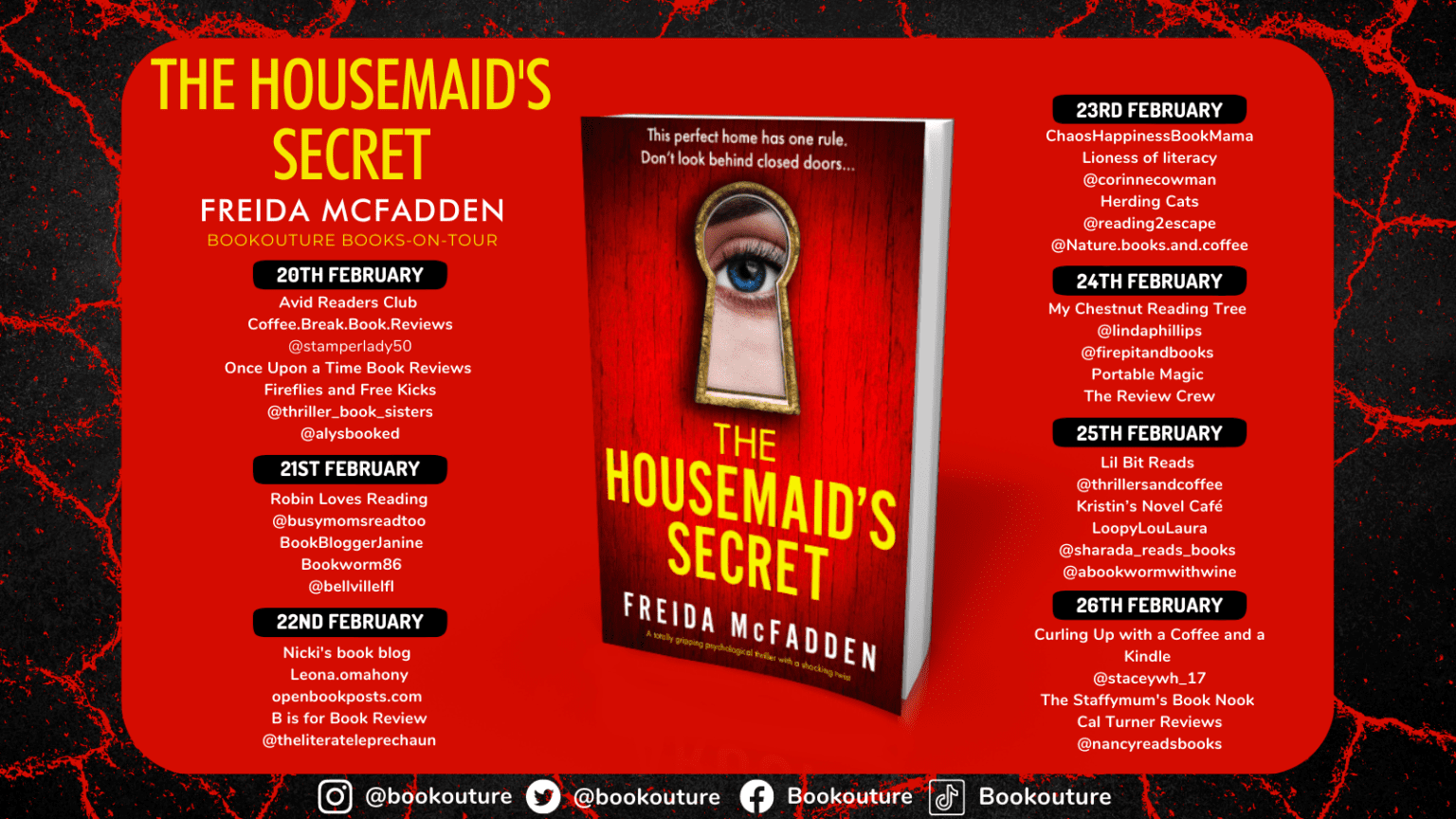
Yes, The Housemaid's Secret is the direct sequel to Freida McFadden’s 2022 breakout psychological thriller, The Housemaid. It is the second installment in a trilogy that follows the life and trials of protagonist Millie Calloway as she...
Yes, The Housemaid's Secret is the direct sequel to Freida McFadden’s 2022 breakout psychological thriller, The Housemaid. It is the second installment in a trilogy that follows the life and trials of protagonist Millie Calloway as she navigates dangerous employment and her own complicated moral compass.
Contents
The literary world of psychological thrillers is often filled with standalone novels, but Freida McFadden broke the mold with the introduction of Millie Calloway. When readers finished the final page of The Housemaid, many were left wondering if they would ever see the resourceful, justice-seeking protagonist again. The release of The Housemaid’s Secret answered that call, establishing a recurring narrative arc that has since expanded into a multi-book franchise. As of 2026, the series remains a cornerstone of the "domestic suspense" sub-genre, known for its rapid pacing and jaw-dropping reversals.
The Definitive Answer: Is It a Sequel?
To understand why The Housemaid's Secret is classified as a sequel, one must look at the continuity of its central character. In literary terms, a sequel is a work that continues the story or develops the theme of an earlier one. The Housemaid’s Secret does exactly this by picking up with Millie Calloway some time after the traumatic events of the first book.
While the primary "mystery" of the second book—concerning the wealthy Douglas Garrick and his reclusive wife—is a new conflict, the overarching development of Millie’s character depends entirely on the events of the first novel. Her history, her criminal record, and her unique set of skills (and psychological scars) are all carry-overs from the previous installment.
The Relationship Between Book 1 and Book 2
In the first book, The Housemaid, readers are introduced to Millie as a woman desperate for a fresh start after serving time in prison. She takes a job working for the Winchesters, only to find herself trapped in a psychological game of cat and mouse. By the time we reach The Housemaid's Secret, Millie has established a pattern of behavior. She is no longer just a victim of circumstance; she has become a woman who intentionally seeks out situations where she can help those who are being mistreated, often using the very skills she honed in the first book.
The Chronological Order of The Housemaid Series
As of 2026, the series has moved beyond a simple pairing into a full-fledged trilogy. To get the most out of the narrative, it is essential to read them in the order they were published. Each book builds upon the internal world of Millie Calloway, even as the external "employer" she works for changes.
| Book Title | Publication Year | Role in Series | Primary Setting |
|---|---|---|---|
| The Housemaid | 2022 | Book 1 (Origin) | The Winchester Estate |
| The Housemaid's Secret | 2023 | Book 2 (Sequel) | The Garrick Penthouse |
| The Housemaid Is Watching | 2024 | Book 3 (Sequel) | A Quiet Suburban Street |
Reading these out of order is possible because each contains a self-contained mystery, but it is not recommended. The emotional weight of Millie’s decisions and the constant threat of her past catching up with her lose their impact if the reader does not have the context of the Winchester incident from the first book.
The Evolution of Millie Calloway: Character Continuity
The most compelling argument for The Housemaid's Secret being a sequel is the psychological evolution of Millie Calloway. In a standalone novel, a character undergoes a transformative arc that usually concludes by the final chapter. In the Housemaid series, Millie’s transformation is ongoing.
From Survival to Vigilantism
In The Housemaid, Millie’s primary motivation is survival. She needs a job, a place to sleep, and to stay out of prison. By the time the sequel, The Housemaid's Secret, begins, her motivations have shifted. She is still struggling financially, but she has developed a "knight-errant" complex. She is drawn to the Garrick household not just for the paycheck, but because she senses another woman in distress. This progression from a passive survivor to an active (and sometimes dangerous) intervener is the "thread" that ties the sequel to its predecessor.
The Shadow of the Past
Throughout The Housemaid’s Secret, Millie lives with the constant fear that her actions in the first book will be discovered. This creates a secondary layer of tension that would be absent if the book were a standalone. The sequel utilizes her "secret" past to raise the stakes; she isn't just trying to solve a mystery in the Garrick home—she's trying to do so while keeping the police from looking too closely at her own history.
Plot Connections: Do You Need to Read the First Book?
While The Housemaid's Secret can technically be read as a standalone—McFadden is skilled at providing just enough backstory for new readers to follow along—doing so significantly diminishes the experience. The "Secret" mentioned in the title of the sequel doesn't just refer to the new characters; it also alludes to Millie's own hidden life.
Establishing the Rules of the World
The first book establishes the "rules" of a Freida McFadden Housemaid novel. It teaches the reader that nothing is as it seems and that Millie is an unreliable, yet deeply sympathetic, narrator. If a reader skips directly to the sequel, they may find themselves confused by Millie's specific reactions to certain triggers, such as locked doors or controlling husbands.
Recurring Themes
Several themes carry over from the first book into the sequel:
- Class Warfare: The vast disparity between the domestic help and the ultra-wealthy employers.
- Domestic Abuse: The hidden violence that occurs behind the closed doors of "perfect" homes.
- Moral Ambiguity: The question of whether it is acceptable to do a "bad" thing for a "good" reason.
By treating The Housemaid's Secret as a sequel rather than a separate entity, the reader can appreciate the nuance McFadden adds to these themes as Millie encounters different types of dysfunction.
Comparing The Housemaid vs. The Housemaid’s Secret
While both books share a similar DNA, the sequel expands the scope of the story. In the first book, the tension is claustrophobic, centered almost entirely within one house. In the sequel, the world feels slightly larger, even though it remains a domestic thriller at its heart.
The Shift in Dynamics
In The Housemaid, Millie was the outsider trying to get in. In The Housemaid's Secret, she is an experienced domestic worker who knows exactly how to navigate the "upstairs-downstairs" dynamic to her advantage. She uses her invisibility as a maid to gather intel, a strategy she perfected during her time with the Winchesters. This growth in her "tradecraft" is a satisfying element for returning readers.
The Twist Mechanics
Freida McFadden is famous for the "double twist." The sequel follows this tradition but does so by subverting the expectations established in the first book. Readers who have read the first book will go into the sequel expecting a certain type of betrayal. McFadden uses this meta-knowledge against the reader, making the eventual reveal in The Housemaid's Secret even more effective.
The Expanding Universe: The Housemaid Is Watching and Beyond
With the release of the third book, The Housemaid Is Watching, the status of The Housemaid’s Secret as the "middle" chapter of the trilogy became solidified. The third book takes Millie into a new phase of life—one where she is no longer the maid, but the homeowner.
This evolution makes the entire series a fascinating study of a character moving through different social strata. The Housemaid's Secret serves as the essential bridge between Millie’s desperate origins and her eventual (and equally complicated) "normal" life in the third installment. Without the events of the second book, the transition to the third would feel jarring and unearned.
Why Freida McFadden’s Series Mastery Works
The success of The Housemaid's Secret as a sequel lies in its ability to balance familiarity with innovation. McFadden understands that readers return for Millie, but they stay for the new, twisted puzzles. By keeping the core protagonist consistent while rotating the supporting cast, she creates a "procedural" feel within the high-stakes world of psychological suspense.
The "Bingeable" Quality
In the landscape of 2026, where digital consumption of literature is at an all-time high, the Housemaid series has benefited from its "bingeable" nature. Like a high-end streaming series, the transition from book one to book two is designed to be seamless. The cliffhangers aren't necessarily plot-based, but emotional, leaving the reader needing to know what happens to Millie next.
FAQs About The Housemaid's Secret
Is The Housemaid's Secret a standalone book?
While it has a self-contained mystery involving the Garrick family, it is not a true standalone. It is the second book in a series and relies heavily on the character development and backstory established in The Housemaid.
Who is the main character in The Housemaid's Secret?
The main character is Millie Calloway. She is the same protagonist from the first book. The sequel follows her several years after the events of the Winchester case as she takes a new job in a high-rise penthouse.
Do I need to read The Housemaid before The Housemaid's Secret?
It is highly recommended. Reading the first book provides the necessary context for Millie’s motivations, her fear of the police, and her unique approach to dealing with abusive employers. You will understand her character's "why" much better if you start from the beginning.
Is there a third book after The Housemaid's Secret?
Yes, the third book is titled The Housemaid Is Watching. It was released in 2024 and continues Millie’s story as she moves into a new home with her own family, only to find that the secrets follow her wherever she goes.
Does The Housemaid's Secret have the same twisty style?
Yes. Freida McFadden maintains her signature style in the sequel, featuring fast-paced chapters, multiple perspectives, and significant plot twists that reframe the entire story in the final acts.
Final Recommendation
If you are planning to dive into the world of Millie Calloway, start with The Housemaid (Book 1). Once you have finished that, move directly to The Housemaid's Secret. The sequel is a masterclass in how to continue a character's journey without retreading the same ground. It honors the history of the first book while providing a fresh, terrifying new scenario that keeps the pages turning. By the time you reach the third book, you will appreciate the intricate web McFadden has woven across the entire trilogy.
Image Gallery