How a Transaction Statement Works
A transaction statement is a detailed record of financial activity generated by a financial institution, merchant, or payment processor that outlines specific debits, credits, fees, and running balances over a designated billing cycle....
A transaction statement is a detailed record of financial activity generated by a financial institution, merchant, or payment processor that outlines specific debits, credits, fees, and running balances over a designated billing cycle. It functions as an official accounting ledger, providing transparency, verification, and a chronological history for both individual consumers and corporate entities managing liquidity or auditing accounts.
Contents
Understanding the Core Purpose of Transaction Statements
At its core, a transaction statement serves as the definitive bridge between an account holder and a financial institution. Whether dealing with a traditional bank account, a revolving credit card, a corporate merchant account, or a brokerage portfolio, the statement captures every movement of capital.
Rather than relying on real-time interface feeds—which may show pending authorizations that have not yet cleared—a transaction statement records settled financial actions. This distinction is critical for accounting accuracy. While a pending transaction represents a temporary hold on funds, a posted transaction on a statement signifies that the transfer of value has fully cleared through the clearinghouse or payment network.
For individuals, these documents provide essential oversight for budgeting, detecting unauthorized charges, and verifying that merchants charged the correct amounts. For businesses, transaction statements are the lifeblood of internal bookkeeping, forming the foundational source documents required for general ledger entries, tax preparation, cash flow analysis, and external audits.
Anatomy and Key Components of a Statement
While layouts vary depending on whether the document is a bank statement, credit card summary, or merchant processing report, standard transaction statements share structural elements designed to convey financial data clearly.
- SAMPLE TRANSACTION STATEMENT HEADER
- Institution Name: Apex Global Bank
- Account Holder: Jane Doe Enterprise LLC
- Statement Period: November 1, 2025 – November 30, 2025
- Account Number: ********4392
Account Summary and Header Information
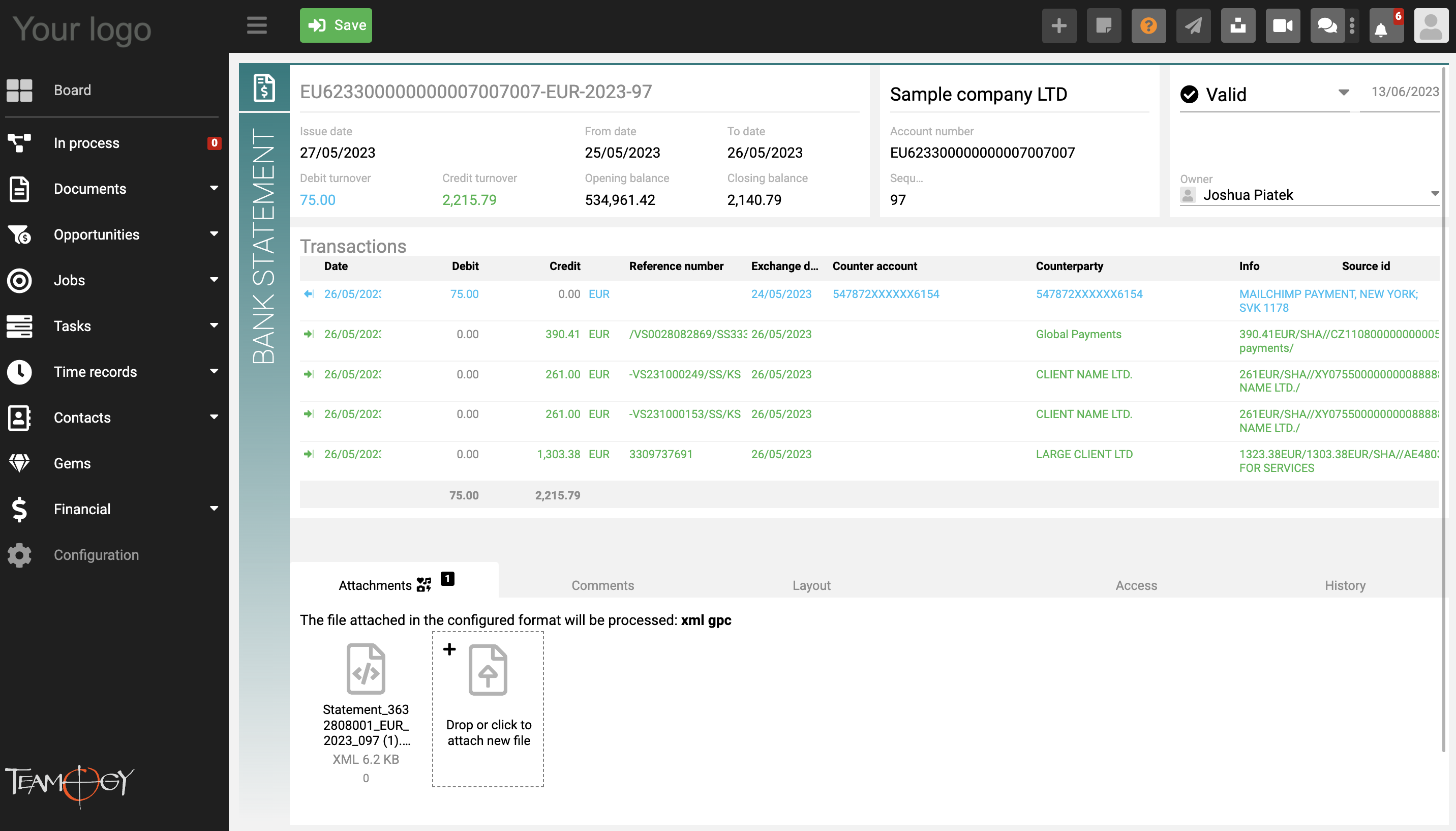
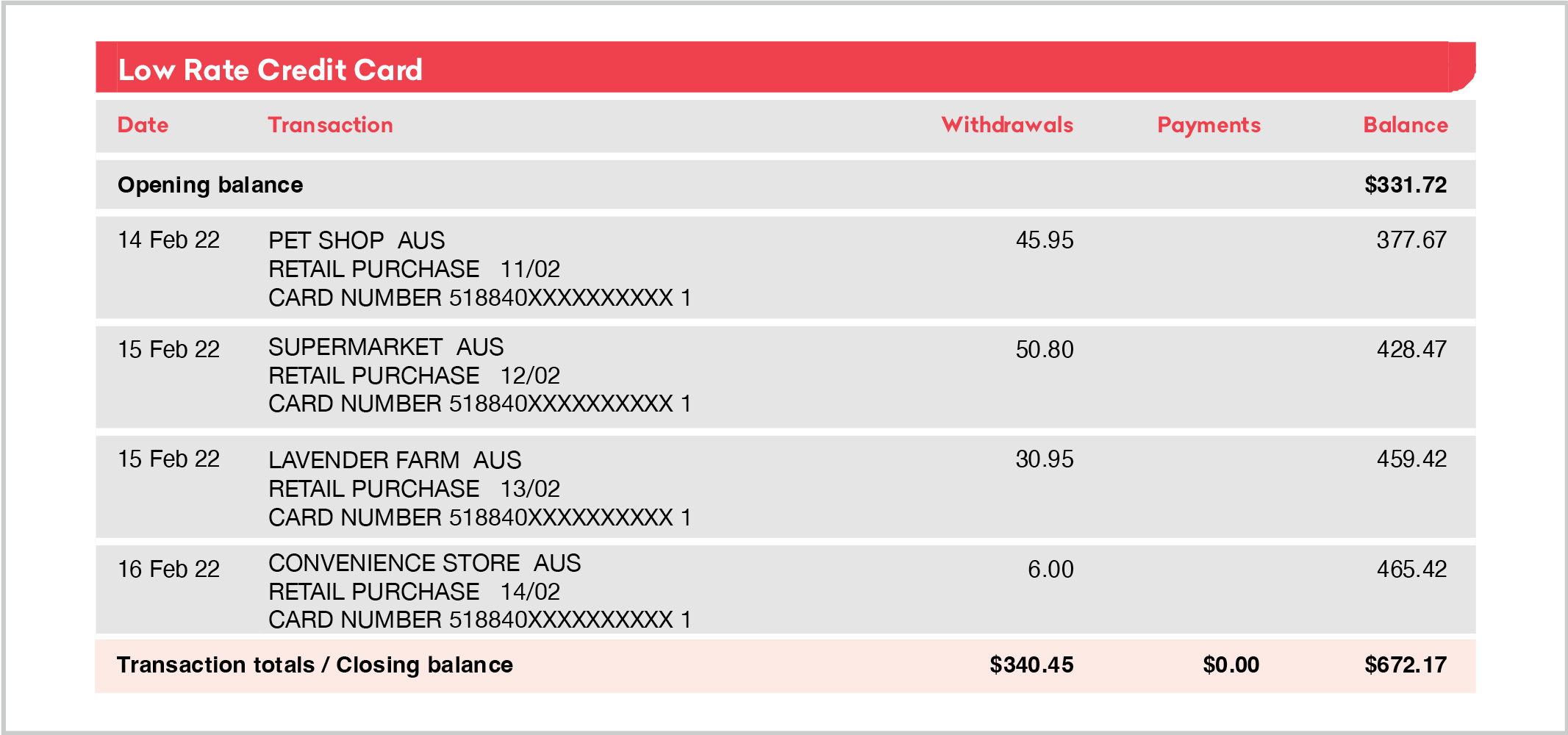
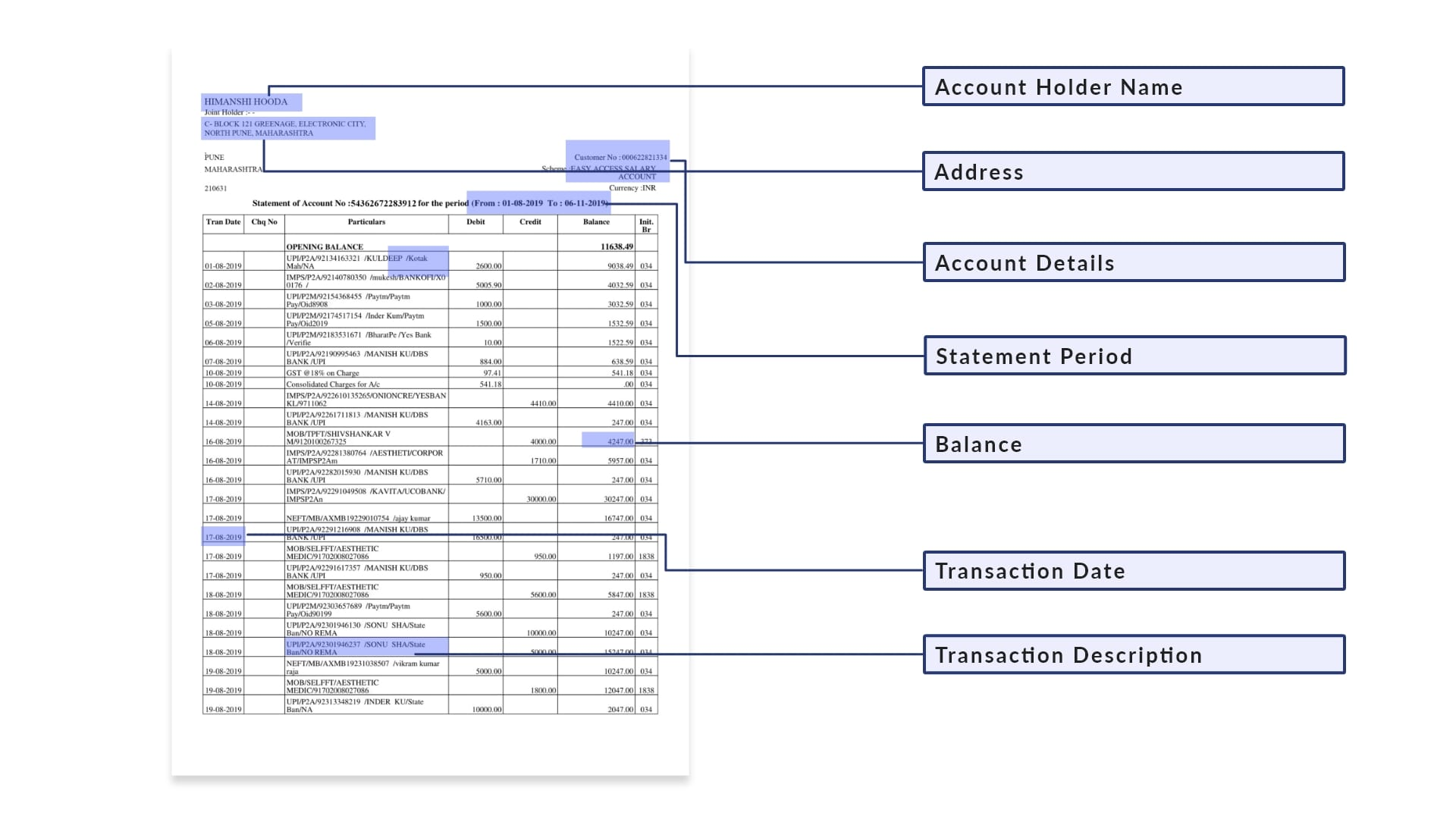
The top section of any transaction statement establishes context. It includes the legal name and address of the financial institution, the account holder's details, the unique account identifier (often partially masked for security), and the exact billing cycle or statement period. This section also summarizes financial positioning, displaying the opening balance, total deposits or credits, total withdrawals or debits, and the final closing balance.
The Itemized Ledger
The primary body of the document is the itemized transaction list. Each entry typically contains several data points:
- Posting Date: The date the financial institution officially processes and records the transaction.
- Transaction Date: The actual calendar date when the purchase, transfer, or deposit was initiated.
- Description: Details identifying the counterparty, merchant name, terminal location, or transfer memo.
- Amount: The monetary value of the transaction, clearly designated as a debit (withdrawal/charge) or credit (deposit/payment).
- Running Balance: The calculated balance of the account immediately following the execution of that specific line item.
Fee Disclosures and Interest Calculations
Regulatory standards require financial statements to feature dedicated sections for fees and interest. For credit products, this includes the Annual Percentage Rate (APR), interest charges accrued during the cycle, late fees, and cash advance fees. For banking accounts, it highlights monthly maintenance fees, overdraft charges, and interest earned (Annual Percentage Yield, or APY).
The Lifecycle of a Transaction: From Authorization to Statement
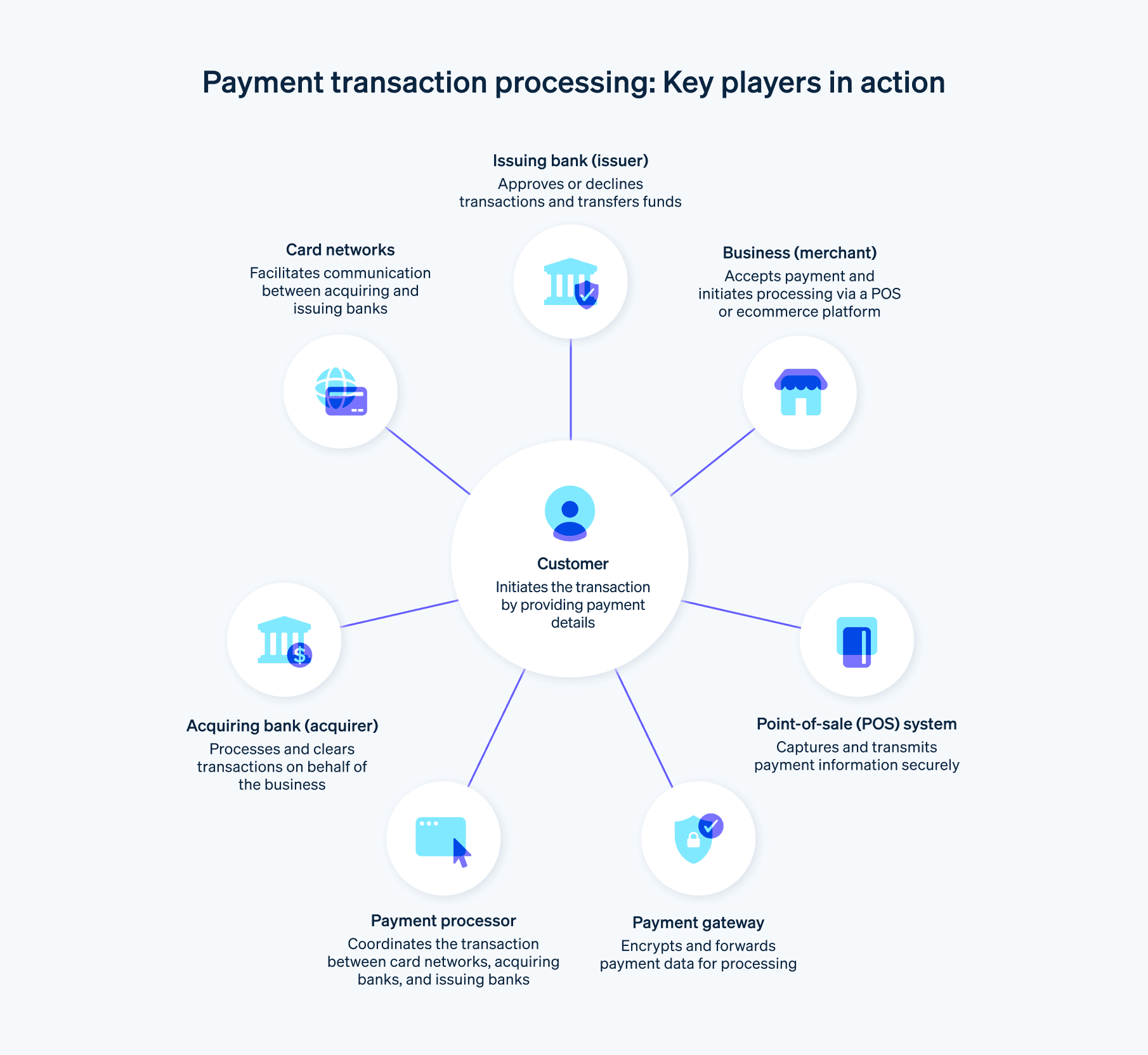
To fully understand how a transaction statement works, one must examine the journey of a financial exchange before it appears on the printed or digital page. The process moves through distinct phases:
- Initiation: The account holder initiates a payment, swipe, tap, or transfer.
- Authorization: The payment network queries the issuing institution to verify available funds or credit limits. If approved, a temporary hold is placed on the funds, reducing the available balance in real time.
- Clearing and Settlement: At the end of the business day, merchants batch their transactions and submit them through a payment processor to the clearinghouse. The funds move from the buyer’s bank to the seller’s bank.
- Posting: Once settlement is complete, the transaction moves from "pending" status to "posted."
- Statement Generation: At the close of the billing cycle, the system aggregates all posted transactions, calculates totals and fees, and compiles the data into the final transaction statement.
| Stage | Status | Impact on Available Balance | Appears on Statement? |
|---|---|---|---|
| Swipe/Purchase | Pending | Immediate reduction | No |
| Clearing | Processing | Maintained in hold state | No |
| Posting | Settled | Finalized deduction | Yes |
| Billing Cycle Close | Finalized | Reset for next cycle | Yes (Summarized) |
Comparison of Statement Types Across Financial Sectors
Different financial instruments utilize distinct types of transaction statements to serve specialized user needs.
Bank and Checking Account Statements
Checking and savings account statements focus on liquidity, tracking cash deposits, direct deposits, Automated Clearing House (ACH) transfers, wire transfers, debit card purchases, and ATM withdrawals. The primary metric of interest is cash flow management and liquidity maintenance.
Credit Card Statements
Credit card statements operate on a revolving credit model. They highlight the credit limit, available credit, minimum payment due, payment due date, and promotional APR expiration dates. Unlike checking statements where a positive balance represents owned funds, a credit card statement tracks debt owed to the issuing bank.
Merchant and Payment Processing Statements
For businesses accepting card payments, merchant statements are exceptionally complex. They break down interchange fees assessed by card networks (such as Visa or Mastercard), processor markups, chargeback counts, and interchange optimization data. Business owners must analyze these statements closely to manage processing overhead.
Prerequisites and Accessing Transaction Statements
Modern financial management relies heavily on digital access, though paper delivery remains available upon request or by regulatory default for certain accounts.
Digital Portals and Electronic Statements (e-Statements)
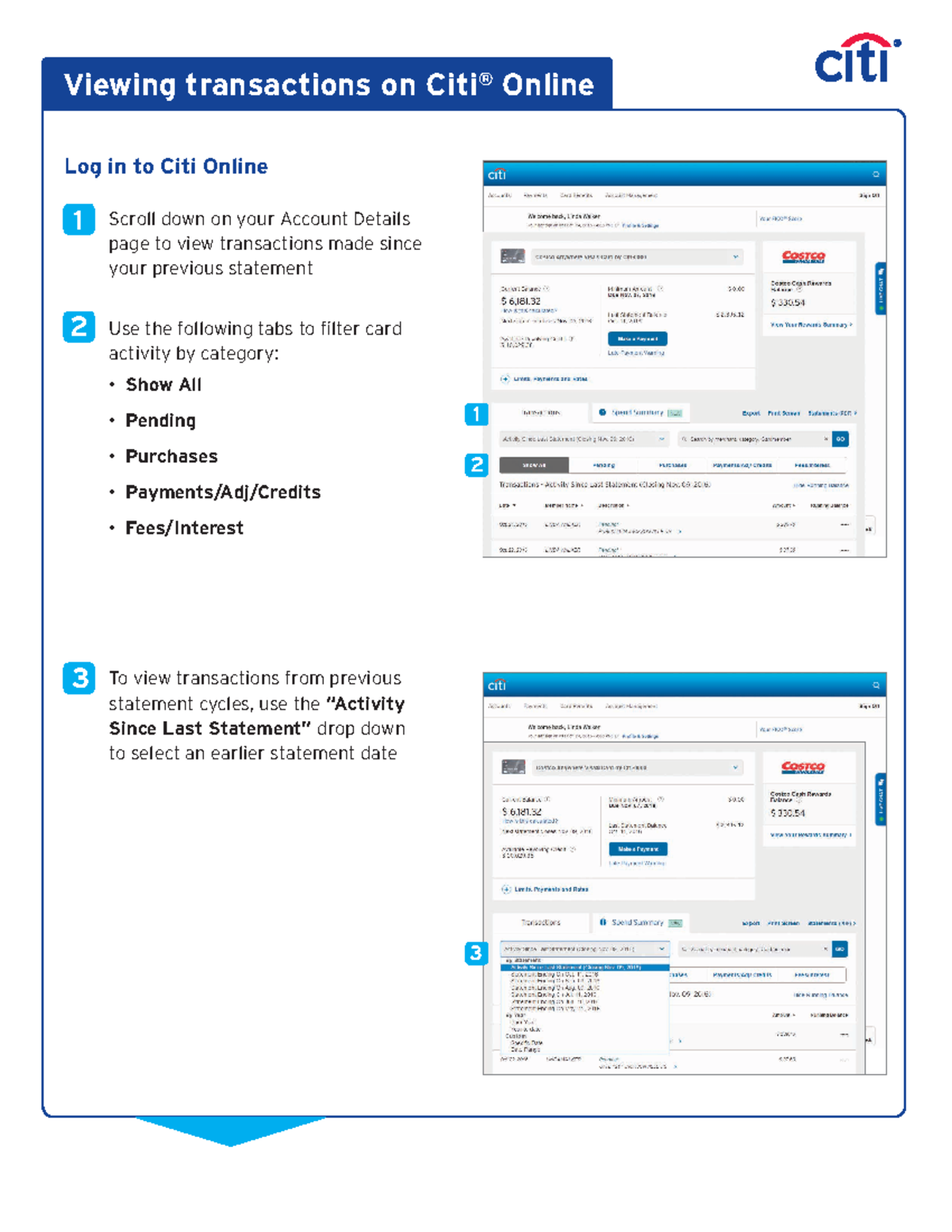
Most financial institutions encourage or mandate electronic statements delivered via secure online banking portals or mobile applications. Accessing these documents typically requires:
- Active multi-factor authentication credentials for security compliance.
- PDF reader software to view downloaded statements.
- Designated consent to receive electronic disclosures under applicable regulations like the Electronic Signatures in Global and National Commerce (E-Sign) Act in the United States.
Record Retention and Compliance Requirements
Individuals and corporations must retain transaction statements for specific durations. While individuals generally keep statements for tax verification, budgeting, and asset tracking (typically 3 to 7 years), businesses face strict legal mandates. Regulatory frameworks often require corporations to maintain financial statements and underlying source documents for up to seven years to satisfy tax audits and corporate governance standards.
Common Discrepancies and Troubleshooting
Errors on transaction statements, while relatively rare, require immediate action to protect account security and financial standing.
Identifying Unauthorized Charges
Account holders should review their transaction statements line by line upon receipt. Discrepancies generally fall into three categories: merchant billing errors (such as double-charging), unrecognized charges indicating potential card compromise or identity theft, and subscription renewals that were forgotten.
Dispute Procedures and Resolution Timelines
If an unauthorized transaction or billing error appears on a statement, consumer protection laws—such as the Truth in Lending Act (TILA) for credit cards and the Electronic Fund Transfer Act (EFTA) for debit cards—provide structured dispute frameworks.
- Notification Window: Consumers typically must report errors within 60 days of the transmission of the statement upon which the error first appeared.
- Provisional Credit: Upon receiving a notice of dispute, the financial institution generally investigates the claim and may issue a provisional credit while the investigation is underway.
- Resolution: The institution must complete its investigation within specified timeframes (often 10 to 45 business days, depending on the transaction type).
Frequently Asked Questions
What is the difference between a pending transaction and a posted transaction on a statement?
A pending transaction is a temporary authorization hold that reduces your available balance but has not yet officially moved through the clearinghouse. A posted transaction has completed the settlement process, finalized the transfer of funds, and is permanently recorded on your official transaction statement.
How far back can I request past transaction statements from my bank?
Most financial institutions maintain digital archives of transaction statements online for 24 to 84 months. For older records, banks can typically retrieve archived physical or microfilmed data upon request, though retrieving historical records beyond standard retention windows may incur search or retrieval fees.
Are transaction statements legally accepted as proof of payment?
Yes. Official transaction statements issued by regulated financial institutions serve as legal proof of payment in most consumer, business, and tax compliance contexts. They establish a clear, chronological trail that funds were transferred from a specific payer to a specific payee on a given date.
Why do some transactions show a different date on my statement than when I made the purchase?
The transaction date represents when you initiated the purchase, whereas the posting date reflects when the merchant's bank and your bank officially settled the batch. Delays often occur over weekends, bank holidays, or when merchants delay batching their daily point-sale transactions.
Can a transaction statement be used for tax auditing purposes?
Transaction statements are frequently used during tax audits to substantiate deductions, business expenses, and income deposits. However, auditors often prefer pairing statements with primary source documents, such as itemized receipts, invoices, and contracts, to verify the exact business purpose of each expense.
Next Actions for Managing Account Statements
To maintain financial accuracy and security, establish a routine monthly audit of your transaction statements. Download or archive statements in a secure, encrypted digital folder at the close of every billing cycle. If you manage a business, reconcile your statements against your accounting software monthly to catch discrepancies, unauthorized charges, or billing errors before regulatory deadlines expire.
Image Gallery