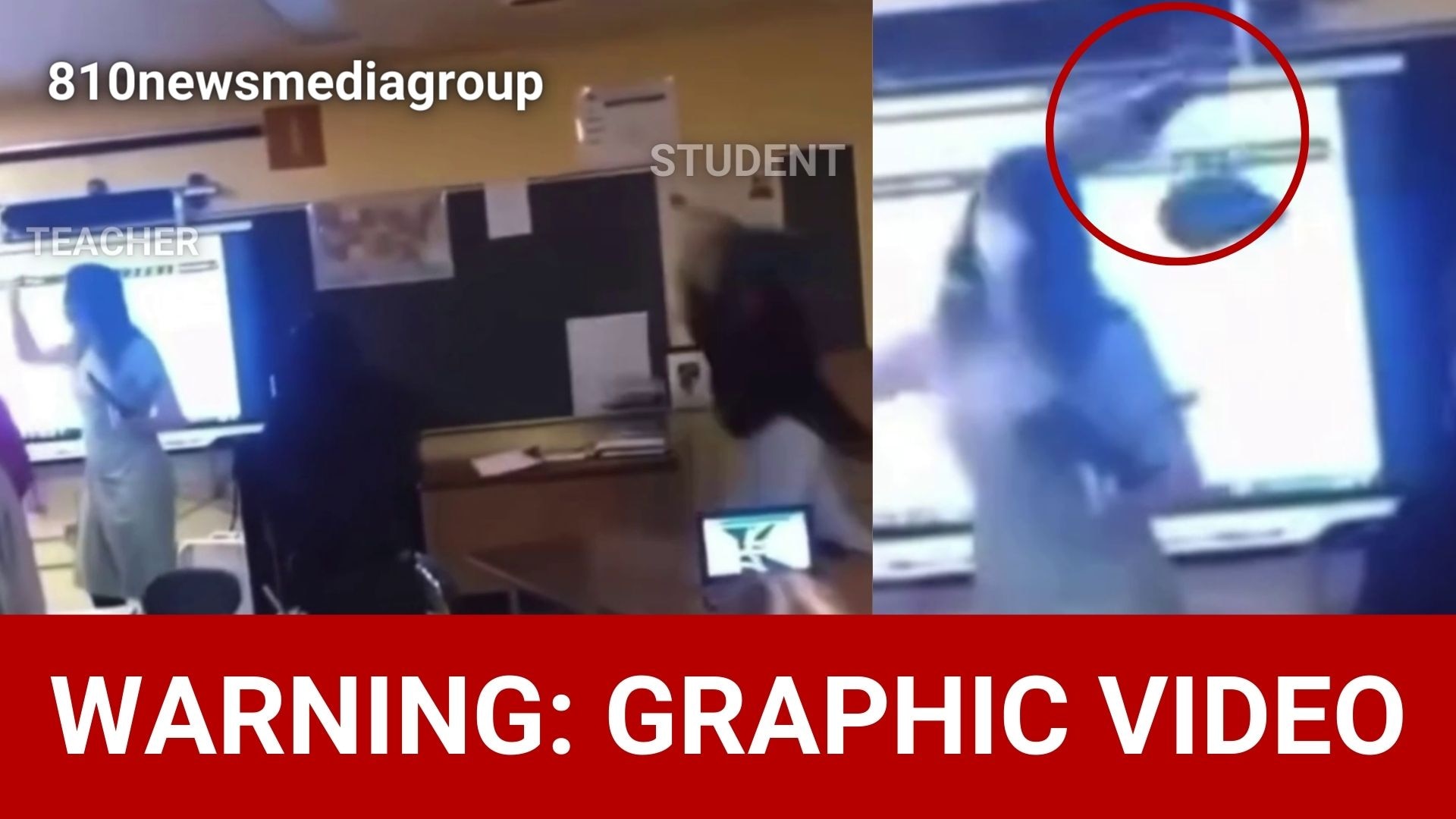
What Happens When a Teacher Hits a Student in School: Legal and Administrative Consequences
When a teacher hits a student, it typically triggers an immediate administrative investigation, mandatory reporting to law enforcement or child welfare agencies, and the temporary suspension of the educator. Depending on local laws and...
When a teacher hits a student, it typically triggers an immediate administrative investigation, mandatory reporting to law enforcement or child welfare agencies, and the temporary suspension of the educator. Depending on local laws and the severity of the act, consequences range from professional disciplinary action and license revocation to criminal assault charges and civil litigation.
Contents
The physical contact between an educator and a minor is one of the most strictly regulated areas of education law. As we navigate the school year in 2026, the protocols surrounding student safety have become increasingly standardized across most jurisdictions. However, the specific outcome of such an incident depends heavily on the intent of the teacher, the jurisdiction's stance on corporal punishment, and the specific circumstances surrounding the event, such as self-defense or the intervention in a physical altercation between students.
Immediate Administrative Protocols and Mandatory Reporting
The moment a school administration becomes aware that a teacher has struck a student, a pre-defined series of protocols is activated. These steps are designed to protect the student, preserve evidence, and mitigate liability for the school district.
Administrative Leave and Removal
The first step is almost universally the removal of the teacher from the classroom. In 2026, standard procedure dictates that the teacher be placed on administrative leave, often with pay, pending a full investigation. This is not a final disciplinary action but a protective measure to ensure no further incidents occur while the facts are gathered. During this time, the teacher is usually barred from contacting the student, the student’s family, or other staff members regarding the incident.
Mandatory Reporting Requirements
Teachers and school administrators are classified as mandated reporters. This means they are legally obligated to report any suspicion of child abuse or neglect to the authorities. If a teacher hits a student, the principal or superintendent is legally bound to notify Child Protective Services (CPS) or local law enforcement. Failure to report the incident can lead to the administrator facing criminal charges or losing their own professional credentials.
Internal Investigation Process
The school district’s human resources department, often in conjunction with legal counsel, will conduct an internal probe. This involves interviewing witnesses, reviewing available surveillance footage, and examining the teacher’s prior disciplinary record. The goal of this investigation is to determine if the teacher’s actions violated district policy, state law, or professional ethical standards.
The Legal Landscape: Criminal and Civil Consequences
The legal ramifications for a teacher hitting a student are categorized into two distinct streams: criminal prosecution and civil litigation. These processes move independently of each other and of the school’s internal disciplinary actions.
Criminal Charges: Assault and Battery
If the physical contact is deemed excessive, intentional, or malicious, the teacher may face criminal charges. These typically fall under the categories of simple assault, battery, or child abuse.
- Simple Assault/Battery: Often charged if the strike caused minor pain or temporary marking but no permanent injury.
- Aggravated Assault: This may be charged if a weapon was used or if the student sustained serious bodily harm.
- Endangering the Welfare of a Child: This is a common secondary charge in many jurisdictions, focusing on the breach of the teacher’s duty to provide a safe environment.
Civil Litigation and Tort Claims
Even if criminal charges are not filed or do not lead to a conviction, the student’s parents may file a civil lawsuit. These "tort" claims seek monetary damages for medical expenses, psychological counseling, and emotional distress. In these cases, the "preponderance of evidence" standard is used, which is a lower threshold than the "beyond a reasonable doubt" standard required in criminal court. In 2026, many districts carry extensive liability insurance, but a teacher found to have acted with "willful or wanton" intent may find themselves personally liable if the district’s indemnification clause is voided by the nature of the act.
The Legality of Corporal Punishment in 2026
It is a common misconception that corporal punishment is illegal in all schools. The legal status of hitting a student for disciplinary purposes varies significantly by jurisdiction and school type (public vs. private).
| Jurisdiction/Type | Legal Status of Corporal Punishment | Required Conditions |
|---|---|---|
| Most US States (Public) | Banned | Any physical strike is a violation of policy and law. |
| Select US States (Public) | Legal (with restrictions) | Must be "reasonable," documented, and often requires a witness. |
| Private Schools (Many Regions) | Varies by Contract | Often permitted if the parent has signed a waiver or agreement. |
| UK, Canada, Europe | Strictly Prohibited | Viewed as a violation of human rights and child protection laws. |
| Self-Defense (General) | Generally Permitted | Force must be proportional to the threat and necessary for safety. |
The "Reasonable Force" Standard
In areas where corporal punishment is still legal, or in situations where a teacher uses force to break up a fight, courts apply the reasonable force standard. This considers the student’s age, size, physical condition, and the nature of the infraction. If the force used is deemed "excessive"—for example, leaving bruises, causing broken bones, or striking the head—it crosses the line into illegal behavior regardless of the local stance on corporal punishment.
Professional Certification and Career Impact
Beyond the immediate legal battles, the long-term career of the teacher is usually at stake. Education is a highly regulated profession where "moral turpitude" and "professional misconduct" are grounds for permanent disqualification.
State Board of Education Review
Once an investigation concludes that a teacher hit a student, the school district is typically required to report the finding to the State Board of Education or the relevant licensing body. This body will conduct its own hearing to determine if the teacher's professional certificate should be suspended or revoked.
The "Blacklist" and Future Employment
In 2026, central databases for educator misconduct are more integrated than ever. A finding of physical abuse against a student is usually entered into a national registry. This effectively ends the educator's career in the public sector, as any background check for a future teaching position will flag the incident. Even if the teacher is not criminally convicted, the administrative finding of "misconduct" is often enough to prevent re-hiring.
The Role of Teacher Unions and Due Process
Teachers are entitled to due process before they can be terminated or lose their licenses. This is a constitutional protection in the United States and a standard contractual right in most unionized environments.
- Loudermill Hearings: In public employment, a teacher has the right to a "pre-termination hearing" where they can present their side of the story and respond to the evidence against them.
- Union Representation: Organizations like the National Education Association (NEA) or the American Federation of Teachers (AFT) provide legal counsel to teachers. They ensure that the school district follows the specific procedures outlined in the collective bargaining agreement.
- Mitigating Circumstances: The union may argue that the teacher was acting in self-defense, was experiencing a mental health crisis for which the school failed to provide support, or was reacting to a high-stress situation involving an immediate threat to other students.
What Parents Should Do If a Teacher Hits Their Child
If a child reports being struck by a teacher, the parents or guardians must act decisively to protect the child’s rights and well-being.
- Seek Medical Attention: Even if there are no visible marks, a medical evaluation creates a professional record of the incident and screens for internal or psychological trauma.
- Document Everything: Write down the child's account immediately while the memory is fresh. Take photographs of any injuries.
- File a Formal Police Report: Do not rely solely on the school's internal investigation. A police report ensures that an independent body reviews the case for criminal activity.
- Notify the Administration in Writing: Send a formal letter or email to the principal and the school board. This creates a "paper trail" that prevents the school from claiming they were unaware of the incident.
- Consult Legal Counsel: An attorney specializing in education law or personal injury can help navigate the complexities of school district immunity and filing a claim for damages.
Frequently Asked Questions
Can a teacher hit a student in self-defense?
Yes, teachers generally have the right to use reasonable and proportional force to protect themselves from physical harm. However, the force must stop once the threat is neutralized. If a teacher continues to hit a student after the student has been restrained or has stopped attacking, the teacher can be charged with assault.
What happens if a teacher hits a student to break up a fight?
This is categorized as "intervening force." Most school policies allow teachers to use physical intervention to prevent students from hurting each other. The key requirement is that the intervention must be non-punitive. For example, grabbing a student's arms to pull them away is usually acceptable, while punching or kicking a student to stop a fight is not.
Can a teacher be fired immediately for hitting a student?
While "immediate" firing is rare due to due process laws, a teacher can be removed from the classroom instantly. The formal termination process may take several weeks or months as the district must follow legal and contractual procedures. In cases of egregious violence, the process is usually expedited.
What if the student provoked the teacher?
Provocation is rarely a legal defense for a teacher hitting a student. Educators are held to a professional standard that requires them to maintain composure. While verbal provocation might be a mitigating factor in the severity of the punishment, it does not legally justify physical retaliation against a minor.
Does the school's insurance cover the teacher if they are sued?
Most school districts have liability insurance that covers employees for acts committed within the "scope of their employment." However, many policies have exclusions for intentional criminal acts or "willful misconduct." If a court determines the teacher acted with the intent to harm, the insurance company may refuse to defend the teacher or pay any resulting judgments.
Practical Recommendation for Next Actions
If you are a parent or guardian involved in such a situation, the most critical next step is to prioritize the child's psychological safety. Beyond the legal and administrative battles, physical altercations with authority figures can cause long-term anxiety and school avoidance. Secure a referral to a child psychologist experienced in school-based trauma. Simultaneously, ensure that all communication with the school district is conducted through written channels (email or certified mail) to maintain a rigorous evidentiary record for any potential legal proceedings in 2026.
Image Gallery