PPP Loan Workers Compensation Insurance: Requirements and Regulatory Compliance
The Paycheck Protection Program (PPP), administered by the U.S. Small Business Administration (SBA), was designed to provide direct incentives for small businesses to keep their workers on the payroll. While the PPP focused on payroll...
The Paycheck Protection Program (PPP), administered by the U.S. Small Business Administration (SBA), was designed to provide direct incentives for small businesses to keep their workers on the payroll. While the PPP focused on payroll costs and overhead, business owners frequently asked whether workers' compensation insurance premiums were covered by these funds or if their existence impacted loan eligibility and forgiveness. In 2026, as businesses manage the legacy of these pandemic-era instruments, understanding the intersection of federal loan compliance and state-mandated insurance obligations remains essential for accurate record-keeping and audit preparedness.
Contents
Understanding PPP Coverage vs. Insurance Mandates
It is a common misconception that PPP loan proceeds were intended to directly fund business insurance premiums, including workers' compensation. Under the terms established by the SBA and the CARES Act, the definition of "payroll costs" used to determine loan amounts and subsequent forgiveness was specific.
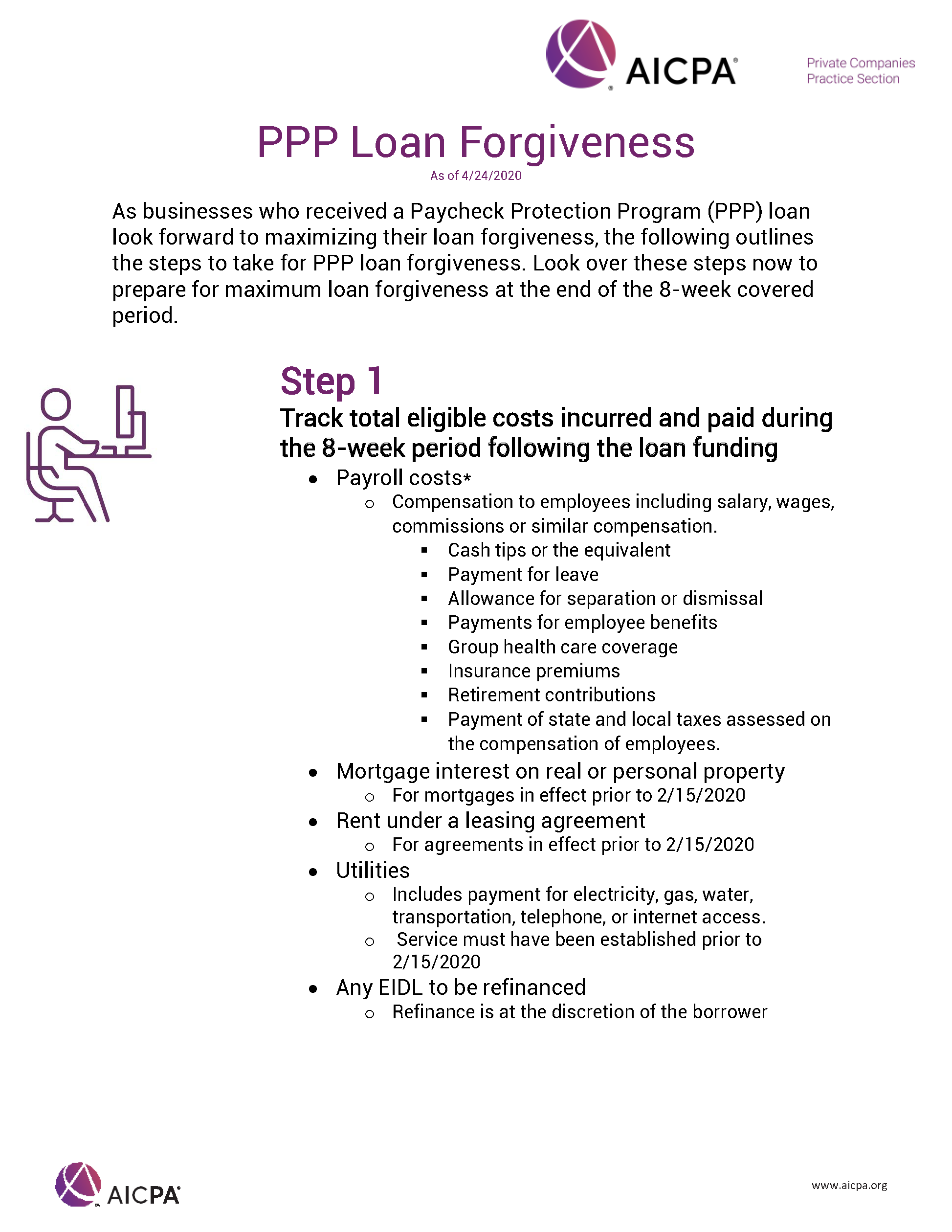
Payroll costs primarily included:
- Salary, wages, commissions, or similar compensation.
- Payment of cash tips or equivalent.
- Payment for vacation, parental, family, medical, or sick leave.
- Allowance for separation or dismissal.
- Payment required for the provisions of group health care benefits, including insurance premiums.
- Payment of any retirement benefit.
- Payment of state and local taxes assessed on compensation.
Crucially, workers' compensation insurance is generally categorized as a commercial liability expense rather than a group health care benefit or a standard payroll tax. Consequently, while you could use your PPP funds to cover the payroll expenses of employees who are protected by workers' compensation, the insurance premiums themselves were not considered a qualified "payroll cost" for the purpose of the 60% expenditure threshold required for full forgiveness.
The Impact of Payroll Reporting on Workers' Compensation Premiums
While PPP loan proceeds were not earmarked for insurance premiums, the way your business reported payroll during the PPP period directly affects your workers' compensation costs. Workers' compensation premiums are calculated based on payroll volume and the risk classification of your employees.
During the pandemic, many businesses adjusted their payroll practices to align with PPP reporting requirements. If you included bonuses or hazard pay in your payroll reporting to secure or maintain your PPP loan, these figures were often audited by your workers' compensation carrier during your annual year-end payroll audit.
In 2026, auditors continue to review these historical filings. If a business inadvertently reported total payroll to the SBA while misclassifying specific employees or excluding categories that would normally be reportable to the insurance carrier, it can lead to significant "premium adjustments." You must ensure that your payroll records submitted for PPP forgiveness reconcile with the payroll reports submitted to your insurance carrier to avoid underpayment or overpayment of premiums.
Regulatory Compliance and Audit Preparedness
As of 2026, most PPP loans have reached their maturity or forgiveness conclusion. However, the SBA maintains a statute of limitations for civil and criminal actions related to loan fraud. Maintaining clear documentation that separates your "Payroll Costs" (as defined by the SBA) from your "Business Operating Expenses" (which include workers' compensation premiums) is a critical compliance activity.
If you are currently undergoing a desk review or an audit, be prepared to demonstrate the following:
- Segregation of Funds: Clearly labeled bank statements showing that PPP funds were utilized for authorized purposes, such as payroll, rent, or utilities, while other business accounts handled statutory insurance premiums.
- Payroll Reconciliation: Evidence that the figures used for PPP forgiveness applications match the quarterly tax filings (IRS Form 941) and the annual payroll audits conducted by your workers' compensation insurance provider.
- Entity Documentation: Proof that any employees whose wages were subsidized by the PPP were also included in the payroll basis for your state-mandated workers' compensation coverage.
Comparing Payroll Costs and Insurance Premiums
To better understand the financial distinction between PPP-eligible expenses and standard business operating costs like insurance, refer to the following comparison table.
| Expense Category | PPP Eligible (Payroll Cost) | Notes |
|---|---|---|
| Employee Wages/Salaries | Yes | Capped at $100,000 annualized per employee. |
| Group Health Insurance | Yes | Employer-paid portions of group health insurance. |
| Retirement Contributions | Yes | Employer-paid portions of 401(k) or similar plans. |
| Workers' Compensation | No | Classified as a commercial insurance/business expense. |
| State/Local Payroll Taxes | Yes | Taxes assessed on compensation (e.g., SUTA). |
| General Liability Insurance | No | Standard operating expense; not a payroll cost. |
Common Mistakes and How to Resolve Them
One of the most frequent errors reported by small businesses is the commingling of funds. Because PPP funds were often deposited into the same operating accounts used to pay workers' compensation premiums, it is easy for auditors to misinterpret a payment.
- Commingling Funds: If you used the same account for PPP proceeds and operating expenses, your primary tool for resolution is a clear "ledger mapping." Create a spreadsheet that maps every dollar of the PPP disbursement to a specific, eligible expense. If your workers' compensation premium was paid from the same account, ensure there is a clear, secondary source of funds (e.g., operating revenue) that covered that specific transaction.
- Audit Discrepancies: If your workers' compensation carrier sends an audit notice for a year where you utilized PPP funds, do not simply provide the PPP forgiveness document. Provide your W-2 summaries and IRS Form 941s. These documents carry more weight in a workers' compensation audit than internal PPP reports.
- Documentation Retention: The SBA requires that businesses retain documentation for six years after the loan is forgiven or paid in full. As of 2026, if your loan was finalized in 2021 or 2022, you are still well within the mandatory retention window.
Guidance for Business Owners in 2026
If you are currently reviewing your business insurance structure or dealing with lingering questions regarding past PPP usage, the following steps are recommended:
- Consult a Licensed Insurance Broker: If you believe your workers' compensation audit was negatively impacted by confusion over PPP reporting, consult with your agent. They can help file a correction or explanation of the payroll discrepancy based on verified tax documents.
- Maintain a Unified Ledger: Ensure that your financial statements for the years 2020–2022 are reconciled. If you have not performed a final review of your COVID-era financial records, doing so now is a best practice to avoid future tax or insurance penalties.
- Professional Advice Disclaimer: This article is for informational purposes only and does not constitute legal, tax, or financial advice. Because workers' compensation is a state-regulated program, specific rules vary by jurisdiction. Always consult with your certified public accountant (CPA) or a qualified attorney before taking action on past loan audits or payroll reporting disputes.
Frequently Asked Questions
Are workers' compensation premiums considered a payroll cost for PPP forgiveness? No. Workers' compensation is considered a commercial insurance expense, not a payroll cost. The SBA explicitly lists payroll costs as cash compensation, group health benefits, retirement benefits, and state/local taxes on compensation.
Why does my workers' compensation auditor care about my PPP loan records? The auditor is primarily interested in the total "remuneration" paid to employees to determine the correct premium. If your payroll records were adjusted to maximize PPP forgiveness, the auditor needs to ensure those adjustments align with your actual payroll liabilities.
Can I deduct workers' compensation insurance as a business expense? Yes. While it is not a "payroll cost" for PPP purposes, workers' compensation insurance remains a standard and deductible business operating expense for federal and state income tax purposes.
What happens if my payroll reporting to the SBA and my insurance carrier do not match? This is a red flag for both agencies. You should prepare an addendum explaining the discrepancy—often caused by the exclusion of certain employees from PPP caps or the inclusion of bonuses—and maintain this documentation in your files in case of an audit.
Should I proactively report my PPP history to my insurance provider? Generally, no. You are only required to provide the information requested during the annual payroll audit. Stick to the requested tax documents (e.g., Form 941, W-3) rather than volunteering unsolicited PPP documentation unless a specific discrepancy is raised by the auditor.
For further assistance, business owners should reference their specific state’s workers' compensation rating bureau or their local SBA district office for guidance on audit protocols that remain active in 2026.
Image Gallery