Is Baking with Flaxseed Meal Worth It: A Technical Evaluation for the Modern Kitchen
Baking with flaxseed meal is widely considered "worth it" primarily for those seeking to enhance the nutritional profile of baked goods or requiring a plant-based binding agent to replace eggs. Its utility depends on your specific goal...
Baking with flaxseed meal is widely considered "worth it" primarily for those seeking to enhance the nutritional profile of baked goods or requiring a plant-based binding agent to replace eggs. Its utility depends on your specific goals regarding dietary fiber intake, vegan-friendly binding, and the acceptance of a distinct, nutty flavor profile that interacts differently with various flour types.
Contents
The Nutritional and Functional Profile of Flaxseed Meal
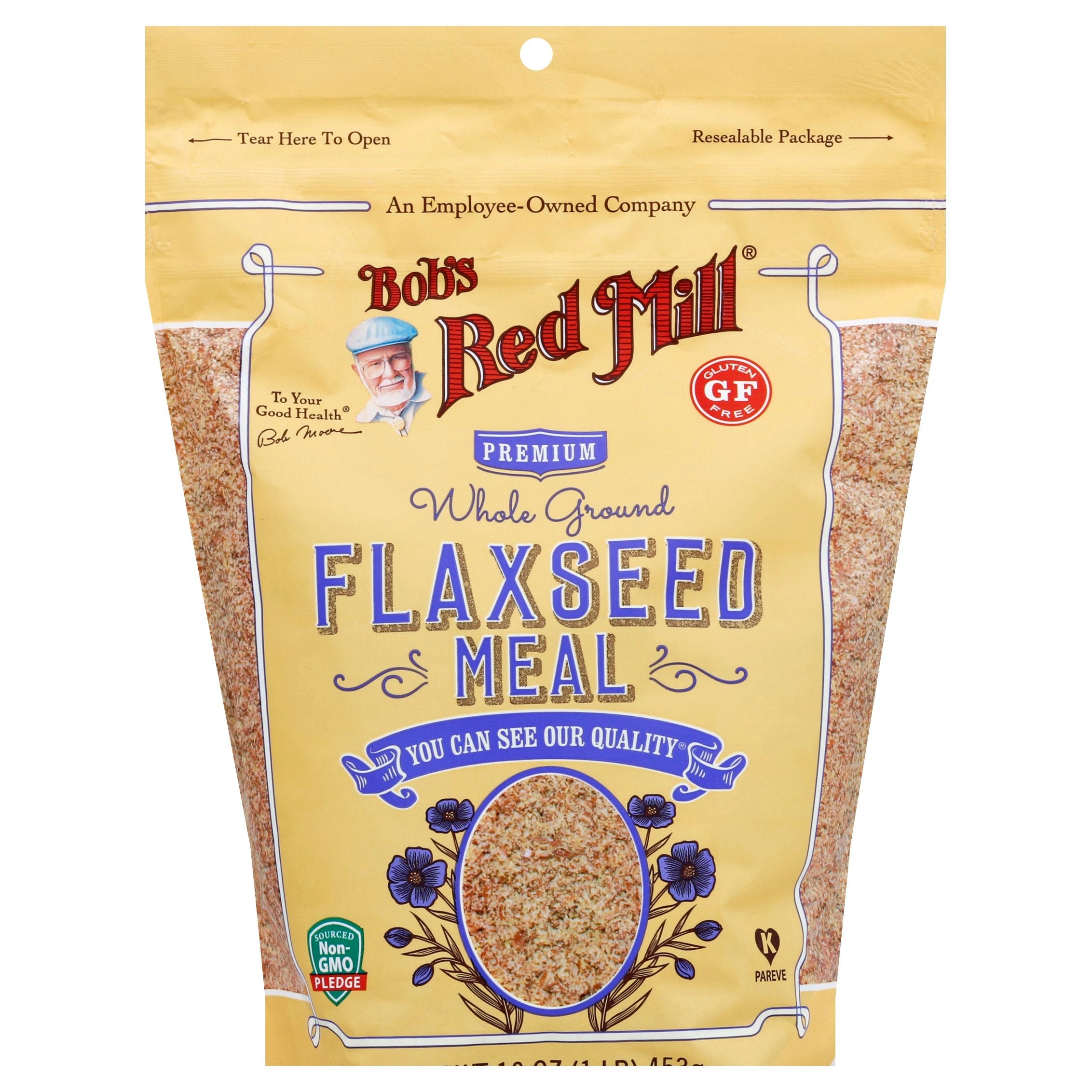
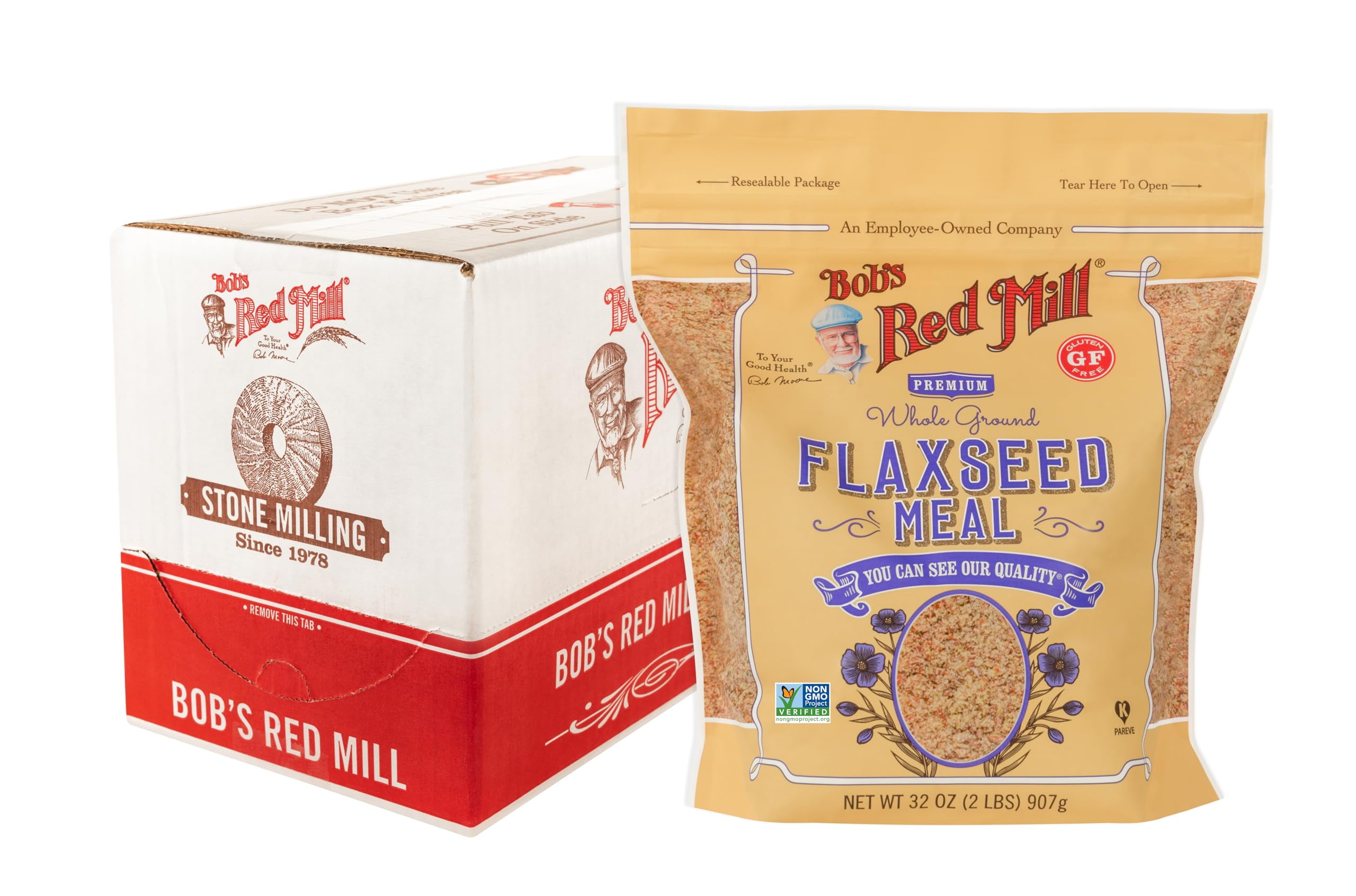
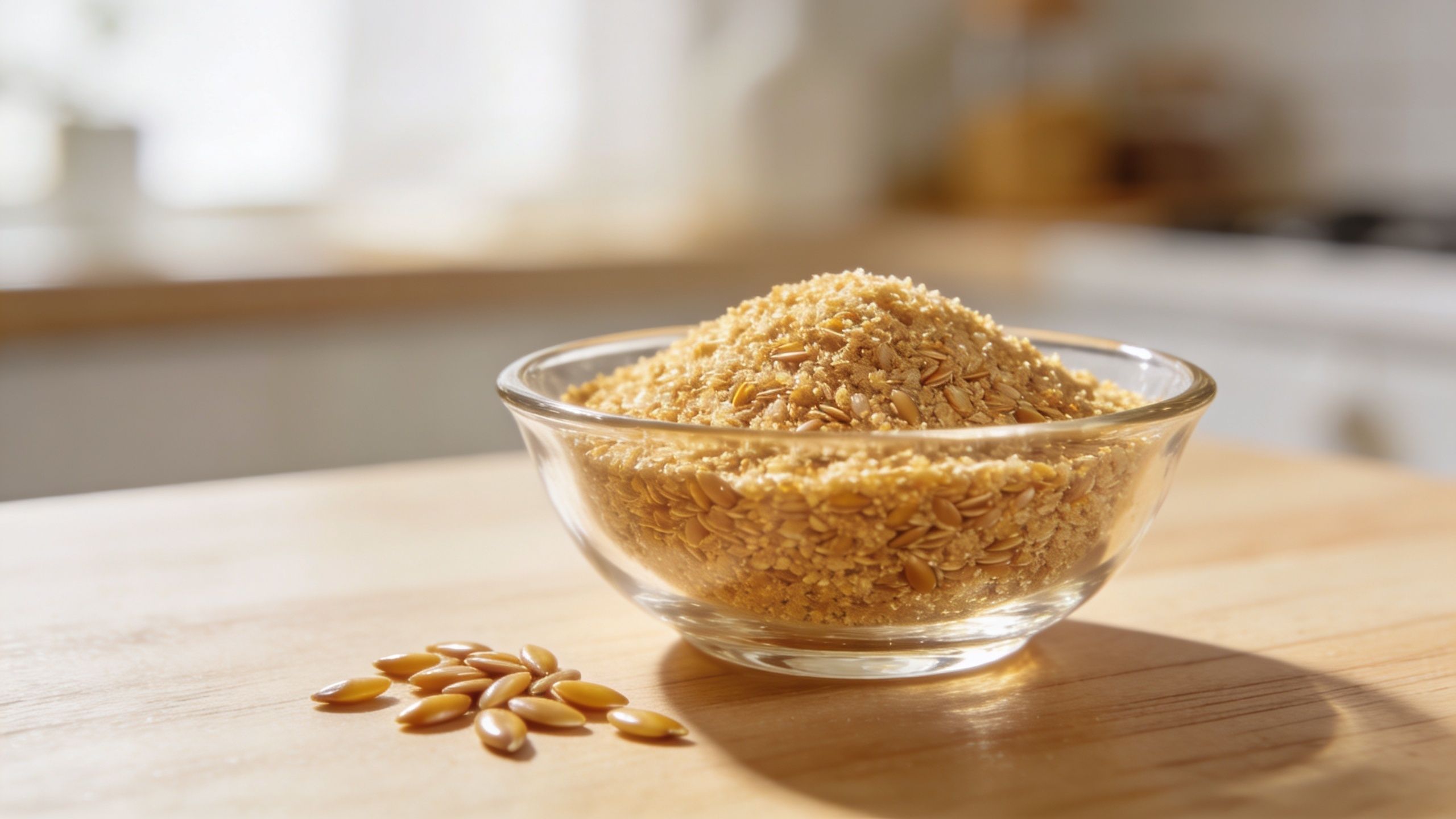
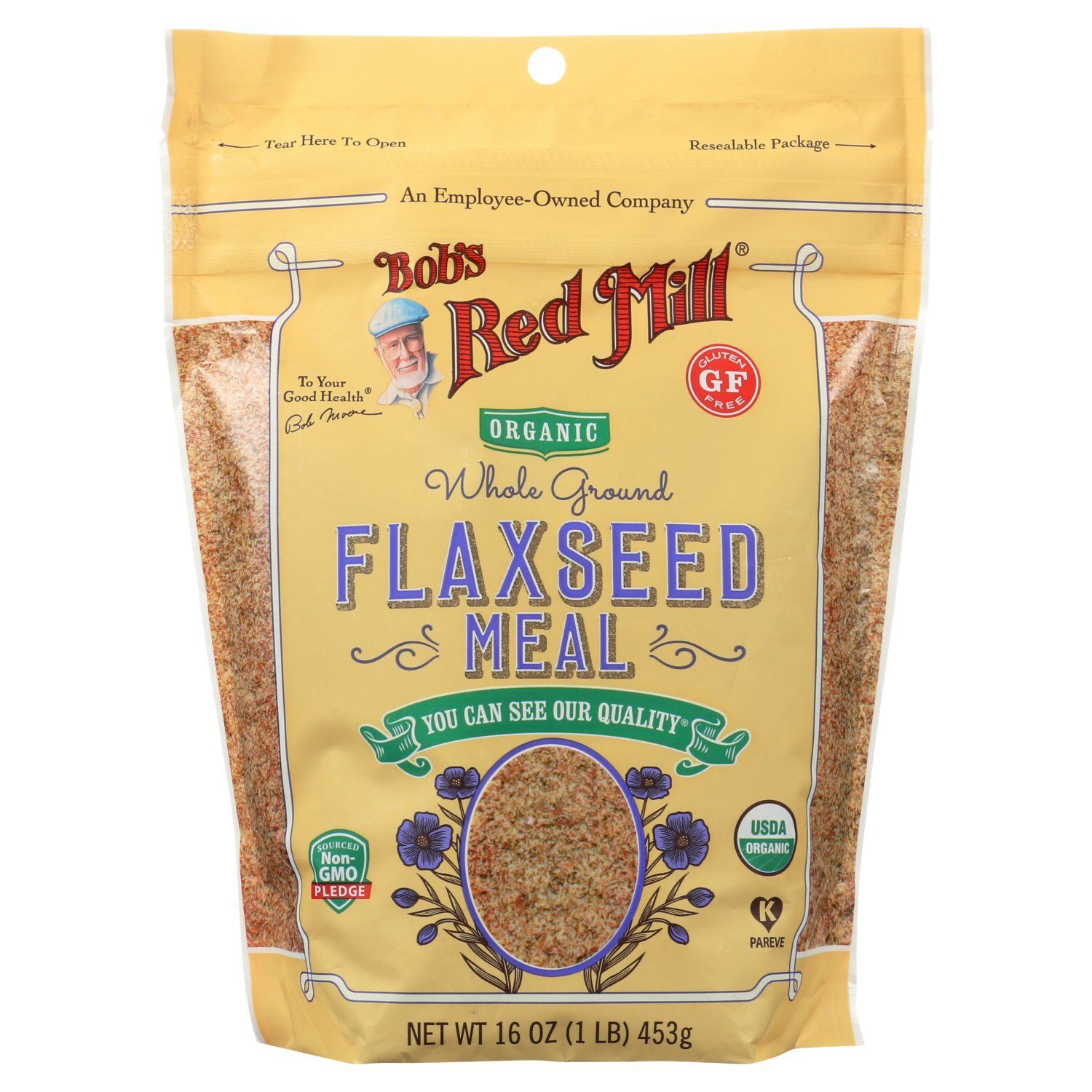
Flaxseed meal, often referred to as ground flaxseed or flax meal, is the pulverized product of the Linum usitatissimum plant. Unlike whole flaxseeds, which pass through the digestive tract largely intact due to their hard outer hull, ground flax provides the body with access to its nutrient density.
From a nutritional standpoint, flaxseed meal is a significant source of alpha-linolenic acid (ALA), a type of plant-based omega-3 fatty acid. It also contains both soluble and insoluble fiber. When used in baking, the soluble fiber creates a mucilaginous consistency when hydrated—a property that makes it functionally similar to the proteins found in egg whites.
When evaluating whether it is "worth it" to integrate flaxseed meal into your pantry, consider the balance between its nutritional benefits and its culinary impact. While it adds a boost of fiber and healthy fats, it also introduces a notable moisture-retaining quality that can affect the crumb structure and shelf life of your finished product.
The "Flax Egg": Functionality as a Binding Agent
The most common technical application of flaxseed meal in home baking is the "flax egg." This is a mixture of approximately one tablespoon of finely ground flaxseed meal and three tablespoons of water, left to sit for five to ten minutes until it achieves a gelatinous, egg-like viscosity.
In vegan or allergy-friendly baking, this mixture acts as a binder. It effectively holds dry ingredients together, preventing cookies or muffins from crumbling. However, it is important to understand the limitations:
- Lack of Leavening: Unlike actual eggs, flax eggs do not contribute to aeration or the "lift" required for light, fluffy cakes or soufflés.
- Moisture Content: The extra hydration needed to activate the meal means you may need to reduce other liquids in your recipe by a small percentage to maintain the intended structure.
- Coagulation: Flaxseed does not coagulate under heat in the same way egg proteins do. Therefore, it is most effective in dense, quick-bread style baked goods rather than delicate sponge cakes.
Flavor and Texture Considerations
The decision to use flaxseed meal is often hindered by its flavor profile. It imparts a nutty, earthy, and sometimes slightly bitter taste that is easily detectable in light-colored doughs or delicate pastries. If you are baking shortbread, vanilla-based cakes, or mild-flavored muffins, the addition of flaxseed meal will fundamentally alter the sensory experience.
Conversely, in whole-grain recipes, breads with strong spices (like cinnamon or ginger), or chocolate-heavy preparations, the flax flavor is largely masked. For bakers who prioritize flavor neutrality, flaxseed meal is often considered "not worth it" unless the health benefits are the primary driver of the baking project.
Regarding texture, flax meal absorbs water, which can lead to a denser, more "moist" result. This is highly beneficial for items like zucchini bread or banana muffins, where moisture retention is a desired quality. If you prefer a crisp or airy texture, you should limit your usage to a maximum of 25% of the total flour volume, replacing the rest with standard grain flours.
Cost and Storage Efficiency
As of 2026, flaxseed meal remains an affordable pantry staple. However, it requires specific storage conditions that increase the "cost" in terms of maintenance. Because flaxseed is high in polyunsaturated fats, it is highly susceptible to oxidation when exposed to light, heat, and oxygen.
To maintain quality, ground flaxseed should be stored in an airtight, opaque container in the refrigerator or freezer. If left in a pantry at room temperature, the natural oils can go rancid within weeks, resulting in a bitter, unpalatable flavor that ruins any recipe it is added to. If you are not prepared to dedicate refrigerator space or monitor the shelf life of your ingredients, the convenience factor decreases significantly.
Comparative Analysis: Flaxseed Meal vs. Alternatives
The following table compares flaxseed meal with other common baking substitutions to help you determine if it is the right choice for your specific requirements.
| Alternative | Best For | Flavor Impact | Binding Ability |
|---|---|---|---|
| Flaxseed Meal | Fiber, Omega-3s, Vegan Binding | Nutty / Earthy | Moderate |
| Chia Seeds | Texture, Omega-3s | Mild / Neutral | High |
| Applesauce | Moisture, Low-Fat Baking | Slightly Sweet | Low |
| Commercial Egg Replacer | Fluffiness, Neutrality | None | High |
Common Mistakes and Troubleshooting
Even experienced bakers encounter challenges when integrating flaxseed meal for the first time. Understanding these pitfalls is essential for a successful outcome.
1. Using Coarse Grinds: If you grind your own flaxseeds, ensure they are pulverized into a fine, uniform powder. Large pieces of seed create hard, unpleasant "crunchy" spots in an otherwise soft muffin or cake. A high-speed spice grinder or coffee mill is recommended.
2. Skipping the Hydration Step: Adding dry flaxseed meal directly to the flour mix without letting it sit in water first often results in a final product that feels gummy rather than bound. Allow the "flax egg" to sit for at least 8 to 10 minutes to reach its peak viscosity before incorporating it into your wet ingredients.
3. Over-Substitution: A common error is attempting to replace all flour with flax meal in an effort to make a dish gluten-free or keto-friendly. Flaxseed meal contains no gluten and lacks the starches necessary to provide structure. Replacing more than 20–30% of the total flour weight usually results in a product that refuses to rise or set properly.
Is It Worth It? Determining Your Goal
If your goal is to add nutrient density, increase fiber, or create a simple, reliable vegan binder for rustic bakes, then flaxseed meal is absolutely worth the effort. It is an inexpensive, accessible ingredient that serves a clear, functional purpose in a modern kitchen.
However, if your goal is to create delicate, light, or professional-grade pastry where flavor neutrality and structural aeration are paramount, the trade-offs—such as the potential for a bitter taste and the high maintenance of storage—may outweigh the nutritional benefits.
For the vast majority of home bakers, keeping a small, vacuum-sealed bag of flaxseed meal in the freezer provides a versatile "wildcard" ingredient. You can use it as an occasional nutritional supplement in smoothies or morning oatmeal, even when you aren't using it for baking. By maintaining a small inventory rather than a large one, you mitigate the risk of rancidity and maximize the utility of the ingredient.
Frequently Asked Questions
Does flaxseed meal expire quickly? Yes, it has a shorter shelf life than most flours due to its high fat content. When stored in the pantry, it can go rancid within 1–3 months. Storing it in the freezer can extend its quality for up to 9–12 months. Always smell the flaxseed meal before use; if it smells "off," metallic, or paint-like, it has oxidized and should be discarded.
Can I substitute flaxseed meal for flour directly? No, you cannot perform a 1:1 substitution. Flaxseed meal lacks gluten and starch. If you attempt a direct 1:1 replacement, your baked goods will not hold together, will likely be dense, and may taste unpleasantly bitter. It should only replace a small percentage of total flour, usually up to 25%.
Is flaxseed meal suitable for all types of baking? It is most suitable for dense, moist items like muffins, quick breads, cookies, and pancakes. It is generally not suitable for light cakes, pastries, or delicate breads where structural integrity and texture are defined by wheat gluten or specific leavening processes.
Does flaxseed meal provide the same texture as eggs? It provides the binding function of an egg, but it does not provide the same leavening (rising) or emulsification properties. If a recipe relies heavily on eggs to make the batter airy—like a genoise or a soufflé—flaxseed meal will not be an effective substitute.
Should I buy whole flaxseeds or pre-ground meal? Buying whole seeds and grinding them as needed is the "worth it" choice for those prioritizing quality and shelf life. Whole flaxseeds stay fresh for up to a year when stored in a cool, dark place. Once ground, the surface area increases, and oxidation begins immediately.
Final Recommendation
To decide if flaxseed meal is right for your kitchen, conduct a small-scale experiment. The next time you bake a batch of muffins or cookies, replace one tablespoon of your flour with one tablespoon of ground flaxseed meal (you do not need to add water if the quantity is this small). Observe the change in texture and flavor. If you find the result pleasing and the health benefits align with your nutritional goals, incorporate it more frequently into your standard recipes.
Image Gallery