How Hunt Funeral Home Life Insurance Can Cover Funeral Costs
Planning for final expenses is a deeply personal task that requires clear financial strategy, especially given the rising costs of modern burials and cremations. When individuals look at specialized or local arrangements, understanding...
Planning for final expenses is a deeply personal task that requires clear financial strategy, especially given the rising costs of modern burials and cremations. When individuals look at specialized or local arrangements, understanding how specific policies or assignments—such as those associated with providers like Hunt Funeral Home—interact with life insurance is crucial. Families often discover that traditional life insurance policies can be directly assigned, or specialized final expense plans can be structured, to cover funeral costs seamlessly without imposing a sudden out-of-pocket burden on surviving relatives.
Contents
Navigating the intersection of life insurance policies and funeral home arrangements involves examining policy types, assignment protocols, and coordination with funeral directors. This guide explores the mechanisms through which life insurance can fulfill funeral expenses, what to look for when coordinating with a specific funeral establishment, and how families can secure a transparent, stress-free financial process during a difficult time.
Understanding the Relationship Between Life Insurance and Funeral Costs
Funerals involve numerous tangible and intangible expenses, ranging from professional service fees and transport to caskets, vault rentals, and memorial services. According to data from the National Funeral Directors Association (NFDA), the median cost of a funeral with viewing and burial has climbed past several thousand dollars, making proactive financial planning essential.
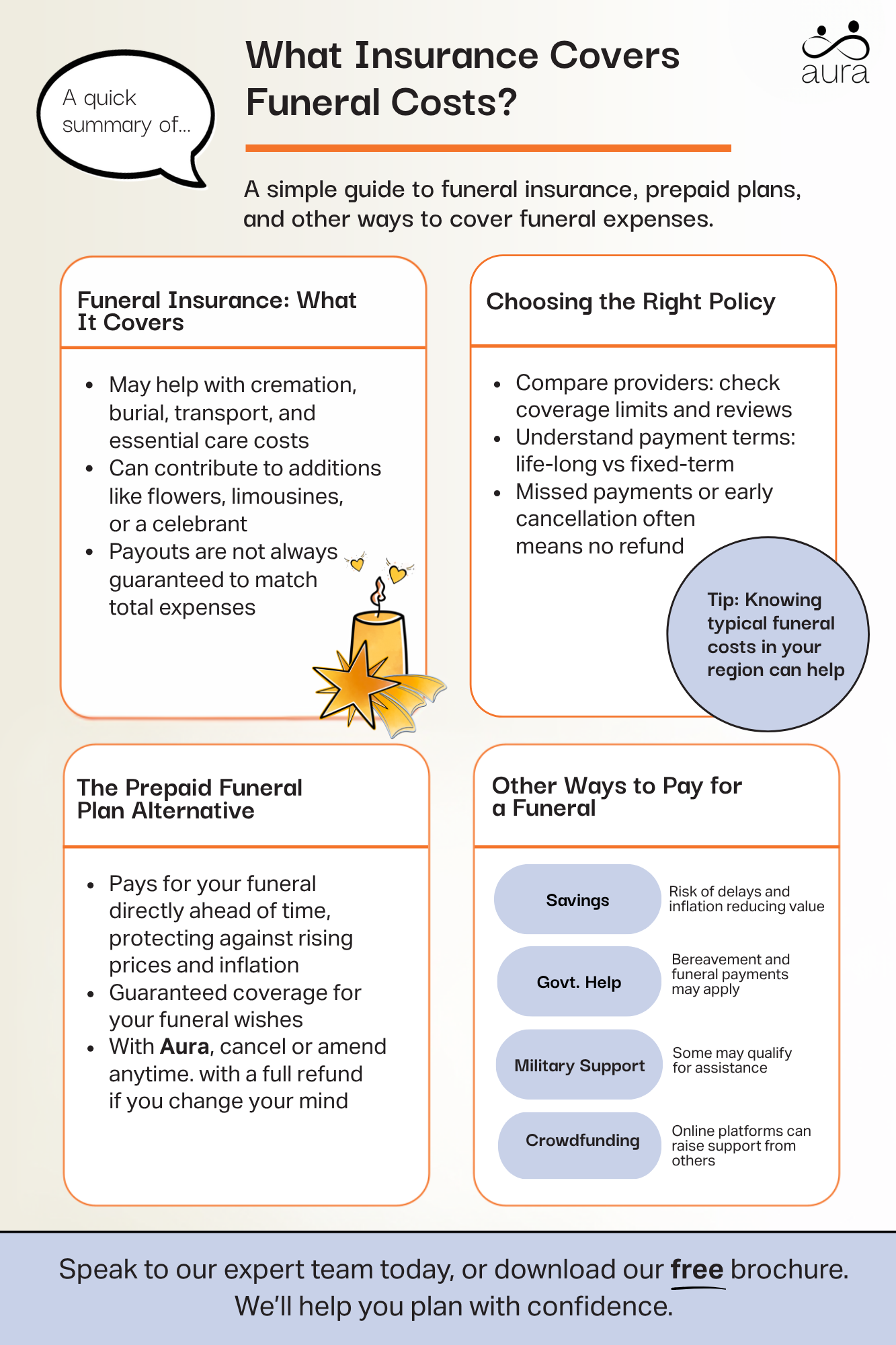
Life insurance is designed to provide monetary relief to designated beneficiaries after the policyholder passes away. However, many families do not realize that the death benefit does not always have to be paid out entirely in cash to an individual beneficiary before bills are paid. Through policy assignments and dedicated pre-need arrangements, funds can be directed straight to the service provider.
When dealing with arrangements handled by establishments like Hunt Funeral Home, families generally have two primary pathways to leverage life insurance:
- Direct Assignment of Benefits: Transferring a portion or all of an existing life insurance policy's payout directly to the funeral home to cover itemized service costs.
- Dedicated Final Expense Insurance: Purchasing a smaller, whole life insurance policy specifically sized to match anticipated funeral costs, with the funeral home or a trusted relative named as the beneficiary.
Types of Policies Used for Final Expenses
Not all life insurance policies function the same way when applied to end-of-life costs. Choosing the right structure depends on the policyholder's age, health status, and budget.
Final Expense Life Insurance (Burial Insurance)
Final expense insurance is a type of permanent whole life insurance featuring a smaller death benefit, typically ranging from $5,000 to $25,000. These policies are specifically marketed to cover medical bills remaining at the time of death and funeral expenses. They feature fixed premiums that never increase and a death benefit that remains level throughout the insured's life. Because underwriting is usually simplified—often requiring no medical exam, just a questionnaire—it is accessible for seniors or individuals with minor health conditions.
Traditional Whole and Term Life Insurance
Many individuals already possess group life insurance through their employer or individual whole/term policies purchased decades prior.
- Whole Life: Can be assigned to a funeral home via an absolute or collateral assignment. The cash value and guaranteed death benefit make it reliable for funeral planning.
- Term Life: Provides coverage for a specific period. While it can cover funeral costs if the insured passes away during the term, it is less reliable for long-term final expense planning because the policy may expire before death occurs.
How the Funeral Home Assignment Process Works
If a family intends to use an existing life insurance policy to pay for services at a funeral home, they must go through a formal assignment process. This process ensures the funeral establishment is guaranteed payment from the insurance proceeds once the claim is processed.
- Verify Policy Status
- Check active status, beneficiaries, & payout.
- Funeral Home Review
- Funeral director matches costs with policy value.
- Assignment Execution
- Policyholder/beneficiary signs assignment form.
- Claim Submission
- Funeral home submits death certificate.
- Insurance Verification
- Insurer verifies policy and processes payout.
- Balance Disbursement
- Remaining funds sent to the named beneficiary.
Steps to Execute a Policy Assignment
- Locate Policy Documents: Gather the original policy contract, schedule pages, and recent statements.
- Contact the Insurer: Verify that the policy is active, check the current death benefit amount, and confirm there are no outstanding loans against the cash value.
- Consult the Funeral Director: Discuss payment options during the arrangement conference. Inform the director that life insurance will be used.
- Complete Assignment Paperwork: The funeral home will often work with a specialized assignment company (such as expatic or specialized funding services) that verifies the policy and advances the funds, minus a small processing fee.
- Acknowledge Payout Distribution: Once the insurance company processes the claim, the funeral home receives its payment directly, and any remaining balance from the death benefit is sent to the secondary beneficiary.
Comparing Funding Methods for Funeral Expenses
To determine the most efficient way to handle final costs, families often weigh different financial vehicles against one another. The table below outlines standard options and their operational differences.
| Funding Method | Primary Purpose | Cost Predictability | Access Speed | Flexibility |
|---|---|---|---|---|
| Final Expense Insurance | Specific burial and memorial costs | High (fixed premiums) | Moderate (weeks for claim payout) | Tied to death benefit amount |
| Funeral Trust (Pre-Need) | Locking in current service prices | High (pre-funded or installment) | Immediate at time of need | Restricted to specific provider |
| Personal Savings Account | General emergency and estate funds | Variable | Immediate | High (unrestricted use) |
| Traditional Life Insurance | General family income replacement | Moderate | Moderate to Slow | High (can cover any estate debt) |
Key Considerations and Potential Pitfalls
While using life insurance to cover funeral costs is an effective strategy, several operational limitations and common mistakes require careful attention.
Waiting Periods and Graded Benefits
Some final expense policies feature a "graded" or "modified" death benefit period—often the first two years of the policy. If the insured passes away from natural causes during this window, the insurer may only refund the premiums paid plus interest, rather than the full face value. Policies with immediate full coverage typically require more stringent medical underwriting. Always review the policy contract for graded benefit clauses.
Assignment Processing Fees
When a funeral home accepts an assignment of life insurance, they frequently partner with third-party funding companies to verify the policy and disburse funds quickly. These companies charge an administrative fee, usually a small percentage of the assigned policy value. Families should ask the funeral director to clarify any third-party fees associated with insurance assignments before signing.
Beneficiary Discrepancies
Ensure that the beneficiary designations on the insurance policy align with the intended use of funds. If an ex-spouse or estranged relative is accidentally left listed as the primary beneficiary, they legally receive the payout, and they are not legally obligated to use those funds to pay for the funeral, regardless of verbal promises.
Frequently Asked Questions
Can any life insurance policy be used to pay for funeral services?
In most cases, yes. Any active individual or group life insurance policy with a verifiable death benefit can be assigned to a funeral home, provided the policy allows absolute or collateral assignments and is free from legal disputes or irrevocable beneficiary blocks.
What happens if the life insurance payout exceeds the total funeral bill?
If the policy death benefit is greater than the total cost of the services provided by the funeral home, the excess funds are not retained by the home. Once the funeral bill is paid in full via the insurance assignment, the insurance company sends the remaining balance directly to the secondary or contingent beneficiaries named on the policy.
Do funeral homes accept policies during the contestability period?
The contestability period typically spans the first two years of a life insurance policy, during which the insurer investigates the validity of the application. If a policy is within its contestability period, funeral homes or third-party funding companies may be hesitant to accept an assignment because the insurer could deny the claim if material misstatements are found on the original application.
Are pre-need funeral plans the same as life insurance?
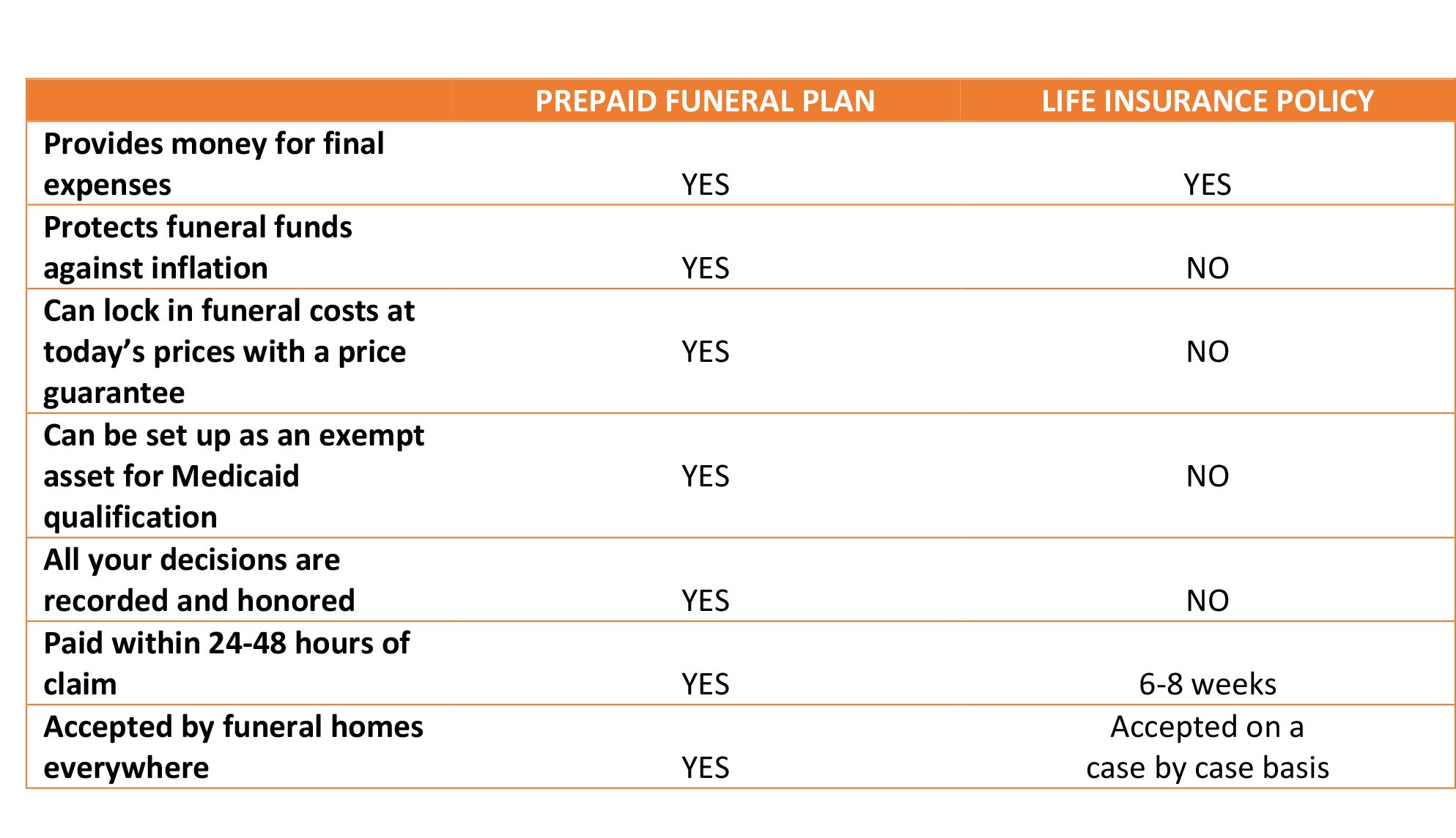
Not entirely. A pre-need plan is an arrangement made directly with a specific funeral home to select and pay for services in advance, often funded through a trust or a specialized small life insurance policy owned by the funeral home. Traditional life insurance, by contrast, is a standalone financial contract between the insured and an insurance carrier that can be used at any provider.
What documents are required to process a life insurance funeral assignment?
The funeral home or funding company typically requires the original insurance policy document (if available), a certified copy of the death certificate, a signed assignment form from the beneficiary, and a completed claim form provided by the insurance carrier.
Next Actions for Families
When preparing for end-of-life arrangements, proactive communication prevents financial strain. If you are coordinating with a provider like Hunt Funeral Home, request a detailed, itemized general price list (GPL) during your initial consultation. Concurrently, locate all existing life insurance documents and contact the issuing insurance companies to verify active status, face values, and beneficiary details. Consulting with both the funeral director and a licensed financial or insurance professional ensures that your policies are correctly aligned to honor your wishes without unexpected financial hurdles.
Image Gallery