Starbucks Protein Blended Cold Brew Explained: Nutrition, Ingredients, and Legacy
The Starbucks Protein Blended Cold Brew was a plant-based menu innovation that combined slow-steeped cold brew coffee with alternative milks, plant-based proteins, and nut butters. Launched to satisfy the demand for high-protein, dairy...
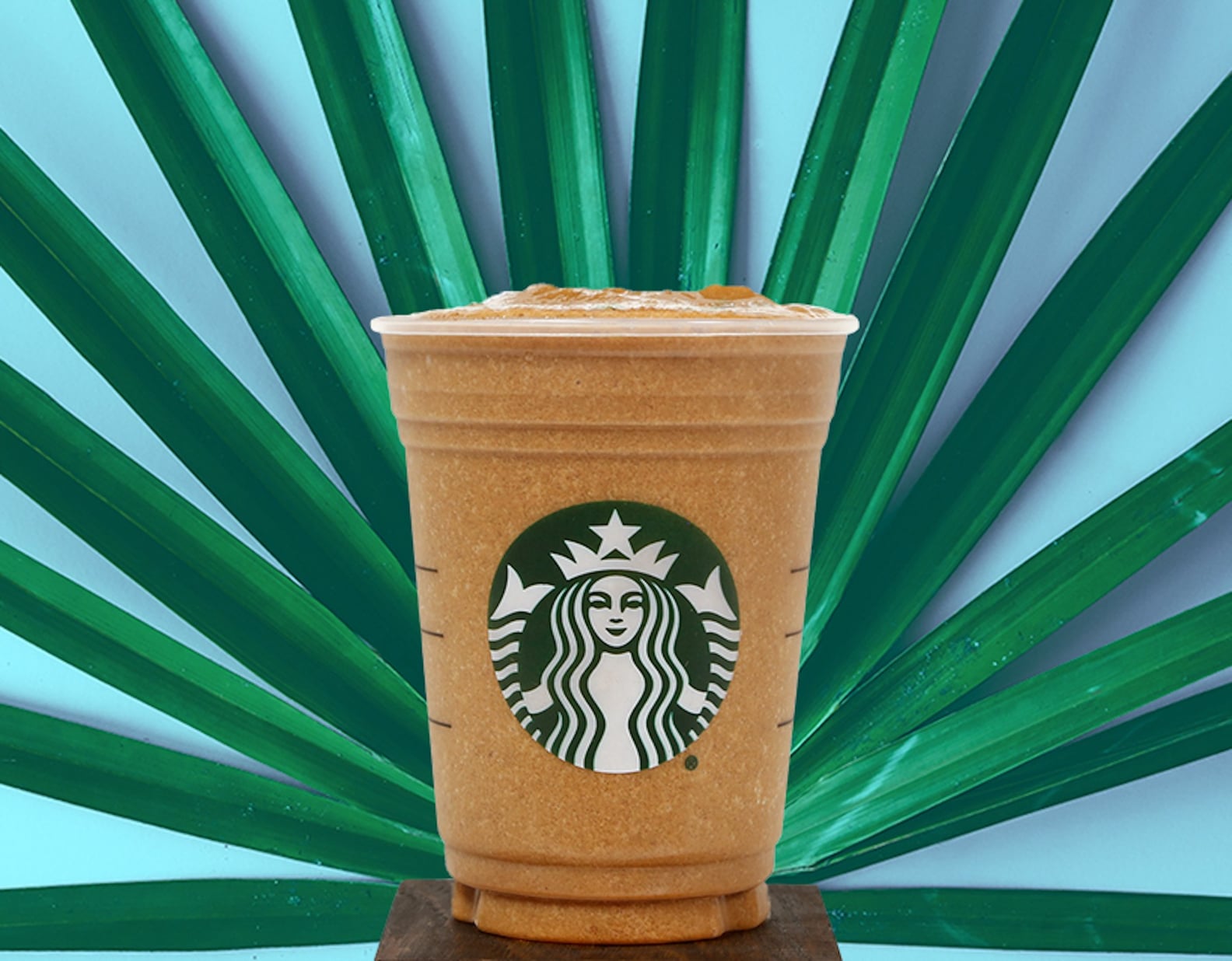
The Starbucks Protein Blended Cold Brew was a plant-based menu innovation that combined slow-steeped cold brew coffee with alternative milks, plant-based proteins, and nut butters. Launched to satisfy the demand for high-protein, dairy-free options, it offered a less sugary, functional alternative to traditional Frappuccinos by utilizing pea and brown rice proteins.
Contents
While the beverage landscape has shifted significantly by 2026, the legacy of the Protein Blended Cold Brew remains a pivotal point in the history of "functional coffee." This drink was not merely a caffeinated treat; it was an attempt to merge the worlds of fitness supplements and gourmet coffee. To understand the Starbucks Protein Blended Cold Brew, one must look at its unique ingredient profile, the technical challenges of its texture, and how it paved the way for the plant-based customizations common in stores today.
The Origins of the Protein Blended Cold Brew
Starbucks officially introduced the Protein Blended Cold Brew in the summer of 2018. At the time, the "wellness" trend was peaking, and consumers were increasingly seeking out beverages that served a dual purpose: providing a caffeine kick while contributing to daily nutritional goals. The drink was specifically designed to be vegan-friendly, moving away from the dairy-heavy profiles of most blended coffee drinks.
The development process focused on "cleaner" sweetness. Unlike the Frappuccino, which relies on a sugar-heavy base to create its smooth texture, the Protein Blended Cold Brew used a "Banana Date Fruit Blend" for sweetness and viscosity. This was a radical departure for the brand, signaling a move toward whole-food ingredients. The drink launched in two primary varieties: Almond and Cacao.
Deep Dive into the Ingredients
The complexity of these drinks lay in their multi-component builds. Each element was chosen to balance flavor with functional nutrition.
The Coffee Base
The foundation was Starbucks’ signature Cold Brew. Unlike traditional iced coffee, which is brewed hot and then cooled, cold brew is steeped in cool water for 20 hours. This process results in a smoother, naturally sweeter, and more concentrated coffee profile with lower acidity. In the Protein Blended Cold Brew, this concentrate provided the necessary "bite" to cut through the creaminess of the nut butters.
The Protein Blend
The "Protein" in the name came from a proprietary plant-based powder. Starbucks chose a blend of pea protein and brown rice protein. This is a common combination in the vegan supplement industry because pea protein is high in lysine, while rice protein is high in methionine, creating a more complete amino acid profile. Using plant protein also ensured the drink remained accessible to the growing demographic of dairy-free and vegan consumers.
Nut Butters and Alternative Milks
- Almond Version: This utilized almond milk and a dollop of almond butter. The almond butter acted as a natural emulsifier, providing healthy fats and a nutty depth that complemented the coffee.
- Cacao Version: This version was more complex, using coconut milk and cashew butter. Cashew butter is known for its high fat content and mild flavor, which, when blended, creates a texture very similar to dairy cream.
Natural Sweeteners
Rather than using flavored syrups like Vanilla or Caramel (though customers could add them), the standard recipe used a fruit-based sweetener. The blend of banana and date purees provided a thick consistency and a "low-glycemic" sweetness that appealed to the health-conscious market.
Nutritional Profile and Macro Breakdown
In 2026, as nutritional transparency remains a top priority for consumers, the data for a standard "Grande" (16 oz) Protein Blended Cold Brew reveals why it was marketed as a "balanced" option.
| Nutrient | Almond Protein Blended Cold Brew | Cacao Protein Blended Cold Brew |
|---|---|---|
| Calories | 250 | 270 |
| Total Fat | 12g | 9g |
| Total Carbohydrates | 22g | 36g |
| Sugars | 12g | 22g |
| Protein | 12g | 10g |
| Caffeine Content | Approx. 150mg | Approx. 150mg |
While the calorie count was lower than a standard Mocha Frappuccino (which can exceed 400 calories), the protein content was significant for a coffee-house beverage. However, it is important to note that the Cacao version had a higher sugar and carbohydrate count due to the inclusion of cacao powder and the specific fruit blend ratios.
Technical Texture: The "Gritty" Controversy
One cannot explain the Protein Blended Cold Brew without addressing the texture. Upon its release, customer reviews were highly polarized. Because the drink used plant-based protein powders—specifically pea protein—it had a slightly "gritty" or "chalky" mouthfeel compared to the silky-smooth consistency of a syrup-based Frappuccino.
In food science, plant proteins are notoriously difficult to hydrate. Without a high-speed industrial blender or specific emulsifying agents, the protein particles often remain suspended rather than dissolved. Starbucks addressed this by instructing baristas to blend the drink on a specific setting, but the natural characteristics of the brown rice and pea protein remained detectable. For fitness enthusiasts accustomed to protein shakes, this was standard; for the average coffee drinker, it was a significant adjustment.
The Cultural Impact and Discontinuation
The Protein Blended Cold Brew was a limited-time offering that eventually moved off the permanent menu. Its discontinuation wasn't necessarily a failure of the concept, but rather a shift in Starbucks' strategy toward "Cold Foam" and "Iced Shaken Espressos."
However, the drink proved that there was a massive market for plant-based, functional additives. It paved the way for the introduction of Oatmilk as a standard offering and the subsequent "Protein-focused" modifications that customers now perform manually. The drink essentially taught the Starbucks consumer how to use the "Add Protein" or "Substitute Nut Milk" buttons on the mobile app.
How to Recreate or "Hack" the Drink in 2026
Since the specific "Protein Blend" and "Banana Date" base are no longer standard inventory items in 2026, customers often look for ways to replicate the experience. To achieve a similar profile, you must focus on the combination of healthy fats, plant milk, and a clean sweetener.
- Start with the Base: Order a Grande Iced Cold Brew with no water (for extra strength).
- Add the Milk: Request Almond milk or Oat milk. Oat milk is generally preferred in 2026 for its superior frothiness and creaminess, which helps mask the lack of a thickener.
- The Nut Component: While Starbucks stores may not carry jars of almond butter for blending anymore, you can ask for a splash of Hazelnut or Toffee Nut syrup to mimic the flavor profile, or bring a single-serve nut butter packet to stir in.
- The Protein: Many 2026 consumers choose to add a scoop of their own collagen or plant-based protein powder to an Iced Cold Brew.
- Blending: You can ask for the drink to be "double blended," which helps incorporate any added powders or fats, though some locations may have policies regarding blending non-standard ingredients for equipment safety.
Comparison: Protein Blended Cold Brew vs. Modern Alternatives
By 2026, the market is saturated with "Proffee" (Protein Coffee) and RTD (Ready-to-Drink) cans. How did the original Starbucks version stack up?
- Convenience: The Starbucks version was made-to-order, ensuring the coffee was fresh. Most 2026 bottled versions use shelf-stable coffee extracts which lack the nuance of 20-hour cold brew.
- Sweetener Quality: Most modern "protein coffees" use sucralose or stevia. The Starbucks Protein Blended Cold Brew was unique for using date and banana puree, providing a more natural flavor profile at the cost of higher calories.
- Customization: The ability to swap the milk or add an extra shot of espresso made the Starbucks version superior for those with specific dietary needs.
Common Mistakes When Ordering Protein Coffee
When trying to explain or recreate this drink, many people fall into common traps that ruin the nutritional or flavor profile:
- Adding Heavy Syrups: Adding four pumps of Mocha or White Chocolate to a protein drink essentially turns it back into a high-sugar dessert, negating the "wellness" aspect of the original recipe.
- Neglecting the Emulsifier: Without a fat source (like the original nut butters), protein powder in cold brew often sinks to the bottom. If you are making this at home, always use a blender or a high-powered milk frother.
- Using Hot Coffee: Protein powder, especially whey, can "clump" or "cook" when introduced to boiling water. The use of Cold Brew is essential for a smooth protein integration.
Frequently Asked Questions
Was the Starbucks Protein Blended Cold Brew keto-friendly?
No, it was not strictly keto-friendly. Although it was lower in sugar than a Frappuccino, the use of banana and date puree as a sweetener introduced a significant amount of carbohydrates (22g to 36g). For a keto version, one would have to replace the fruit blend with a sugar-free syrup and use heavy cream or a high-fat nut milk without the fruit base.
Did it contain any dairy?
As originally formulated, both the Almond and Cacao versions were 100% plant-based and dairy-free. However, as with all Starbucks drinks, there was a risk of cross-contamination with dairy milk due to the shared blending equipment used in stores.
How much caffeine was in the Protein Blended Cold Brew?
A Grande size contained approximately 150mg of caffeine. This is roughly equivalent to two shots of espresso. The caffeine comes entirely from the Cold Brew concentrate used in the blend.
Why did it taste different than a regular Iced Coffee?
The flavor difference was due to three factors: the cold-steeping process of the coffee (which is less bitter), the presence of nut butters which add a savory "earthiness," and the fruit blend which provides a different kind of sweetness compared to cane sugar syrups.
Can I still buy the Starbucks Protein Powder?
Starbucks does not sell its proprietary pea and brown rice protein blend for retail. However, you can achieve a very similar result by using any high-quality, unflavored or vanilla plant-based protein powder available at health food stores.
Recommendation for Consumers
If you are looking for the functional benefits of the original Starbucks Protein Blended Cold Brew in 2026, the best approach is to order a Cold Brew with a splash of Oat milk and one pump of sugar-free nut syrup, then supplement it with your own high-quality protein source. This allows you to control the "grittiness" and ensure the macros align with your specific dietary goals while still enjoying the premium taste of slow-steeped cold brew.
Image Gallery