The Impact of Linda Cohn’s Suspension from ESPN: A Turning Point in Sports Media
The suspension of Linda Cohn from ESPN in May 2017 followed her public comments suggesting that the network’s perceived political leanings contributed to a decline in its subscriber base. This disciplinary action highlighted a period o...
The suspension of Linda Cohn from ESPN in May 2017 followed her public comments suggesting that the network’s perceived political leanings contributed to a decline in its subscriber base. This disciplinary action highlighted a period of intense internal friction at ESPN, eventually influencing a strategic pivot toward "sports-centric" content under subsequent leadership and sparking a national dialogue about the intersection of media, politics, and corporate loyalty.
Contents
The Context of 2017: A Network in Turmoil
To understand the weight of Linda Cohn’s suspension, one must examine the climate of ESPN during the spring of 2017. The network was grappling with a massive identity crisis and significant financial pressure. Just weeks before Cohn’s suspension, ESPN executed one of the most drastic rounds of layoffs in its history, terminating the contracts of approximately 100 on-air personalities and writers. These cuts were primarily driven by the "cord-cutting" phenomenon, where millions of viewers canceled cable subscriptions, directly impacting ESPN’s lucrative carriage fees.
Amidst these layoffs, a vocal segment of the audience and several media critics argued that ESPN had become too "politicized." The network was accused of shifting its focus from objective sports reporting to social and political commentary. This "culture war" became the backdrop for Cohn’s appearance on a New York-based radio program, where her candidness would eventually lead to a temporary removal from the airwaves.
The Catalyst: The "Bernie & Sid Show" Interview
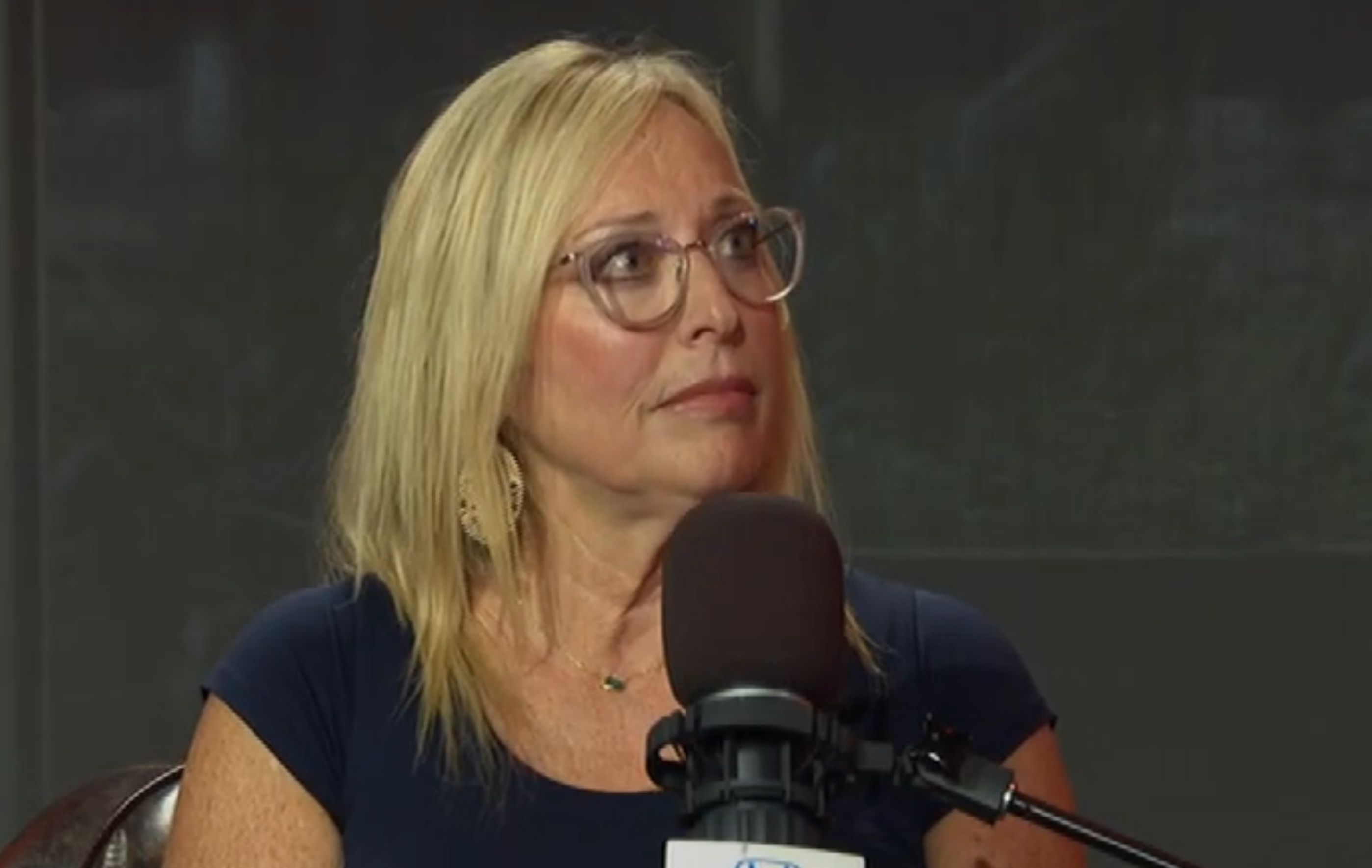
In late April 2017, Linda Cohn—a legendary anchor who had been with the network since 1992—appeared on WABC’s "The Bernie & Sid Show." During the interview, she was asked about the network’s recent struggles and the public perception of its political bias. Cohn’s response was nuanced but critical of the company’s direction. She stated that while politics were not the sole reason for the massive layoffs, they played a significant role in alienating a portion of the audience.
Specifically, Cohn remarked, "I don't think [politics] is the reason for the layoffs, but I do think that it's a big part of the reason for the loss of subscribers." She further noted that viewers "want to be distracted" and "don’t want to be lectured."
These comments were seen by ESPN management, specifically then-President John Skipper, as a violation of corporate policy. The network maintained a strict guideline that employees should not criticize the company or discuss its business strategies in outside media without authorization. For a veteran of Cohn’s stature to publicly validate the "liberal bias" narrative was viewed as a breach of internal trust during a particularly sensitive time for the brand.
The Immediate Corporate Response and Suspension
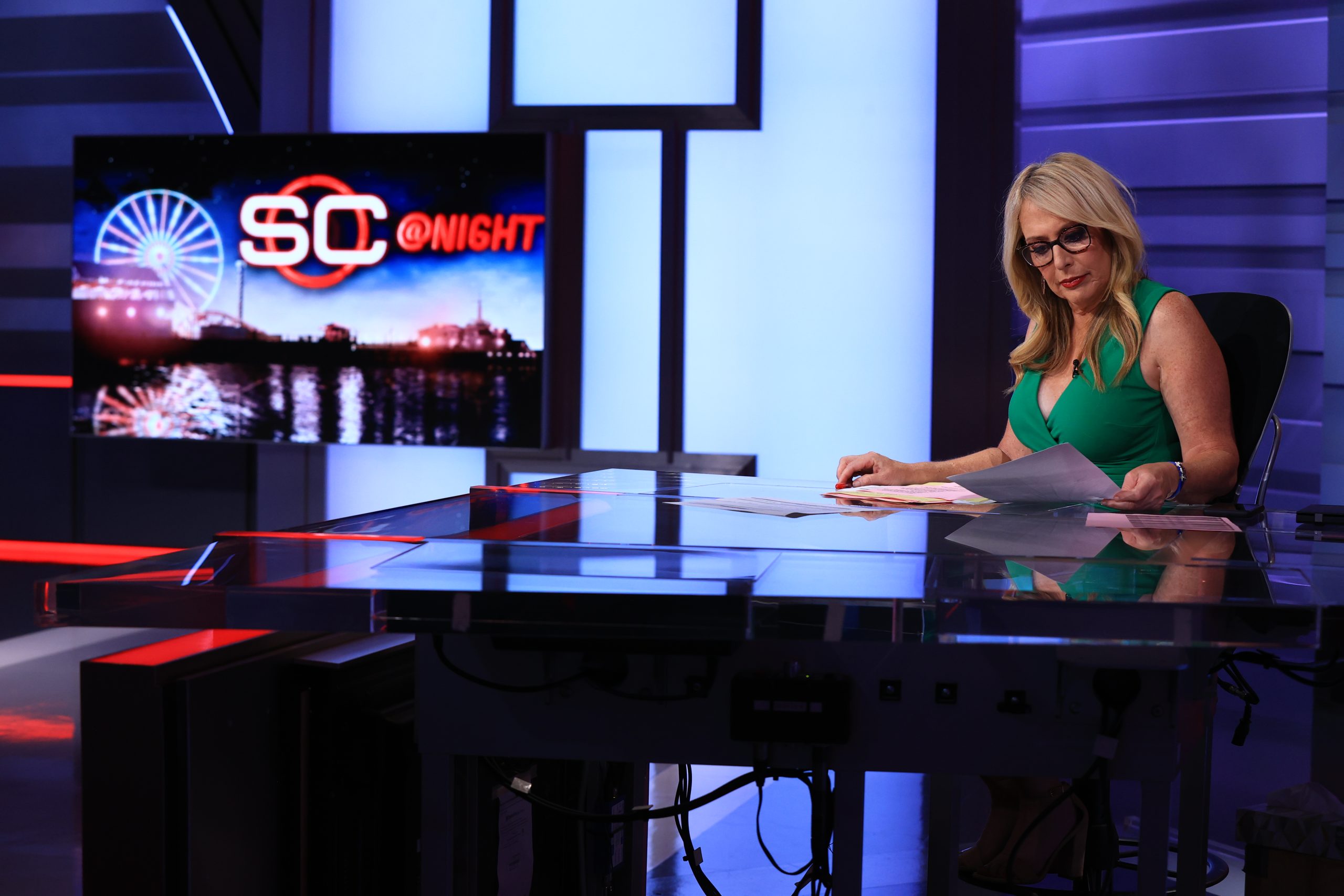
Following the interview, John Skipper reportedly contacted Cohn and informed her she would be suspended for a weekend. While the network avoided the term "suspension" in some internal communications, Cohn was pulled from her scheduled "SportsCenter" shifts.
The decision to discipline Cohn was met with immediate backlash from both viewers and internal staff. Unlike other commentators who had been disciplined for making controversial political statements (such as Curt Schilling or Jemele Hill), Cohn was being punished for an observation about the business impact of those very controversies. The optics were challenging for ESPN: they appeared to be silencing a female pioneer in the industry for expressing a pragmatic view on why the company was losing money.
The Chilling Effect on Internal Dissent
The most immediate impact of the suspension was a "chilling effect" throughout the Bristol, Connecticut headquarters. If a 25-year veteran and "SportsCenter" staple like Linda Cohn could be sidelined for a single radio interview, lower-level employees felt they had zero margin for error. This reinforced a culture of silence regarding the network’s strategic direction.
However, this silence was temporary. The Cohn incident became a rallying point for those who felt the network had lost its way. It intensified the internal divide between the "news and information" traditionalists, like Cohn, and the "commentary and personality" wing of the network that favored social advocacy.
Comparing Disciplinary Actions at ESPN (2015–2022)
To understand the impact of the Cohn suspension, it is helpful to compare it to other high-profile disciplinary actions taken by ESPN during that era. These events collectively shaped the network's reputation and its eventual policy changes.
| Personality | Year | Nature of Incident | Disciplinary Action | Long-Term Outcome |
|---|---|---|---|---|
| Curt Schilling | 2016 | Political social media posts regarding HB2 | Termination | Moved to conservative media outlets |
| Linda Cohn | 2017 | Critiquing ESPN’s political focus/business | Brief suspension (weekend off) | Remained at ESPN; transitioned to NHL focus |
| Jemele Hill | 2017 | Tweets calling Donald Trump a "white supremacist" | Two-week suspension | Left ESPN for The Atlantic/Spotify |
| Sage Steele | 2021 | Comments on vaccine mandates/Obama on podcast | Suspension/Legal dispute | Left ESPN in 2023 after settling lawsuit |
The Strategic Pivot: The "Pitaro Era"
The cumulative impact of the Cohn and Hill controversies in 2017 led to a major leadership change. In early 2018, Jimmy Pitaro replaced John Skipper as President of ESPN. Pitaro’s primary mandate from Disney leadership was to "fix" the relationship between ESPN and the NFL, and to move the network back toward a sports-first approach.
The Cohn suspension is often cited by media analysts as the moment the "pendulum" began to swing back. It signaled to the Disney board that the internal culture at ESPN was becoming a liability to the bottom line. Under Pitaro, the network introduced more stringent social media guidelines and explicitly told talent to avoid "purely political" topics unless they intersected directly with a sports story.
From our vantage point in 2026, this shift is seen as the beginning of the "Modern Pragmatism" era of sports broadcasting. ESPN realized that in a fragmented media landscape, maintaining a broad, non-partisan appeal was essential for retaining its remaining cable subscribers and successfully launching its direct-to-consumer streaming services.
Impact on Linda Cohn’s Career and Legacy
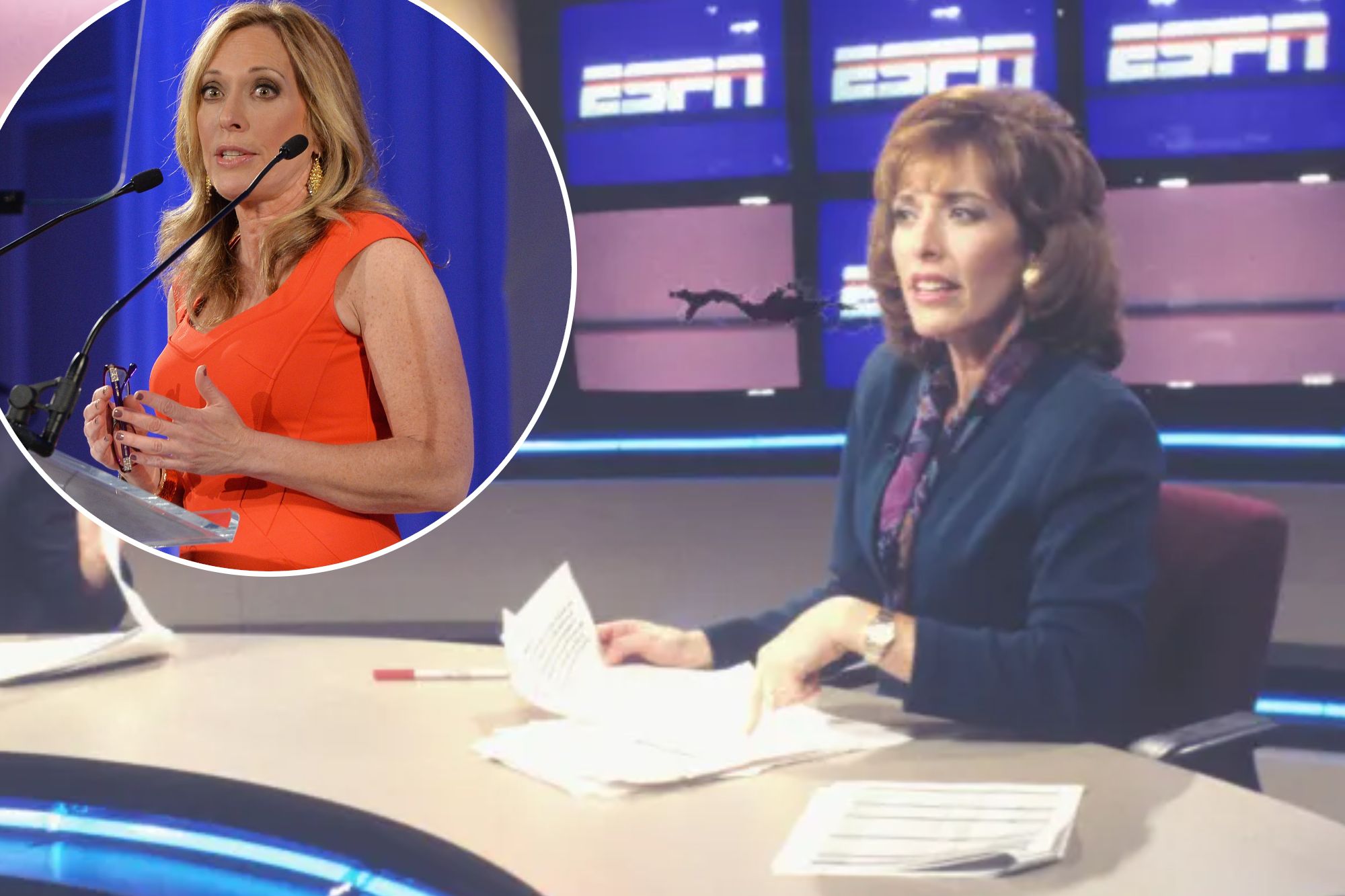
Despite the suspension, Linda Cohn’s career did not falter; rather, it evolved. She remains one of the most respected figures in sports journalism. Following the 2017 incident, she moved her primary focus toward the NHL, becoming a lead host for "In the Crease" and a mainstay on NHL Network.
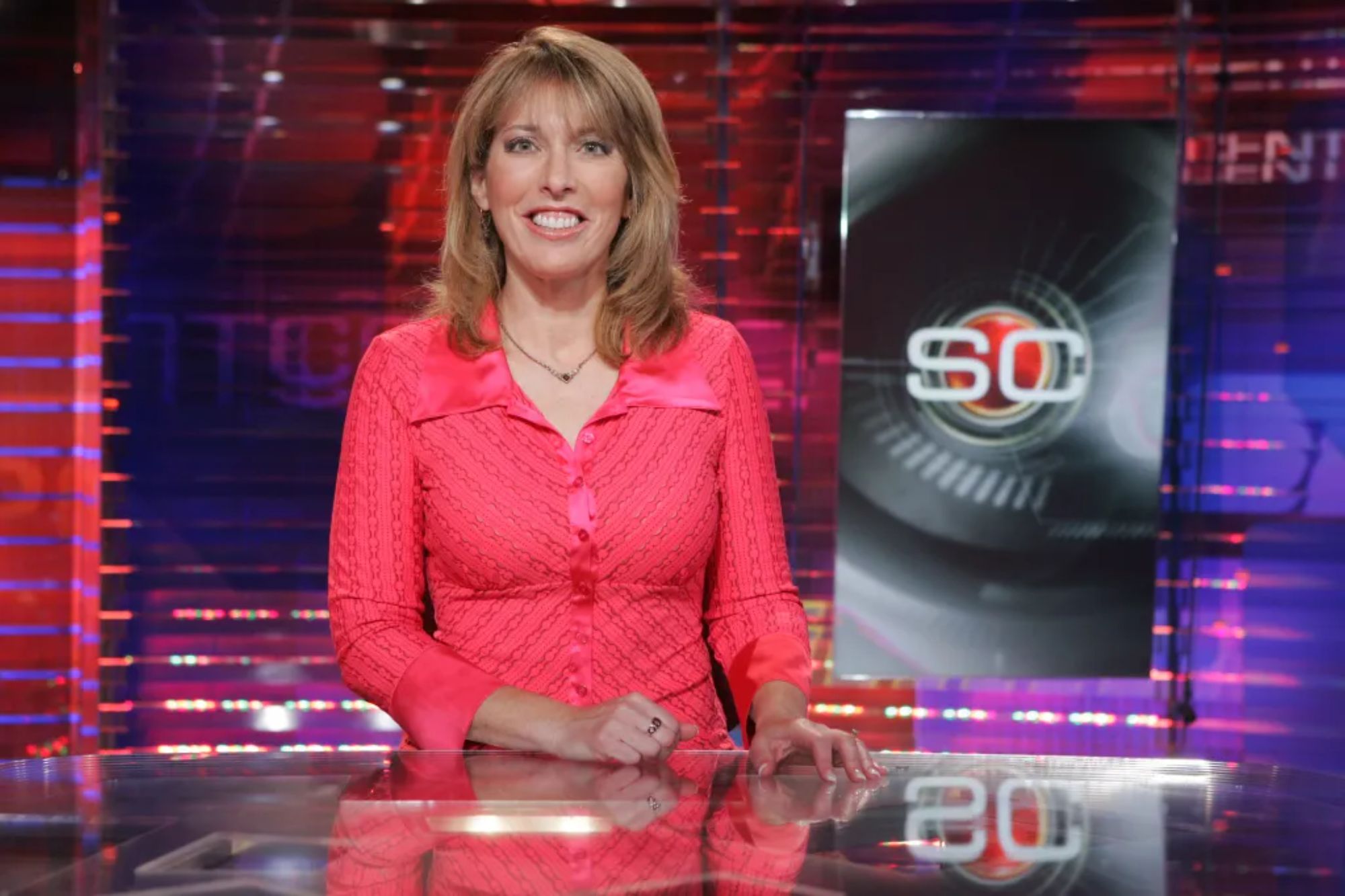
The suspension actually bolstered her reputation among a segment of the audience that felt she had "spoken truth to power." In 2026, as she continues to break records for the most "SportsCenter" episodes hosted (surpassing the 5,000-episode mark years ago), the 2017 suspension is viewed as a minor blemish on an otherwise Hall of Fame career. It served to humanize a broadcast icon and proved that even within massive corporate structures, individual veterans still held the power to spark necessary, if uncomfortable, conversations about the state of the industry.
The Long-term Impact on Sports Media Ethics
The Linda Cohn suspension remains a case study in media ethics and corporate communications. It raises fundamental questions that the industry still grapples with in 2026:
- Employee vs. Brand: Where does an employee’s right to offer professional analysis end and their duty to protect the company brand begin?
- Market Awareness: To what extent should a media company’s content strategy be dictated by subscriber demographics?
- Consistency in Discipline: How does a network maintain a "neutral" stance when disciplining talent on both sides of the political spectrum?
Cohn’s suspension proved that "business criticism" can often be more sensitive to a corporation than "political criticism." While political comments alienate a segment of the audience, business criticism from an insider validates the fears of investors and shareholders. This is why Cohn’s brief weekend off-air carried so much weight—it was a strike against the corporate narrative of "all is well."
Frequently Asked Questions
Why exactly was Linda Cohn suspended from ESPN?
Linda Cohn was suspended because of comments she made on a WABC radio show in April 2017. She suggested that ESPN's perceived political bias was a contributing factor to the network's loss of subscribers. ESPN management viewed this as a violation of their policy against employees publicly criticizing the company’s business strategy or content direction.
Did Linda Cohn leave ESPN because of the suspension?
No, Linda Cohn did not leave ESPN. While the suspension was a point of tension, she remained with the network and transitioned into specialized roles, particularly as a leading voice for the network’s NHL coverage. She is celebrated as one of the longest-tenured and most prolific anchors in the company's history.
Who was the President of ESPN during the Linda Cohn suspension?
John Skipper was the President of ESPN at the time of Cohn’s suspension in 2017. He was a major proponent of the network’s expansion into more documentary-style and long-form storytelling that often touched on social issues. He resigned later in 2017, citing personal reasons, and was replaced by Jimmy Pitaro.
How did the public react to the suspension?
The reaction was largely polarized. Supporters of the "stick to sports" movement hailed Cohn as a truth-teller who was being unfairly punished for an honest business assessment. Critics of the network used the suspension as evidence that ESPN was unwilling to tolerate internal dissent regarding its editorial direction.
How long was the suspension?
The suspension was brief, commonly reported as "a weekend off" or a few days of missed shifts. Unlike the multi-week suspensions seen in other cases, Cohn’s discipline was intended more as a "warning shot" to the rest of the staff rather than a permanent removal.
Final Recommendation for Media Professionals
The Linda Cohn incident serves as a vital lesson in brand alignment and professional boundary-setting. For those working in high-profile media roles in 2026, it is essential to understand that corporate loyalty often supersedes personal analysis in the eyes of management. To navigate these waters effectively:
- Review Internal Media Policies: Before appearing on outside podcasts or radio shows, ensure you are aware of the current "disparagement clauses" in your contract.
- Differentiate Analysis from Criticism: When discussing your industry, focus on broad market trends (like cord-cutting) rather than specific internal content decisions that could be construed as an attack on your employers.
- Prioritize Long-term Value: As Linda Cohn demonstrated, maintaining professional excellence in your core duties (like her NHL coverage) allows you to move past temporary disciplinary hurdles and preserve a long-term legacy.
Image Gallery