Understanding the Two Main Types of Permanent Life Insurance
Permanent life insurance provides lifelong coverage and includes a cash value component that grows over time. The two primary types are Whole Life and Universal Life. While Whole Life offers fixed premiums and guaranteed growth, Univer...
Permanent life insurance provides lifelong coverage and includes a cash value component that grows over time. The two primary types are Whole Life and Universal Life. While Whole Life offers fixed premiums and guaranteed growth, Universal Life provides flexibility in premium payments and death benefits, often adjusting based on current interest rates.
Contents
Unlike term life insurance, which provides coverage for a specific period (such as 10, 20, or 30 years), permanent life insurance is designed to remain in force for the duration of the insured’s life, provided the premiums are paid. As we navigate the financial landscape of 2026, these policies have become increasingly sophisticated tools for estate planning, tax-advantaged savings, and wealth transfer. To choose the right policy, it is essential to understand the structural differences, risk profiles, and long-term cost implications of both Whole Life and Universal Life options.
The Core Mechanics of Permanent Life Insurance
Permanent life insurance is more than just a death benefit; it is a complex financial contract. Every permanent policy consists of two main parts: the death benefit and the cash value account. A portion of every premium payment goes toward the cost of insurance (COI) and administrative fees, while the remainder is funneled into the cash value component.
In 2026, the cash value serves as a "living benefit." Policyholders can often borrow against this value or even withdraw portions of it for major expenses like retirement or education. However, the way this cash value grows and how much control the policyholder has over the policy's structure depends entirely on whether the policy is categorized as Whole Life or Universal Life.
Whole Life Insurance: The Guaranteed Path
Whole Life insurance is the most traditional form of permanent coverage. It is characterized by its predictability and "set-it-and-forget-it" nature. When you purchase a Whole Life policy, the insurance company assumes the vast majority of the risk.
Fixed Premiums and Guaranteed Death Benefits
One of the primary hallmarks of Whole Life is the level premium. The amount you pay in 2026 will remain exactly the same for as long as you live, regardless of changes in your health or the broader economy. This predictability is a significant advantage for individuals who want a fixed expense in their long-term budget. The death benefit is also guaranteed, ensuring that your beneficiaries receive a specific amount upon your passing.
Cash Value Accumulation and Dividends
The cash value in a Whole Life policy grows at a guaranteed rate set by the insurance company. While this rate is typically lower than what one might find in the stock market, it is shielded from market volatility. Many Whole Life policies are "participating," meaning they are eligible to receive dividends from the insurance provider. While dividends are not guaranteed, they represent a share of the company’s profits and can be used to increase the death benefit, pay down premiums, or be taken as cash.
The Trade-off: Rigidity and Cost
The primary downside to Whole Life is its lack of flexibility. Because the company guarantees the benefits, the premiums are significantly higher than those of term or even some Universal Life policies. Additionally, once the policy is in force, you cannot easily change the premium amount or the death benefit without undergoing new medical underwriting or surrendering the policy.
Universal Life Insurance: The Flexible Alternative
Universal Life (UL) insurance was developed to provide more consumer control and flexibility than Whole Life. It is often described as an "unbundled" policy because it allows the policyholder to see exactly how much of their premium is going toward insurance costs versus the cash value.
Premium and Death Benefit Flexibility
The defining feature of Universal Life is the ability to adjust premium payments. If your financial situation changes in 2026—perhaps due to a career shift or an unexpected expense—you can often lower or even skip premium payments, provided there is enough cash value in the account to cover the monthly cost of insurance. Similarly, you can often increase or decrease the death benefit to match your current needs.
Interest Sensitivity and Growth
Unlike the fixed growth of Whole Life, Universal Life policies are sensitive to interest rates. The cash value grows based on current market rates or specific indexes, depending on the sub-type of the policy. In a high-interest-rate environment, the cash value can grow rapidly; however, in a low-rate environment, the policyholder may need to pay higher premiums to prevent the policy from lapsing.
Varieties of Universal Life
To understand Universal Life fully, one must recognize that it has branched into several specialized products as of 2026:
- Guaranteed Universal Life (GUL): Focuses on a permanent death benefit with little to no emphasis on cash value growth. It is often the most affordable permanent option.
- Indexed Universal Life (IUL): Ties cash value growth to a market index, like the S&P 500, offering a "floor" to prevent losses while "capping" the maximum gains.
- Variable Universal Life (VUL): Allows the policyholder to invest the cash value in sub-accounts (similar to mutual funds). This offers the highest growth potential but carries the highest risk, as the cash value can decrease if the investments perform poorly.
Side-by-Side Comparison: Whole Life vs. Universal Life
The following table summarizes the operational differences between these two permanent life insurance structures based on 2026 industry standards.
| Feature | Whole Life Insurance | Universal Life Insurance |
|---|---|---|
| Premium Payments | Fixed and guaranteed for life. | Flexible; can be adjusted by the owner. |
| Death Benefit | Fixed and guaranteed. | Adjustable; can be increased or decreased. |
| Cash Value Growth | Guaranteed minimum rate; potential for dividends. | Tied to interest rates or market indexes. |
| Risk Responsibility | Carried primarily by the insurer. | Carried primarily by the policyholder. |
| Complexity | Relatively low; straightforward structure. | High; requires ongoing monitoring. |
| Cost | Generally higher initial premiums. | Generally lower initial premiums; can rise over time. |
| Lapse Risk | Low, provided premiums are paid. | Moderate to High if cash value is insufficient. |
Tax Advantages of Permanent Policies
Both types of permanent life insurance enjoy significant tax benefits under the Internal Revenue Code (specifically Section 7702). These tax-advantaged features are a primary reason many high-net-worth individuals utilize these policies in 2026.
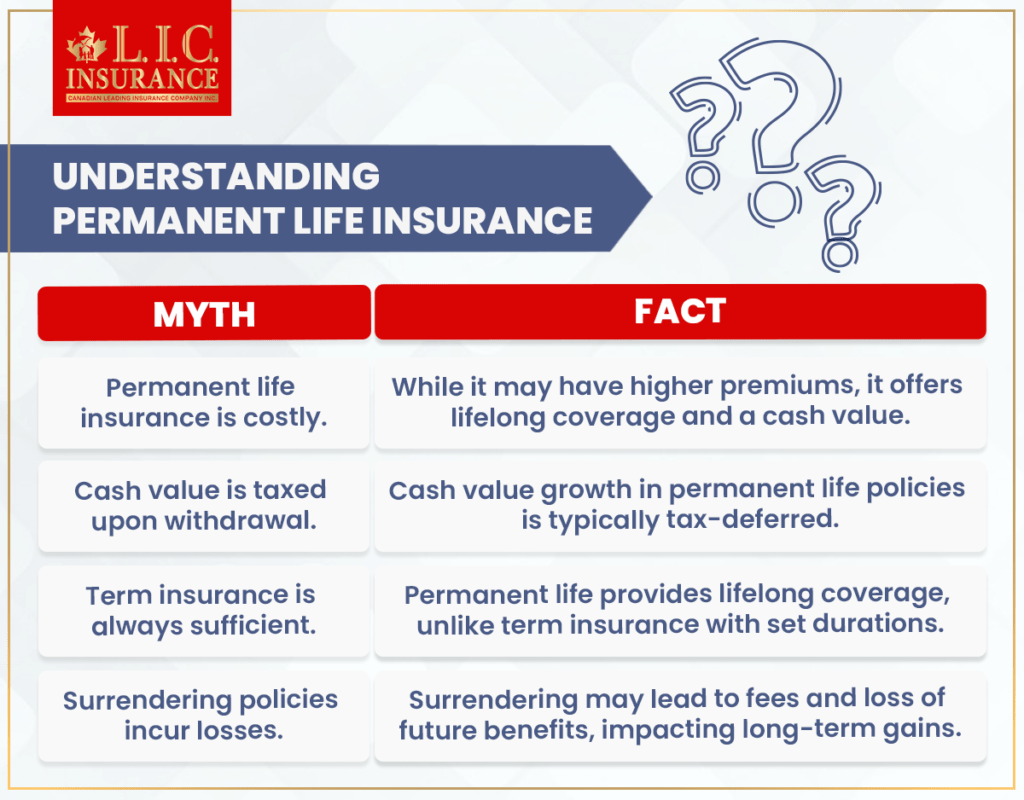
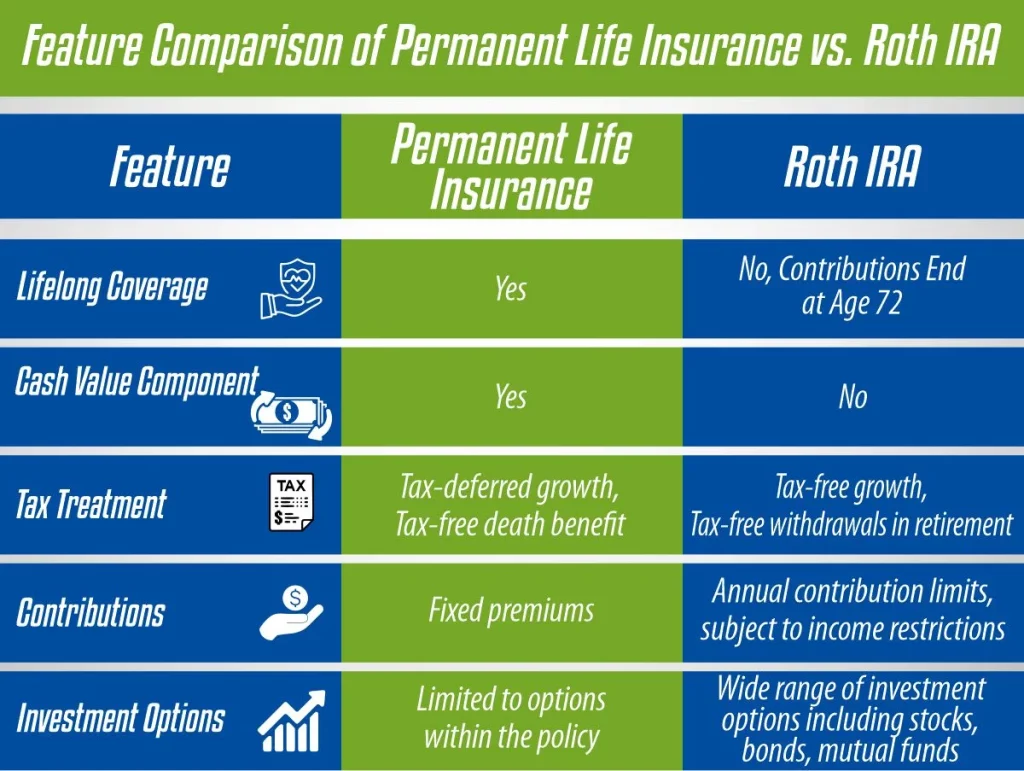
- Tax-Deferred Growth: The cash value in both Whole and Universal Life policies grows on a tax-deferred basis. This means you do not pay taxes on the interest or gains every year, allowing the value to compound more efficiently.
- Tax-Free Death Benefit: In almost all cases, the death benefit paid to beneficiaries is free from federal income tax. This provides a clean transfer of wealth.
- Tax-Free Loans: Policyholders can generally access their cash value through policy loans. Because these are structured as loans against the death benefit rather than income, they are typically not subject to income tax. However, unpaid loans will reduce the final death benefit.
Strategic Suitability: Which Type Fits Your Goals?
Choosing between Whole Life and Universal Life depends on your risk tolerance and financial objectives. In 2026, financial advisors typically categorize the suitability as follows:
Whole Life is generally best for individuals who prioritize certainty and long-term stability. It is an excellent tool for "final expense" planning, providing a guaranteed sum for funeral costs or legacy gifts. It is also favored by those who want a "forced savings" mechanism where they don't have to manage the investment aspect of the policy.
Universal Life is often better suited for people who need flexibility. For example, a business owner whose income fluctuates may prefer the ability to pay higher premiums in profitable years and lower premiums during lean years. Indexed or Variable versions are popular among those who are comfortable with some market risk in exchange for the potential of higher cash value accumulation that can supplement retirement income.
Common Pitfalls and Considerations
While permanent life insurance offers robust benefits, it is not without risks. One of the most common mistakes is treating a Universal Life policy as a "buy and forget" product. Because the cost of insurance (COI) within a Universal Life policy typically increases as the insured person ages, the cash value must perform well enough to cover those rising costs. If interest rates remain low for an extended period, a UL policy could become underfunded, requiring the owner to inject significant capital to keep the coverage active.
Conversely, the main pitfall of Whole Life is the "opportunity cost." Because the premiums are high and the growth is conservative, a policyholder might find that they could have achieved better returns by purchasing a cheaper term policy and investing the difference in the stock market. This is why permanent insurance is usually recommended only after other retirement accounts (like 401ks or IRAs) are fully utilized.
Frequently Asked Questions
Can I convert a Whole Life policy into a Universal Life policy?
Generally, you cannot directly "convert" the structure of the policy itself. However, you may be able to use a 1035 Exchange. This is a provision in the tax code that allows you to transfer the cash value from one life insurance policy to a new one (e.g., from Whole to Universal) without triggering a taxable event. This requires opening a new policy and undergoing a transfer process.
What happens to the cash value when I die?
In most standard Whole Life policies, the insurance company keeps the cash value, and your beneficiaries receive only the face amount (the death benefit). However, some Universal Life policies offer an "Option B" or "Increasing" death benefit, where the beneficiaries receive both the face amount and the accumulated cash value. These options usually come with higher monthly insurance costs.
Is permanent life insurance worth it in 2026?
Permanent life insurance is "worth it" if you have a lifelong need for coverage, such as providing for a special-needs dependent or covering potential estate taxes. If your only need is to replace your income during your working years until your mortgage is paid off, a term life policy is almost always more cost-effective.
Can I stop paying premiums once the cash value is high enough?
Yes, this is known as a "reduced paid-up" policy in Whole Life or "using cash to pay premiums" in Universal Life. In both cases, if the cash value is sufficient, it can cover the ongoing costs of the policy. However, this will slow or stop the growth of your cash value and could potentially lead to a policy lapse if not monitored correctly.
Which type of policy is easier to understand?
Whole Life is significantly simpler. Because the premiums, death benefit, and growth rates are fixed, there are fewer moving parts. Universal Life requires a deeper understanding of interest rates, cost of insurance charges, and the impact of market fluctuations on the policy's longevity.
Final Recommendation
When deciding between the two types of permanent life insurance, your decision should hinge on your desire for guarantees versus flexibility. If you want a policy that is guaranteed to be there when you die with no surprises regarding costs, Whole Life Insurance is the superior choice. If you want the ability to adjust your payments as your life changes and you are willing to monitor the policy's performance over the decades, Universal Life Insurance offers the versatility you need. Regardless of your choice, consult with a qualified financial professional to run "policy illustrations" that project how the policy will perform under different economic scenarios through 2026 and beyond.
Image Gallery