How Scanning Credit Cards Impacts Everyday Purchases
Scanning credit cards—whether through contactless Near Field Communication (NFC), mobile wallet integration, or optical camera scanning—streamlines the checkout process, significantly enhances transaction security through tokenization,...
Scanning credit cards—whether through contactless Near Field Communication (NFC), mobile wallet integration, or optical camera scanning—streamlines the checkout process, significantly enhances transaction security through tokenization, and integrates purchases into real-time digital budgeting systems. By 2026, this technology has moved beyond a convenience to a fundamental standard, reducing physical card wear while shifting consumer spending psychology toward frictionless, high-velocity commerce.
Contents
Understanding the Mechanics of "Scanning" in 2026
To understand how scanning credit cards impacts daily life, we must first define the different technologies often grouped under the term "scanning." While the traditional "swipe" is largely a relic of the past, the modern consumer interacts with three primary scanning modalities:
- NFC (Contactless) Scanning: This involves "tapping" a card or device near a Point of Sale (POS) terminal. The terminal "scans" the card’s radio frequency identification (RFID) chip to exchange encrypted data.
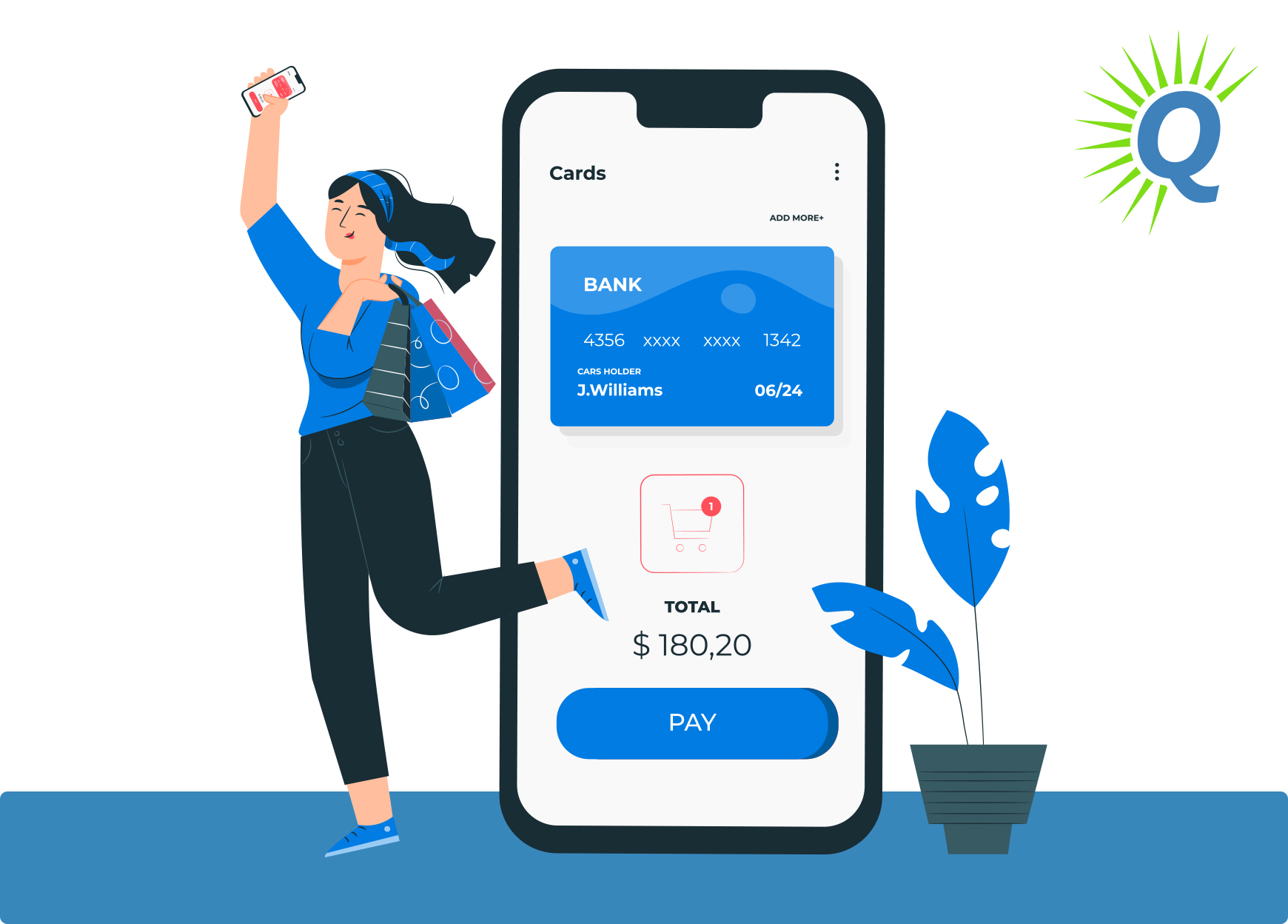
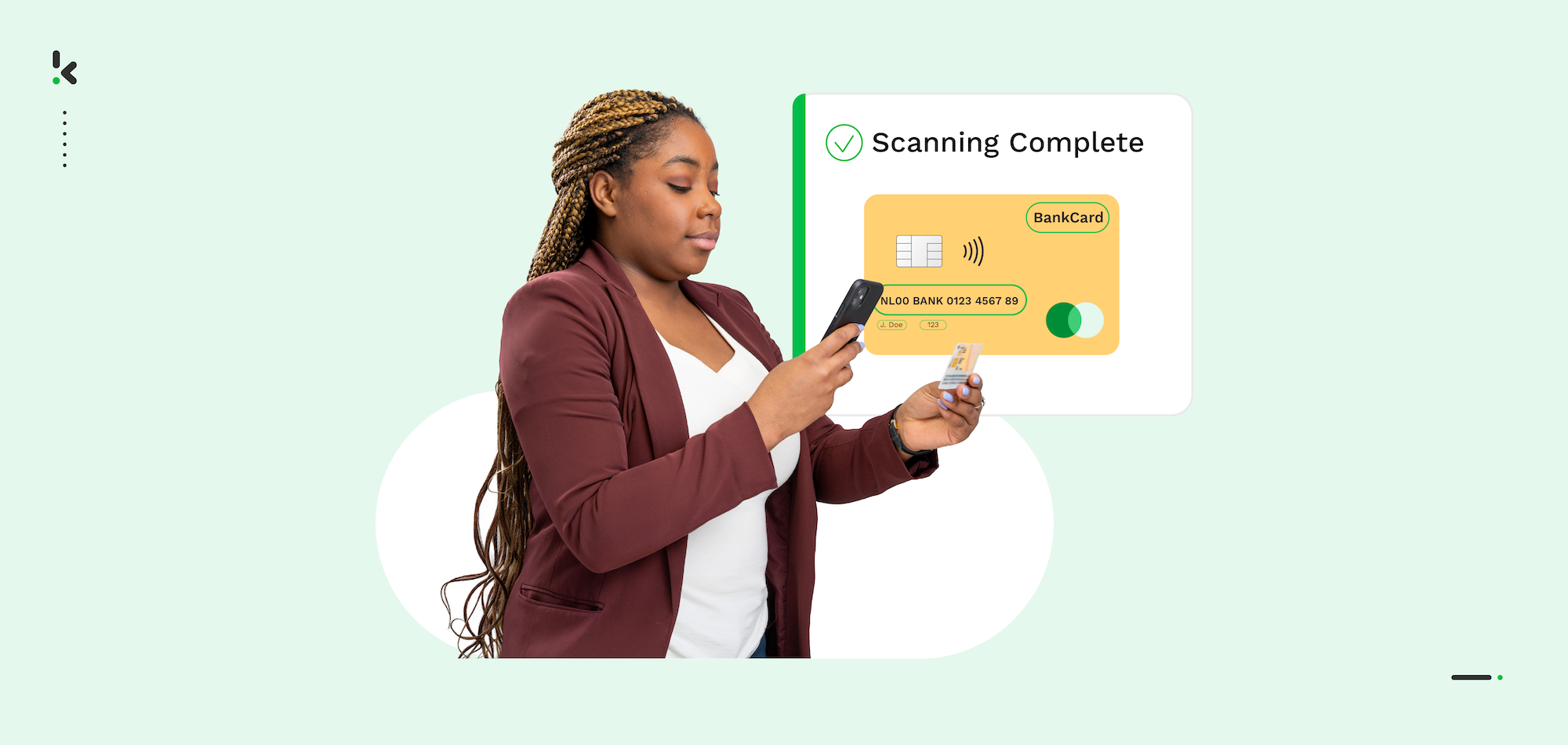
- Mobile Wallet Optical Scanning: This occurs when a user utilizes a smartphone camera to "scan" a physical card to digitize it into an encrypted wallet like Apple Pay or Google Pay.
- QR Code Scanning: Popular in both peer-to-peer and merchant environments, this involves the merchant scanning a user’s generated QR code or the user scanning a merchant’s static code to initiate a push-payment.
As of 2026, the transition to a "scan-first" economy is nearly complete. The impact of these technologies is not merely technical; it influences how we perceive value, how we protect our identity, and how businesses manage the flow of customers.
The Security Impact: Tokenization and Fraud Prevention
The most profound impact of scanning credit cards on everyday purchases is the dramatic reduction in successful card-present fraud. When you scan a card via an NFC terminal or a mobile wallet, you are rarely sharing your actual 16-digit Primary Account Number (PAN).
How Tokenization Works
Instead of transmitting the actual card data, scanning utilizes tokenization. The system replaces sensitive card information with a unique digital identifier—a "token." This token is only valid for that specific merchant or that specific transaction. If a bad actor intercepts the data during a scan, the information is useless because the token cannot be "replayed" for another purchase.
Biometric Integration
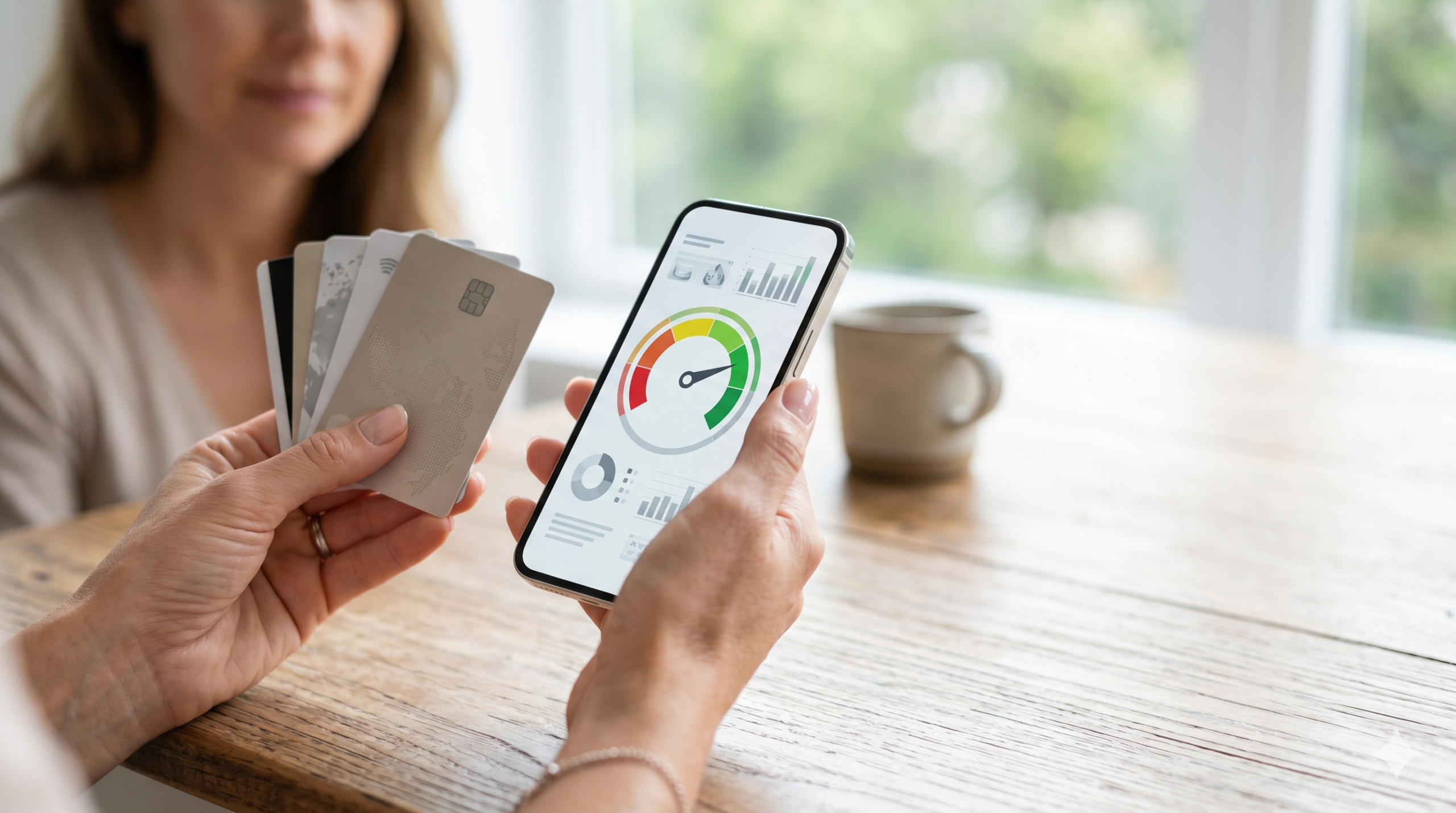
Scanning a credit card via a mobile device adds a secondary layer of security: biometric authentication. Unlike a physical card that can be used by anyone if stolen, a scanned card residing in a mobile wallet requires a face scan, fingerprint, or passcode. This has virtually eliminated the "lost card" fraud that plagued previous decades. According to the PCI Security Standards Council, these multi-layered approaches have reduced counterfeit fraud by over 75% in regions where scanning is the primary payment method.
Speed and Operational Efficiency in Daily Transactions
The time it takes to complete a purchase has a cumulative effect on the economy and the individual consumer experience. Scanning credit cards is significantly faster than inserting a chip or using cash.
- Transaction Velocity: A standard "dip" and PIN transaction can take between 10 and 15 seconds. In contrast, a contactless scan typically takes less than 2 seconds.
- Reduced Queuing: For everyday high-traffic environments like coffee shops, grocery stores, and transit hubs, these saved seconds prevent "bottlenecking." In urban centers, the ability to scan a card or phone at a turnstile has replaced the need for dedicated transit cards, making the commute seamless.
- Contactless Hygiene: While less of a technical factor, the "no-touch" nature of scanning remains a consumer preference in 2026, impacting where people choose to shop. Merchants who do not support scanning are often perceived as outdated or less secure.
The Psychological Impact on Spending Habits
While the technical benefits are clear, the impact on consumer psychology is more complex. The shift toward "frictionless" payments has altered the "pain of paying"—a psychological concept where the physical act of handing over cash triggers a negative emotional response that helps regulate spending.
The Frictionless Trap
When you scan a card, the transaction is so fast and effortless that the brain does not always register the loss of funds in the same way it does with physical currency. This can lead to:
- Increased Impulse Buys: Studies in behavioral economics suggest that consumers spend up to 20% more when using frictionless scanning methods compared to cash.
- Micro-transaction Proliferation: Because scanning is easy, we are more likely to make frequent, small purchases (subscriptions, in-app buys, or small snacks) that accumulate into significant monthly totals.
Real-time Feedback Loop
Conversely, scanning technology also provides a solution to this problem. Because scanned transactions are digitized instantly, they sync immediately with financial management apps. In 2026, most consumers receive an instant "push notification" on their wearable device or phone the moment a scan is successful, providing an immediate digital "pain of paying" that helps some users stick to their budgets more effectively than traditional monthly statements.
Impact on Merchants and Small Businesses
For the merchant, the move to scanning-based credit card processing involves a shift in both hardware and software costs.
| Feature | Traditional EMV (Chip) | NFC/Mobile Scanning | QR Code Scanning |
|---|---|---|---|
| Transaction Speed | Slow (10-15s) | Fast (<2s) | Moderate (5-8s) |
| Security Level | High (Encrypted) | Ultra-High (Tokenized) | High (Encrypted) |
| Hardware Cost | Standard Terminal | NFC-enabled Terminal | Low (Can use tablet/camera) |
| Consumer Friction | Moderate | Very Low | Low |
| Primary Use Case | Large Retailers | High-traffic Daily Retail | P2P, Small Vendors |
Infrastructure Requirements
Small businesses have had to upgrade their POS systems to support ISO 14443 standards, which govern contactless scanning. While there is an initial hardware cost, the long-term benefit for the merchant includes higher turnover rates and integrated loyalty programs. When a customer scans their card, many modern systems can automatically apply rewards or track "punch card" points without the need for a separate physical loyalty card.
Technical Limitations and Troubleshooting
Despite the ubiquity of scanning, daily purchases can still be disrupted by technical failures. Understanding these helps in managing expectations at the checkout counter.
- NFC Interference: Metal phone cases or having multiple "tap" cards in a single wallet can cause a "collision" of signals. The terminal may fail to read the card because it detects two conflicting chips.
- Hardware Dead Zones: Some older terminals have specific "sweet spots" for scanning. If the card or phone isn't placed exactly over the internal antenna, the transaction will time out.
- Battery Dependency: If a consumer relies entirely on a mobile wallet "scan," a dead phone battery becomes a financial barrier. This has led to the continued importance of "dual-parity"—carrying at least one physical contactless card alongside a mobile device.
Integration with the Internet of Things (IoT)
By 2026, scanning has moved beyond the handheld device. We see the impact of "ambient scanning" in everyday purchases through:
- Smart Appliances: Refrigerators that "scan" a pre-authorized card to order milk when the supply is low.
- Vehicle Payments: Cars that "scan" their own digital credentials at toll booths or drive-thrus, effectively acting as a giant credit card.
- Wearables: Rings and watches that use the same scanning protocols as cards to allow for "invisible" payments.
These developments have further integrated the act of purchasing into the fabric of daily life, making the "transaction" an background event rather than a deliberate action.
Summary of Considerations
When evaluating how scanning credit cards impacts your daily life, consider the balance between efficiency and discipline.
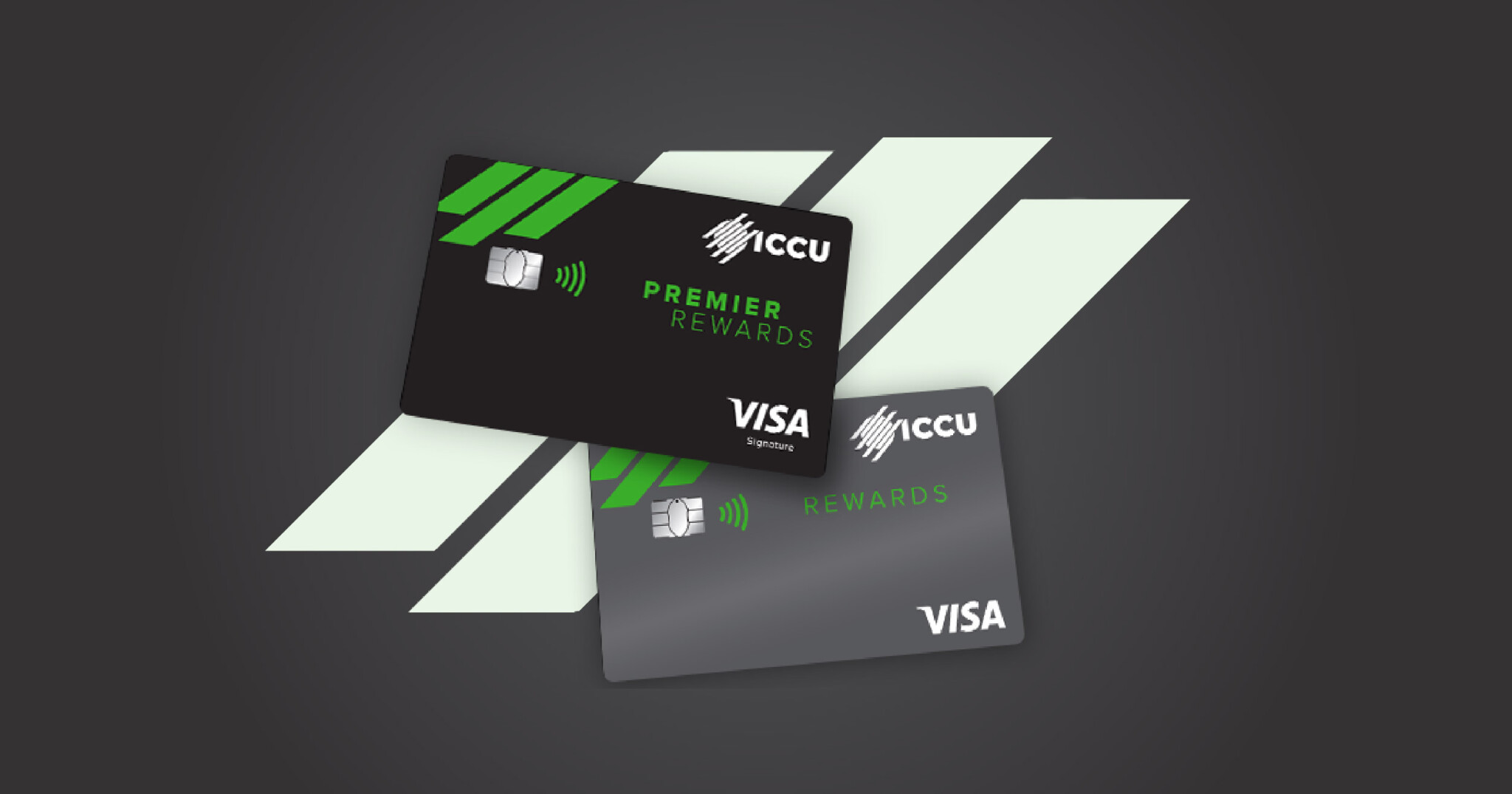
- For Security: Always prefer scanning (NFC) over swiping. If your card doesn't have the "waves" symbol for contactless, request an upgrade from your bank to ensure you are utilizing tokenization.
- For Budgeting: Enable instant notifications for your mobile wallet. This negates the "frictionless" psychology by forcing you to acknowledge every dollar spent in real-time.
- For Reliability: Keep your phone's NFC antenna area (usually near the top camera) clean and unobstructed by thick, metallic, or carbon-fiber cases which can block the scan signal.
Common Questions About Credit Card Scanning
Is it safe to scan my credit card into a public merchant's app?
Scanning your card into a reputable merchant’s app (like a major grocery chain or coffee brand) is generally safe because they use the same encrypted frameworks as mobile wallets. However, avoid storing card details in apps from unverified or small-scale developers. Always look for "Sign in with Apple" or "Google Pay" options, which allow you to pay without sharing your underlying card data with the merchant.
Can someone "scan" my card while it's in my pocket?
While technically possible via a practice known as "electronic pickpocketing," it is extremely rare and difficult in 2026. The thief would need a high-powered reader within inches of your pocket, and even then, they would only capture a one-time token that is difficult to use for meaningful fraud. For extra peace of mind, many modern wallets include RFID-blocking materials.
Why does my scan fail even if I have a balance?
A failed scan is often a hardware or communication issue rather than a lack of funds. It can be caused by a "dirty" NFC signal (interference from other cards), a temporary loss of internet connectivity at the POS terminal, or the card's security chip being slightly damaged. If a scan fails twice, try inserting the chip, as this uses a different physical contact path.
Does scanning a card cost more in fees?
For the consumer, scanning a card costs exactly the same as swiping or inserting. For the merchant, contactless transactions are often processed at the same "Card Present" rate as chip transactions. In some cases, mobile wallet scans are even more favorable for merchants because the biometric authentication reduces the likelihood of costly chargebacks.
Practical Recommendation
To maximize the benefits of scanning technology while minimizing the risks of overspending, transition your daily spending to a mobile wallet (Apple Pay, Google Pay, or Samsung Pay). This provides the highest level of security through tokenization and biometrics. Simultaneously, set a daily spending limit notification on your banking app. This creates a digital "speed bump" that ensures the convenience of scanning doesn't lead to unintended financial strain.
Image Gallery