Why the Hutchinson Fox Theater Still Captivates Detroit
The Fox Theatre in Detroit—often discussed alongside its historic sister venues like the Hutchinson Fox Theatre—remains a cornerstone of Michigan’s cultural identity because of its breathtaking "Siamese Byzantine" architecture, its wor...
The Fox Theatre in Detroit—often discussed alongside its historic sister venues like the Hutchinson Fox Theatre—remains a cornerstone of Michigan’s cultural identity because of its breathtaking "Siamese Byzantine" architecture, its world-class acoustics, and its status as a triumphant symbol of Detroit’s urban revitalization. As of 2026, it continues to serve as the premier destination for Broadway tours and global entertainment.
Contents
The Fox Theatre at 2211 Woodward Avenue is more than just a performance venue; it is a "movie palace" in the truest sense of the term. While the Fox name adorns several historic theaters across the United States, including the beautifully restored Hutchinson Fox in Kansas, the Detroit location stands as the largest and most ornate of the original Fox chain. Its ability to captivate audiences nearly a century after its doors first opened in 1928 is a testament to the visionary design of architect C. Howard Crane and the meticulous preservation efforts that saved it from the wrecking ball in the late 20th century.
The Architectural Majesty of C. Howard Crane
To understand why the theater captivates Detroit, one must first look at its design. Architect C. Howard Crane, a Detroit native, was tasked by film mogul William Fox to create a "shrine to democracy" that would allow the average citizen to feel like royalty. The result was a design style Crane dubbed "Siamese Byzantine," a dizzying blend of Indian, Persian, Chinese, and Byzantine influences that remains unparalleled in American architecture.
The exterior of the building, which takes up an entire city block, is impressive enough with its cream-colored terra cotta and intricate carvings. However, the true captivation begins the moment a guest steps into the lobby. Rising six stories high, the Grand Lobby is lined with blood-red scagliola (imitation marble) columns and features a massive chandelier that weighs over two tons. In 2026, even in an era of digital immersion and modern stadiums, the physical scale and sensory overload of the Fox’s lobby provide an analog experience that modern venues cannot replicate.
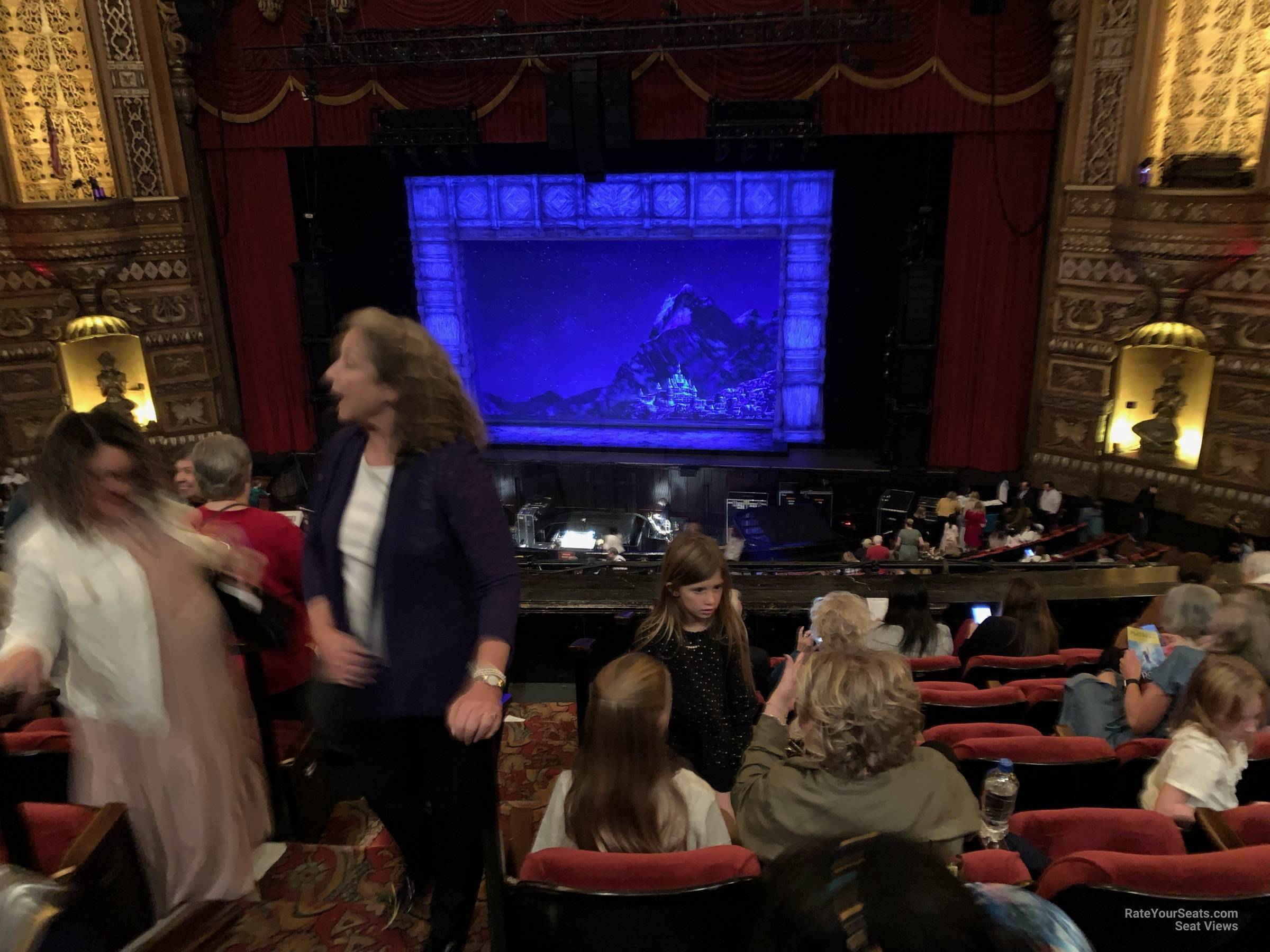
The auditorium itself is a masterclass in atmospheric design. With a seating capacity of over 5,000, it was the second-largest theater in the world when it opened. The ceiling is designed to look like an outdoor tent, complete with a massive "sun" medallion in the center. Every surface is adorned with gold leaf, hand-painted murals, and exotic motifs like winged lions and elephant heads. This level of detail ensures that no matter how many times a Detroiter visits, there is always something new to discover.
A Legacy of Preservation: The 1988 Restoration
The captivation of the Fox Theatre is also rooted in its history as a survivor. During the mid-20th century, as Detroit faced economic challenges and the rise of suburban multiplexes, many of the city’s grand movie palaces were demolished or left to rot. The Fox narrowly escaped this fate.
The theater’s modern era began in 1987 when Mike and Marian Ilitch, founders of Little Caesars Pizza, purchased the building and the surrounding office space. At a time when many businesses were fleeing the city center, the Ilitches invested $12 million—a staggering sum at the time—into a comprehensive restoration. This project didn't just fix the plumbing; it brought back the theater’s original luster.
Restorers used specialized techniques to clean the 15,000 square feet of gold leaf, and the original Wurlitzer pipe organ—one of the few in the world still in its original home—was meticulously tuned. The grand reopening in 1988 is often cited by historians as a pivotal moment in the rebirth of downtown Detroit. For residents, the Fox represents the city’s resilience. It is a tangible link between the "Paris of the West" era of the 1920s and the modern, revitalized Detroit of 2026.
The Sensory Experience: Sound, Light, and the Wurlitzer
Beyond the visual spectacle, the Fox Theatre captivates through its unique auditory environment. Despite its cavernous size, the theater was designed with incredible natural acoustics to accommodate both silent film accompaniment and live vaudeville acts.
A central part of this experience is the Mighty Wurlitzer organ. This instrument is a 4-manual, 36-rank pipe organ that can mimic an entire orchestra, from the chirping of birds to the thunder of a locomotive. Hearing the Wurlitzer played before a show is a tradition that connects modern audiences to the theater’s roots. In 2026, the theater maintains a staff of dedicated organists and technicians to ensure that this mechanical marvel remains operational, providing a soundscape that is deep, resonant, and impossible to find in a standard arena.
Furthermore, the theater’s lighting system has been modernized with LED technology that enhances the original 1920s fixtures. This allows for a dynamic range of colors that can shift the mood of the auditorium from the warm glow of a sunset to the dramatic shadows of a Broadway noir, all while highlighting the intricate gold-leaf carvings that line the walls.
The Fox Theatre in 2026: A Modern Cultural Hub
In the current landscape of 2026, the Fox Theatre has successfully transitioned from a historic landmark to a modern, high-functioning entertainment hub. It serves as the centerpiece of The District Detroit, a massive sports and entertainment development that includes Little Caesars Arena and Comerica Park.
The theater's versatility is a key reason for its ongoing popularity. On any given week, the Fox might host:
- Broadway in Detroit: Touring productions of the latest Tony Award-winning musicals.
- Global Music Acts: Top-tier performers who prefer the intimacy and prestige of the Fox over larger stadium venues.
- The Christmas Spectacular: An annual tradition that draws families from across the Midwest.
- Corporate Events: The building’s upper floors serve as the headquarters for major Detroit-based enterprises, blending historic charm with modern commerce.
The economic impact of the theater in 2026 remains significant. It draws millions of visitors to the downtown core, supporting local restaurants, hotels, and businesses. For many Detroiters, a "night at the Fox" is a rite of passage, a celebratory event that transcends the performance itself.
Comparing the "Fox" Legacy: Detroit vs. Hutchinson
The "Fox" name was a ubiquitous brand in early American cinema, and comparing the Detroit flagship to its sister theaters helps highlight why the Detroit location is so uniquely captivating. While the Hutchinson Fox Theatre in Kansas is a brilliant example of Art Deco preservation and serves as a vital cultural heart for its region, the Detroit Fox is an example of "Grand Palace" architecture on a much larger scale.
| Feature | Detroit Fox Theatre | Hutchinson Fox Theatre (KS) |
|---|---|---|
| Opened | 1928 | 1931 |
| Architect | C. Howard Crane | Boller Brothers |
| Architectural Style | Siamese Byzantine / Eclectic | Art Deco |
| Seating Capacity | 5,000+ | ~1,300 |
| Status | National Historic Landmark | National Register of Historic Places |
| Signature Element | 2,000-lb Lobby Chandelier | Neon "FOX" Marquee |
The Detroit Fox captivates because it represents the "maximalist" peak of the era. Where the Hutchinson Fox is sleek, streamlined, and elegant, the Detroit Fox is explosive, ornate, and overwhelming. Both are essential to the story of American cinema, but the Detroit Fox’s sheer scale makes it a unique wonder of the world.
Practical Information for Visitors in 2026
If you are planning to experience the Fox Theatre in 2026, there are several practical considerations to ensure a smooth visit. The theater is located in a high-traffic area, and planning ahead is essential.
- Parking and Access: The Fox Garage and the Little Caesars Arena Garage are the most convenient options. In 2026, many visitors utilize the QLINE streetcar, which has a stop directly in front of the theater on Woodward Avenue.
- Security and Entry: Like all major venues, the Fox utilizes metal detectors and bag checks. It is recommended to arrive at least 60 minutes before showtime to enjoy the lobby architecture and avoid long lines.
- Accessibility: Despite its historic status, the theater has undergone renovations to include ADA-compliant seating and elevators. However, due to the building's age, some areas of the balcony are only accessible via stairs.
- Tours: For those who want to see the theater without a show, the "Behind the Scenes" tours remain highly popular in 2026. These tours offer access to the projection booth, the dressing rooms used by legends like Elvis Presley and Aretha Franklin, and a close-up look at the Wurlitzer.
Frequently Asked Questions
Why is it called the "Fox" Theatre?
The theater was named after William Fox, the founder of Fox Film Corporation (now part of Disney/20th Century Studios). He built a chain of grand "Fox" theaters across the country in the late 1920s to showcase his films in the most opulent settings possible.
Is the Hutchinson Fox Theater related to the Detroit Fox?
Yes, both were part of the original Fox Theatre circuit. While they feature different architectural styles—Detroit being Siamese Byzantine and Hutchinson being Art Deco—they share the legacy of William Fox’s vision for high-end movie palaces and were both saved by dedicated local preservation efforts.
What is the best place to sit in the Detroit Fox?
For the best acoustics and a full view of the ceiling's "sun" medallion, the lower mezzanine (Gallery) is often considered the best "bang for your buck." However, sitting in the front rows of the main floor provides a spectacular view of the intricate stage carvings and the orchestra pit.
Can you take photos inside the theater?
In 2026, photography for personal use is generally permitted in the lobby and auditorium before the show starts. However, flash photography and professional equipment are prohibited during performances to avoid distracting the artists and other audience members.
How much did it cost to build the Fox in 1928?
The original construction cost was approximately $12 million in 1928 dollars. Adjusted for inflation in 2026, that would be equivalent to several hundred million dollars, highlighting the massive investment William Fox made into the city of Detroit.
Final Recommendation for 2026 Visitors
To truly appreciate why the Fox Theatre still captivates Detroit, don't just show up for the performance. Arrive early, stand in the center of the Grand Lobby, and look up. The theater is a rare survivor of an era where art and commerce were fused into a single, breathtaking experience. Whether you are a local or a tourist, witnessing a show at the Fox is not just entertainment—it is a participation in the living history of Detroit.
Image Gallery