Understanding Air Brakes and the Air Dryer: Maintenance, Function, and Troubleshooting
The air dryer is the primary filtration and moisture-removal component in a vehicle's air brake system, positioned between the air compressor and the reservoir tanks. It prevents water, oil vapor, and contaminants from entering the bra...
The air dryer is the primary filtration and moisture-removal component in a vehicle's air brake system, positioned between the air compressor and the reservoir tanks. It prevents water, oil vapor, and contaminants from entering the brake lines, where they could cause corrosion, freeze in cold temperatures, or degrade sensitive pneumatic valves.
Contents
For heavy-duty vehicles, the air brake system is the most critical safety feature. While the air compressor provides the pressure needed to actuate drum or disc brakes, it also introduces two significant enemies into the system: heat and moisture. As of 2026, with the widespread adoption of Advanced Driver Assistance Systems (ADAS) and Electronic Braking Systems (EBS), the demand for "instrument-quality" air has never been higher. The air dryer is no longer just a moisture trap; it is a sophisticated gatekeeper that ensures the longevity of the entire pneumatic circuit.
The Physics of Compressed Air and Moisture
To understand why an air dryer is essential, one must look at the behavior of gases under pressure. When the air compressor draws in ambient air, it also draws in humidity. As the compressor squeezes this air to the standard operating pressure (typically 100–130 psi), the air becomes significantly hotter.
Hot air can hold a large amount of water vapor. However, as this air travels from the compressor toward the service tanks, it begins to cool. Once the temperature drops, the air can no longer hold the same amount of moisture, leading to condensation. Without an air dryer, this liquid water would settle in the bottom of the air tanks and eventually migrate into the brake chambers and valves. In winter conditions, this water freezes, leading to immediate brake failure or the inability to release the parking brakes.
Core Components of a Modern Air Dryer
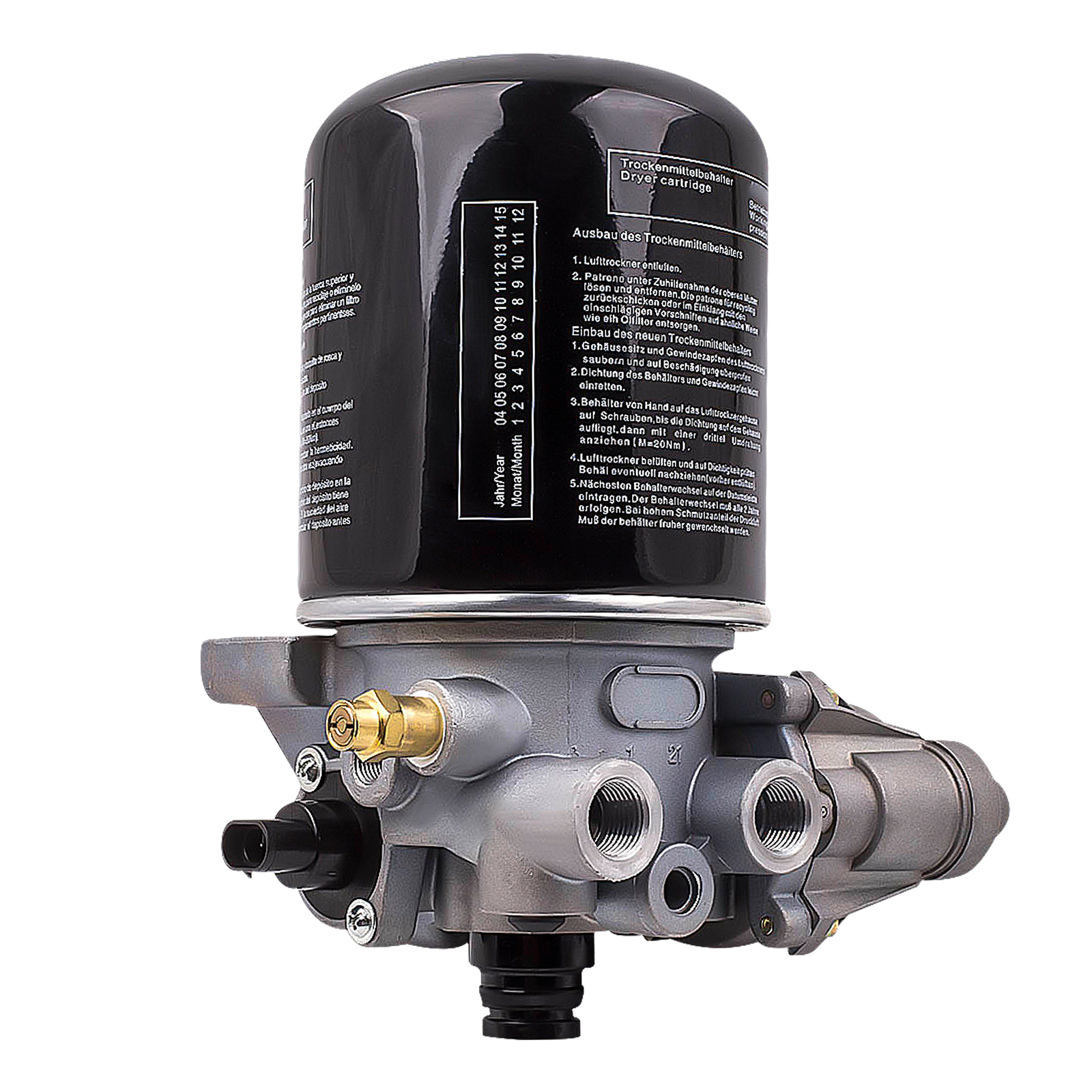
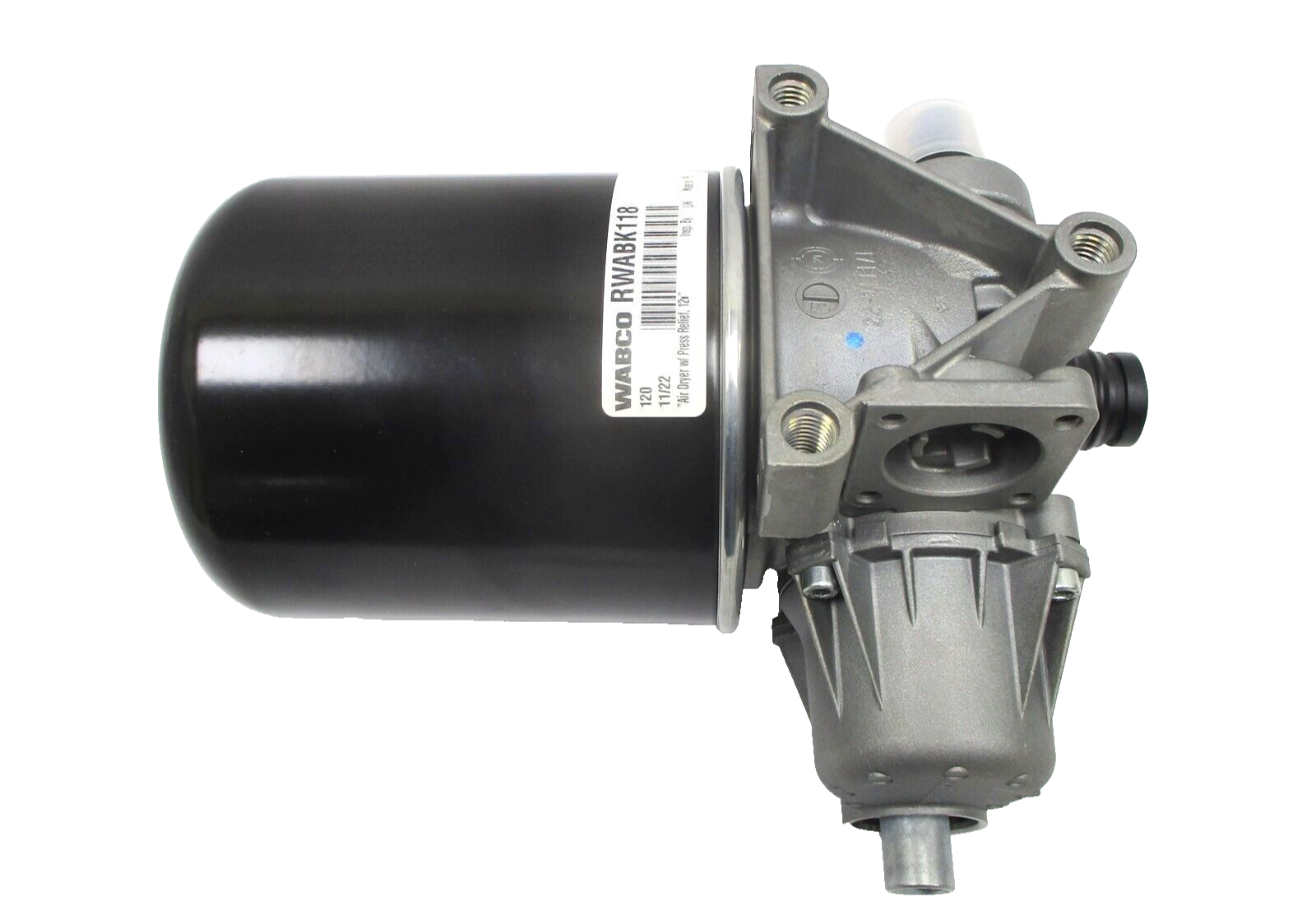
The air dryer is a multi-stage filtration unit. While designs vary between manufacturers like Bendix, Haldex, and Wabco, the fundamental components remain consistent in 2026 models.
1. The Desiccant Cartridge
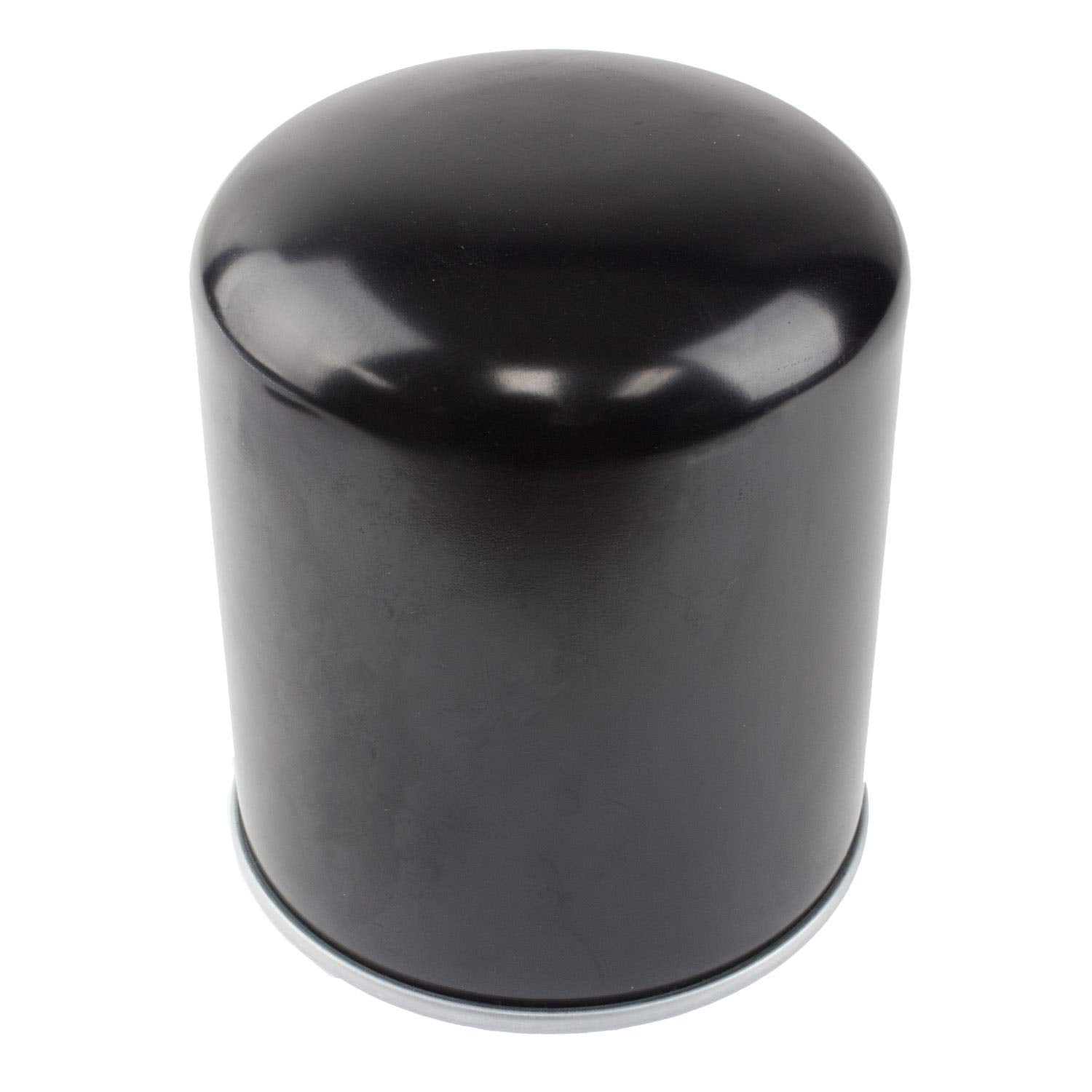
The heart of the dryer is the desiccant cartridge. It contains thousands of tiny beads, usually made of a molecular sieve or silica gel. These beads have a massive surface area and are "hygroscopic," meaning they actively attract and hold water molecules through a process called adsorption. Unlike absorption, where water is taken into the body of a material, adsorption holds the water on the surface of the beads, allowing it to be easily removed during the purge cycle.
2. The Purge Valve
Located at the bottom of the dryer assembly, the purge valve is responsible for exhausting the collected water and oil. When the governor reaches the "cut-out" pressure, it signals the air dryer to open the purge valve. This results in the characteristic "psshh" sound heard on large trucks. This sudden blast of air clears the contaminants out of the dryer housing.
3. The Oil Coalescing Filter
Modern air compressors, especially those with high mileage, often "pass" a small amount of oil into the air stream. Oil is detrimental to desiccant beads because it coats them, preventing them from adsorbing water. Most 2026-standard cartridges now include an internal oil coalescing filter that traps oil aerosols before they reach the desiccant bed.
4. The Heating Element
To prevent the purge valve from freezing in sub-zero temperatures, air dryers are equipped with a thermostatically controlled heating element. This heater ensures that the moisture collected in the base of the dryer remains in a liquid state until it can be purged.
The Air Dryer Operational Cycle
The air dryer operates in two distinct phases: the Charge Cycle and the Purge Cycle. Understanding these phases is crucial for diagnosing system leaks or compressor issues.
The Charge Cycle
During the charge cycle, the compressor is actively pumping air. The air enters the dryer, passes through the coalescing filter (removing oil), and then moves through the desiccant bed (removing water). The clean, dry air then passes through a one-way check valve and into the primary and secondary supply tanks. A small portion of this dry air is often diverted into a "purge volume" tank or a dedicated internal chamber within the dryer.
The Purge Cycle
Once the air tanks reach the maximum pressure (cut-out), the governor sends a pneumatic signal to the air dryer's purge valve. The valve opens to the atmosphere. Simultaneously, the dry air stored in the purge volume tank is sent backward through the desiccant beads. This "back-flushing" strips the moisture off the beads and carries it out through the purge valve. This process effectively "recharges" the desiccant for the next cycle.
Comparing Air Dryer Cartridge Technologies
The following table outlines the different levels of protection available for air brake systems in 2026. Selecting the correct cartridge depends on the vehicle's age, compressor condition, and climate.
| Cartridge Type | Primary Use Case | Contaminant Removal | Estimated Lifespan |
|---|---|---|---|
| Standard Desiccant | Older fleets, low-humidity regions. | Water vapor only. | 12 Months |
| Oil Coalescing (OC) | Modern trucks, high-duty cycles. | Water vapor + Oil aerosols. | 24 Months |
| Premium/High-Capacity | Multi-trailer combos, extreme cold. | Maximum water + Oil + Particulates. | 36 Months |
| Electronic/Smart | EVs and ADAS-equipped vehicles. | Precision drying with sensor feedback. | Variable (Sensor-based) |
Maintenance Standards and 2026 Guidelines
In 2026, maintenance protocols emphasize proactive replacement rather than "run-to-fail" strategies. The Federal Motor Carrier Safety Administration (FMCSA) and the Society of Automotive Engineers (SAE) have established guidelines that link air quality to the performance of automated braking features.
Daily Inspections
Drivers should perform a daily check of the air reservoirs. If a significant amount of water or an oil-water emulsion (resembling a "milky" substance) is drained from the tanks, it is a definitive sign that the air dryer cartridge has failed or the purge valve is malfunctioning. In a healthy system, only a tiny mist or no moisture at all should be present when draining tanks.
Annual Maintenance
Even if the system appears dry, the cartridge should be replaced according to the manufacturer's interval—usually every 100,000 to 200,000 miles, or annually. During this service, the purge valve should be inspected for grit and carbon buildup. Most technicians use a "rebuild kit" to replace the soft seals and the heater element during the cartridge swap.
Troubleshooting Common Air Dryer Failures
Identifying a failure early can prevent a costly "tow-in" or a dangerous brake-lockup event on the road.
- Excessive Purging (Short Cycling): If the air dryer purges every few seconds or minutes, it usually indicates a leak in the supply line or a faulty governor. It can also mean the one-way check valve in the dryer is leaking air back from the tanks into the dryer, causing the pressure to drop and triggering the cycle again.
- Water in Air Tanks: This is the most common symptom of a spent desiccant cartridge. However, if the cartridge is new, check the heater circuit. If the heater fails in winter, the purge valve may freeze shut, preventing the dryer from exhausting moisture.
- Oil in the Exhaust: A small amount of oil mist during the purge is normal for older compressors. However, if liquid oil is dripping from the purge valve, the compressor's piston rings are likely worn. This "oil carryover" will quickly destroy a new air dryer cartridge.
- Constant Air Leak from Purge Valve: If air is constantly leaking from the purge valve after the "pop," the valve seat is likely contaminated with carbon or debris, preventing it from sealing.
The Impact of Air Quality on 2026 Safety Systems
The transition to Electric Vehicles (EVs) and highly autonomous trucks has changed the role of the air dryer. Modern Electronic Braking Systems (EBS) utilize manifold-mounted solenoid valves that cycle thousands of times per hour to provide stability control and collision avoidance.
These solenoids have extremely tight tolerances. A single drop of water or a microscopic film of oil can cause a solenoid to stick, throwing an "ABS/EBS Fault" code and potentially disabling the truck's advanced safety features. Consequently, modern air dryers are now integrated with the vehicle's ECU to monitor "air processing" health in real-time, alerting the fleet manager via telematics if the drying efficiency drops below 90%.
Frequently Asked Questions
Does an air dryer remove oil from the system?
Yes, but only if it is equipped with an oil coalescing cartridge. Standard desiccant cartridges are designed to remove water vapor. If your compressor is older and "throwing oil," you must use an oil coalescing (OC) filter to protect the desiccant and the downstream brake valves.
Why does my air dryer purge so loudly?
The loud "pop" or "hiss" is the sudden release of pressurized air from the dryer's purge volume. This is necessary to blow out the collected water and contaminants. If the sound is accompanied by a long, continuous leak, the purge valve may be stuck or the governor may be malfunctioning.
Can I bypass the air dryer in an emergency?
While it is physically possible to bypass the dryer to get a vehicle off the road, it is highly discouraged. Bypassing the dryer allows raw, wet air directly into the brake system. In freezing temperatures, this can lead to a total loss of braking control within miles.
How often should I drain my air tanks if I have a working air dryer?
You should still drain your tanks daily as part of your pre-trip inspection. This is not because the tanks are expected to be full of water, but rather to verify that the air dryer is doing its job. If you find water, you know the dryer requires immediate service.
What is the difference between an air dryer and a water manifold?
A water manifold or "wet tank" is a simple reservoir where air cools and water drops out by gravity. It is an old technology. An air dryer is an active filtration system that uses chemicals (desiccant) to remove moisture at the molecular level, providing much dryer air than a simple tank ever could.
Final Recommendations for Operators
To ensure the safety and reliability of an air brake system in 2026, operators should prioritize the use of high-quality, OEM-certified desiccant cartridges. Using "will-fit" or generic cartridges often results in lower-grade desiccant that breaks down under the heat and vibration of heavy-duty use, leading to "desiccant dusting"—where beads turn to powder and clog the very valves the dryer was meant to protect.
Regularly check the electrical connections to the air dryer's heater and ensure the purge valve is clear of road debris. By maintaining the air dryer, you are not just maintaining a filter; you are protecting the integrity of the entire braking system and the safety of everyone on the road.
Image Gallery