What the Term Life Insurance Market Means for Expatriates
The term life insurance market for expatriates offers temporary financial protection specifically designed for individuals living and working outside their home countries. This specialized insurance sector addresses unique cross-border...
The term life insurance market for expatriates offers temporary financial protection specifically designed for individuals living and working outside their home countries. This specialized insurance sector addresses unique cross-border challenges, including currency fluctuations, international underwriting jurisdictions, repatriation expenses, and varying regulatory standards across different global territories.
Contents
Navigating insurance across international borders presents a distinct set of operational, financial, and legal challenges. For expatriates—whether corporate assignees, digital nomads, retirees abroad, or local-hire professionals—securing adequate financial protection requires understanding how the global term life insurance market functions. Unlike domestic policies tied tightly to a single country of residence, international term life insurance must accommodate complex lifestyles, multi-jurisdictional tax implications, and diverse underwriting criteria. Evaluating this market involves analyzing how insurers assess cross-border risk, what policy options exist, and how expatriates can secure and maintain coverage while living abroad.
Understanding the Expatriate Term Life Insurance Market
The term life insurance market encompasses specialized financial products created to cover individuals who reside outside their country of citizenship or permanent legal residency for extended periods. Traditional domestic life insurance providers frequently decline coverage to applicants who live abroad or incorporate restrictive clauses that void payouts if the insured dies in certain foreign regions. Consequently, an independent market of international insurers, cross-border brokers, and specialized underwriting syndicates has developed to bridge this gap.
This market is driven by the growing mobility of the global workforce. Insurers operating within this space evaluate risk differently than standard domestic providers. They look at the stability of the host country, the quality of local healthcare infrastructure, political risk indices, and the frequency of international travel. Understanding these underwriting standards helps expatriates avoid purchasing policies that may be contested or invalidated due to geographic discrepancies down the line.
Core Challenges in Cross-Border Insurance Underwriting
Underwriting is the cornerstone of any life insurance product, but for expatriates, the process involves additional layers of verification. Insurers must accurately assess mortality and morbidity risks when the applicant's medical history spans multiple countries.
Medical Records and International Health History
Obtaining comprehensive medical records across international borders is a primary hurdle. Insurance providers require authenticated, translated medical histories. If an applicant has accessed healthcare systems in three different countries over the past decade, gathering and verifying these records can delay underwriting significantly. Furthermore, variations in medical coding and diagnostic standards mean that underwriters must carefully evaluate foreign medical terminology to ensure accurate risk classification.
Country Risk and Geographic Exclusions
Underwriters categorize countries based on safety indices, political stability, and healthcare access.
- Tier 1 Jurisdictions: Highly stable developed nations with advanced healthcare systems (e.g., Western Europe, Singapore, Japan, Canada) typically face standard or minimal geographic surcharges.
- Tier 2 Jurisdictions: Developing nations or regions with emerging healthcare infrastructure may incur higher premiums or specific monitoring conditions.
- Tier 3 Jurisdictions: Active conflict zones, areas with high political instability, or regions lacking reliable healthcare access are often subjected to strict exclusions or outright coverage denials.
Types of Policies Available in the Expatriate Market
Expatriates generally encounter three primary categories of term life insurance policies, each tailored to different mobility profiles and duration expectations.
| Policy Type | Primary Target Audience | Key Operational Feature |
|---|---|---|
| International Expatriate Term | Long-term expats moving globally | Portable across multiple borders |
| Domestic Home-Country Term | Expats with permanent ties at home | Tied to home-country residence |
| Local In-Country Policies | Expatriates settled long-term | Issued in local currency/language |
International Expatriate Term Life Policies
Issued by specialized global insurers or international brokers, these policies are explicitly built for mobility. If an expatriate relocates from the United Kingdom to the United Arab Emirates, and subsequently to Australia, the policy remains active and valid without requiring a new underwriting process, provided the insurer is notified of permanent address changes. These policies are typically denominated in major international currencies such as USD, EUR, or GBP, protecting policyholders from local currency devaluation.
Domestic Home-Country Term Life Policies
Some expatriates maintain term life insurance policies initiated in their home country before relocation. While this offers the comfort of familiar legal frameworks and consumer protections, it comes with a major caveat: duty of disclosure. Many domestic insurers require policyholders to notify them immediately upon relocating abroad. Failing to disclose an international move can lead to denied claims or rescinded policies. Additionally, paying premiums from a foreign bank account can sometimes introduce logistical or regulatory complications.
Local In-Country Policies
Purchasing a policy directly within the host country is another route, often utilized by long-term expatriates or those with local residency status. While these policies integrate smoothly with local financial systems, they present distinct drawbacks. Upon moving to a subsequent country, the policy may become difficult to service, claims processing must adhere to local statutory languages, and repatriation of death benefits across international borders can face heavy bureaucratic delays and foreign exchange controls.
Key Factors to Evaluate Before Purchasing
Selecting the right term life insurance policy as an expatriate requires balancing financial goals, regulatory compliance, and lifestyle realities.
Currency Denomination and Inflation Protection
Currency risk is a critical consideration for cross-border families. If a policy is denominated in a volatile local currency, a significant depreciation against the home currency could render the death benefit insufficient to support surviving dependents back home. Choosing hard currencies (USD, EUR, GBP) safeguards the financial value of the policy against localized economic instability.
Repatriation of Remains and Additional Riders
In the unfortunate event of a policyholder's death abroad, the cost of repatriating mortal remains to the home country can run into tens of thousands of dollars. Comprehensive expatriate term life policies frequently include or offer riders for emergency repatriation, alongside optional accelerated death benefits for terminal illness diagnoses that allow access to funds while abroad.
Tax Implications and Estate Planning
Life insurance payouts are generally treated as tax-free in many jurisdictions, but cross-border situations introduce complexity. If the policyholder, the beneficiary, and the issuing insurer reside in three different tax jurisdictions, estate taxes, gift taxes, or cross-border inheritance rules may apply. Consulting an international tax advisor ensures that the payout structure aligns with cross-border estate planning strategies.
Common Mistakes Made by Expatriates
Navigating foreign financial markets frequently leads to preventable errors that compromise financial security.
- Failing to Disclose Foreign Travel and Residence: Assuming that short-term or recurring moves do not need to be reported to the insurer can result in policy voidance during the claims stage.
- Ignoring Local Regulatory Protections: Buying from unregulated offshore entities or unlicensed brokers leaves policyholders without recourse through national ombudsmen or insurance guarantee schemes.
- Overlooking Currency Mismatches: Purchasing coverage in a host-country currency that does not match the long-term expenditure needs of beneficiaries living elsewhere.
- Neglecting Policy Continuity Rules: Failing to verify whether an international policy allows conversion to whole life or renewal without proof of insurability upon reaching older age brackets.
Frequently Asked Questions
Can I buy a term life insurance policy after I have already moved abroad?
Yes, specialized international brokers and global insurers offer products specifically designed for individuals who are already living outside their home countries. However, options may be more limited compared to purchasing while still in your home country, and underwriting will require comprehensive verification of your current foreign medical history.
What happens to my policy if I move to another country during the term?
If you hold an international expatriate term life policy, your coverage typically remains valid across multiple global relocations, provided you update the insurer on your new residency status. If you hold a domestic home-country policy, moving abroad without prior notification can breach the terms of the contract and jeopardize the payout.
Are suicide or war risk exclusions standard in international policies?
Most international term life insurance policies include a standard suicide exclusion clause (typically active during the first 12 to 24 months of the policy). War and terrorism exclusions vary widely among providers; some insurers exclude high-risk regions entirely, while others offer riders or coverage at higher premium rates for individuals residing in volatile areas.
How are insurance claims handled when an expatriate passes away abroad?
Claims require submission of official documentation, including a locally issued death certificate, a coroner's report or medical certification of cause of death, and proof of identity for the beneficiaries. Because documents originate outside the insurer's home country, they typically require formal translation and consular legalization or apostille verification before the payout is processed.
Can beneficiaries receive payouts in a different currency than the policy currency?
This depends entirely on the issuing insurance company's administrative capabilities. Many international insurers allow payouts in multiple major global currencies, while others disburse funds strictly in the currency specified in the policy contract, leaving currency conversion up to the receiving banking institution.
Practical Next Actions for Expatriates
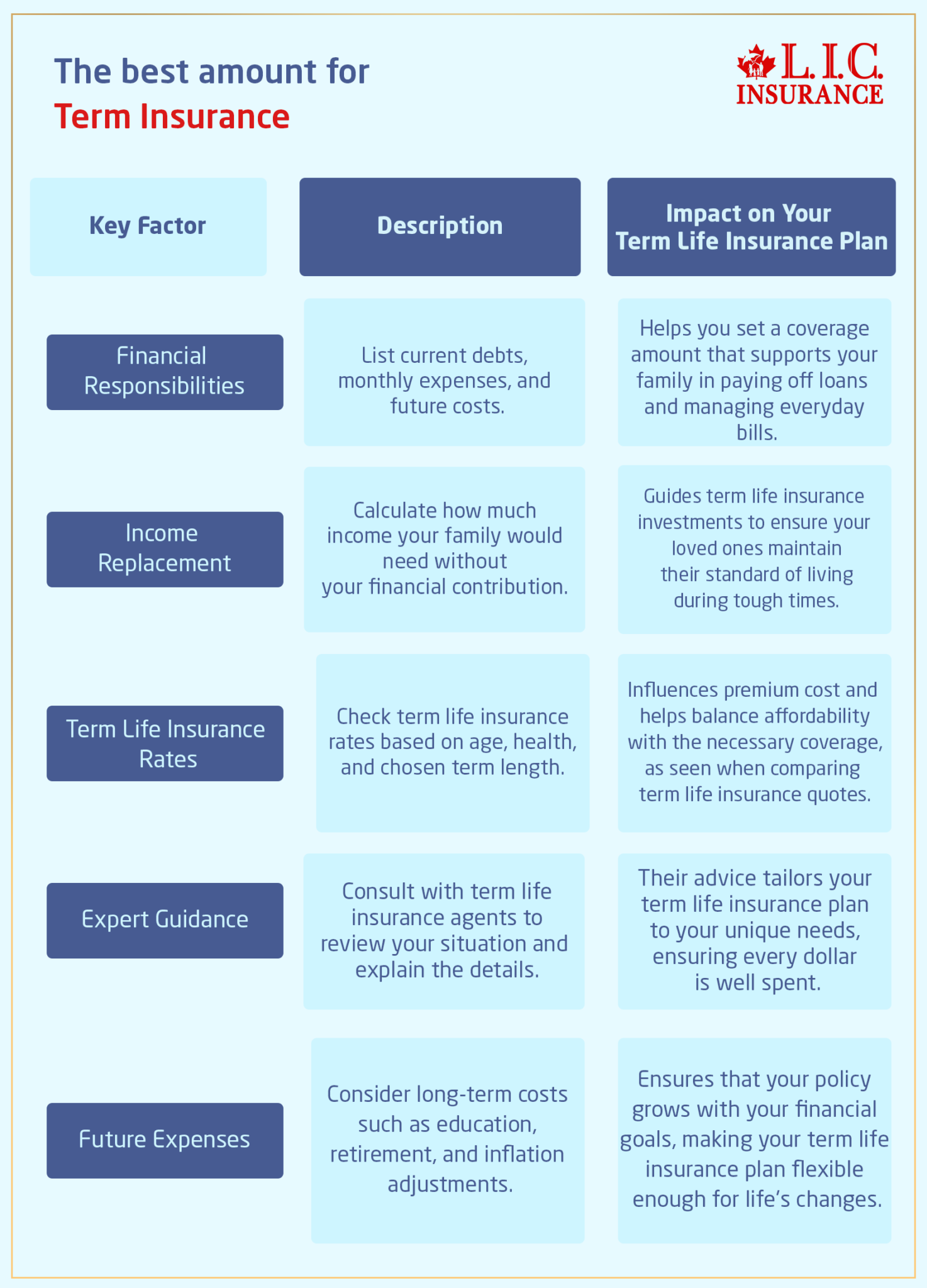
Securing financial protection while living internationally requires a methodical, step-by-step approach. Begin by auditing your current financial liabilities, including outstanding mortgages, children's education costs, and ongoing living expenses for your dependents. Next, review any existing domestic policies to check their geographic validity clauses.
Consult with an independent, cross-border financial advisor or specialized insurance broker who has access to multiple international carriers rather than a single domestic agent. Compare quotes across hard-currency denominations, scrutinize the fine print regarding geographic exclusions, and verify that the issuing insurer holds strong financial strength ratings from recognized agencies such as A.M. Best or Standard & Poor's. Taking these deliberate steps ensures that your term life insurance policy provides reliable, unbroken security regardless of where your international career takes you.
Image Gallery