d.light Design: Empowering Off-Grid Communities with Sustainable Solar Solutions
d.light Design is a global social enterprise that designs, manufactures, and distributes affordable solar energy solutions tailored for households and small businesses without reliable access to the power grid. By utilizing a pay-as-yo...
d.light Design is a global social enterprise that designs, manufactures, and distributes affordable solar energy solutions tailored for households and small businesses without reliable access to the power grid. By utilizing a pay-as-you-go (PAYG) financing model, d.light provides clean lighting, home power systems, and solar-powered appliances to millions across Africa and Asia.
Contents
The Genesis and Mission of d.light Design
Founded in 2007 by Ned Tozun and Sam Goldman, d.light was born out of a specific, tragic observation. While working as a Peace Corps volunteer in Benin, Goldman witnessed a neighbor’s child being severely burned by an overturned kerosene lamp. This event highlighted a global crisis: billions of people relied on dangerous, expensive, and polluting fuels for light.
The company emerged from the "Entrepreneurial Design for Extreme Affordability" course at Stanford University. The mission was clear from the start: to replace every kerosene lamp with clean, safe, and reliable solar light. By 2026, d.light has evolved from a small startup into a market leader, having impacted the lives of over 150 million people globally. The company operates on the principle that high-quality technology should be accessible to everyone, regardless of their income level or geographic location.
Core Product Ecosystem and Technical Specifications
The product lineup of d.light is segmented to address various levels of energy poverty, ranging from basic lighting needs to full-scale domestic power systems capable of running modern appliances.
Portable Solar Lanterns (S-Series)
The S-Series represents the entry point for most off-grid families. These units are designed for durability, often featuring weather-resistant casings and integrated solar panels.
- S2 and S30: These are entry-level lanterns providing 4 to 8 hours of light on a single charge. They are designed to be "tough," surviving drops and extreme heat, which are common in rural environments.
- S500: A multi-functional lantern that also serves as a mobile phone charger. In many off-grid regions, charging a phone requires a long trek to a town; the S500 eliminates this barrier, providing both illumination and connectivity.
Solar Home Systems (D and X-Series)
As households move up the "energy ladder," they transition to Solar Home Systems (SHS). These systems typically include a centralized battery hub, multiple LED bulbs, a high-efficiency solar panel, and various accessories.
- D20 and D30 Systems: These systems provide enough power for multiple rooms. They often include integrated FM radios and mobile charging ports. The D30, in particular, is designed for small households looking to replicate a "grid-like" experience.
- X-Series (X850/X1000): These are the high-capacity systems. In 2026, these units are frequently bundled with 24-inch or 32-inch solar-powered televisions and fans. They utilize Lithium Iron Phosphate (LiFePO4) batteries, which offer a significantly longer cycle life (up to 5–7 years) compared to traditional lead-acid alternatives.
Productive Use Appliances
Beyond domestic lighting, d.light has expanded into "productive use" technology. This includes solar-powered water pumps for irrigation and solar refrigeration units for small shops. These products are critical for economic development, as they allow off-grid entrepreneurs to increase their income, thereby making the solar systems self-paying over time.
The Pay-As-You-Go (PAYG) Revolution
Perhaps the most significant innovation by d.light is not the hardware itself, but the financing mechanism that makes the hardware affordable. For a family living on a few dollars a day, the upfront cost of a $200 solar system is prohibitive.
How PAYG Works
The PAYG model leverages mobile money platforms (such as M-Pesa in East Africa) to allow customers to pay for their energy in small, daily, or weekly increments.
- Initial Deposit: The customer pays a small upfront fee to take the system home.
- Micro-Payments: Using a mobile phone, the customer purchases "credits" for as little as $0.40 to $0.50 per day.
- Remote Activation: Once the payment is processed, the d.light system is unlocked remotely via an internal GSM chip or by entering a code provided via SMS.
- Ownership: After a set period (usually 12 to 24 months), the customer has paid off the full cost of the system, and the unit is permanently unlocked, providing "free" energy for the remainder of its lifespan.
This model transforms a capital expenditure into an operating expense that is often cheaper than what the family was previously spending on kerosene and mobile charging fees.
Market Comparison: d.light Systems Overview
| Feature | S-Series (Lanterns) | D-Series (Home Systems) | X-Series (Premium/TV) |
|---|---|---|---|
| Primary Use | Portable light & phone charging | Multi-room lighting & radio | Full home power & appliances |
| Battery Type | Lithium-Ion / LiFePO4 | LiFePO4 | LiFePO4 (High Capacity) |
| Solar Panel Size | 0.3W - 2W (Integrated/Small) | 10W - 40W | 40W - 100W+ |
| Typical Pay Period | Cash or short-term microloan | 12 Months PAYG | 18 - 24 Months PAYG |
| Target Audience | Low-income rural households | Middle-income off-grid homes | Small businesses & rural elite |
| Key Benefit | Safety from kerosene fires | Improved education (study time) | Modern connectivity & cooling |
Environmental and Socio-Economic Impact
The impact of d.light design extends far beyond simple illumination. The transition to solar energy creates a ripple effect throughout a community.
Health and Safety
Kerosene lamps emit toxic fumes equivalent to smoking two packs of cigarettes a day. By replacing these with d.light solar LEDs, respiratory health improves significantly. Furthermore, the elimination of open flames drastically reduces the risk of accidental house fires, which are a major cause of injury in informal settlements.
Educational Outcomes
In off-grid areas, a child’s ability to study is dictated by the sun. With d.light systems, students can gain an average of 2 to 3 extra hours of study time every evening. Data from organizations like GOGLA suggests that children in solar-powered homes perform better academically and have higher school attendance rates.
Carbon Footprint Reduction
Each solar lantern replaces approximately 30 to 40 liters of kerosene per year. When scaled across millions of users, d.light is responsible for preventing millions of tons of CO2 from entering the atmosphere. As of 2026, the company continues to be a major player in carbon credit markets, leveraging its verifiable emission reductions to fund further expansion.
Operational Footprint and Distribution Challenges
The "last-mile" distribution is one of the most difficult hurdles for any company operating in emerging markets. d.light has built a robust supply chain that reaches the most remote corners of the globe.
- Regional Hubs: The company maintains significant operations in Kenya, Uganda, Tanzania, Nigeria, and India.
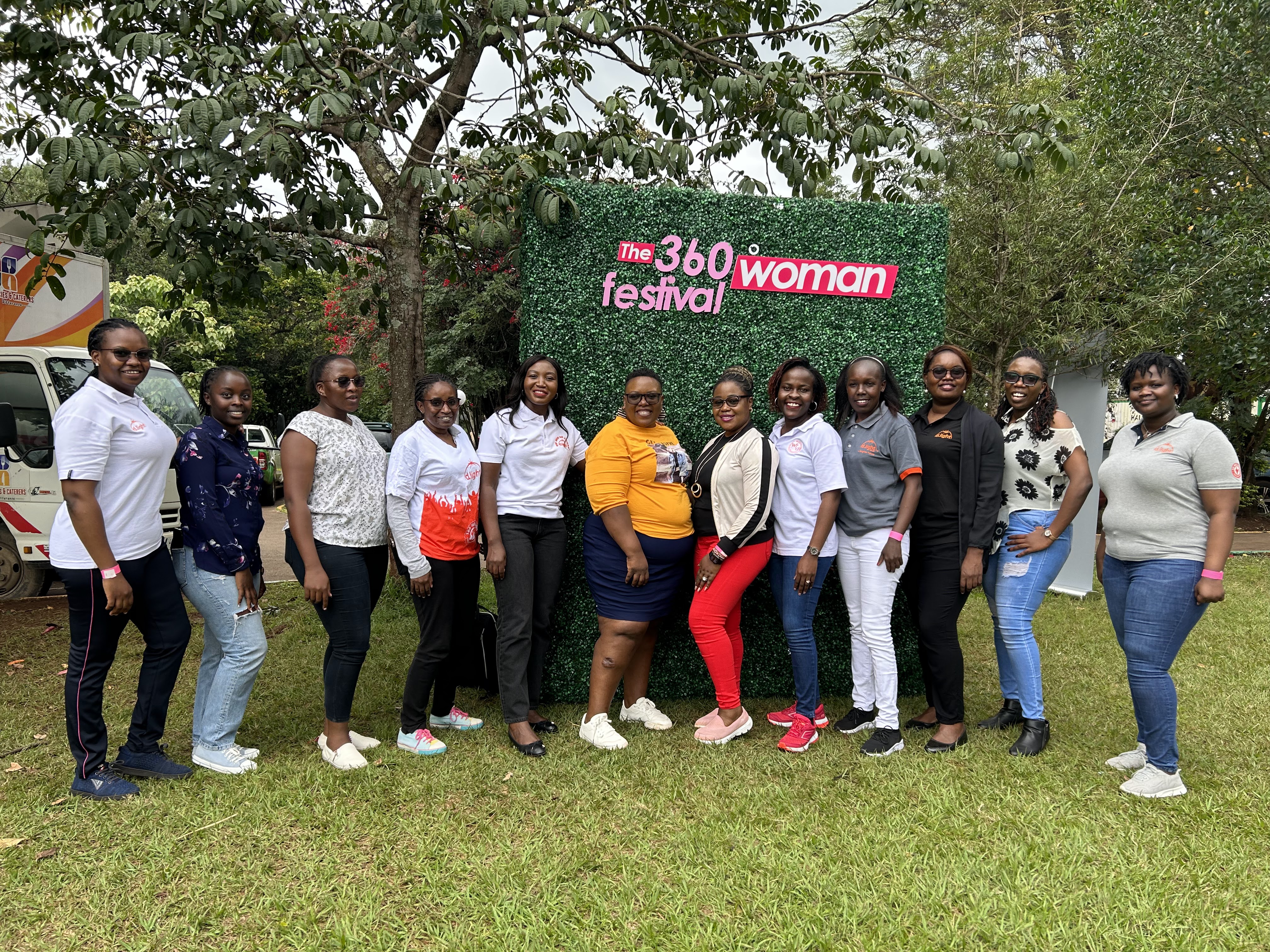
- Agent Networks: d.light employs thousands of local agents who not only sell the products but also provide technical support and collect feedback. This human-centric approach is vital for building trust in regions where technology is often met with skepticism.
- Logistics Tech: By 2026, d.light utilizes advanced data analytics to track system performance and predict maintenance needs. This ensures that if a battery begins to fail, a technician can be dispatched before the customer loses power.
Frequently Asked Questions
What happens if I stop paying for my d.light system?
If a customer fails to make a scheduled payment under the PAYG model, the system will automatically deactivate using an internal "lock." Once the customer makes a payment, the system is immediately reactivated via a digital code or GSM signal. The ownership of the device remains with the customer; they simply "pause" their usage until they can afford the next installment.
How long do d.light batteries last?
Most modern d.light systems use Lithium Iron Phosphate (LiFePO4) batteries. These are designed to last between 2,000 and 3,000 charge cycles. In practical terms, this means a system should provide reliable service for 5 to 7 years, depending on usage patterns and environmental conditions.
Can d.light systems power heavy appliances like refrigerators?
The standard D and X series are designed for lighting, TVs, and fans. However, d.light has introduced specialized high-capacity solar systems for "productive use," which are capable of powering high-efficiency DC refrigerators and water pumps. Standard AC refrigerators are generally not compatible with these DC-optimized systems without a specialized inverter.
Is there a warranty on d.light products?
Yes, d.light typically offers a 2-year warranty on their solar home systems and a 1-year warranty on portable lanterns. The warranty covers manufacturing defects and battery performance issues. Repairs are usually handled through local service centers or mobile agents.
Where is d.light design headquartered?
While the company has roots in San Francisco (USA), its global operations are heavily centered in Nairobi, Kenya. This "Africa-first" approach allows the executive team to remain close to their largest customer base and respond quickly to market changes.
Looking Ahead: d.light in 2026 and Beyond
As we move through 2026, d.light is focusing on the "Productive Use of Energy" (PUE). The goal is no longer just to light a home, but to power a livelihood. This includes the rollout of solar-powered grain mills, egg incubators, and more sophisticated irrigation controllers.
Furthermore, d.light is increasingly integrating with "Smart Grid" technologies. In areas where the national grid is expanding, d.light systems are being designed as "hybrid" solutions—providing backup power during the frequent blackouts that plague developing world infrastructure.
For those looking to support or invest in sustainable development, d.light remains a gold standard for how private enterprise can solve public problems. For consumers in off-grid regions, the company represents a bridge to the modern digital economy, providing the power necessary to stay connected and productive in an increasingly electrified world.
Next Action: If you are a distributor or an NGO looking to partner with d.light, contact their regional offices via the official d.light website to inquire about bulk procurement and last-mile partnership programs.
Image Gallery