Hearing Aid Brands Rated: The Definitive 2026 Guide to Performance and Technology
Selecting the best hearing aid in 2026 requires balancing advanced neural processing, connectivity standards like Bluetooth Auracast, and long-term clinical support. The highest-rated brands currently include Phonak, Oticon, and Starke...
Selecting the best hearing aid in 2026 requires balancing advanced neural processing, connectivity standards like Bluetooth Auracast, and long-term clinical support. The highest-rated brands currently include Phonak, Oticon, and Starkey for prescription needs, while Jabra and Sony lead the over-the-counter (OTC) market. Ratings are based on sound clarity in noise, rechargeability, and app-driven customization.
Contents
The 2026 Hearing Aid Landscape: Prescription vs. OTC
As of 2026, the hearing aid market has bifurcated into two distinct categories, each serving different levels of hearing loss and lifestyle needs. Understanding where you fit is the first step in interpreting brand ratings.
Prescription Hearing Aids remain the gold standard for individuals with moderate-to-profound hearing loss. These devices are sold through licensed audiologists and hearing instrument specialists. Brands in this category, such as Phonak, Oticon, and Signia, offer sophisticated diagnostic fitting, custom-molded shells, and "Edge AI" processing that adapts to complex environments in real-time.
Over-the-Counter (OTC) Hearing Aids have reached a high level of maturity by 2026. Designed for adults with perceived mild-to-moderate hearing loss, these are self-fitted via smartphone apps. While they lack the clinical depth of prescription models, brands like Sony and Jabra Enhance provide high-fidelity audio and noise reduction at a fraction of the cost of clinical alternatives.
The primary differentiator in 2026 ratings is Deep Neural Network (DNN) integration. High-rated brands no longer just "amplify" sound; they use on-chip AI to recognize millions of distinct sound environments, separating speech from background noise with surgical precision.
Top-Rated Prescription Hearing Aid Brands
The "Big Five" manufacturers continue to dominate professional ratings due to their massive R&D budgets and clinical validation.
Phonak (Sonova)
Phonak remains a perennial leader, particularly for its "universal connectivity." While most brands prioritize iPhone or Android specifically, Phonak’s proprietary Bluetooth protocol allows for seamless switching between virtually any Bluetooth-enabled device, including older laptops and non-smart cell phones. In 2026, their flagship platforms are praised for AutoSense OS 6.0, which utilizes motion sensors to detect if the wearer is walking or sitting, adjusting the microphone directionality accordingly.
Oticon (Demant)
Oticon’s "BrainHearing" philosophy consistently earns it top marks from audiologists. Rather than narrowing the focus to just the person speaking in front of you (which can feel unnatural), Oticon devices are rated highly for providing a 360-degree soundscape. Their 2026 models utilize a dedicated Deep Neural Network 2.0 that has been trained on over 12 million real-life sound scenes, making them the preferred choice for users who spend time in high-activity environments like busy offices or restaurants.
Starkey
As the primary American manufacturer, Starkey has pivoted toward "Healthable" technology. Their devices are frequently rated as the best for seniors due to integrated fall detection and emergency alerts. In 2026, Starkey’s sensors also monitor physical activity and social engagement, providing a holistic view of the user’s health. Their waterproof and sweatproof ratings are among the highest in the industry, making them a top pick for active users.
Signia (WS Audiology)
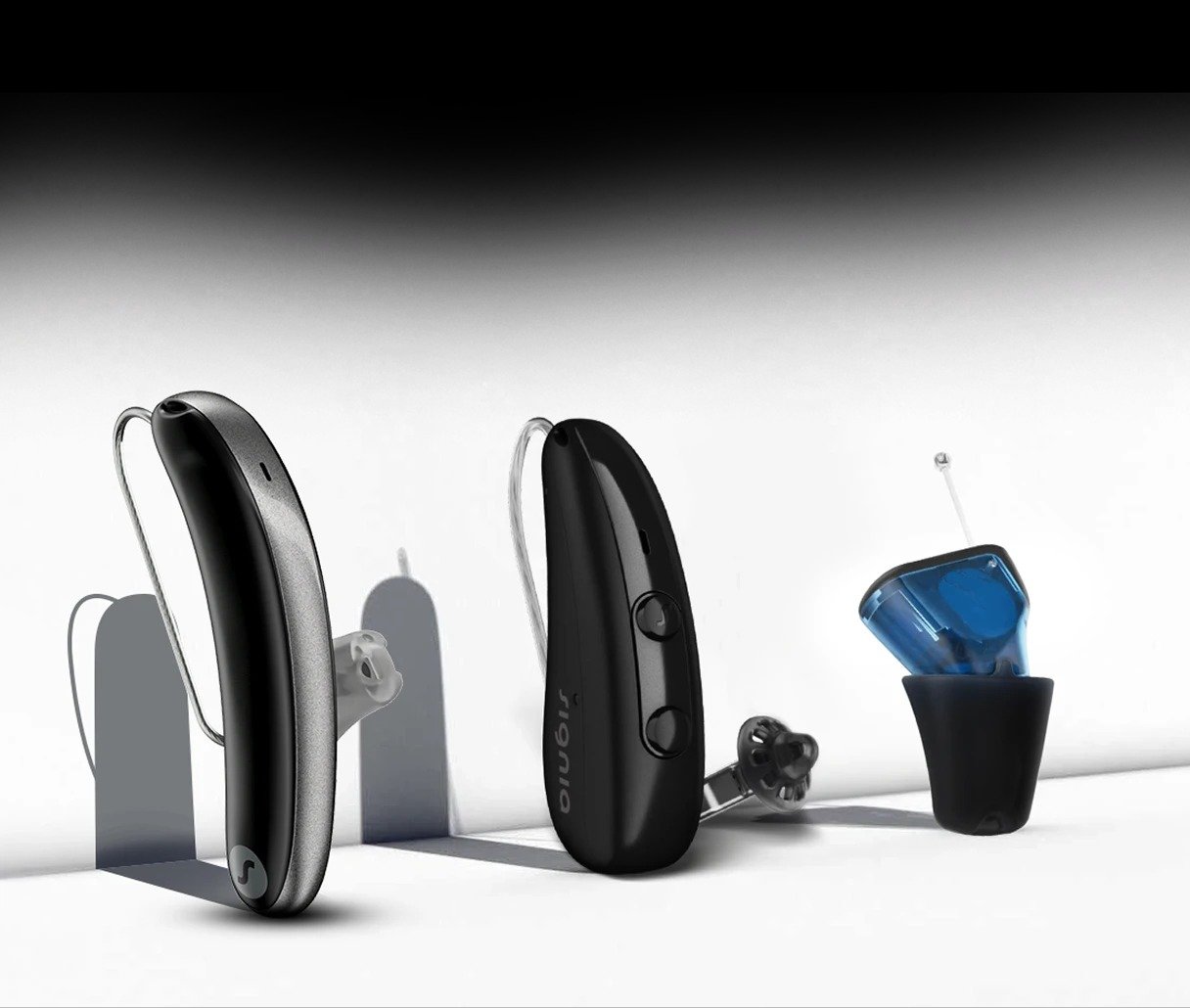
Signia is widely recognized for its innovation in form factors. Their Styletto line revolutionized the industry by moving away from the traditional "clunky" hearing aid look to a sleek, jewelry-like aesthetic. Technologically, Signia is rated highly for its Own Voice Processing (OVP), which solves the common complaint that a user's own voice sounds "boomy" or unnatural when wearing hearing aids.
Leading Over-the-Counter (OTC) Brands
The OTC market is no longer a collection of "cheap amplifiers." In 2026, tech giants have perfected the self-fitting process.
- Jabra Enhance: Utilizing the medical-grade hardware of its parent company (GN ReSound), Jabra offers a hybrid model where users can buy online but still access remote professional support. They are currently rated as the "Best Value" for those with mild-to-moderate loss.
- Sony: Partnering with WS Audiology, Sony’s self-fitting E-series devices are lauded for their invisibility. The CRE-C20 is one of the smallest devices on the market, fitting entirely within the ear canal while maintaining a 24-hour battery life.
- Sennheiser (Sonova): Focused on "speech enhancement" rather than just hearing loss, Sennheiser’s All-Day Clear devices are rated highly for their superior music streaming quality, bridging the gap between high-end earbuds and medical devices.
Comparison of Top Hearing Aid Brands (2026)
| Brand | Primary Category | Key Strength | Connectivity | Best For |
|---|---|---|---|---|
| Phonak | Prescription | Universal Bluetooth | All Bluetooth Devices | Multi-device users |
| Oticon | Prescription | Neural Sound Processing | MFi / ASHA / Auracast | Natural soundscapes |
| Starkey | Prescription | Health Monitoring | MFi / ASHA | Seniors / Fall safety |
| Signia | Prescription | Sleek Design / OVP | MFi / ASHA / Auracast | Style-conscious users |
| Widex | Prescription | Low Latency (PureSound) | MFi / ASHA | Musicians / Naturalists |
| Jabra Enhance | OTC | Professional Support | iPhone / Android | Value / Remote care |
| Sony | OTC | Ultra-Discreet | Bluetooth (Select Models) | Cosmetic invisibility |
Technical Criteria: How Brands are Rated
When experts and consumer advocacy groups rate hearing aids in 2026, they look beyond simple volume. The following technical specifications are the current industry benchmarks:
1. Signal-to-Noise Ratio (SNR) Improvement
The "cocktail party effect"—the ability to hear a companion in a noisy room—remains the biggest challenge. Top-rated brands are evaluated on how many decibels of background noise they can suppress without distorting the target speech. In 2026, devices using dual-stream processing (processing speech and background noise on two separate tracks) receive the highest ratings.
2. Bluetooth Auracast Compatibility
By 2026, Bluetooth LE Audio and Auracast have become standard in public venues like airports, theaters, and houses of worship. Brands that natively support Auracast allow users to tune into a venue's audio broadcast directly through their hearing aids, bypassing the need for old-fashioned "telecoils" or external neck loops.
3. Latency and Processing Speed
Widex, for example, is often rated #1 for "natural sound" because of its ultra-low latency. If the processed sound reaches the eardrum even a few milliseconds after the natural sound, it creates an "echo" or "comb-filter" effect. Brands that keep processing speed under 0.5 milliseconds are preferred by musicians and those with "open fit" requirements.
4. Battery Longevity and Sustainability
Lithium-ion technology is now the standard. High-rated brands offer at least 24 hours of use on a single charge, even with 5-6 hours of active streaming. Furthermore, the 2026 ratings factor in the "serviceability" of these batteries—whether they can be replaced by a technician or if the entire unit must be discarded.
Cost Considerations and Insurance in 2026
The price of hearing aids remains a significant factor in their overall rating. Prescription devices typically range from $2,500 to $6,500 per pair, which often includes 3-5 years of professional follow-up care. OTC models range from $700 to $1,800.
In 2026, insurance landscapes have shifted. More Medicare Advantage plans and private insurers now offer "hearing aid benefits" or "hearing health carve-outs." When comparing brands, it is essential to check which ones are "preferred providers" for your specific plan. For instance, some providers may only cover brands within the Sonova or Demant portfolios.
Note: For detailed information on coverage, consult the Centers for Medicare & Medicaid Services (CMS) or your specific provider's 2026 summary of benefits.
Practical Advice for Choosing a Brand
Before committing to a specific brand, consider the following steps to ensure the rating matches your reality:
- Get a Clinical Audiogram: Even if you plan to buy OTC, a professional hearing test is vital to rule out medical issues like acoustic neuroma or impacted cerumen.
- Trial Periods: In most jurisdictions, a 30-to-60-day trial period is mandated by law. Brands that offer extended "risk-free" trials often rate higher in consumer satisfaction.
- App Ecosystem: Download the brand's app before you buy. Some apps (like Starkey's My Starkey or Phonak’s myPhonak) are highly intuitive, while others can be buggy or difficult for those with dexterity issues to navigate.
- Local Support: A top-rated brand is useless if there is no one in your area trained to program it. Use the manufacturer's "Find a Professional" tool to ensure local support exists.
Medical Disclaimer: This guide is for informational purposes and does not substitute for professional medical advice, diagnosis, or treatment. Always seek the advice of an audiologist or other qualified health provider with any questions regarding a medical condition or hearing loss.
Frequently Asked Questions
Which hearing aid brand has the best sound quality for music?
Widex is generally rated highest for music lovers in 2026. Their "PureSound" technology minimizes the delay between the processed and unprocessed signal, which prevents the "tinny" or distorted sound that often plagues other hearing aids during high-fidelity audio playback.
Are OTC hearing aids as good as prescription brands?
For mild-to-moderate hearing loss, premium OTC brands like Jabra and Sony offer performance comparable to mid-level prescription devices. However, they lack the sophisticated "Real Ear Measurement" (REM) fitting process that an audiologist uses to ensure a prescription device perfectly matches your ear's unique anatomy and loss profile.
How long do the batteries last in 2026 models?
Most top-rated rechargeable models provide 24 to 30 hours of battery life. If you stream a lot of audio via Bluetooth, expect that to drop to 16-20 hours. Brands like Phonak and Signia offer "portable charging cases" that hold 3-4 days of power, similar to wireless earbud cases.
Can I control my hearing aids with my smartwatch?
Yes, most premium brands in 2026, including Starkey, Oticon, and Phonak, offer dedicated apps for Apple Watch and Android-based smartwatches. These allow you to change volume, switch programs (e.g., from "Restaurant" to "Music"), and check battery levels without touching your phone.
What is the most discreet hearing aid brand?
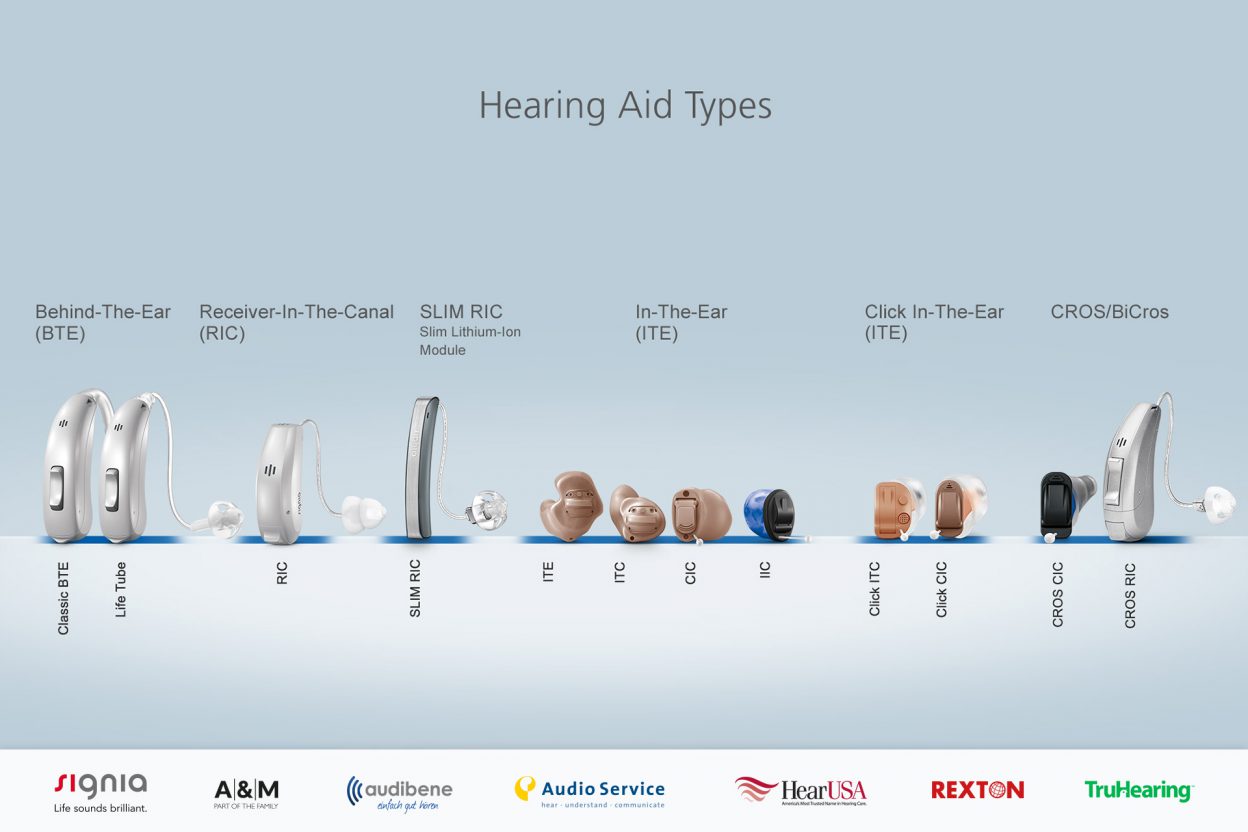
Sony and Starkey currently lead the ratings for discretion. Sony’s OTC "completely-in-canal" (CIC) models are virtually invisible. For prescription users, Starkey’s "Genesis AI" custom IIC (Invisible-In-Canal) is molded specifically to the shape of your ear and sits deep enough to be hidden by the ear's natural shadow.
Final Recommendation
For the best overall experience in 2026, Oticon and Phonak remain the top-rated choices for the majority of users due to their superior balance of AI-driven sound processing and hardware reliability. If you are seeking a more affordable solution for mild hearing loss, Jabra Enhance provides the most robust support-to-performance ratio in the OTC market. Always prioritize a brand that offers local professional support and a minimum 30-day trial period to ensure the technology integrates seamlessly with your lifestyle.
Image Gallery