Navigating Diecedue Life Insurance at 11606 Southfork Ave
Diecedue Life Insurance operates out of 11606 Southfork Ave in Baton Rouge, Louisiana, offering individualized life insurance policies, retirement annuities, and long-term financial protection strategies. Clients visiting this location...
Diecedue Life Insurance operates out of 11606 Southfork Ave in Baton Rouge, Louisiana, offering individualized life insurance policies, retirement annuities, and long-term financial protection strategies. Clients visiting this location can access personalized policy reviews, underwriting guidance, and wealth preservation planning tailored to personal, family, and commercial business continuity requirements.
Contents
Office Location and Operating Scope in Baton Rouge
Situated in East Baton Rouge Parish, the professional office suite at 11606 Southfork Avenue places the Diecedue agency within a well-established commercial corridor near the intersection of Sherwood Forest Boulevard and Interstate 12. This location primarily serves policyholders throughout the greater Baton Rouge metropolitan area, including Shenandoah, Prairieville, Denham Springs, and Central, as well as clients across Southeast Louisiana.
Working with an established brick-and-mortar insurance practice provides distinct advantages over interacting exclusively through national call centers or automated online platforms. Life insurance policies are legal contracts governed by Louisiana state insurance statutes, requiring careful alignment with local estate codes, community property regulations, and succession procedures. Local advisory offices understand regional economic dynamics—such as business succession structures for local industrial contractors or pension integration for state and municipal employees—enabling them to tailor policy designs far more effectively than generic digital quote aggregators.
Clients visiting the Southfork Avenue location typically schedule structured consultations to discuss personal risk management, estate liquidity, key-person business insurance, or tax-advantaged retirement income supplements. While modern policy maintenance, electronic signature tools, and premium payments can be managed remotely, having direct physical access to licensed professionals simplifies complex beneficiary designations, multi-tiered trust strategies, and formal underwriting appeals.
Core Insurance Products and Coverage Structures
Life insurance portfolios built at professional independent and career agency offices are rarely one-size-fits-all. When meeting with advisors at 11606 Southfork Ave, individuals and business owners generally evaluate several core coverage structures depending on their time horizons, premium tolerances, and cash accumulation targets.
Term Life Insurance: Pure Protection Strategies
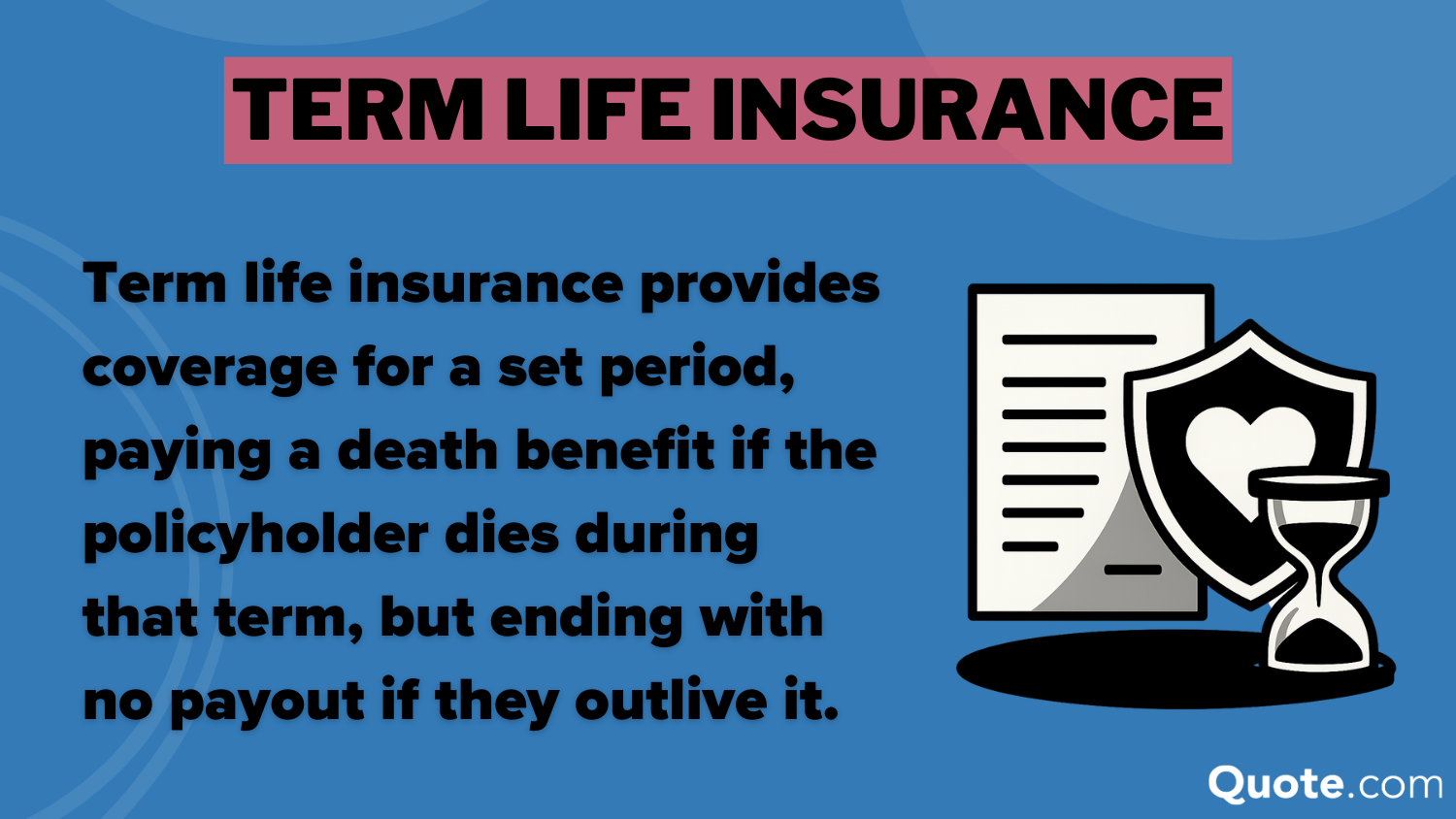
Term life insurance represents the most straightforward and cost-effective method for establishing high-limit financial protection over a defined period. This coverage is designed to shield dependents against premature wage loss, cover residential mortgages, or secure commercial liabilities during peak debt years.
- Standard Level Term: Coverage terms typically span 10, 15, 20, 25, or 30 years, during which premiums remain fixed. If the insured passes away during the selected period, beneficiaries receive a tax-free lump-sum death benefit.
- Return of Premium (ROP) Riders: A specialized term structure where policyholders receive a refund of all cumulative premiums paid if the policy expires without a death claim, trading higher ongoing costs for principal preservation.
- Convertible Term Options: Crucial provisions that permit the policyholder to convert term coverage into permanent insurance without undergoing supplemental medical underwriting or proving ongoing insurability, safeguarding coverage if health deteriorates later in life.
Permanent Life Insurance: Lifelong Protection and Cash Value
Permanent insurance provides lifelong mortality coverage combined with a contractual cash value component that grows on a tax-deferred basis under Internal Revenue Code Section 7702. These vehicles serve policyholders seeking estate equalization, long-term wealth transfer, or alternative tax-exempt liquidity pools.
- Whole Life Insurance: Delivers guaranteed death benefits, level scheduled premiums, and guaranteed cash value growth trajectories. Participating whole life contracts may also generate non-guaranteed annual dividends that can purchase paid-up additions, offset premiums, or accumulate at interest.
- Universal Life (UL): Introduces operational flexibility by allowing policyholders to adjust premium payments and death benefit targets over time as financial circumstances fluctuate, provided the underlying policy account maintains sufficient reserves to cover internal mortality and administrative costs.
- Indexed Universal Life (IUL): Credits interest based partially on the performance of external market indexes (such as the S&P 500) while incorporating guaranteed minimum floors (frequently 0%) to protect cash value balances against downside market corrections.
Annuities and Living Benefits
Comprehensive financial protection often extends beyond death benefits to address longevity risks—the possibility of outliving accumulated liquid assets—and chronic illness expenses.
- Fixed and Multi-Year Guarantee Annuities (MYGA): Offer predictable, guaranteed yield accumulation without exposure to equity market downturns, serving as retirement stabilizers for capital preservation.
- Hybrid Long-Term Care Riders: Specialized policy endorsements or asset-based life policies that allow accelerated access to the policy's death benefit pool to cover qualifying home healthcare, assisted living, or skilled nursing expenses.
Comparing Insurance Vehicle Suitability
Choosing the appropriate life insurance structure requires balancing ongoing cash flow with long-term financial commitments. The following comparison highlights key structural characteristics of products commonly reviewed during client assessments at the Southfork Avenue office.
| Product Type | Primary Financial Objective | Duration of Coverage | Premium Flexibility | Cash Value Accumulation | Underwriting Stringency |
|---|---|---|---|---|---|
| Level Term Life | Maximum death benefit for income replacement and debt coverage | Fixed period (10–30 years) | None; fixed for the contractual term | No cash value component | Standard to strict medical exam, depending on face value |
| Traditional Whole Life | Guaranteed estate legacy, funeral expenses, and permanent security | Entire lifetime (up to age 100 or 121) | Rigid; missed payments risk policy lapse | Guaranteed contractual growth plus potential dividends | Full medical underwriting with paramedical exam |
| Indexed Universal Life | Flexible permanent protection with indexed upside growth potential | Flexible lifetime duration | Highly flexible within statutory guideline minimums/maximums | Variable interest tied to index formulas with 0% floors | Comprehensive underwriting; mortality costs increase with age |
| Guaranteed Issue Life | Final expense and burial protection for individuals with severe health impairments | Entire lifetime | Fixed, small monthly or annual premiums | Minimal cash value growth | No medical exam or health questionnaires |
| Fixed Indexed Annuity | Longevity risk management, capital preservation, and guaranteed income | Accumulation or payout phases | Single premium or flexible contributions | Contractual interest credits linked to market indexes | Non-medical; based on age and suitability criteria |
Client Underwriting and Consultation Workflow
Navigating the application process for life insurance at 11606 Southfork Ave involves several systematic phases designed to evaluate risk accurately and secure the most favorable pricing tier from carrier underwriters.
- Initial Financial Assessment
- Medical & Lifestyle Profiling
- Paramedical Exam / Lab Review
- Underwriting Assessment
- Policy Delivery & Acceptance
1. Discovery and Needs Analysis
The consultation begins with a granular evaluation of personal balance sheets, household budget allowances, existing mortgage obligations, and succession goals. For commercial clients, this stage includes examining buy-sell agreements, debt covenants, and key-employee valuation formulas to establish precise insurable interest levels.
2. Medical Pre-Screening and Historical Review
Underwriters classify applicants into risk categories—such as Preferred Plus, Preferred, Standard Plus, Standard, or Substandard/Table Rated—based on comprehensive historical health metrics. During the preliminary meeting, the agent gathers relevant medical history, including:
- Prescription medication registries accessed via medical database checks.
- Personal and immediate family histories of cardiovascular conditions, cancer, or diabetes.
- Lifestyle classifications, including tobacco use, nicotine alternatives, aviation activities, or hazardous sports.
3. The Paramedical Examination
If the desired face amount exceeds automated, accelerated underwriting limits, a licensed third-party medical technician conducts a brief mobile examination at the client's home or at the office. This visit typically includes standard biometrics (height, weight, blood pressure measurements), blood chemistry profiles, and a urinalysis screen to confirm metabolic, kidney, and cardiovascular health.
4. Underwriting Review and Offer Finalization
The carrier’s home-office underwriters aggregate lab findings, attending physician statements (APS), and Motor Vehicle Records (MVR). Once formal underwriting approval is secured, the advisor presents the binding contract, outlining policy riders, exact final premium rates, and conversion terms. Coverage officially takes effect upon receipt of the initial premium payment and delivery signature.
Verifying Agent Licensure and Regulatory Compliance
Before entering into binding long-term insurance contracts or transferring funds for annuity placements, consumers should independently verify that individual agents and their affiliated corporate entities are actively licensed and in good standing with state and federal oversight bodies.
Insurance transactions conducted at 11606 Southfork Ave in Baton Rouge fall under the statutory jurisdiction of the Louisiana Department of Insurance (LDI). Louisiana residents can use public regulatory registries to verify producer credentials, professional designations, and appointment histories:
- Louisiana Department of Insurance Public Search: Access the LDI Industry Access portal to confirm that the agent holds active, valid licenses for Life, Accident & Health, or Variable Annuities. The directory confirms whether any formal administrative sanctions, license revocations, or disciplinary actions have been recorded.
- FINRA BrokerCheck: If an insurance advisor also provides equity-linked variable life products, variable annuities, or mutual funds, they must hold registrations with the Financial Industry Regulatory Authority (FINRA) and an affiliated broker-dealer. BrokerCheck provides public access to securities exams passed (such as Series 6, 7, 63, or 65), historical employment records, and customer dispute disclosures.
- Professional Designations: Credentials such as Chartered Life Underwriter (CLU), Life Underwriter Training Council Fellow (LUTCF), or Certified Financial Planner (CFP) signify specialized ongoing education in estate planning, taxation, and fiduciary ethics.
Essential Considerations Before Establishing Life Coverage
Purchasing coverage through a local office requires objective preparation to avoid common contractual mistakes that could compromise beneficiary security or lead to premature policy termination.
Accurately Calculate Total Insurable Need
A common planning error involves selecting arbitrary death benefit figures—such as an even $250,000 or $500,000—without conducting an actuarially sound calculation. A reliable baseline formula is the DIME method:
- Debt: Total sum of outstanding non-mortgage liabilities, student loans, auto loans, and personal credit balances.
- Income: Annual net income multiplied by the exact number of years dependents require wage support (frequently 7 to 10 times annual gross salary).
- Mortgage: Total payoff amount remaining on primary and secondary residential properties.
- Education: Projected aggregate tuition, housing, and supply costs for surviving children.
Coordinate Policy Design with Louisiana Estate Rules
Louisiana civil law includes unique provisions, notably forced heirship statutes under Louisiana Civil Code Article 1493, which can affect inheritance rights for descendants aged 23 or younger, or those with severe physical or mental disabilities.
While life insurance death proceeds generally pass outside of probate directly to designated beneficiaries by contract, complications arise if the primary beneficiary is the estate itself, or if minor children inherit large lump sums without a structured testamentary or inter vivos trust. Working with an insurance professional situated on Southfork Ave allows policyholders to coordinate contract designations with local estate attorneys, ensuring proceeds bypass unnecessary succession delays.
Address the Risk of Unfunded or Underperforming Policies
For flexible-premium contracts like Universal Life, interest rate shifts and internal cost-of-insurance (COI) increases can strain cash value reserves. Policyholders must periodically review their annual carrier statements. If interest crediting falls below original sales illustration assumptions, the owner must adjust cash contributions upward to keep the contract fully funded and prevent an unintended lapse later in life.
Frequently Asked Questions
Where is 11606 Southfork Ave located, and how do I schedule an appointment?
The office is located on Southfork Avenue in Baton Rouge, Louisiana (ZIP code 70816), conveniently accessible from I-12 and Sherwood Forest Boulevard. Appointments for policy evaluations or new applications should be arranged ahead of time by phone or direct professional inquiry to ensure dedicated consultation time with a licensed representative.
Can out-of-state residents buy insurance through this Baton Rouge location?
Yes, provided the servicing agent holds a valid non-resident insurance license in your state of residence. Most life insurance transactions are legally signed and delivered based on the primary state of residency of the applicant or the primary location of the commercial entity purchasing coverage.
What documents should I bring to an insurance review on Southfork Ave?
To maximize consultation productivity, bring government-issued photo identification, existing life insurance policy documents (including annual statements and declaration pages), a complete list of current prescription medications, and an overview of your household assets, liabilities, and monthly cash flow.
How does living in Louisiana influence life insurance taxation?
Under federal and Louisiana tax law, life insurance death proceeds paid directly to a designated named beneficiary are generally exempt from state and federal income taxes. However, if proceeds are payable to the decedent’s estate, they become part of the gross estate, potentially exposing the assets to creditor claims and complex succession procedures.
What is the difference between an independent agent and a captive agent?
A captive agent represents a single insurance carrier exclusively and can only sell that specific company’s policy portfolio. An independent agent or broker contracts with multiple competing insurance carriers, allowing them to shop rates and underwriting guidelines across different companies to match your medical history and budget.
Practical Next Steps for Policy Seekers
Securing durable life insurance protection demands deliberate analysis and licensed professional guidance. To establish or optimize your coverage through the 11606 Southfork Ave office:
- Audit Existing Coverage: Pull your latest declaration pages to identify premium expiration dates, current cash values, surrender charge schedules, and internal administrative fees.
- Review Beneficiary Designations: Ensure primary and contingent beneficiary listings reflect recent life events, marriages, births, or divorces, confirming no minor children are designated without formal custodial or trust mechanisms.
- Verify State Licensure: Use the Louisiana Department of Insurance directory to confirm current licensing status and clear regulatory standing for your chosen insurance professional.
- Initiate a Structured Consultation: Contact the office to arrange an introductory financial assessment, bringing organized balance sheet details and medical histories to establish an accurate, cost-effective underwriting profile.
Image Gallery