Why the Hot Chocolate and Fireball Combo Works Best in Winter
The combination of hot chocolate and Fireball Cinnamon Whisky thrives in winter because it leverages the physiological effect of warm, high-viscosity beverages paired with the thermogenic properties of capsaicin-mimicking spices. This...
The combination of hot chocolate and Fireball Cinnamon Whisky thrives in winter because it leverages the physiological effect of warm, high-viscosity beverages paired with the thermogenic properties of capsaicin-mimicking spices. This pairing bridges the gap between indulgent comfort food and a potent adult beverage, providing both immediate sensory warmth and the sustained psychological satisfaction required for cold-weather environments.
Contents
The Physics of Thermal Regulation and Comfort
To understand why this specific duo is a winter staple, one must look at how the human body processes heat. In freezing temperatures, the body prioritizes maintaining core temperature, often leading to peripheral vasoconstriction—the narrowing of blood vessels in the extremities. A cup of hot chocolate is, by nature, an ideal delivery vehicle for heat. Its high specific heat capacity means it remains warm in the mug for an extended duration, allowing for a slower, more deliberate consumption process compared to thinner, water-based spirits.
When you add Fireball to this base, you are essentially creating a beverage that addresses both the internal temperature drop and the sensory desire for "heat." While alcohol does not technically raise your core body temperature—it actually promotes vasodilation, which can cause you to lose body heat faster in extreme cold—the perception of heat provided by the cinnamon flavoring is scientifically significant.
The Role of Cinnamaldehyde
The primary ingredient in Fireball Cinnamon Whisky that defines this experience is cinnamaldehyde. This compound interacts with the TRP (Transient Receptor Potential) ion channels in the mouth and throat. These are the same receptors that detect heat and capsaicin (found in chili peppers).
When you consume this mixture:
- Sensory Warmth: The cinnamaldehyde creates a localized sensation of heat that bypasses the need for actual thermal energy.
- Psychological Comfort: The sweetness of the hot chocolate acts as a stabilizer, softening the aggressive bite of the cinnamon, which makes the drink approachable for a wider demographic.
- Viscosity Synergy: The fat content in the cocoa (especially when made with milk or cream) coats the palate, allowing the cinnamon notes to linger longer than they would in a spirit-forward cocktail.
Winter Seasonal Context and Ritual
The effectiveness of the hot chocolate and Fireball combo is amplified by the "winter ritual." Because winter nights are darker and often spent indoors, the act of preparing a hot drink becomes a meditative, comforting task. Unlike a chilled cocktail, which feels discordant during a snowstorm, the preparation of this mixture involves steam, fragrance, and physical warmth—all of which serve as signals to the brain that the transition from a cold environment to a warm, safe space has been completed.
In 2026, the rise of "slow-living" trends and home-centric hospitality has solidified this drink as a high-value, low-effort solution for hosting. It requires minimal mixology skill, uses accessible ingredients, and delivers a consistent, reliable flavor profile that guests expect during the winter months.
Comparative Profile of Winter Warmers
The following table compares the hot chocolate and Fireball combo against other traditional winter beverages to highlight its specific advantages.
| Beverage Base | Primary Flavor | Heat Delivery | Ease of Preparation | Complexity |
|---|---|---|---|---|
| Hot Chocolate + Fireball | Cinnamon/Chocolate | High (Thermal) | Very Easy | Balanced |
| Hot Toddy | Lemon/Honey | High (Steam) | Moderate | High |
| Mulled Wine | Spices/Tannins | Moderate | Difficult | High |
| Coffee + Liqueur | Roast/Sweet | Moderate | Easy | Low |
The Hot Chocolate and Fireball combination excels because it is the only one on this list that successfully masks the harshness of the spirit while utilizing the high-fat, high-sugar base of the chocolate to enhance the "mouthfeel" of the spice.
Ingredients and Preparation Best Practices
To optimize this beverage for the best possible experience, one must prioritize the quality of the base.
- The Base: Utilize whole milk or a barista-blend oat milk. Skim milk or water-based cocoa lacks the fat molecules necessary to carry the flavor profile of the cinnamon effectively.
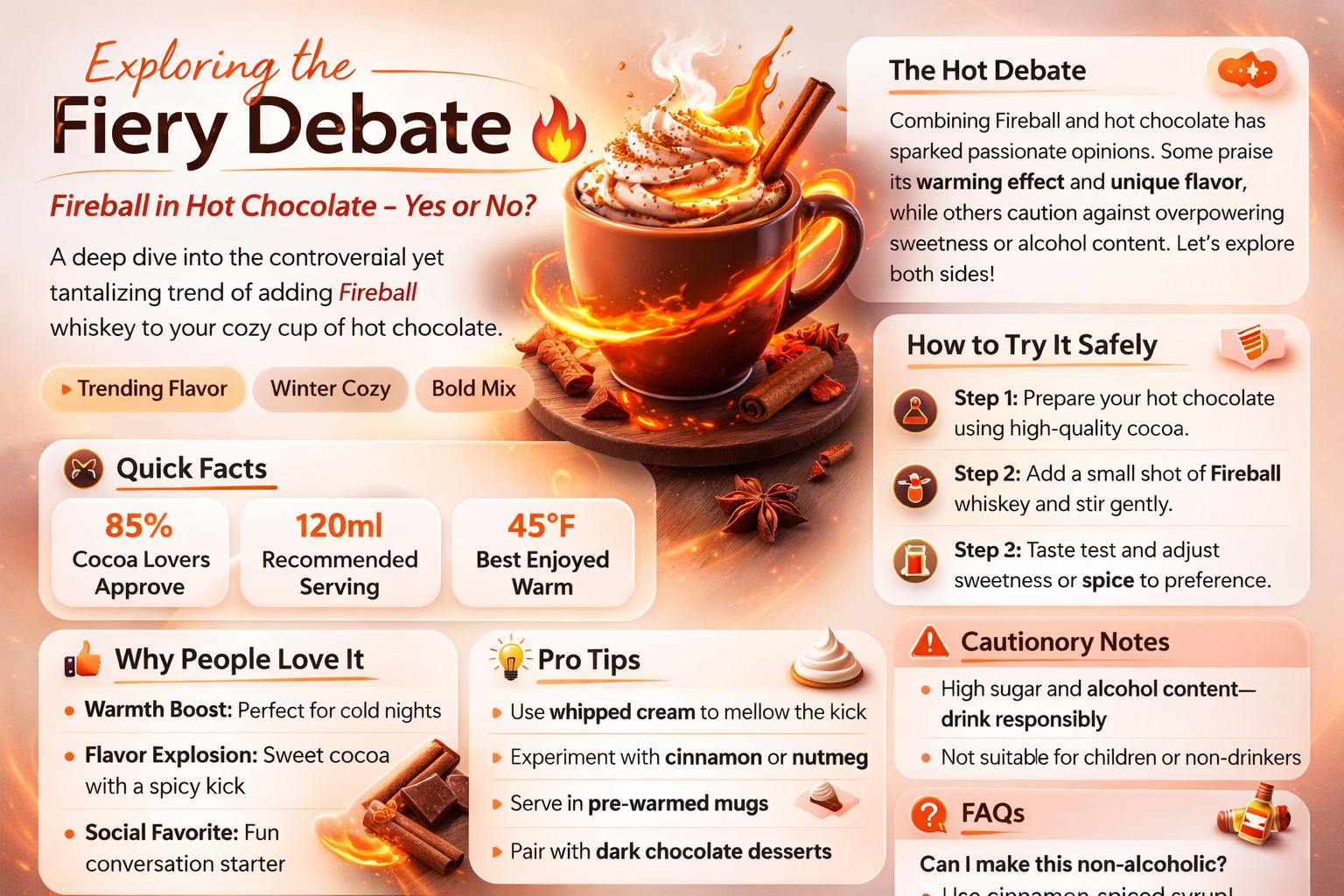
- The Ratio: A standard starting point is 1.5 ounces of Fireball to 6-8 ounces of hot chocolate. If the drink is too sweet, add a dash of espresso or a pinch of sea salt to balance the profile.
- The Garnish: A whipped cream topping is not merely aesthetic. It acts as an insulator, keeping the heat inside the mug for an additional three to five minutes, extending the duration of the "warm-up" experience.
Common Mistakes to Avoid
Many home bartenders fall into the trap of overheating the mixture. If you pour the Fireball directly into a pot of boiling milk, you will denature the proteins in the milk and begin to evaporate the alcohol content of the spirit, which changes the flavor balance significantly.
- Boiling the Alcohol: Always add the Fireball after you have removed the hot chocolate from the heat source.
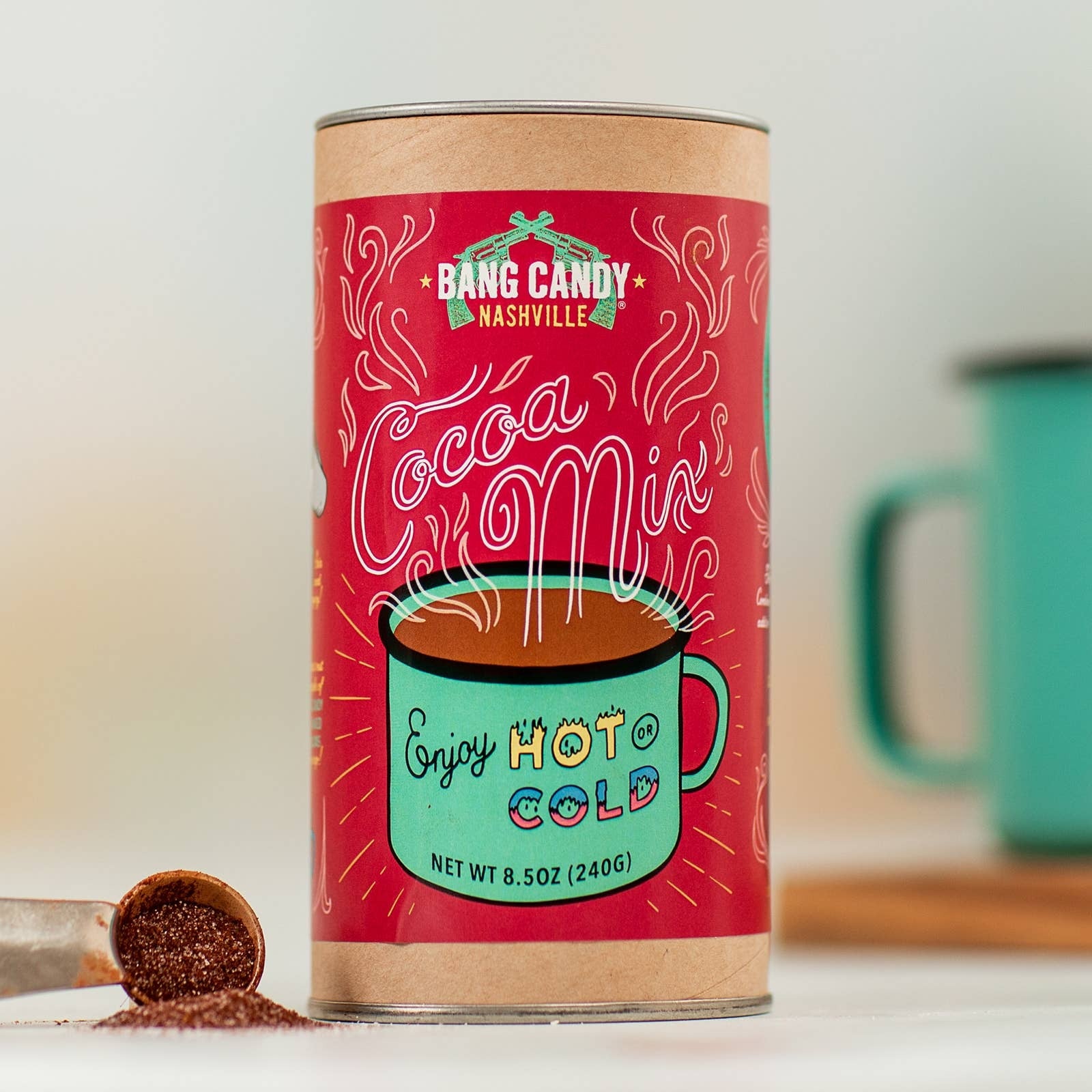
- Over-Sweetening: Fireball contains added sugar. If you use a pre-packaged hot cocoa mix, check the sugar content first; otherwise, you risk creating a drink that is cloyingly sweet, which detracts from the spicy "burn" that makes the combo effective.
- Ignoring Glassware: Drinking this from a thin glass mug will result in rapid heat loss. Use a ceramic or double-walled insulated mug to maintain the temperature of the beverage for the duration of the experience.
Frequently Asked Questions
Why does cinnamon feel hot? The sensation of heat from cinnamon is caused by cinnamaldehyde, which triggers TRP ion channels. These channels are typically responsible for sensing physical heat, so your brain interprets the chemical stimulus as actual warmth.
Does the alcohol in Fireball keep you warm? No. While it causes a temporary sensation of warmth due to increased blood flow to the skin, it actually lowers your core body temperature. This is why the "hot" part of the hot chocolate is essential—the heat from the liquid is what provides actual thermal regulation.
Can I use other whiskies in this mix? While you can use standard cinnamon-infused whiskies or even a plain bourbon with a cinnamon stick, Fireball is uniquely formulated to integrate with sugary bases, making it the most consistent option for this specific combo.
Is this drink suitable for outdoor winter activities? Yes, it is excellent for skiing or ice skating, provided it is stored in a thermos. Because of the sugar and fat content, it provides a quick caloric boost, which is helpful in cold weather.
How do I make this dairy-free? You can substitute the milk with full-fat coconut milk. The high fat content of coconut milk mimics the mouthfeel of dairy cocoa, and the slight nutty flavor profile works well with the cinnamon notes.
What is the best way to serve this for a crowd? Prepare a large batch of high-quality hot chocolate in a slow cooker set to the "warm" setting. Set the bottle of Fireball out with a jigger, allowing guests to customize their own ratio of spirit to chocolate, ensuring everyone gets the level of strength they prefer.
Final Recommendation
To maximize your experience with the hot chocolate and Fireball combination, move beyond instant mixes. Dedicate five minutes to melting high-quality bittersweet chocolate shavings into whole milk. Once the consistency is smooth and velvety, remove it from the heat and stir in your Fireball. Adding a pinch of cinnamon powder on top of whipped cream will enhance the olfactory experience, providing the scent of spices before the first sip. Enjoy this drink in a controlled, warm environment to fully appreciate the interplay of the temperature, the sweetness, and the deliberate spice.
Image Gallery