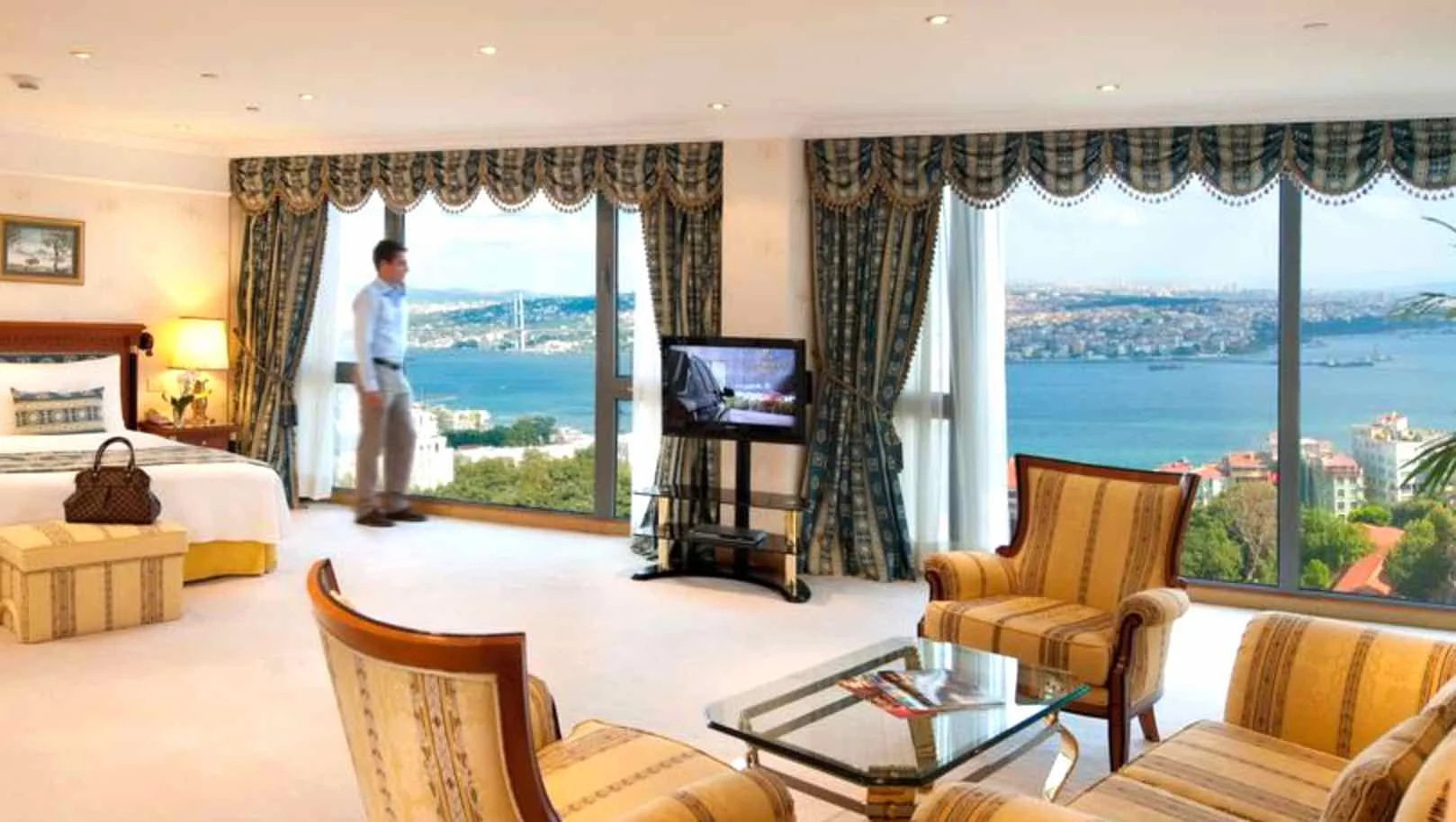
Why the Five Star Hotels in Istanbul Impress: A Standard of Global Hospitality
Five-star hotels in Istanbul impress because they masterfully integrate the city’s deep-rooted Byzantine and Ottoman historical heritage with modern architectural innovation and an uncompromising standard of personalized service. By bl...
Five-star hotels in Istanbul impress because they masterfully integrate the city’s deep-rooted Byzantine and Ottoman historical heritage with modern architectural innovation and an uncompromising standard of personalized service. By blending centuries-old palace architecture with cutting-edge amenities, these properties offer a unique spatial experience that few other global metropolises can replicate.
Contents
The Architectural Synthesis of Past and Present
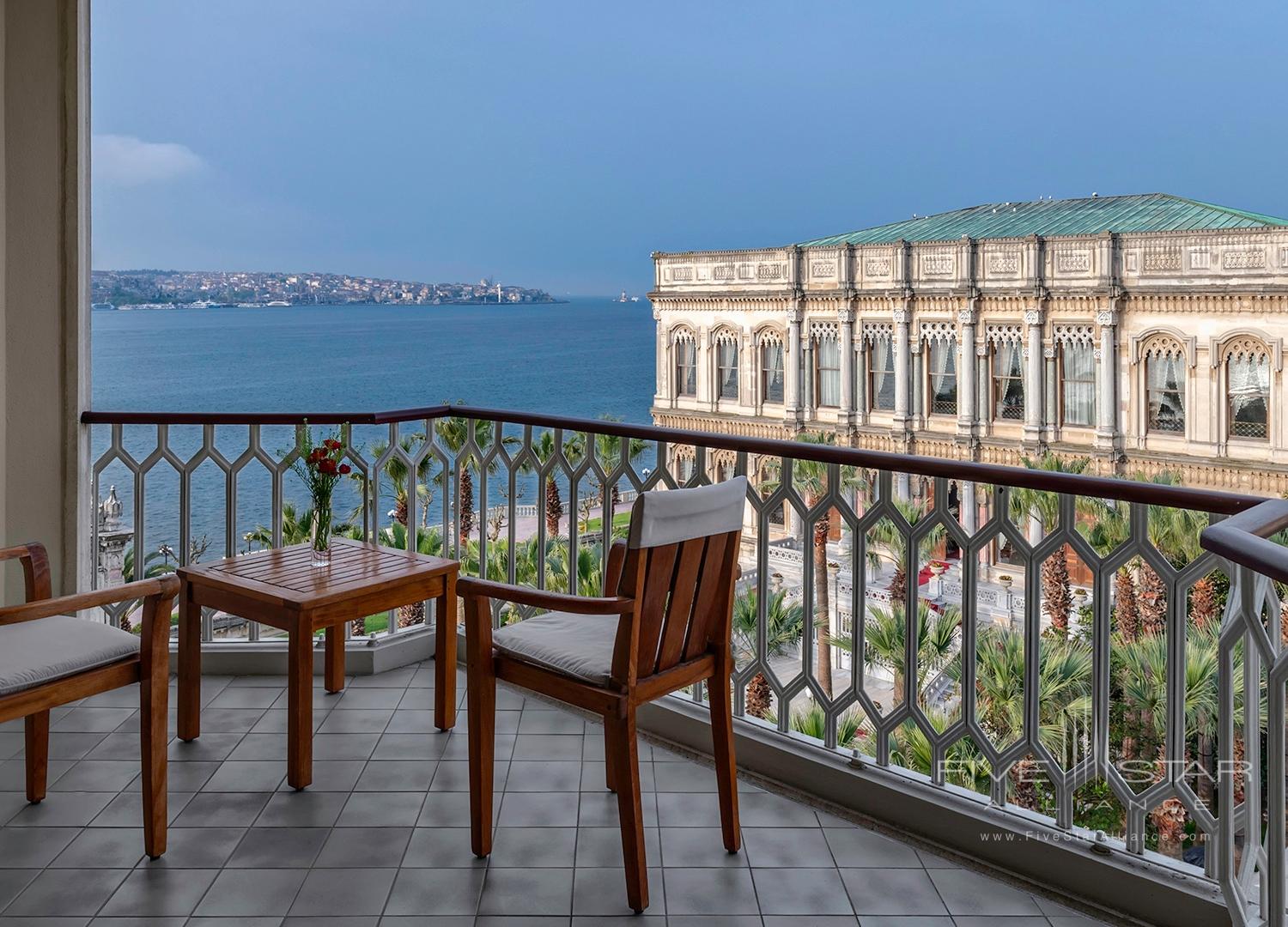
The primary factor that sets Istanbul’s luxury hospitality sector apart is its physical environment. Many of the city's most prestigious five-star properties, particularly those situated along the Bosphorus strait, are housed within restored Ottoman-era mansions known as yalis or former imperial palaces.
When a guest checks into a property like the Ciragan Palace Kempinski, they are not merely entering a hotel room; they are occupying a structure that served as a royal residence in the 19th century. The preservation of original stonework, vaulted ceilings, and ornate wood carvings provides an authentic connection to history that brand-new builds in other global cities cannot provide.
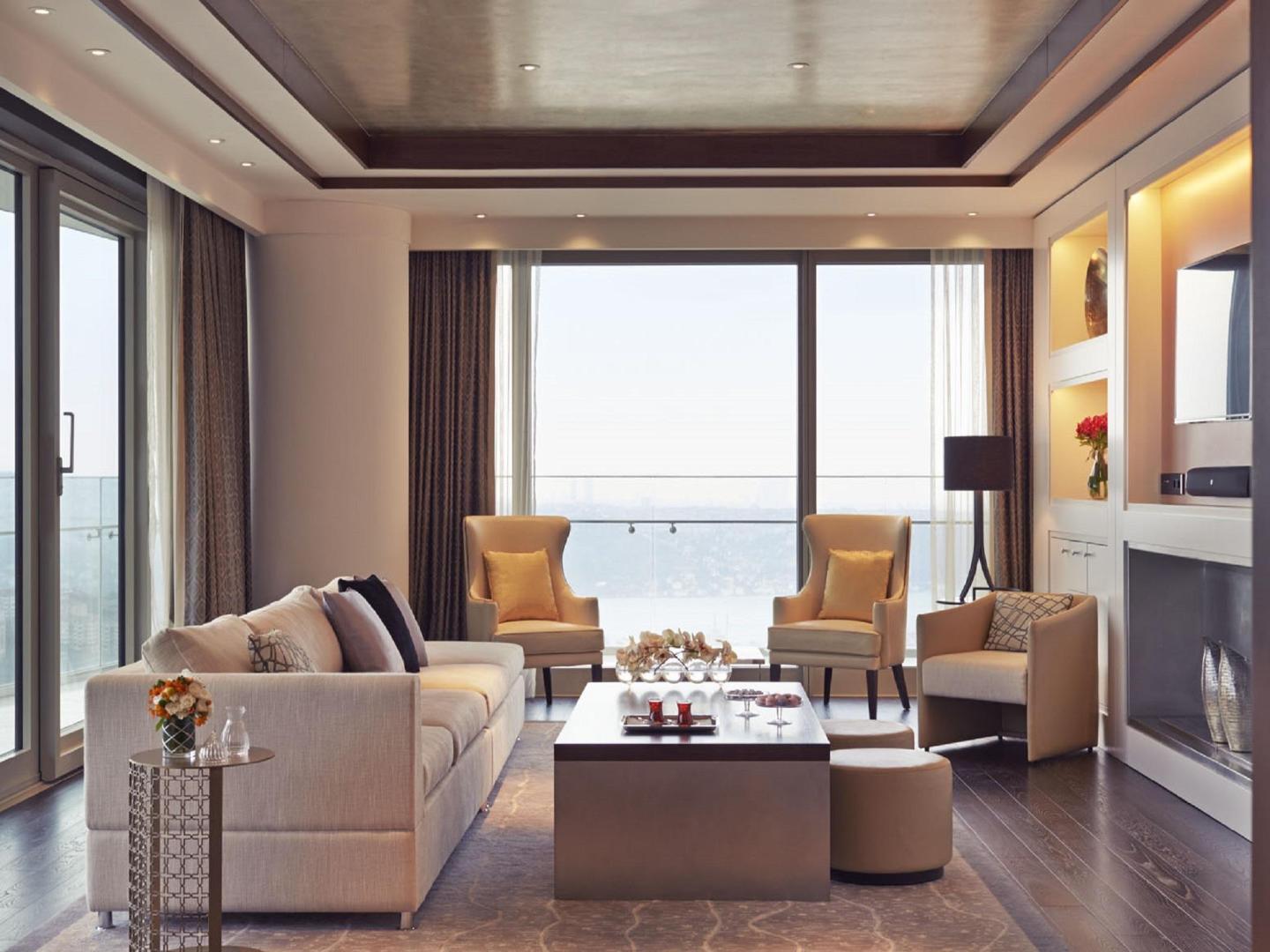
Conversely, the city’s newer luxury towers in the Levent or Maslak financial districts utilize contemporary, high-glass-façade architecture to provide panoramic views of the skyline and the intersection of the continents. This duality allows travelers to choose their environmental experience—either the opulent, historical seclusion of the waterfront or the streamlined efficiency and modernity of the city’s business hub.
The Philosophy of "Misafirperverlik"
Hospitality, or misafirperverlik, is a cultural pillar in Turkey. In the context of five-star lodging, this translates into a service model that is anticipatory rather than merely reactive. Staff at these establishments are trained to manage high-frequency service requests with an invisible efficiency.
Unlike hotels in other major European capitals, where staff interaction may lean toward formal distance, Istanbul’s luxury service style is defined by warmth and genuine personal engagement. This is rooted in the local culture, which places a high value on the comfort of the guest. Whether it is a concierge arranging a private boat tour of the Bosphorus at dawn or a butler managing the specific dietary nuances of an international delegation, the level of attention remains consistent, proactive, and deeply personalized.
Culinary Excellence as a Core Offering
Gastronomy is a defining metric for the five-star experience in Istanbul. These hotels do not merely offer standard international menus; they operate as laboratories for modern Turkish cuisine. By hiring world-renowned chefs to lead their signature restaurants, these hotels have become the city’s culinary landmarks.
Guests can expect a sophisticated intersection of Anatolian, Mediterranean, and Central Asian culinary influences. The commitment to locally sourced ingredients—often brought in from specific Aegean villages or the Black Sea region—ensures that the dining experience is anchored in local terroir. Many of these hotels also host rooftop bars and terrace dining rooms that offer views of the Hagia Sophia or the Bosphorus, turning a standard meal into a visual and sensory event.
Comparing Market Tiers of Istanbul Luxury Hotels
| Hotel Segment | Primary Appeal | Typical Amenities | Ideal Guest |
|---|---|---|---|
| Palace Properties | Historical preservation | Private docks, boat service, gardens | Leisure travelers, royalty |
| Business Luxury | Proximity to transit/hubs | High-tech boardrooms, spas, helipads | Corporate executives, diplomats |
| Boutique Five-Star | Curated design, intimacy | Personalized concierge, local art | Cultural tourists, designers |
The Role of Integrated Spa and Wellness Centers
Five-star hotels in Istanbul have elevated the traditional hammam (Turkish bath) into a centerpiece of their wellness offering. While a public hammam provides a historical, communal experience, a five-star hotel spa integrates these ancient cleansing rituals with high-end global beauty and therapy standards.
The impression here is created by the sheer scale and craftsmanship of the spa facilities. Marble-clad rooms, heated slabs, and gold-leaf ornamentation are standard, providing a tactile experience of luxury. These facilities are often vast, sometimes spanning entire floors, and incorporate additional services like hydrotherapy pools, oxygen-infused treatment rooms, and holistic wellness programs that utilize local products like rose oil and volcanic clay.
Operational Logistics and Accessibility
For the international traveler, the appeal is also practical. The five-star sector in Istanbul acts as a seamless gateway to the city’s complex geography. Because Istanbul spans two continents, movement can be difficult; top-tier hotels mitigate this by providing private water taxis, luxury vehicle fleets, and dedicated pier access.
Furthermore, these properties operate with stringent security protocols that are integrated into the guest experience without being intrusive. This level of logistical support is essential for high-profile guests who require mobility, security, and connectivity in a dense, bustling metropolis.
Common Questions Regarding Luxury Stays in Istanbul
How does the historical significance of a hotel affect the room rates? Hotels housed in converted palaces or historical buildings typically charge a premium due to the unique aesthetic value and the cost of maintaining heritage architecture. Guests pay for the experience of living within a landmark.
Is it necessary to book services like the hammam in advance? Yes. While these facilities are expansive, the personalized nature of the treatments means that peak times for spa services fill up days in advance. Most five-star hotels will assist in booking these services at the time of your room reservation.
Are these hotels accessible for business travelers who aren't in the city center? Istanbul is polycentric. Hotels in the Maslak or Levent districts cater specifically to business travelers with proximity to major headquarters, while those in Sultanahmet are better suited for those focused on historical tourism. Choose your hotel based on your primary intent to minimize commute times across the Bosphorus.
What language capabilities should I expect? At the five-star level, professional fluency in English, Turkish, and usually French, German, or Arabic is standard. Concierge services are typically multilingual to assist with complex requests.
How do I verify the quality of a five-star property? Look for membership in recognized international luxury hotel associations and official certification from the Turkish Ministry of Culture and Tourism. Reviewing specific recent guest feedback regarding service responsiveness and maintenance standards is also recommended.
Recommendations for Your Visit
When planning a stay, determine whether you prioritize proximity to the historical peninsula or the modern commercial districts. If you value historical architecture and waterfront access, focus your search on the Bosphorus corridor. If your trip is strictly business-oriented, the northern business hubs provide superior logistical connectivity. Always contact the hotel’s concierge desk at least two weeks prior to your arrival to coordinate private transfers from Istanbul Airport, as this is the most reliable way to navigate the city’s heavy traffic.
Image Gallery