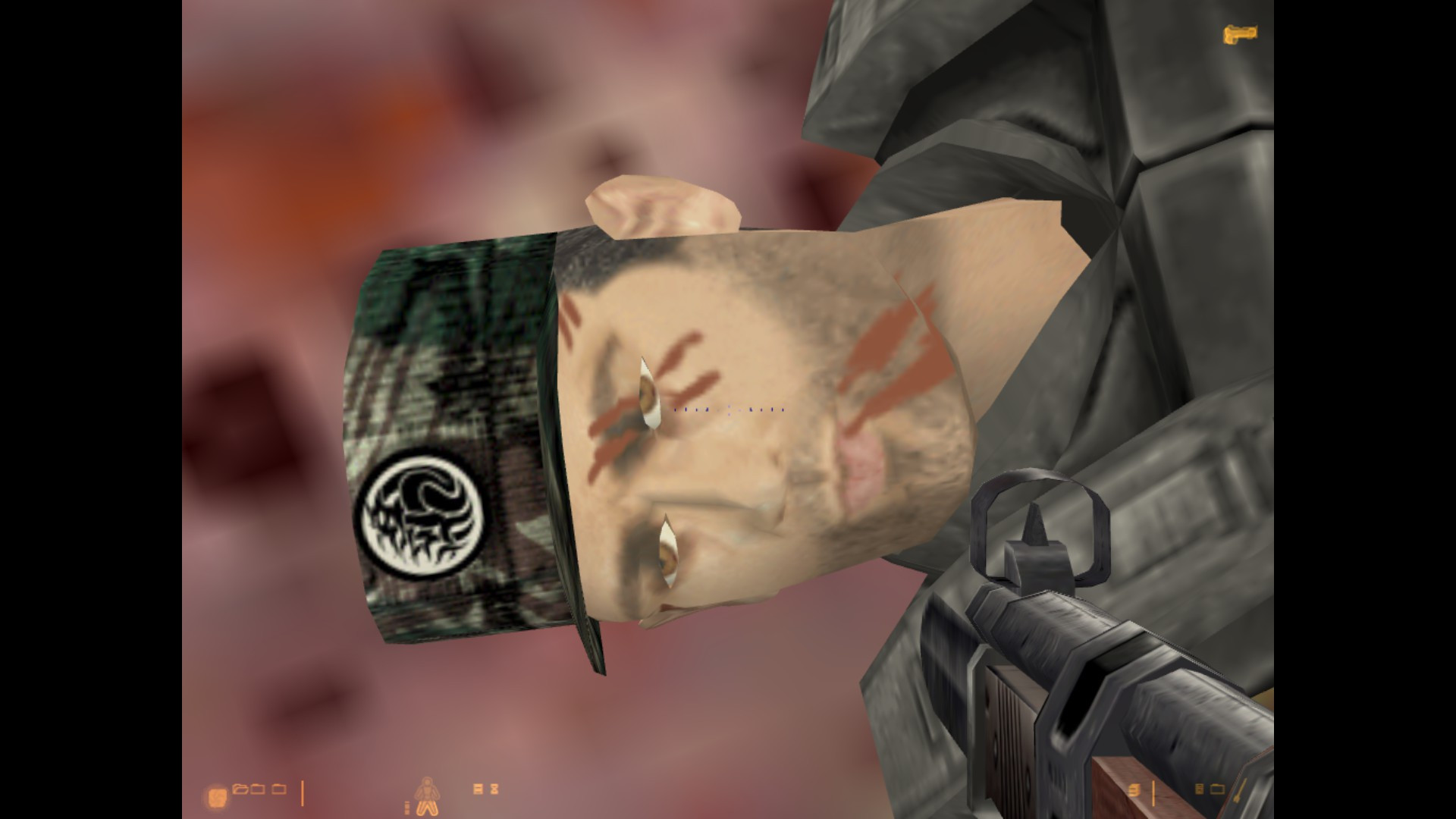
SCP MTF Epsilon-11 Mobile Task Force Operations and Controversies
Mobile Task Force Epsilon-11, colloquially designated "Nine-Tailed Fox," serves as a premier internal security and emergency response unit within the SCP Foundation. Primarily tasked with the containment of containment breaches and the...
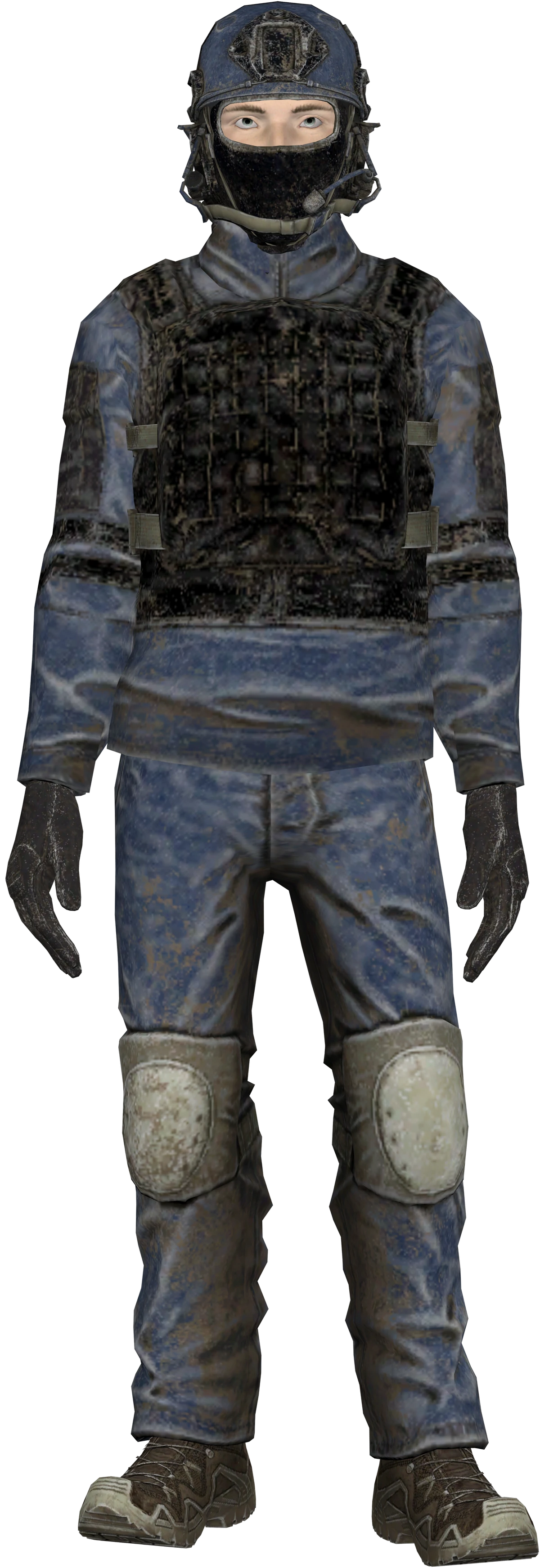
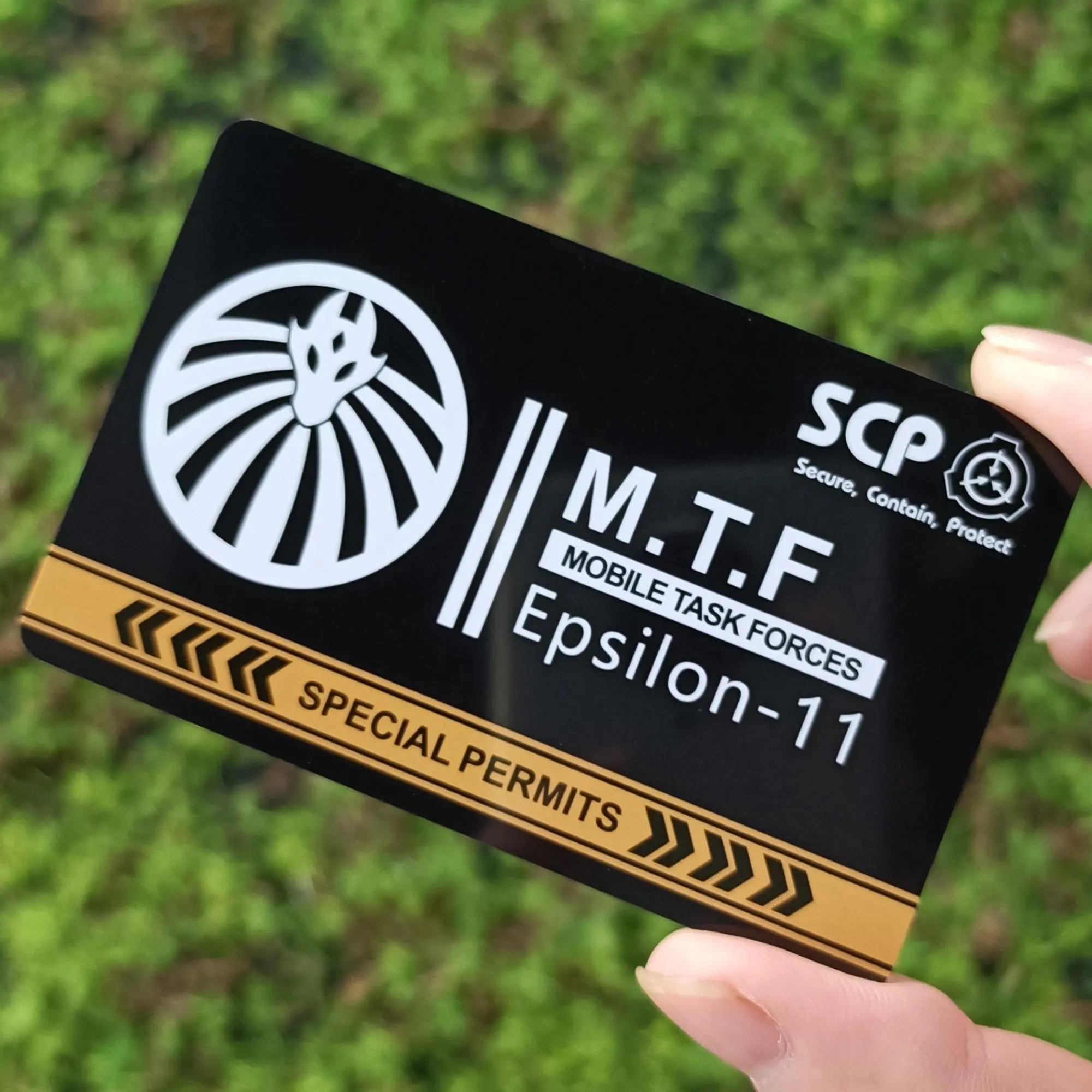
Mobile Task Force Epsilon-11, colloquially designated "Nine-Tailed Fox," serves as a premier internal security and emergency response unit within the SCP Foundation. Primarily tasked with the containment of containment breaches and the restoration of order at Foundation facilities, the unit operates as a paramilitary force specialized in high-stakes urban combat, tactical containment, and facility lockdown protocols. While legendary in the Foundation's annals for their high success rate, their operations are frequently scrutinized due to their aggressive tactical doctrine and the high collateral damage associated with their deployments.
Contents
Organizational Mandate and Operational Scope
Epsilon-11 is explicitly designed to handle "worst-case scenario" events. Unlike research-oriented task forces, Epsilon-11 maintains a strictly combat-ready profile. Their primary mandate is the protection of Foundation personnel and assets during catastrophic containment failures, wherein multiple SCP objects have breached their containment cells, rendering standard facility security ineffective.
The unit’s operational footprint is defined by rapid deployment and heavy armament. When a site undergoes a lockdown—often referred to as a "Site-Wide Containment Breach"—Epsilon-11 is dispatched to neutralize threats, secure critical infrastructure (such as the Alpha Warhead control rooms), and facilitate the safe evacuation of essential staff. Their presence is a hallmark of a facility in total crisis, and they are authorized to use lethal force against both anomalous entities and, when deemed necessary to preserve the secrecy of the Foundation, unauthorized human personnel.
Standard Tactical Equipment
To perform their duties, Epsilon-11 operators utilize equipment exceeding that of standard Security Department personnel. Their gear often includes:
- Tactical Armor: High-density, impact-resistant plating designed to withstand anomalous kinetic and energy-based attacks.
- Containment Hardware: Specialized suppression devices tailored to the specific SCPs known to be housed at a site.
- Neural Dampening Gear: Equipment intended to mitigate the effects of cognitohazardous entities during breach scenarios.
- Automated Response Systems: Control overrides for facility security doors, ventilation, and lockdown shutters.
Controversies and Operational Criticisms
Despite their necessity, Epsilon-11 is frequently the subject of internal debate among the Foundation’s Oversight Committee and the Ethics Committee. The primary criticism centers on the unit’s "scorched earth" approach to containment.
Collateral Damage and Ethical Concerns
The most significant controversy stems from the unit’s prioritization of containment over individual life. During a major breach, Epsilon-11 operations often result in significant casualties among lower-level researchers and site staff. Critics argue that the unit’s doctrine places excessive value on the containment of SCP objects at the expense of human life. In scenarios where a facility cannot be stabilized, Epsilon-11 is often tasked with initiating total site termination—a final measure that precludes the survival of any remaining personnel on-site.
Escalation of Force
Operations logs have occasionally indicated that Epsilon-11 personnel utilize excessive force when dealing with human threats, including D-Class personnel or civilian witnesses. While the Foundation justifies this under the mandate of absolute secrecy (the "Masquerade"), the Ethics Committee has periodically opened investigations into whether the unit’s aggressive training predisposes operators to bypass de-escalation protocols in favor of immediate lethal neutralizations.
Operational Autonomy
There is also a persistent concern regarding the unit’s autonomy. Given the chaos of the environments in which they operate, Epsilon-11 field commanders are often granted high degrees of discretionary power. This allows them to make rapid, decisive changes to containment strategies, but it has historically led to instances where the unit’s actions diverged from the specific directives provided by the Site Director, creating friction between on-site command and tactical teams.
Comparative Analysis of Foundation Task Forces
To understand Epsilon-11’s unique position, one must contrast it with other specialized Foundation units. The following table highlights the operational distinctions between Epsilon-11 and other common task force archetypes.
| Task Force Designation | Primary Function | Operational Environment | Force Projection |
|---|---|---|---|
| Epsilon-11 | Breach Containment | Interior/Facility | High/Aggressive |
| Alpha-1 | Internal Security | Administrative/Executive | High/Covert |
| Mu-13 | Ghost Containment | Dispersed/Urban | Moderate/Technical |
| Beta-7 | Bio-Hazard Containment | Contaminated Zones | Variable/Support |
As shown, while units like Beta-7 focus on the technical aspects of bio-hazardous containment, Epsilon-11 focuses specifically on the re-containment of entities through physical force. This distinction makes them the Foundation's "firefighters," called in only when the house is already burning.
Procedural Requirements for Deployment
Deployment of Epsilon-11 is not a routine occurrence. It requires a formal declaration of a Site-Wide Containment Breach, usually confirmed by at least two senior staff members or an automated site diagnostic system. Once activated, the following standard operating procedures are enforced:
- Transport Authorization: Epsilon-11 units are mobilized via dedicated air or underground transport, bypassing standard regional logistics.
- Facility Lockdown: Upon arrival, the unit assumes command of the facility's security grid. All site personnel are ordered to designated safe zones.
- Containment Sweep: The unit clears facility sectors one by one, focusing on primary containment wings before addressing peripheral zones.
- Debrief and Investigation: Post-operation, the unit must submit a comprehensive report to the Foundation Command. Any civilian fatalities or ethical breaches are investigated by the Ethics Committee to determine if the deployment remained within the scope of Foundation policy.
Frequently Asked Questions
Why is Epsilon-11 nicknamed "Nine-Tailed Fox"? The moniker is derived from the unit’s modular, multi-pronged approach to containment. Like the mythical entity, the task force is known for its ability to attack from multiple directions simultaneously and its perceived "nine lives" during high-fatality engagements.
Are Epsilon-11 operators considered expendable? While the Foundation invests significant resources into their training, the nature of their work means that high casualty rates are accepted as a statistical reality. They are not treated as expendable, but the missions they undertake are recognized as having the highest mortality risk in the organization.
Can Epsilon-11 be deployed to recover SCPs in the field? Generally, no. Field recovery of SCP objects is typically the responsibility of specialized units like Mobile Task Force Alpha-4 ("Pony Express") or Rho-9 ("Technical Support"). Epsilon-11 is strictly an interior containment breach unit.
What happens if Epsilon-11 fails to contain a breach? If Epsilon-11 fails to stabilize a site, the contingency plan often escalates to the activation of the facility’s nuclear self-destruct mechanism. Epsilon-11’s role in this is to hold the line until the countdown timer expires, ensuring the breach remains contained within the site's blast radius.
How does the Ethics Committee monitor Epsilon-11? The committee reviews the After-Action Reports (AARs) of every deployment. While they rarely have the power to stop a mission in progress, they use these reviews to recommend training adjustments or disciplinary actions against field commanders who exhibit patterns of unnecessary violence.
Final Guidance for Foundation Personnel
For personnel operating in high-risk facilities, the arrival of Epsilon-11 should be viewed as a definitive end to standard protocols. If a containment breach occurs, prioritize your evacuation to a designated safe zone immediately. Do not attempt to coordinate with Epsilon-11 unless you are specifically tasked with supporting their operations. Following the unit's directives is mandatory; attempting to intervene in their tactical decisions is considered a breach of Foundation safety regulations and may be met with severe disciplinary consequences.
Image Gallery