How Interview Tops for Women Shape Hiring Decisions and Professional First Impressions
How interview tops for women shape hiring involves the psychological impact of professional attire on recruiter perception, non-verbal communication, and the reinforcement of candidate competence during job interviews. While profession...
How interview tops for women shape hiring involves the psychological impact of professional attire on recruiter perception, non-verbal communication, and the reinforcement of candidate competence during job interviews. While professional skills and experience remain the core determinants of employment, visual presentation creates an immediate psychological framework through which hiring managers evaluate credibility, cultural fit, and attention to detail.
Contents
The Psychology of Professional Attire in Modern Recruitment
The human brain processes visual information in milliseconds, forming initial impressions long before a candidate articulates their first qualification. In high-stakes professional environments, these snap judgments influence how an interviewer interprets subsequent verbal statements. When examining how interview tops for women shape hiring outcomes, organizational psychologists point to the concept of "enclothed cognition"—the systematic way clothing alters psychological processes and self-assurance.
When a candidate wears a carefully chosen, well-fitting interview top, their posture, vocal projection, and cognitive performance often shift. Conversely, hiring managers utilize visual cues to gauge a candidate's grasp of industry norms. A top that strikes the right balance between professionalism and personal style signals that the applicant understands workplace expectations. This alignment reduces cognitive friction for the interviewer, allowing them to focus entirely on the candidate’s qualifications rather than evaluating a distracting or inappropriate wardrobe choice.
Non-Verbal Communication and Corporate Culture Alignment
Non-verbal communication accounts for a substantial portion of interpersonal messaging during a job interview. Clothing acts as a visual shorthand for competence, reliability, and respect for the hiring institution. Different industries maintain distinct expectations regarding professional dress, making the selection of an interview top a strategic decision that bridges personal identity with corporate culture:
- Corporate Finance and Law: These sectors favor structured, conservative garments such as tailored silk blouses or crisp button-downs in neutral palettes, signaling adherence to formal governance and risk management.
- Creative Agencies and Marketing: These environments welcome expressive tailoring, subtle textures, or artistic color accents in blouses and knitwear, demonstrating creative thinking while maintaining executive polish.
- Tech Startups and Modern Enterprises: Smart-casual aesthetics thrive here, where premium knit tops or minimalist collarless blouses communicate adaptability, modern efficiency, and approachability.
Structural Elements of Effective Interview Tops
Selecting the right garment requires evaluating several structural elements, including neckline geometry, fabric composition, color psychology, and overall fit. Each element contributes to how the garment frames the face and interacts with structured outerwear like blazers or cardigans.
Necklines and Framing
The neckline of an interview top dictates how the garment anchors professional layering. Classic necklines draw visual focus toward the face, facilitating strong eye contact during high-engagement discussions:
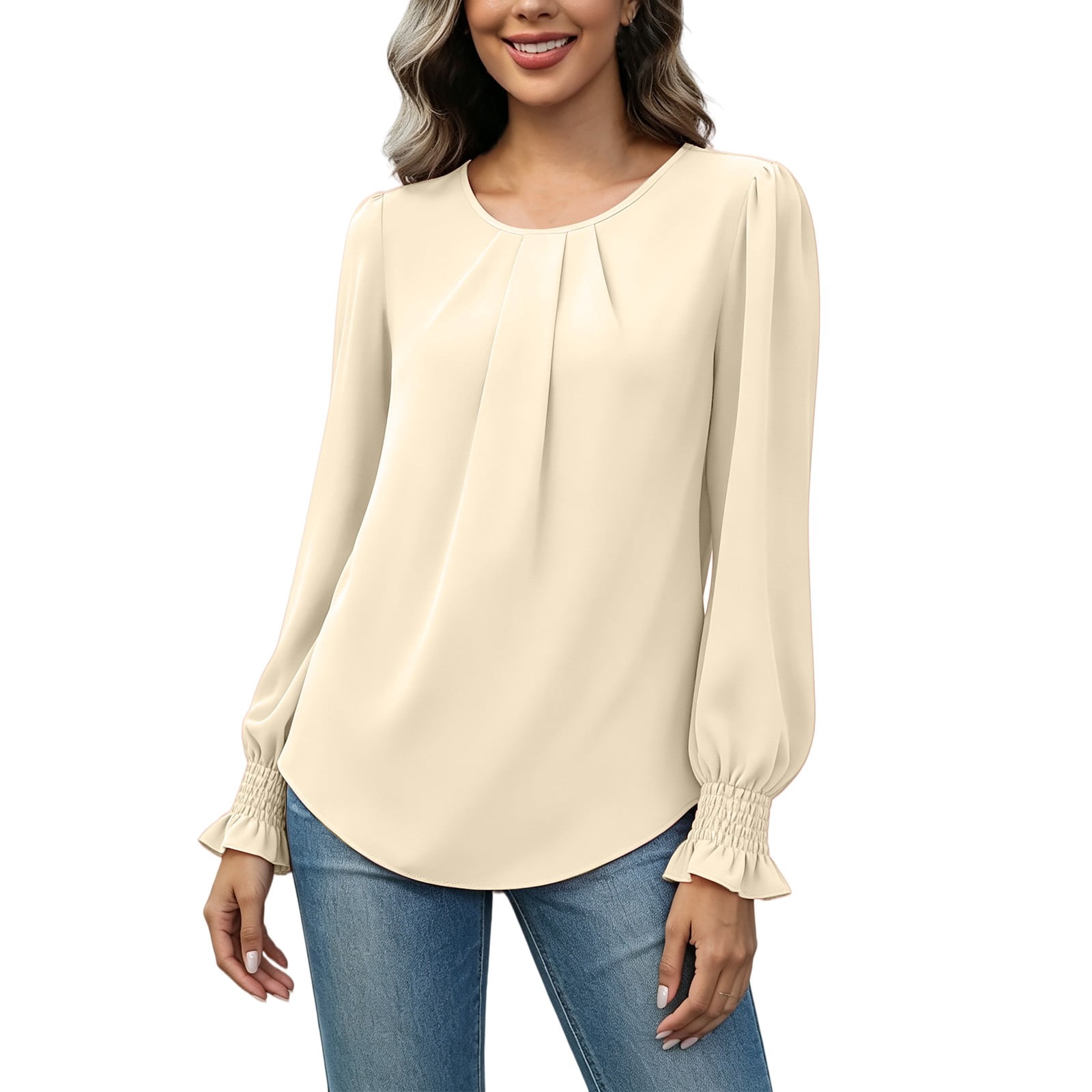
- Crew Necks and Mock Necks: Offer a modest, structured look that pairs exceptionally well with collarless blazers or modern tweed jackets.
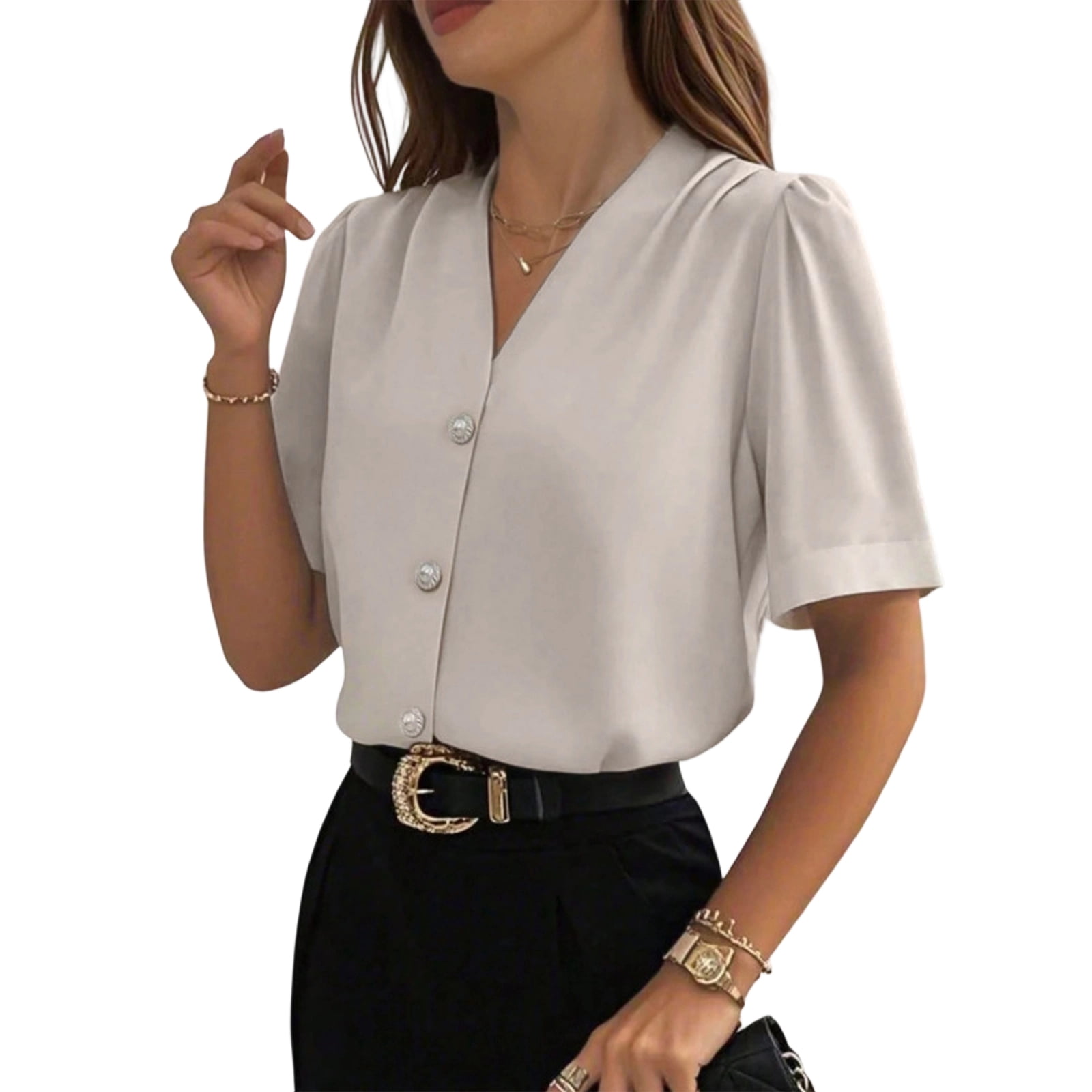
- V-Necks and Scoop Necks: Provide an elongating silhouette that looks polished under traditional tailored suit jackets without exposing excessive skin.
- Boatnecks: Deliver an elegant, architectural aesthetic that conveys refinement and traditional executive presence.
Fabric Integrity and Maintenance
Fabric quality directly affects both physical comfort and visual presentation throughout a lengthy interview process. Natural fibers and high-grade blends maintain their structural integrity under stressful conditions, preventing wrinkles and slouching.
| Fabric Type | Primary Benefits | Ideal Use Case | Maintenance Notes |
|---|---|---|---|
| Pure Silk | Luxurious drape, breathable, temperature-regulating | Formal corporate roles, executive interviews | Requires dry cleaning or delicate hand washing |
| Crepe de Chine | Matte texture, minimal wrinkling, elegant movement | Client-facing positions, consulting, finance | Durable, but requires careful pressing on low heat |
| Cotton-Blend Poplin | Crisp structure, highly breathable, professional opacity | Traditional office environments, administrative roles | Prone to wrinkling; requires starching or professional pressing |
| Fine-Gauge Merino Wool | Exceptional warmth, lightweight, holds shape well | Fall/winter interviews, cooler climate offices | Hand wash or dry clean to prevent shrinking |
Color Psychology and Visual Balance
Color selection plays a critical role in how interview tops for women shape hiring perceptions. Colors evoke subconscious emotional and psychological responses from hiring managers, subtly reinforcing the narrative of the candidate's professional demeanor.
Strategic Color Categories
- Navies and Deep Blues: Universally accepted across all industries, blue communicates trust, reliability, authority, and analytical stability. A navy silk blouse worn under a charcoal suit establishes immediate credibility.
- Soft Whites, Ivories, and Creams: These shades provide clean contrast under darker blazers. They project clarity, organization, and a meticulous attention to detail.
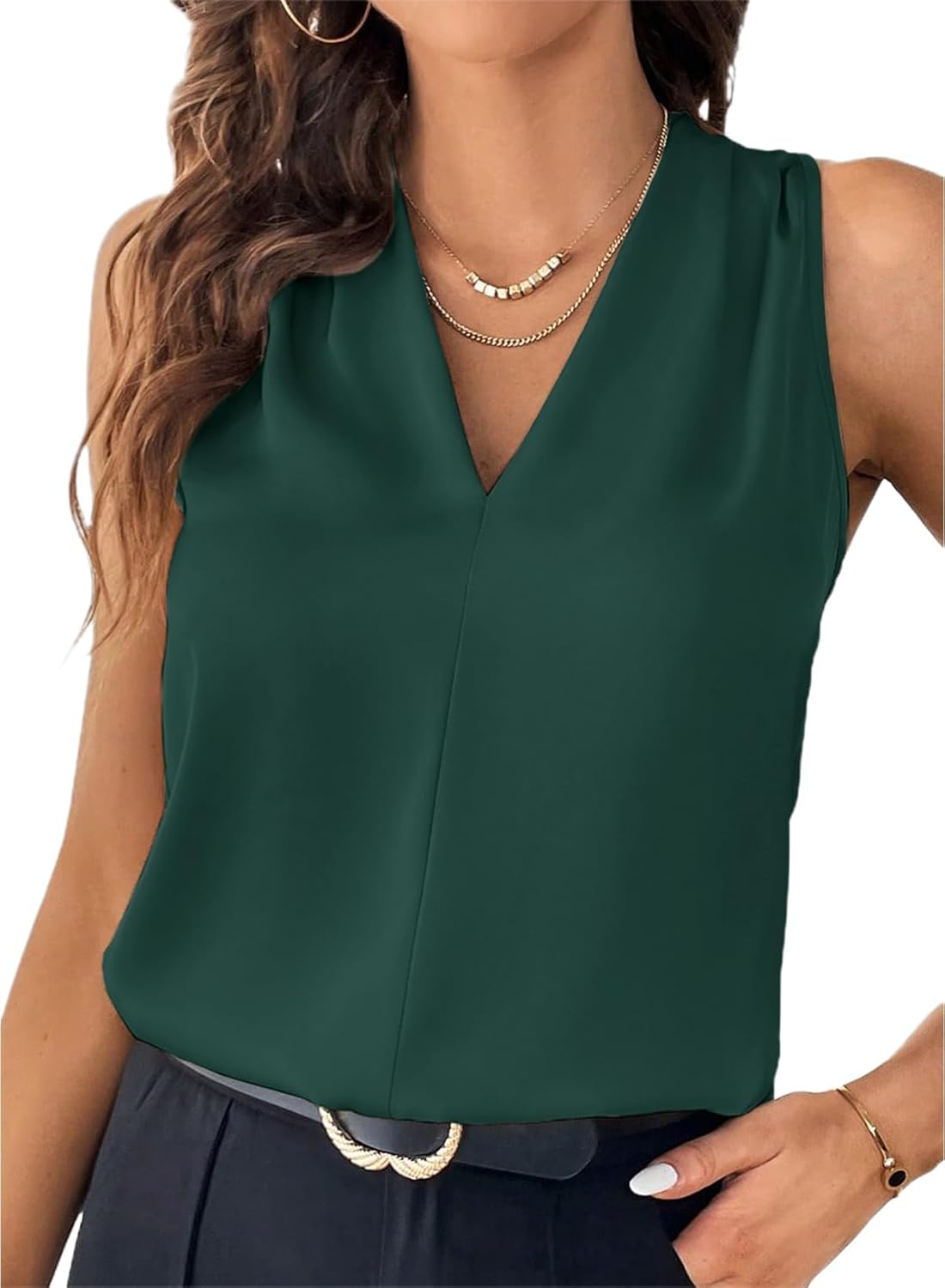
- Muted Jewel Tones (Emerald, Burgundy, Plum): When used thoughtfully, these colors demonstrate confidence and individuality without crossing into unprofessional distraction. They work exceptionally well in creative and managerial fields.
- Managing Bright Hues: Neon colors, overly saturated primaries, and busy geometric patterns can distract the interviewer's attention away from the conversation. Keeping saturated colors to small accents or avoiding them entirely ensures the focus remains on professional competencies.
Common Mistakes in Interview Wardrobe Selection
Navigating interview dress codes involves avoiding common pitfalls that can undermine an otherwise stellar candidate profile. Understanding these missteps helps ensure the chosen top enhances rather than detracts from the interview performance.
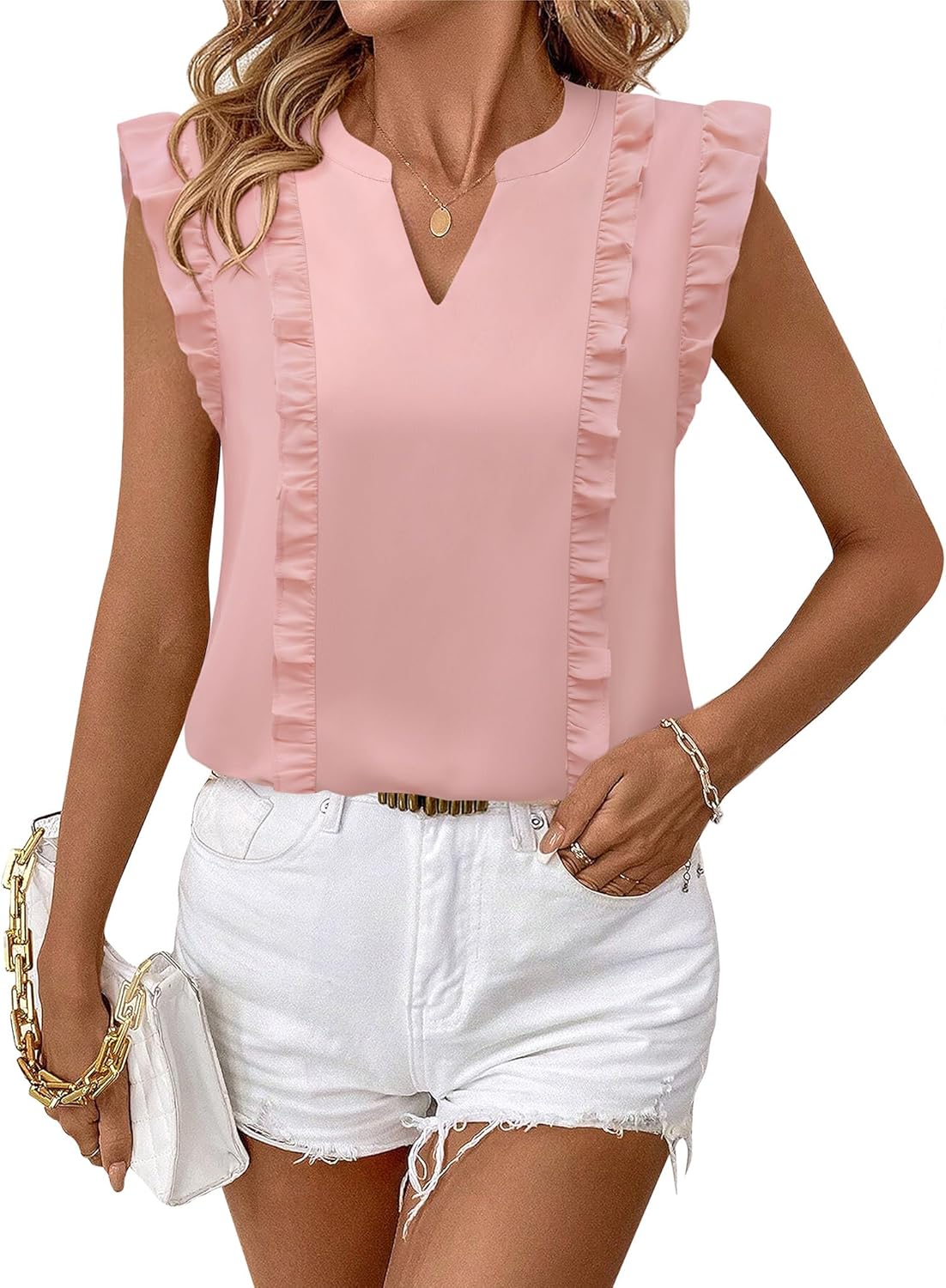
- Over-Reliance on Trendy Silhouettes: Fast-fashion trends with exaggerated ruffles, dramatic cutouts, or extreme asymmetry can appear unprofessional or unsuited for traditional workplaces.
- Ignoring Fabric Opacity: Sheer or translucent fabrics without proper lining can cause anxiety and discomfort under harsh interview lighting. Layering camisoles or selecting opaque weaves prevents wardrobe malfunctions.
- Disregarding Fit and Proportion: Tops that are overly tight restrict movement and cause physical distraction, while excessively loose garments lack the tailored precision required for executive presentation.
- Neglecting Virtual Interview Considerations: In remote or hybrid recruitment scenarios, tops must be evaluated through a webcam. High-contrast patterns can strobe or pixelate on screen, making solid, saturated jewel tones or rich neutrals a safer choice for video calls.
Frequently Asked Questions
Do interview tops for women need to be button-down shirts?
No. While traditional button-down shirts are standard in conservative fields, modern professional standards accept a wide variety of silhouettes. High-quality knit shells, collarless silk blouses, and tailored wrap tops are all appropriate as long as they maintain a modest, structured appearance and fit well under outerwear.
How do I choose the right color interview top for a virtual interview?
For video interviews, select solid, rich colors that contrast with your background environment without clashing. Avoid stark white, which can blow out camera exposure, and fine houndstooth or small checks, which create an optical distortion known as moiré patterns on digital displays.
Is it acceptable to wear a sleeveless top to a job interview?
Sleeveless tops can be acceptable in warm climates or creative industries, provided they feature a wide, structured shoulder cut rather than thin spaghetti straps. However, wearing a blazer, cardigan, or tailored jacket over the top remains the safest approach for traditional corporate environments.
What is the best fabric for year-round interview wear?
Silk crepe, lightweight cotton blends, and fine-gauge merino wool offer year-round versatility. These materials breathe well in heated or air-conditioned offices while maintaining a crisp, professional drape that resists wrinkling during travel.
How can I ensure my interview top fits correctly?
A properly fitting interview top should lie flat across the chest without pulling at the buttons or seams, allow full range of motion in the shoulders and arms, and remain neatly tucked into trousers or skirts without bunching or billowing around the waistline.
Strategic Next Actions for Interview Preparation
To translate wardrobe preparation into interview success, evaluate the specific cultural norms of the target company and align your attire accordingly. Pair your chosen interview top with well-maintained trousers or a tailored skirt, and verify the entire outfit ahead of time to eliminate last-minute stress. By combining meticulous personal presentation with thorough preparation of your professional qualifications, you project the confidence and competence necessary to secure the position.
Image Gallery