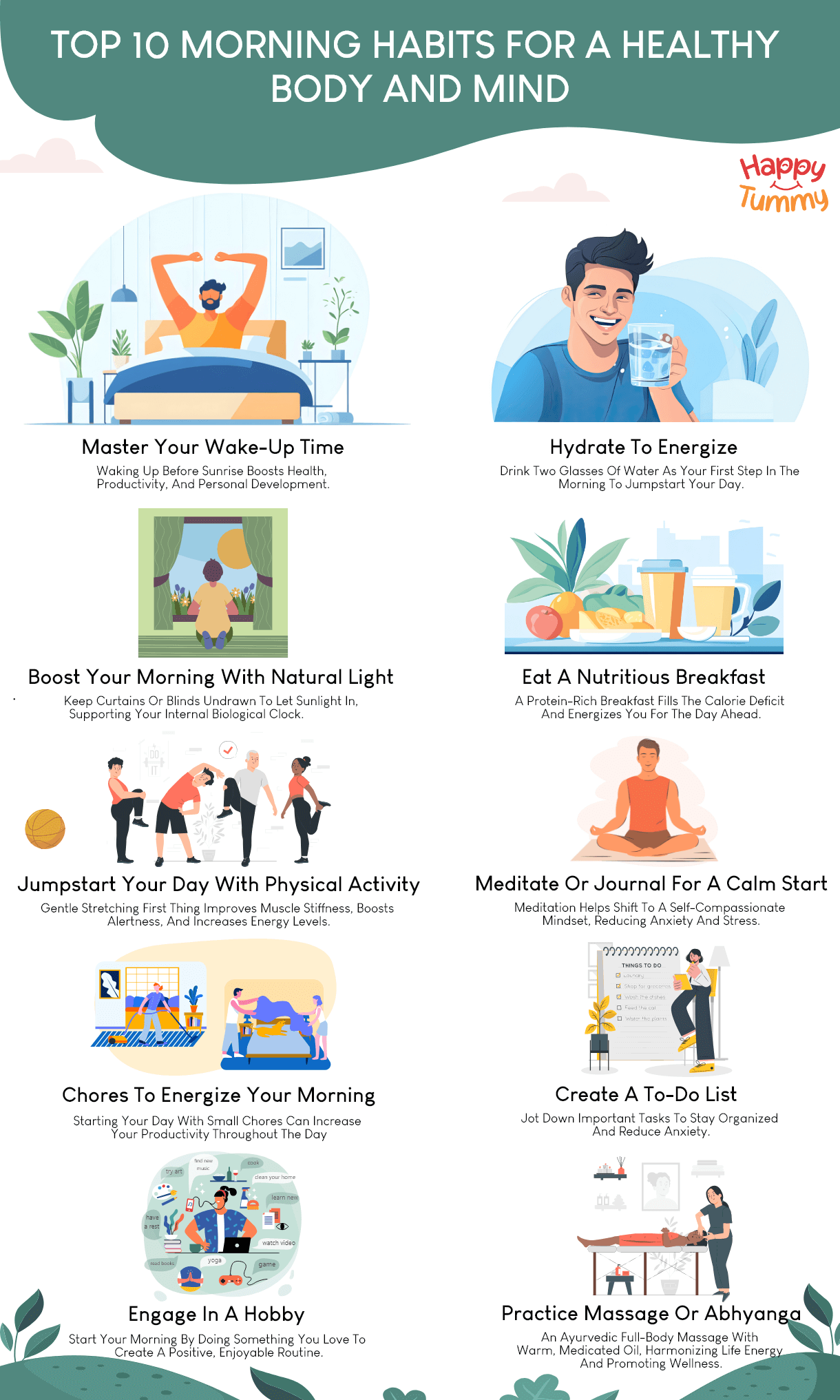
Scientific and Practical Morning Habits for Good Health in 2026
To achieve optimal health, your morning habits should focus on regulating your circadian rhythm, rehydrating the body, and stabilizing blood glucose. Prioritizing natural light exposure within 30 minutes of waking, consuming at least 3...
To achieve optimal health, your morning habits should focus on regulating your circadian rhythm, rehydrating the body, and stabilizing blood glucose. Prioritizing natural light exposure within 30 minutes of waking, consuming at least 30 grams of protein, and engaging in light physical movement creates a hormonal environment that supports sustained energy and mental clarity throughout the day.
Contents
The Biological Foundation of Morning Routines
The efficacy of a morning routine is not merely a matter of discipline; it is rooted in chronobiology. By 2026, the scientific understanding of the Suprachiasmatic Nucleus (SCN)—the body's master internal clock—has become central to personal wellness. This cluster of neurons in the hypothalamus coordinates the release of hormones like cortisol and melatonin based on environmental cues.
When you wake up, your body undergoes the Cortisol Awakening Response (CAR). This is a natural spike in cortisol levels that helps you transition from sleep to alertness. Healthy morning habits are designed to complement this spike rather than disrupt it. For instance, consuming caffeine immediately upon waking can interfere with this natural process, often leading to a mid-afternoon crash. Instead, delaying caffeine intake by 60 to 90 minutes allows the body's natural adenosine clearance to occur, resulting in more stable energy levels.
Furthermore, your morning choices dictate your metabolic flexibility. Starting the day with high-glucose foods triggers an insulin spike that can lead to energy fluctuations and cravings later in the day. By focusing on stabilizing your internal environment through specific, evidence-based habits, you establish a physiological "baseline" that enhances both physical resilience and cognitive performance.
Essential Hydration and Metabolic Activation
After six to nine hours of sleep, the human body is in a state of mild dehydration. Water is lost through respiration and perspiration during the night, leading to a decrease in blood volume and a slowing of metabolic processes.
The Role of Cellular Rehydration
Drinking 500ml to 700ml of water immediately upon waking is one of the most effective ways to "reboot" your internal systems. This isn't just about quenching thirst; it’s about cellular osmosis. Proper hydration in the morning facilitates the transport of nutrients into cells and the removal of metabolic waste products that accumulated during the brain's "glymphatic" cleaning process during sleep.
Many health practitioners in 2026 recommend adding a pinch of high-quality sea salt or a dedicated electrolyte powder to morning water. This provides essential minerals like sodium, potassium, and magnesium, which are necessary for nerve signaling and muscle function. Hydration without electrolytes can sometimes lead to further dilution of minerals, leaving you feeling sluggish despite drinking plenty of fluids.
Metabolic Ramping
Hydration also signals the digestive system to begin moving. This is often referred to as the gastrocolic reflex. By introducing water (especially room temperature or slightly warm water), you stimulate peristalsis, the muscle contractions that move food through the digestive tract. This helps maintain regular bowel movements, which is a cornerstone of gut health and systemic detoxification.
Environmental Stimuli: The Power of Natural Light
Perhaps the most critical morning habit for good health is viewing natural sunlight shortly after waking. This practice is the primary "Zeitgeber" (time-giver) for the human body.
Regulating the Circadian Rhythm
When photons from sunlight hit the melanopsin-containing ganglion cells in your eyes, they send a direct signal to the SCN to suppress melatonin production and increase cortisol. This sets a timer for the rest of your day. Specifically, morning light exposure helps determine when your body will begin producing melatonin again in the evening, making it easier to fall asleep at night.
Even on cloudy days in 2026, the lux (light intensity) provided by the sky is significantly higher than that of standard indoor office lighting. Aiming for 10 to 20 minutes of direct outdoor light—without sunglasses—is sufficient to trigger these biological processes. According to the Sleep Foundation, consistent light exposure is the most effective non-pharmacological way to improve sleep quality and daytime alertness.
Vitamin D and Mood Regulation
While the primary goal of early morning light is circadian alignment, later morning sun (depending on your latitude) can also contribute to Vitamin D synthesis. Furthermore, sunlight exposure triggers the release of serotonin, a neurotransmitter that plays a vital role in mood regulation, focus, and calm. Individuals who skip this habit often report higher levels of "seasonal" or morning-onset lethargy.
Optimized Nutrition for Sustained Vitality
In 2026, the shift away from high-carbohydrate breakfasts (like cereal or toast) is well-documented. For optimal health, the first meal of the day should be focused on protein and healthy fats.
The 30-Gram Protein Target
Consuming at least 30 grams of protein in the morning is a strategy used to manage satiety and preserve muscle mass. Protein has a high thermic effect of food (TEF), meaning the body burns more energy digesting protein than it does digesting fats or carbohydrates.
Moreover, protein intake in the morning provides the amino acids necessary for neurotransmitter production. For example, the amino acid tyrosine is a precursor to dopamine, which influences motivation and drive. Common 2026 breakfast standards include:
- Pasture-raised eggs with avocado.
- Greek yogurt with chia seeds and walnuts.
- A high-quality whey or plant-based protein shake.
Managing Insulin Sensitivity
By avoiding refined sugars and excessive flours in the morning, you maintain high insulin sensitivity. A "glucose-first" morning leads to a "glucose-dependent" day, where your energy levels are tied to the frequent consumption of snacks. By starting with protein and fats, you encourage the body to utilize stored body fat for fuel, a state often referred to as being "metabolically flexible."
Physical Priming and Lymphatic Flow
You do not need an hour-long gym session to reap the benefits of morning movement. The goal of early physical activity is to "prime" the body, increase core temperature, and facilitate lymphatic drainage.
The Importance of Lymphatic Drainage
Unlike the circulatory system, which has the heart to pump blood, the lymphatic system relies on muscle movement to circulate lymph fluid. This fluid is responsible for carrying white blood cells throughout the body and removing toxins. Five to ten minutes of stretching, yoga, or a brisk walk is enough to stimulate this system.
Low-Impact vs. High-Impact Movement
For many, a low-impact "Zone 2" walk is the ideal morning activity. It increases heart rate slightly without inducing the high stress associated with intense HIIT workouts, which might be too taxing if you didn't sleep well. However, if your goal is metabolic conditioning, a short burst of resistance training can further enhance insulin sensitivity for the next 24 hours.
| Habit | Primary Benefit | Recommended Duration | Scientific Mechanism |
|---|---|---|---|
| Hydration | Cellular function & digestion | 2-5 minutes | Restores blood volume; triggers peristalsis. |
| Sunlight Exposure | Circadian alignment | 10-20 minutes | Suppresses melatonin; sets sleep-wake timer. |
| Protein-Rich Breakfast | Satiety & muscle health | 15-20 minutes | Stabilizes blood glucose; provides amino acids. |
| Light Movement | Lymphatic drainage | 5-15 minutes | Increases core temperature; moves lymph fluid. |
| Mindfulness/Breathwork | Stress management | 5-10 minutes | Activates parasympathetic nervous system. |
| Digital Detox | Focus & dopamine control | 30-60 minutes | Prevents reactive brain states; reduces anxiety. |
Psychological Grounding: Avoiding the Digital Trap
One of the most detrimental modern habits is checking a smartphone immediately upon waking. This places the brain in a reactive state, where you are responding to emails, news, and social media notifications before you have even established your own priorities for the day.
Dopamine Management
Early morning digital consumption triggers a dopamine loop that can decrease your attention span and increase anxiety. In 2026, high-performance individuals treat the first hour of the day as a "no-phone zone." This allows the brain to transition naturally from Alpha or Theta brainwave states (associated with creativity and relaxation) to a focused Beta state.
Mindfulness and Intentionality
Instead of scrolling, spend five minutes in silence, journaling, or practicing deep breathing. This activates the parasympathetic nervous system, counteracting the initial cortisol spike of the CAR and ensuring you enter the day from a place of calm rather than frantic urgency.
Troubleshooting and Implementation
The most common mistake people make when establishing morning habits for good health is attempting too much at once. This leads to "habit fatigue."
The Habit Stacking Method
The most effective way to implement these changes is through "habit stacking," a concept popularized in behavioral psychology. You anchor a new habit to an existing one. For example:
- After I get out of bed, I will drink 500ml of water (Hydration).
- While I drink my water, I will stand by a window or go outside (Light exposure).
- After I finish my light exposure, I will do 10 air squats (Movement).
Bio-Individual Adjustments
It is important to remember that routines are not one-size-fits-all. A parent with young children may only have 10 minutes to spare, while a remote worker may have an hour. According to the Centers for Disease Control and Prevention (CDC), consistency is more important than duration. Even a "micro-routine" of two minutes of deep breathing and a glass of water can significantly impact long-term health outcomes if performed daily.
FAQs
Can I drink coffee first thing in the morning?
While not "harmful," drinking coffee immediately upon waking can interfere with your natural cortisol production. Experts suggest waiting about 90 minutes after waking. This allows your body to naturally clear adenosine (the molecule that makes you feel sleepy) so that when the caffeine does hit, it is more effective and less likely to cause a crash later.
Is it better to exercise before or after breakfast?
This depends on your goals. Exercising in a "fasted" state (before breakfast) can increase fat oxidation, which may be beneficial for weight management. However, performing a high-intensity workout after a protein-rich meal may improve performance and muscle recovery. For general health, the best time is simply whenever you can be most consistent.
What if I live in a place with very little morning sunlight?
In regions with dark winters or for people who wake up before the sun, a high-intensity light therapy box (10,000 lux) can serve as a substitute. These devices are designed to mimic the spectrum of sunlight and can be used for 20 minutes while you eat breakfast or work to help regulate your circadian rhythm.
How much water is too much in the morning?
While hydration is key, excessive water consumption (several liters in a short period) can lead to hyponatremia, a condition where sodium levels in the blood become dangerously low. Sticking to 500ml-800ml is generally safe and effective for the average adult.
Do I have to wake up at 5:00 AM for these habits to work?
No. The "health" of a morning routine is determined by the sequence of habits and their biological impact, not the specific hour on the clock. Whether you wake at 5:00 AM or 9:00 AM, the physiological requirements—light, hydration, and protein—remain the same.
Practical Recommendation
To begin improving your health today, start with the "Rule of Three": drink 500ml of water, spend 10 minutes outdoors, and eat a breakfast with at least 30g of protein. Focus on mastering these three habits consistently for 21 days before adding more complex practices like cold exposure or intense exercise. By 2026 standards, the most successful health transformations are those built on these simple, science-backed foundations.
Image Gallery