Understanding No Full Coverage Auto Sales LLC: Business Model, Services, and Insurance Requirements
No Full Coverage Auto Sales LLC is a specialized used car dealership primarily known for offering vehicle sales with flexible insurance requirements. While most financed car purchases necessitate comprehensive and collision coverage, t...
No Full Coverage Auto Sales LLC is a specialized used car dealership primarily known for offering vehicle sales with flexible insurance requirements. While most financed car purchases necessitate comprehensive and collision coverage, this entity focuses on providing accessible transportation options for buyers who may prefer or only qualify for liability-only insurance under specific purchase conditions.
Contents
The Business Profile of No Full Coverage Auto Sales LLC
No Full Coverage Auto Sales LLC is an independent automotive dealership that operates within the secondary vehicle market. Registered as a Limited Liability Company (LLC), the business typically focuses on the "Buy Here, Pay Here" (BHPH) segment or high-risk consumer demographic. Based on historical registration data in states such as Indiana, the company serves a niche market of drivers who face barriers to traditional auto financing, such as low credit scores or the inability to afford the high premiums associated with "full coverage" insurance policies.
In 2026, the used car market continues to face pricing volatility, making the role of independent dealerships critical for regional economies. No Full Coverage Auto Sales LLC positions itself as a solution for individuals who need immediate, functional transportation without the stringent requirements imposed by major national lenders. By operating as an LLC, the business provides a structured legal framework for its sales operations, ensuring that transactions are handled according to state-specific motor vehicle dealer regulations.
The primary inventory at such a dealership usually consists of high-mileage, reliable older models that have a lower market value. This lower valuation is precisely what allows for the flexibility in insurance requirements that the company’s name suggests. When a vehicle’s actual cash value (ACV) falls below a certain threshold, the financial risk to the lender decreases, sometimes allowing for more lenient insurance mandates compared to a new or late-model luxury vehicle.
The Significance of the "No Full Coverage" Philosophy
The name "No Full Coverage Auto Sales LLC" directly addresses a major pain point for subprime borrowers: the cost of insurance. To understand why this business model exists, one must distinguish between the two primary types of auto insurance required in the United States.
Liability vs. Full Coverage
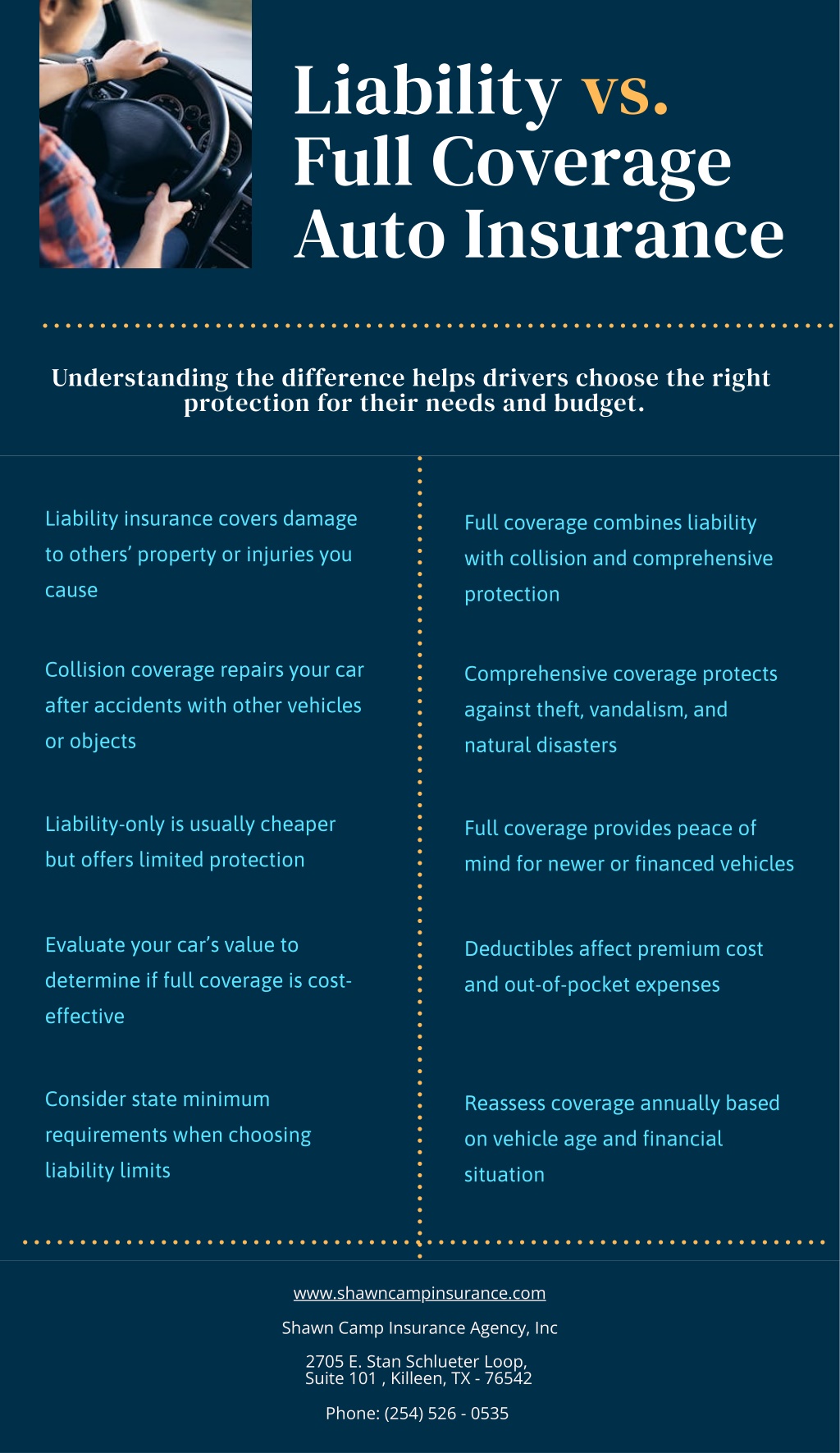
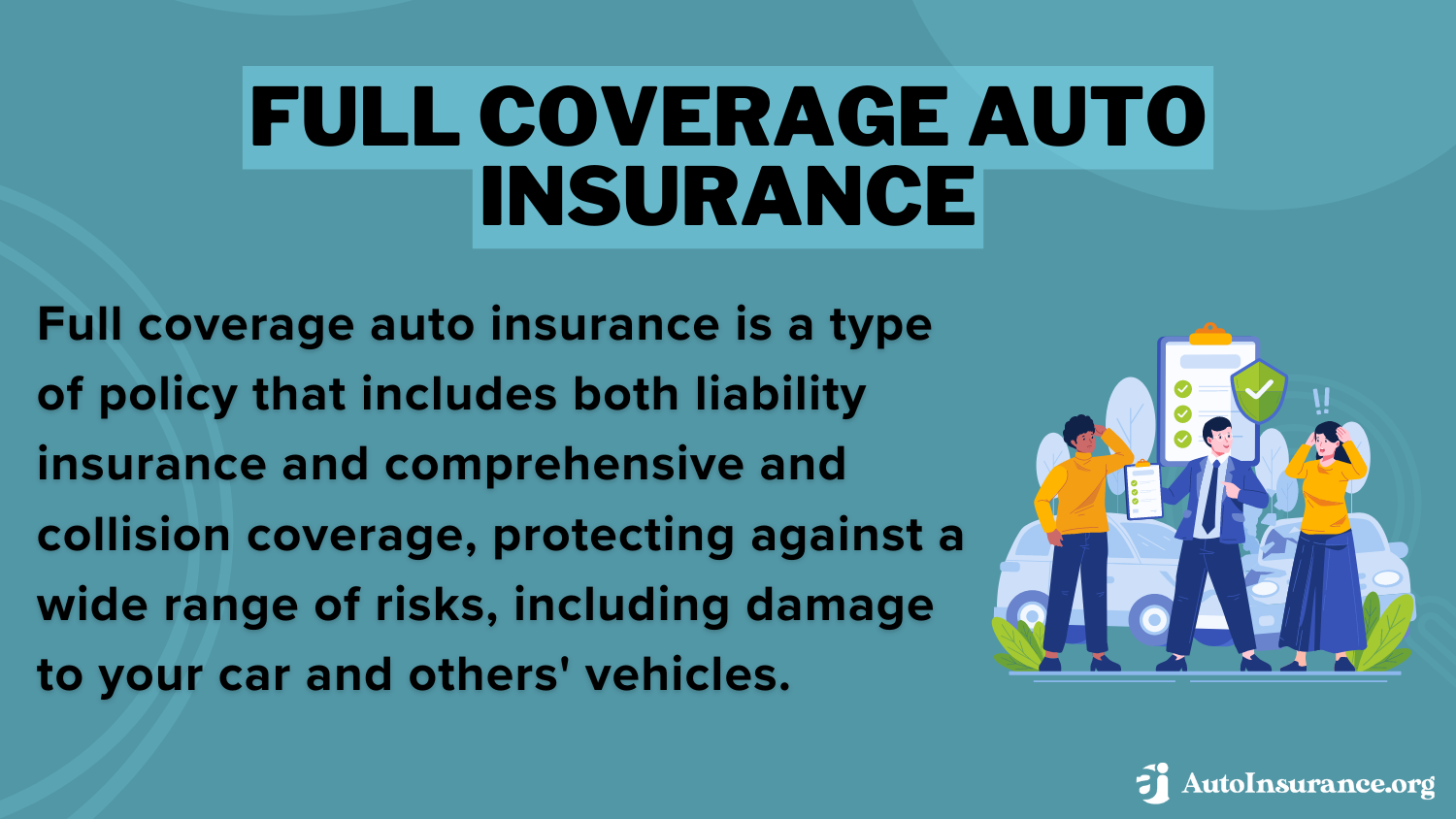
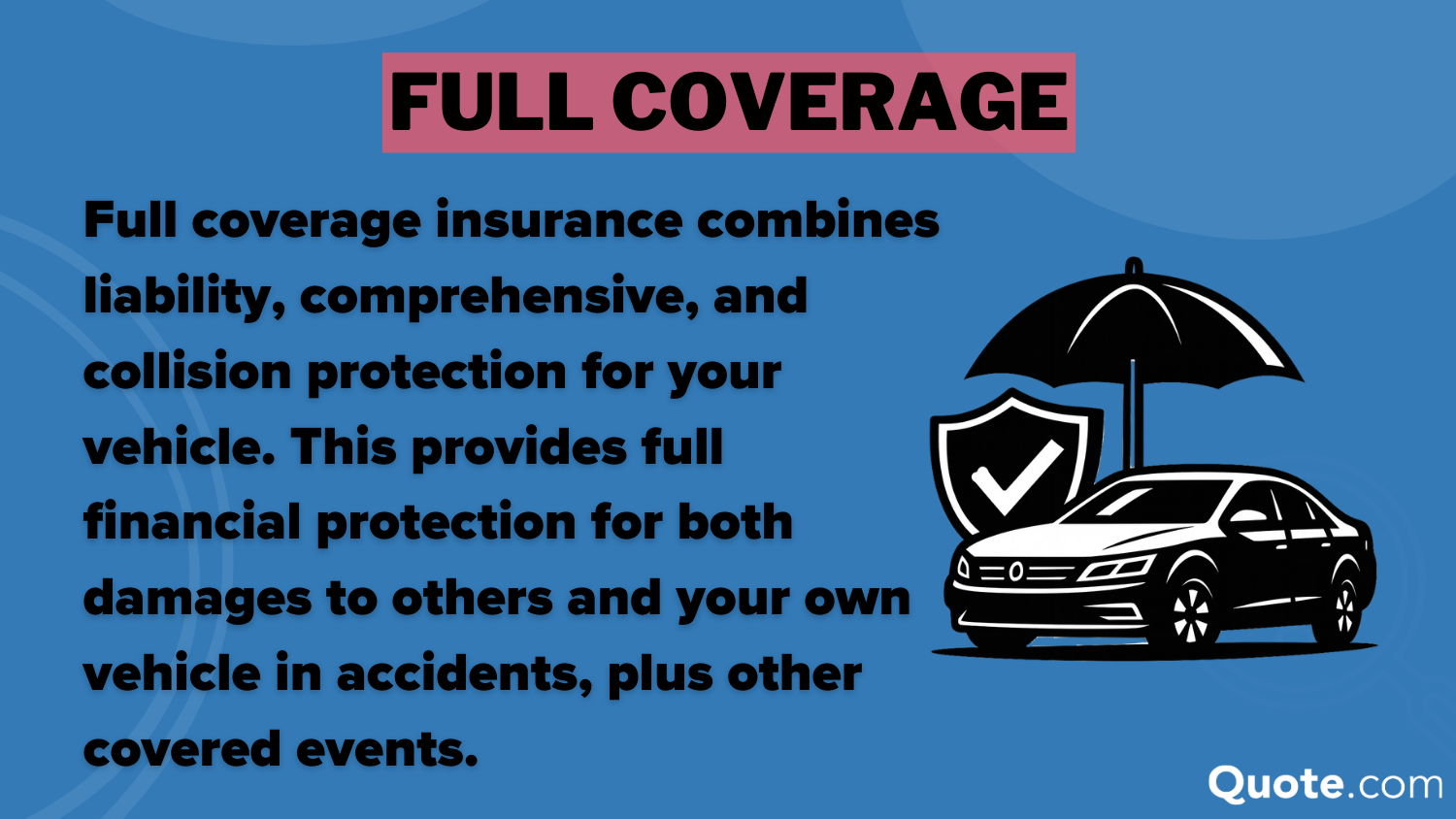
Most states require, by law, that every driver carries liability insurance. This covers bodily injury and property damage that the driver causes to others in an accident. However, "Full Coverage"—a colloquial term for a policy that includes Collision and Comprehensive coverage—is not a legal requirement by the state. Instead, it is a contractual requirement mandated by banks and finance companies.
Lenders require full coverage to protect their investment. If a financed car is totaled, the insurance company pays the lender the value of the car. At No Full Coverage Auto Sales LLC, the marketing hook suggests that buyers may be able to drive away while carrying only the state-mandated liability insurance. This is often possible because:
- In-House Financing: The dealership acts as the bank and chooses to waive the collision coverage requirement.
- Cash Sales: For buyers paying the full price upfront, no lender is involved, meaning the buyer is legally free to choose liability-only coverage.
- Low-Value Collateral: The vehicles sold may be priced at a point where the cost of full coverage insurance over two years would exceed the value of the car itself.
Navigating the Purchase Process in 2026
Purchasing a vehicle from a niche dealership like No Full Coverage Auto Sales LLC requires a different approach than visiting a franchised new-car dealer. In 2026, consumer protection laws have evolved to require more transparency in used car history, but the "As-Is" nature of many independent sales remains a standard practice.
Verification and Documentation
Before finalizing a deal, buyers must present several key documents. Even if "full coverage" isn't required, the dealership must comply with state laws regarding identity and residency.
- Proof of Identity: A valid driver's license is mandatory to ensure the buyer can legally operate the vehicle.
- Proof of Income: For those utilizing the "Pay Here" aspect of the business, recent pay stubs or bank statements are required to calculate a manageable payment plan.
- Proof of Liability Insurance: No car can legally leave a lot without at least the state-minimum liability coverage. Buyers should have their insurance agent on standby to add the new Vehicle Identification Number (VIN) to their policy before driving off.
Vehicle Inspections
Because No Full Coverage Auto Sales LLC deals in older inventory, the importance of a pre-purchase inspection (PPI) cannot be overstated. While the dealership may provide a basic safety inspection report, an independent mechanic's evaluation is the best defense against future mechanical failure. In 2026, many mobile mechanics offer on-site inspections for a fee, which is a worthwhile investment for high-mileage vehicles.
Comparative Insurance Costs: 2026 Estimates
Choosing a dealership that allows for liability-only coverage can significantly impact a household budget. The following table illustrates the potential monthly savings for a driver in a mid-market region (based on 2026 insurance trends).
| Insurance Type | Average Monthly Premium | Coverage Scope | Required By |
|---|---|---|---|
| Liability Only | $85 - $130 | Damage to others/property | State Law |
| Full Coverage | $210 - $350 | Damage to others + your car | Traditional Lenders |
| SR-22 Liability | $150 - $220 | High-risk liability | Court/State Mandate |
Note: These figures are estimates based on standard 2026 market rates for a driver with a moderate credit history. Actual rates vary significantly by zip code and driving record.
Advantages and Risks of the "No Full Coverage" Model
For many consumers, No Full Coverage Auto Sales LLC provides a vital service, but it is essential to weigh the immediate financial relief against long-term risks.
The Advantages
- Lower Upfront Costs: By avoiding the high premiums of collision and comprehensive insurance, a buyer can allocate more of their monthly budget toward the car payment or maintenance.
- Credit Accessibility: Dealerships with this business model often utilize "alternative credit data," looking at utility bills and employment stability rather than just a FICO score.
- Rapid Acquisition: The approval process at independent LLCs is often much faster than at large corporate dealerships.
The Risks
- Total Loss Vulnerability: If a buyer only has liability insurance and crashes the car, they are still responsible for the remainder of their loan, but they no longer have a functioning vehicle. This is known as being "underwater" on a loan.
- Higher Interest Rates: To compensate for the risk of not requiring full coverage, the interest rate (APR) on the vehicle loan may be higher than average.
- Maintenance Responsibility: Older vehicles often sold under this model may require immediate repairs that are not covered by any warranty.
Compliance and Legal Protections
No Full Coverage Auto Sales LLC must operate under the guidelines set by the Federal Trade Commission (FTC) and state-specific dealer boards. In 2026, the FTC Used Car Rule remains the primary protection for consumers, requiring dealerships to display a "Buyers Guide" on every used car.
This guide must disclose:
- Whether the vehicle is being sold "As-Is" or with a warranty.
- What percentage of repair costs the dealer will pay under a warranty.
- A suggestion that the consumer should ask to have the car inspected.
Furthermore, as an LLC, the business is a distinct legal entity. If a consumer enters into a contract with the business, the contract is with the corporation, not the individual owner. This provides a clear path for legal recourse if the dealership fails to provide a clean title or violates the terms of the sales agreement. For verification of a dealer's license, consumers should consult their state's Secretary of State or the Bureau of Motor Vehicles.
Operational Considerations for 2026
The automotive landscape in 2026 is increasingly digital. Even small independent dealers like No Full Coverage Auto Sales LLC often utilize online platforms for inventory management and payment processing. Buyers should expect:
- Digital Payment Options: Many BHPH lots now accept payments via mobile apps or online portals rather than requiring in-person cash payments.
- GPS Starters: It is common for high-risk lenders to install GPS tracking or starter-interrupt devices on vehicles to ensure timely payments.
- Electronic Titling: Many states have shifted to e-titling, meaning you might not receive a physical paper title until the loan is fully satisfied.
FAQs
Can I really buy a car without full coverage insurance?
Yes, but only under specific circumstances. If you pay for the car in cash, you are the owner and only need to carry state-mandated liability insurance. If you finance through a dealership like No Full Coverage Auto Sales LLC, they may waive the collision and comprehensive requirement because they are the "bank" and are willing to take that risk. However, traditional banks and credit unions will almost always require full coverage.
What happens if I crash a car that doesn't have full coverage?
If you are at fault and only have liability insurance, your insurance company will pay for the damage to the other driver's car and any medical bills (up to your policy limit). However, they will not pay a single cent for your own car's repairs or replacement. If you still owe money to the dealership, you are legally obligated to continue making payments on a car you can no longer drive.
Is No Full Coverage Auto Sales LLC a reputable business?
The reputation of any independent dealership depends on its local track record. Prospective buyers should check the Better Business Bureau (BBB) and Google Reviews for the specific location. Because many of these businesses are small LLCs, their reputation is built on their transparency regarding vehicle history and their willingness to work with customers on payment issues.
Does the dealership offer warranties?
Most vehicles at high-risk or liability-focused dealerships are sold "As-Is." This means the moment you drive off the lot, any mechanical failure is your financial responsibility. Some may offer short-term (30-day) powertrain warranties, but these are often limited. Always check the "Buyers Guide" window sticker for the "As-Is" box.
Why would a dealership encourage liability-only insurance?
It is a marketing strategy to lower the "barrier to entry" for car ownership. By making the total monthly cost of owning the car (payment + insurance) more affordable, the dealership can sell more vehicles to people who are on a tight budget. It increases their volume of sales, even if it increases the risk of the loan.
Final Recommendation for Potential Buyers
If you are considering a vehicle from No Full Coverage Auto Sales LLC, your priority should be a balance of financial caution and mechanical verification. While the savings on insurance premiums are attractive, they come with the significant risk of losing your investment in an accident.
Ensure you obtain a vehicle history report from a provider like Carfax or AutoCheck to screen for past flood damage or structural issues. If you choose to forgo full coverage insurance, consider setting aside the money you save on premiums into a dedicated "emergency repair fund." This creates a self-insurance buffer that can protect you if the vehicle requires unexpected maintenance or if you need to replace it quickly.
Image Gallery