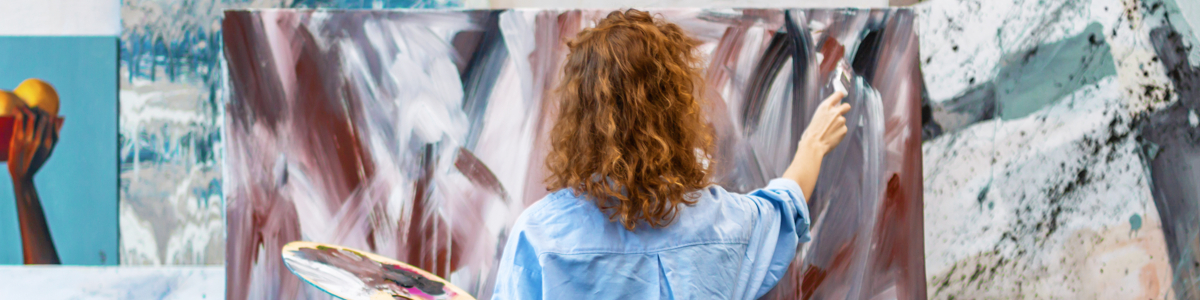
Painters in Detroit, MI: A Comprehensive Guide to the Local Art Scene
As of 2026, the Detroit art scene is a global powerhouse of resilience and creative innovation, characterized by a unique blend of world-class institutional heritage and a thriving grassroots mural culture. Painters in Detroit, MI, ran...
As of 2026, the Detroit art scene is a global powerhouse of resilience and creative innovation, characterized by a unique blend of world-class institutional heritage and a thriving grassroots mural culture. Painters in Detroit, MI, range from traditional portraitists supported by the Detroit Institute of Arts to avant-garde muralists transforming the city’s industrial landscape into a public gallery of social commentary.
Contents
The Historical Foundation of Detroit Painting
The identity of painters in Detroit is inseparable from the city’s industrial and social history. For decades, the Detroit Institute of Arts (DIA) has served as the anchor of the visual arts community. The most significant historical touchstone for local painters remains the "Detroit Industry Murals" by Diego Rivera, commissioned in the 1930s. These frescos didn’t just depict the Ford Motor Company; they established a precedent for monumental storytelling that continues to influence Detroit painters in 2026.
Following the mid-century peak, the Detroit art scene underwent a transformation driven by the "Cass Corridor" movement. This period saw artists utilizing found materials and gritty, industrial aesthetics, mirroring the city's economic shifts. Today, that spirit of resourcefulness persists, but it has been augmented by a sophisticated infrastructure of galleries, fellowships, and international recognition.
The Kresge Arts in Detroit program, which has provided substantial fellowships to local artists for years, remains a vital lifeline. This support system ensures that painters can maintain studios within the city limits, preventing the total displacement often seen in other major urban art hubs. By 2026, the cumulative impact of these fellowships has fostered a generation of "legacy painters" who mentor emerging talent, ensuring the "Detroit Style"—often characterized by bold figurative work and narrative depth—continues to evolve.
The Rise of the Detroit Muralist
Perhaps the most visible segment of the "painters in Detroit, MI" search intent involves the city's extraordinary mural culture. Over the last decade, Detroit has solidified its reputation as one of the premier mural cities in the world. This movement was accelerated by initiatives like Murals in the Market (which transitioned into various neighborhood-focused programs) and the City of Detroit’s "City Walls" project.
The Social Impact of Public Art
Detroit muralists are rarely just decorators; they are historians and activists. Painters such as Sydney James have gained international acclaim for works like the "Girl with the D Earring," which centers Black womanhood in the city's narrative. Her work, and the work of others like Bakpak Durden and Konrad Egyir, uses the sides of massive brick warehouses as canvases to address themes of identity, labor, and community endurance.
Technical Evolution in Public Painting
In 2026, the technical execution of these murals has reached new heights. While traditional aerosol remains popular, many Detroit painters have transitioned to high-durability mineral paints and sophisticated projection mapping for planning. This ensures that the public art which defines neighborhoods like Eastern Market and the Avenue of Fashion can withstand the harsh Michigan winters, preserving the city's investment in its visual landscape.
Prominent Contemporary Painters to Watch in 2026
To understand the current local art scene, one must look at the individuals pushing the boundaries of the medium. The following painters have become synonymous with the "Detroit sound" in visual form:
- Mario Moore: Known for his meticulous figurative paintings, Moore focuses on the dignity of Black labor. His work often features Detroiters in their everyday environments, elevating the "ordinary" to the level of classical oil painting. Moore’s residency at the DIA and his subsequent national exhibitions have made him a pillar of the local scene.
- Bakpak Durden: A self-taught painter whose work explores the intersections of neurodiversity, Blackness, and gender identity. Durden’s hyper-realistic style often borders on the surreal, capturing emotional states with technical precision that has made them a sought-after name for both gallery shows and large-scale commissions.
- Tiff Massey: While often recognized for her sculpture and jewelry, Massey’s influence on the painting scene through her interdisciplinary "Peach Cobbler" studio and her bold use of color and pattern in visual installations is undeniable.
- Gilda Snowden (Legacy): Although she passed away in 2014, Snowden’s influence as an educator and abstract painter remains a cornerstone of the 2026 art scene. Many contemporary Detroit painters cite her as the primary reason they chose to stay and work in the city.
Navigating Detroit’s Gallery Districts
For collectors and enthusiasts looking to engage with painters in Detroit, the city offers several distinct "art pockets." Each district provides a different atmosphere and price point for original works.
The Cultural Center and Midtown
This area is the heart of Detroit’s institutional art world. Beyond the DIA, the Museum of Contemporary Art Detroit (MOCAD) provides a space for experimental painting and installations that challenge the status quo. Nearby, the N'Namdi Center for Contemporary Art—one of the oldest Black-owned galleries in the country—remains a critical venue for abstract and figurative painters of the African Diaspora.
Eastern Market and The Belt
Eastern Market is the epicenter of the mural movement, but it also houses numerous "hidden" studios where painters work above the bustling food stalls. Library Street Collective, located in a refurbished alleyway known as "The Belt" downtown, has been instrumental in bringing international eyes to Detroit. They represent several high-profile local painters and often facilitate the transition of street artists into the fine art market.
The Avenue of Fashion (Livernois)
Located on the city’s northwest side, this historic district has seen a massive resurgence in the 2020s. It is home to several boutique galleries that showcase local painters focusing on themes of heritage and community. The art here is often more accessible to new collectors, making it a vital entry point for those looking to support the local economy.
Comparison of Detroit Art Venues and Artist Support Systems
| Venue / Organization | Primary Focus | Best For | Location |
|---|---|---|---|
| Detroit Institute of Arts | Global Art History | Educational & Classical Inspiration | Midtown |
| MOCAD | Contemporary/Experimental | Avant-Garde & Emerging Trends | Midtown |
| Library Street Collective | High-End Contemporary | Serious Collectors & Street Art | Downtown |
| N'Namdi Center | African Diaspora Art | Figurative & Abstract Mastery | Sugar Hill |
| PASC (Progressive Art Studio) | Outsider/Inclusive Art | Supporting Artists with Disabilities | Various |
| Design Core Detroit | UNESCO City of Design | Professional Development | Citywide |
The Business of Painting in Detroit: 2026 Guidelines
The Detroit art market in 2026 is more formalized than in previous decades. For those looking to hire a painter for a commission or purchase a piece for a collection, several standards apply.
- Commissioning Murals: Most professional muralists in Detroit now work through established contracts that include "Moral Rights" clauses (under the Visual Artists Rights Act) to protect their work from unauthorized alteration. Expect to pay between $25 and $80 per square foot, depending on the artist's reputation and the complexity of the design.
- Verifying Authenticity: With the rise of "Detroit-themed" art sold by national retailers, local collectors are encouraged to buy directly from studios or recognized galleries like What Pipeline or Reyes | Finn. This ensures that the capital remains within the Detroit creative economy.
- The UNESCO Influence: Detroit remains the only city in the United States designated as a UNESCO City of Design. This status has led to stricter aesthetic guidelines for public-facing projects but has also opened up international grants for painters to participate in global exchanges.
Frequently Asked Questions
Where is the best place to see murals by Detroit painters?
The highest concentration of murals is in Eastern Market, particularly around the 1500 block of Winder Street. However, the Grand River Creative Corridor and the North End neighborhood also feature significant works by local painters that are accessible via self-guided walking tours.
How can I hire a local Detroit painter for a private commission?
The best way to hire a local painter is to reach out through established non-profits like Design Core Detroit or to contact galleries that represent the style you are interested in. Many artists also maintain professional portfolios on social media or personal websites where they list their commission status and typical lead times.
Is the Detroit art scene affordable for new collectors?
Yes. While high-end galleries in the downtown core command international prices, many local painters sell original works through studio sales and neighborhood galleries for anywhere from $500 to $3,000. Organizations like the Detroit Fine Arts Breakfast Club provide an informal environment where new collectors can meet painters and purchase art at accessible prices.
What is the significance of "UNESCO City of Design" for Detroit painters?
The designation, granted by UNESCO, recognizes Detroit's history of using design and art to drive urban sustainability and economic growth. For painters, this means increased access to international biennials, more rigorous professional standards, and a city government that views public art as a critical infrastructure component rather than an afterthought.
Are there specific grants for painters in Detroit?
The most prestigious local award is the Kresge Artist Fellowship, which provides unrestricted $25,000 grants to several Detroit-based artists each year. Additionally, the Michigan Arts and Culture Council (MACC) offers project-specific grants that local painters can apply for to fund exhibitions or community art projects.
Recommendations for Engaging with the Detroit Art Scene
To truly experience the depth of the local painting community in 2026, avoid sticking solely to the major museums. Start at the Detroit Institute of Arts to understand the historical context, but spend your afternoon in the North End or Hamtramck, where smaller, artist-run spaces like Public Pool or Popps Packing showcase the city's rawest talent.
If you are looking to purchase art, visit during the Detroit Month of Design in September. This month-long festival features open studio tours where you can meet painters in their workspaces, see their process firsthand, and buy pieces before they reach the higher-priced gallery circuit. Supporting these artists directly is the most effective way to ensure Detroit remains a vibrant sanctuary for painters for decades to come.
Image Gallery