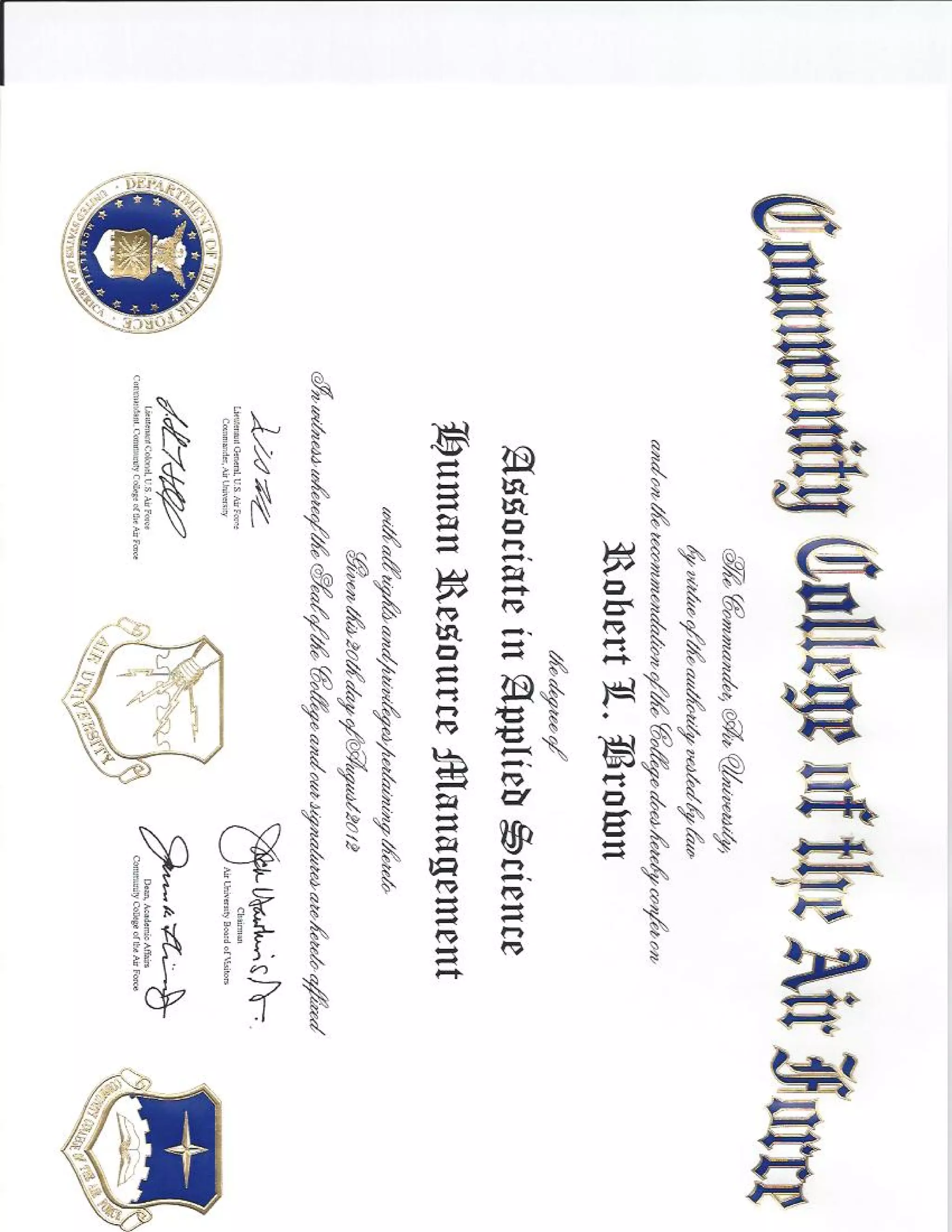
What a Human Resources Associate Degree Provides: Careers, Skills, and Curriculum
A human resources associate degree provides the foundational technical and interpersonal skills required to manage an organization’s workforce. It covers essential topics such as employment law, recruitment strategies, compensation str...
A human resources associate degree provides the foundational technical and interpersonal skills required to manage an organization’s workforce. It covers essential topics such as employment law, recruitment strategies, compensation structures, and organizational behavior. This two-year credential prepares graduates for entry-level administrative roles or serves as a cost-effective pathway toward a full bachelor’s degree.
Contents
Human resources (HR) has evolved from a purely administrative function into a strategic pillar of modern business. As of 2026, the complexity of managing remote, hybrid, and global workforces has made the foundational knowledge provided by an associate degree more relevant than ever. This degree serves as a gateway for individuals looking to enter the professional world of "people operations" without the immediate four-year commitment of a university program.
Foundational Knowledge and Core Curriculum
The curriculum of an HR associate degree is designed to balance legal compliance with human-centric management. Most programs consist of approximately 60 credit hours, split between general education and core business/HR courses. In 2026, these programs have increasingly integrated data literacy and digital tool management into their standard offerings.
Recruitment and Staffing
One of the primary pillars of an associate program is the study of talent acquisition. Students learn how to draft job descriptions that attract diverse talent and comply with equal employment opportunity guidelines. The coursework typically covers the entire lifecycle of employment, from initial sourcing and screening to interviewing techniques and the final onboarding process. Understanding how to integrate new hires into a company culture is vital for long-term retention, a metric that businesses prioritize heavily in today’s competitive labor market.
Labor Relations and Employment Law
A significant portion of the degree is dedicated to the legal framework governing the workplace. This includes studying the Fair Labor Standards Act (FLSA), the Family and Medical Leave Act (FMLA), and various workplace safety regulations managed by OSHA. Students learn how to navigate sensitive issues such as wrongful termination, workplace harassment, and collective bargaining. Having a firm grasp of these laws allows entry-level HR professionals to protect the organization from litigation while ensuring that employees’ rights are respected.
Compensation and Benefits Administration
Understanding how employees are paid and what benefits they receive is a technical skill provided by these programs. Students delve into payroll systems, healthcare insurance options, retirement plans (like 401ks), and non-monetary incentives. In 2026, this also includes learning about flexible benefit packages that cater to a multigenerational workforce. This coursework prepares students to assist in the complex administration of total rewards programs, ensuring accuracy in disbursements and compliance with tax regulations.
Essential Skills Developed in an Associate Program
Beyond textbook knowledge, an associate degree in HR fosters specific "soft" and technical skills that are immediately transferable to the workplace.
Communication and Conflict Resolution
HR professionals often act as mediators between management and staff. Associate programs place a heavy emphasis on professional communication, both written and verbal. Students participate in simulations or case studies involving workplace disputes, learning how to remain neutral and objective while seeking a resolution. These skills are essential for conducting performance reviews, delivering disciplinary actions, and facilitating team-building exercises.
Technological Proficiency (HRIS)
In 2026, HR is deeply intertwined with technology. Most associate programs introduce students to Human Resources Information Systems (HRIS). These platforms, such as Workday, SAP SuccessFactors, or BambooHR, are used to track employee data, process payroll, and manage performance metrics. Gaining familiarity with these tools during a degree program reduces the learning curve for new hires and makes them more attractive to employers who rely on data-driven decision-making.
Ethical Decision-Making
Because HR departments handle sensitive personal data—including medical records, social security numbers, and salary history—ethics is a mandatory component of the curriculum. Students learn about the Society for Human Resource Management (SHRM) Code of Ethics. This training ensures that graduates understand the boundaries of confidentiality and the importance of transparency in corporate governance.
Career Pathways for Associate Degree Holders in 2026
An associate degree provides the credentials necessary to secure "coordinator" or "assistant" level positions. While some management roles may eventually require a bachelor's degree, many organizations value the practical, hands-on training that associate degree holders bring to the table.
| Job Title | Primary Responsibilities | 2026 Median Salary Range (Est.) |
|---|---|---|
| HR Assistant | Maintaining records, scheduling interviews, and processing paperwork for new hires. | $48,000 – $56,000 |
| Recruiting Coordinator | Sourcing candidates via LinkedIn/Indeed, coordinating logistics for interviews. | $50,000 – $58,000 |
| Benefits Clerk | Answering employee questions about health plans and processing enrollment forms. | $46,000 – $54,000 |
| Payroll Specialist | Ensuring time-tracking accuracy and processing bi-weekly or monthly disbursements. | $52,000 – $62,000 |
| Training Assistant | Organizing logistics for staff development workshops and tracking completion of compliance training. | $47,000 – $55,000 |
Entry-Level Job Market Trends
In the current 2026 landscape, there is a sustained demand for HR support staff who can manage the administrative burden of high-turnover industries like retail, healthcare, and hospitality. Organizations are increasingly looking for "specialized generalists"—individuals who understand the broad strokes of HR but are highly efficient in one or two technical areas, such as payroll or digital onboarding.
Comparing Associate Degrees vs. Bachelor's Degrees
Choosing between an associate degree and a bachelor's degree often comes down to a balance of time, cost, and immediate career goals.
Cost-Benefit Analysis
The most significant advantage of an associate degree is the cost. Pursuing a two-year degree at a community college is substantially less expensive than attending a four-year university. For many students, this allows them to enter the workforce with little to no student debt. Once employed, many companies offer tuition reimbursement programs, allowing the employee to earn their bachelor's degree while the company picks up the tab.
Credit Transferability
For those who intend to eventually earn a higher degree, the associate degree provides a "stackable" credential. Most accredited programs are designed so that the 60 credits earned can be transferred directly into a Bachelor of Science in Human Resources or Business Administration. This "2+2" model (two years at community college, two years at a university) results in the same final degree but at a much lower total cost.
Practical Considerations: Accreditation and Formats
When selecting a program, it is vital to ensure that the institution is properly accredited. Accreditation ensures that the education meets industry standards and that credits will be recognized by employers and other educational institutions.
Importance of Accreditation
Prospective students should look for programs accredited by regional bodies or those that align their curriculum with the SHRM Curriculum Guidebook. Programs that follow these guidelines are vetted to ensure they cover the specific competencies required by the HR profession. In 2026, employers often prioritize candidates from SHRM-aligned programs because they know the graduate has been exposed to the most current industry standards.
Online vs. In-Person Learning
The availability of online HR associate degrees has peaked in 2026. Online formats offer the flexibility needed for working professionals or those with family obligations. However, in-person or hybrid programs may offer better networking opportunities through local internships and student chapters of professional organizations. Internships are particularly valuable, as they provide real-world experience that can often lead to a full-time job offer upon graduation.
Frequently Asked Questions
Can I get an HR job with just an associate degree?
Yes, you can secure several entry-level positions such as HR Assistant, Payroll Clerk, or Recruiting Coordinator. While higher-level management roles often require a bachelor's degree or a Master of Business Administration (MBA), an associate degree is a standard entry point for administrative and support staff in human resources departments.
How long does it take to complete the program?
A typical associate degree takes two years of full-time study to complete. However, many institutions offer accelerated programs that can be finished in 18 months, or part-time options that allow students to spread the coursework over three to four years while working.
What is the difference between an AA and an AAS in Human Resources?
An Associate of Arts (AA) is generally designed for students who plan to transfer to a four-year university, focusing more on liberal arts and general education. An Associate of Applied Science (AAS) is more vocational and career-focused, designed to prepare students for immediate entry into the workforce with more specific technical HR coursework.
Is HR a good career choice in 2026?
Human resources remains a stable and growing field. As labor laws become more complex and the emphasis on employee mental health and workplace culture increases, companies require skilled professionals to manage these initiatives. The U.S. Bureau of Labor Statistics continues to project steady growth for HR roles as organizations navigate the evolving nature of work.
Are there certifications I should get alongside my degree?
While not always required for entry-level roles, earning a certification such as the Associate Professional in Human Resources (aPHR) from the HR Certification Institute (HRCI) can significantly boost your resume. This certification is specifically designed for those at the start of their HR career and demonstrates a commitment to the profession.
Practical Recommendation
If you are considering a career in human resources, start by researching accredited community colleges that offer an Associate of Applied Science (AAS) in Human Resources. Look for programs that have a formal partnership with local businesses for internships, as hands-on experience is often more valuable to recruiters than coursework alone. Once enrolled, focus on mastering HRIS software and employment law, as these are the most sought-after technical skills for entry-level candidates in 2026. After graduation, seek an entry-level assistant role at a company that offers tuition assistance to help fund your eventual transition to a bachelor's degree.
Image Gallery