Finding an Optometrist in Georgia for Your Vision Needs
Finding an optometrist in Georgia for your vision needs involves navigating a network of licensed eye care professionals, understanding the scope of optometric services, and verifying insurance or payment options to ensure comprehensiv...
Finding an optometrist in Georgia for your vision needs involves navigating a network of licensed eye care professionals, understanding the scope of optometric services, and verifying insurance or payment options to ensure comprehensive care. Whether you require a routine eye examination, specialized contact lens fittings, management of chronic ocular diseases, or corrective eyewear, selecting the right provider requires evaluating credentials, office accessibility, and technological capabilities.
Contents
Understanding the Role of an Optometrist in Georgia
An optometrist is a healthcare professional trained to examine, diagnose, treat, and manage diseases and disorders of the visual system, the eye, and associated structures. In the state of Georgia, optometry is regulated by the Georgia Board of Optometry, which establishes the legal scope of practice and licensure requirements for all practitioners operating within the state.
Unlike ophthalmologists, who are medical doctors specializing in complex eye surgery and advanced medical treatments, optometrists serve as the primary healthcare gatekeepers for routine and preventative vision care. A licensed optometrist in Georgia is qualified to perform comprehensive dilated eye exams, prescribe eyeglasses and contact lenses, detect systemic health conditions such as diabetes and hypertension through ocular evaluation, and treat various anterior and posterior eye diseases within the bounds of Georgia state law. Recognizing this distinction helps patients direct their healthcare needs to the appropriate clinical setting, whether that involves a routine refraction test or referral to a surgical specialist for advanced pathology.
Scope of Practice Under Georgia Law
The practice of optometry in Georgia encompasses a broad spectrum of diagnostic and therapeutic procedures. Licensed optometrists are authorized to examine the internal and external structures of the eye to detect abnormalities. They evaluate visual acuity, color vision, depth perception, and eye coordination.
Furthermore, Georgia law permits qualified optometrists to use pharmaceutical agents for diagnostic and therapeutic purposes. This means your optometrist can prescribe eye drops to treat conditions like glaucoma, ocular allergies, dry eye syndrome, and bacterial infections. Understanding these statutory boundaries ensures patients know they can rely on their local optometrist for more than just updating a glasses prescription; they are equipped to handle acute medical eye concerns as well.
Evaluating Your Vision Needs and Practitioner Specializations
Before beginning your search, identifying your specific visual requirements will narrow down the prospective pool of providers. Not all optometric practices offer the same specialized services. Clarifying your objectives ahead of time saves time and ensures you receive targeted, high-quality care.
Routine Vision and Corrective Lenses
If your primary goal is updating your prescription for eyeglasses or soft contact lenses, almost any general practice optometrist can accommodate your needs. However, if you have unique visual demands—such as astigmatism, presbyopia, or a desire for multifocal lenses—you should verify that the clinic carries a wide inventory of diagnostic trial lenses and works with reputable optical laboratories.
Specialized Eye Care Services
Patients with specific ocular conditions require targeted expertise. When evaluating a Georgia optometrist, consider whether they specialize in areas such as:
- Pediatric Optometry: Routine evaluations for school-aged children, management of amblyopia (lazy eye), and pediatric vision therapy.
- Geriatric Eye Care: Specialized testing for age-related macular degeneration (AMD), cataracts, and glaucoma.
- Advanced Contact Lens Fittings: Management of keratoconus, post-surgical corneas, and scleral lens fittings.
- Dry Eye Centers of Excellence: Advanced diagnostic imaging (such as meibomian gland expression analysis) and therapeutic treatments like intense pulsed light (IPL) therapy or thermal pulsation.
Locating and Verifying Optometrists in Georgia
Once you understand your clinical requirements, the next step involves sourcing and vetting licensed practitioners across the state. Georgia features a dense network of urban, suburban, and rural eye care providers, ranging from private independent practices to large commercial retail centers and multi-specialty ophthalmology-optometry co-management clinics.
Using State Licensing Boards for Verification
Before booking an appointment with any healthcare provider, verifying their professional credentials is a critical safety step. The Georgia Secretary of State maintains an online licensing portal where patients can check the active status of an optometrist's license.
To perform a verification, navigate to the official Georgia Professional Licensing Boards portal. Search by the practitioner's name or license number. Ensure the license status is active, verify that there are no public disciplinary actions or administrative restrictions recorded against the provider, and check the expiration date.
| Verification Step | Source / Tool | Purpose |
|---|---|---|
| License Status | Georgia Professional Licensing Boards Portal | Confirm active licensure and legal authority to practice. |
| Disciplinary History | State Board Records | Check for past malpractice settlements, board sanctions, or restrictions. |
| Board Certification | American Board of Optometry (ABO) | Verify voluntary advanced credentialing beyond basic state licensure. |
| Hospital Affiliations | Local Healthcare Systems | Confirm co-management privileges with regional medical centers. |
Insurance, Costs, and Financial Considerations
Navigating the financial aspects of eye care in Georgia requires distinguishing between routine vision insurance plans and major medical health insurance policies. Understanding how these systems interact prevents unexpected out-of-pocket expenses.
Vision Plans vs. Medical Health Insurance
Vision insurance (such as providers like EyeMed, VSP, or Superior Vision) typically covers routine preventative services. This includes an annual comprehensive eye exam, a standard refraction fee, and material allowances toward frames, prescription lenses, or contact lenses.
Conversely, medical health insurance (such as Blue Cross Blue Shield of Georgia, Aetna, or UnitedHealthcare) covers visits related to medical diagnoses, injuries, and diseases of the eye. If you visit an optometrist because you have eye pain, sudden flashes of light, floaters, or a diagnosed condition like glaucoma, the visit is billed under your medical insurance rather than your vision plan. When scheduling your appointment, always clarify which insurance network the clinic participates in and whether they accept your specific plan tier.
Out-of-Pocket Expenses
For uninsured or underinsured patients, transparent pricing is essential. Many private practices and retail chains in Georgia offer cash-pay packages for routine exams. Asking questions regarding these potential costs ahead of time ensures financial clarity:
- What is the baseline fee for a comprehensive exam without insurance?
- Is the refraction fee included in the exam price, or is it billed separately?
- What are the typical costs associated with specialized diagnostic imaging, such as retinal photography or optical coherence tomography (OCT)?
Accessibility, Technology, and Clinic Environment
The physical environment and technological capabilities of an optometric practice directly influence the quality and comfort of your care. Modern optometry relies heavily on diagnostic technology to detect asymptomatic eye diseases in their earliest, most treatable stages.
Essential Diagnostic Technologies
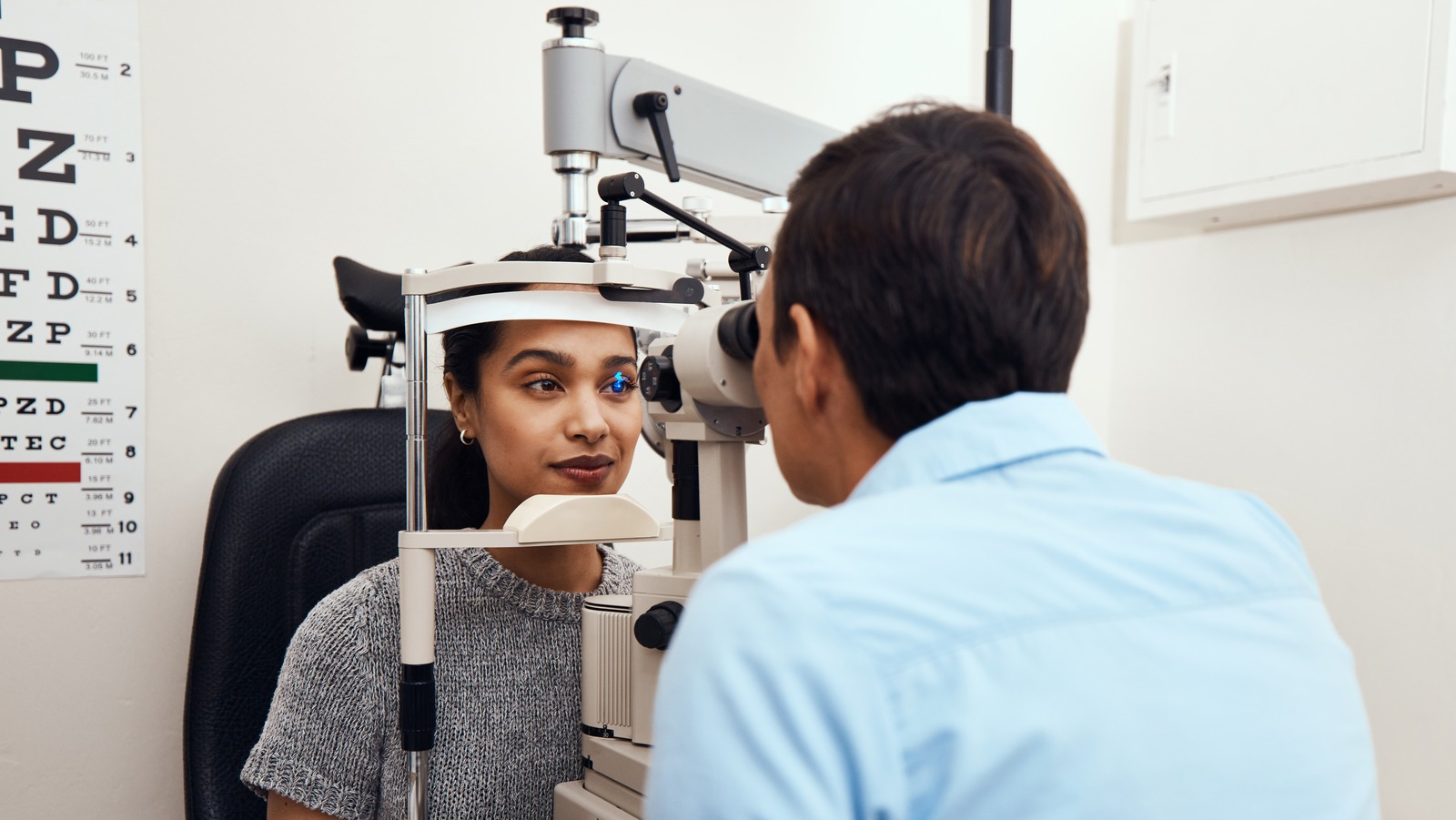
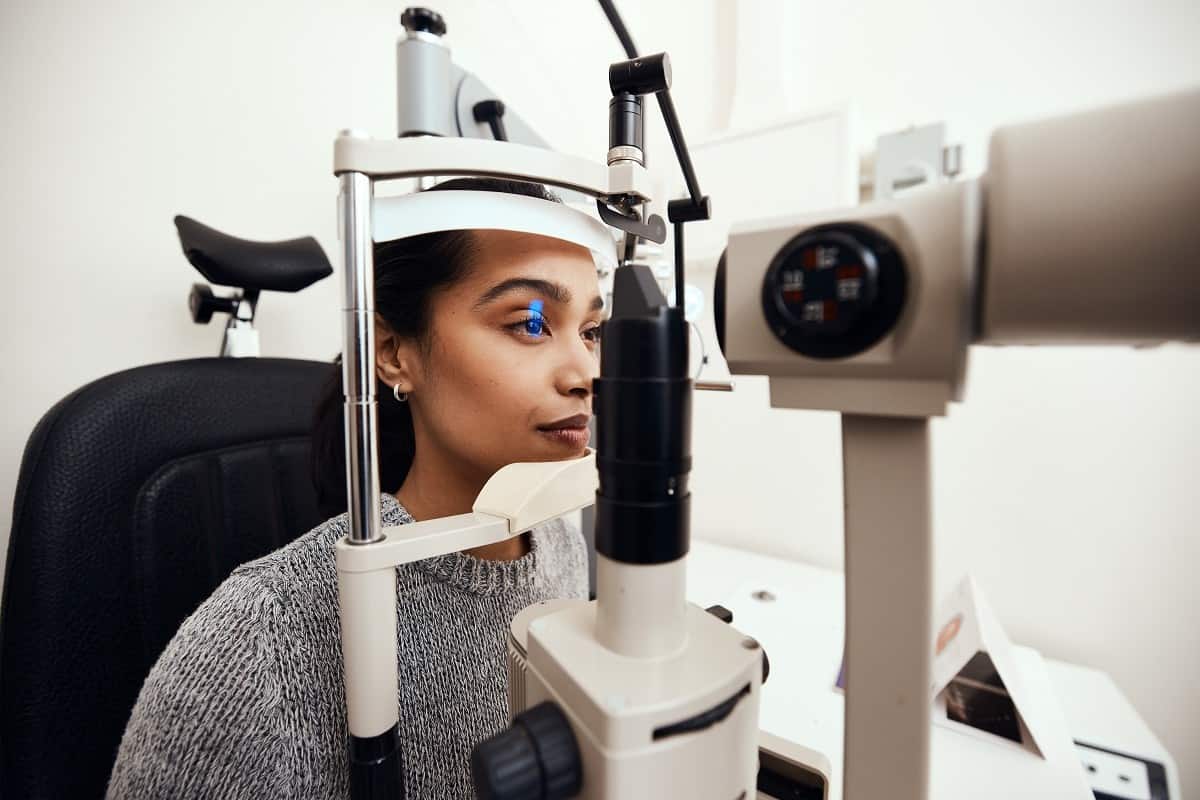
When researching clinics in Georgia, inquire about the diagnostic equipment utilized during examinations. Standard equipment should include:
- Automated Refractors and Keratometers: For rapid initial measurements of refractive error and corneal curvature.
- Non-Contact Tonometers ("Air-Puff" Tests) or Tono-Pens: For measuring intraocular pressure to screen for glaucoma.
- Digital Retinal Scanners / Fundus Cameras: To capture high-resolution images of the retina without always requiring dilation drops.
- Optical Coherence Tomography (OCT): Cross-sectional imaging of retinal layers crucial for managing glaucoma, macular degeneration, and diabetic retinopathy.
Geographic Accessibility and Scheduling
Georgia’s geography spans major metropolitan hubs like Atlanta, Savannah, and Augusta, as well as expansive rural regions. Depending on your location, travel time and appointment availability can vary significantly. Urban practices often feature extended evening or Saturday hours to accommodate working professionals, while rural practices may require booking appointments weeks in advance due to a lower density of providers. Evaluate clinic proximity, parking availability, and public transit access to ensure sustainable, long-term continuity of care.
Frequently Asked Questions
How often should I visit an optometrist for an eye exam?
Adults between the ages of 18 and 64 with no underlying vision problems or risk factors should generally undergo a comprehensive eye exam every one to two years. Individuals aged 65 and older, those with diabetes, a family history of eye disease, or existing visual corrections should have an annual examination. Your optometrist will establish a personalized recall schedule based on your specific clinical profile.
Can an optometrist in Georgia write prescriptions for medications?
Yes. Licensed optometrists in Georgia who have met the state's advanced pharmacology requirements are certified to prescribe topical and oral medications for the treatment of various eye diseases and infections, including glaucoma, dry eye, and allergic conjunctivitis.
What is the difference between an optometrist and an ophthalmologist?
An optometrist is a primary healthcare provider who holds a Doctor of Optometry (OD) degree, focusing on routine vision exams, corrective lenses, and medical management of eye diseases. An ophthalmologist is a medical doctor (MD or DO) who specializes in eye and vision care, with extensive training in complex eye surgery, laser procedures, and advanced medical ophthalmology.
Will my vision insurance cover designer frames and anti-reflective coatings?
Vision insurance typically provides a set allowance—such as a $150 or $200 credit—toward the retail cost of frames, applying a discount percentage to any remaining balance. Premium lens options, such as anti-reflective coatings, progressive lenses, and high-index materials, often incur out-of-pocket copays or upgrade fees depending on your specific plan tier.
What should I bring to my first appointment with a new optometrist?
Bring a government-issued photo ID, your physical insurance cards (both vision and medical), a complete list of your current systemic medications and eye drops, your current eyeglasses or contact lens boxes, and a record of your past eye health history or previous prescriptions if available.
Conclusion and Next Actions
Finding the right optometrist in Georgia for your vision needs requires a systematic approach: identifying your specific clinical requirements, verifying practitioner licenses through the Georgia Secretary of State, understanding your insurance coverage boundaries, and selecting a clinic equipped with modern diagnostic technology. To take the next step, compile a short list of verified local providers, contact their administrative offices to confirm network participation and scheduling availability, and schedule your comprehensive evaluation to safeguard your long-term ocular health.
Image Gallery