Understanding Death Burial Insurance: A Practical Guide to Final Expense Coverage
Death burial insurance, commonly referred to as final expense insurance or burial insurance, is a specialized form of whole life insurance designed specifically to cover the costs associated with an individual’s passing. By providing a...
Death burial insurance, commonly referred to as final expense insurance or burial insurance, is a specialized form of whole life insurance designed specifically to cover the costs associated with an individual’s passing. By providing a fixed death benefit, these policies help beneficiaries pay for funeral services, cremation, caskets, and related administrative expenses, ensuring these financial burdens do not fall on surviving family members.
Contents
What is Death Burial Insurance?
At its core, death burial insurance is a permanent life insurance policy with a relatively small death benefit, typically ranging from $2,000 to $25,000. Unlike term life insurance, which expires after a set period, burial insurance is designed to remain in force for the policyholder's entire life, provided the premiums are paid. The primary purpose is to provide immediate liquidity to cover end-of-life costs.
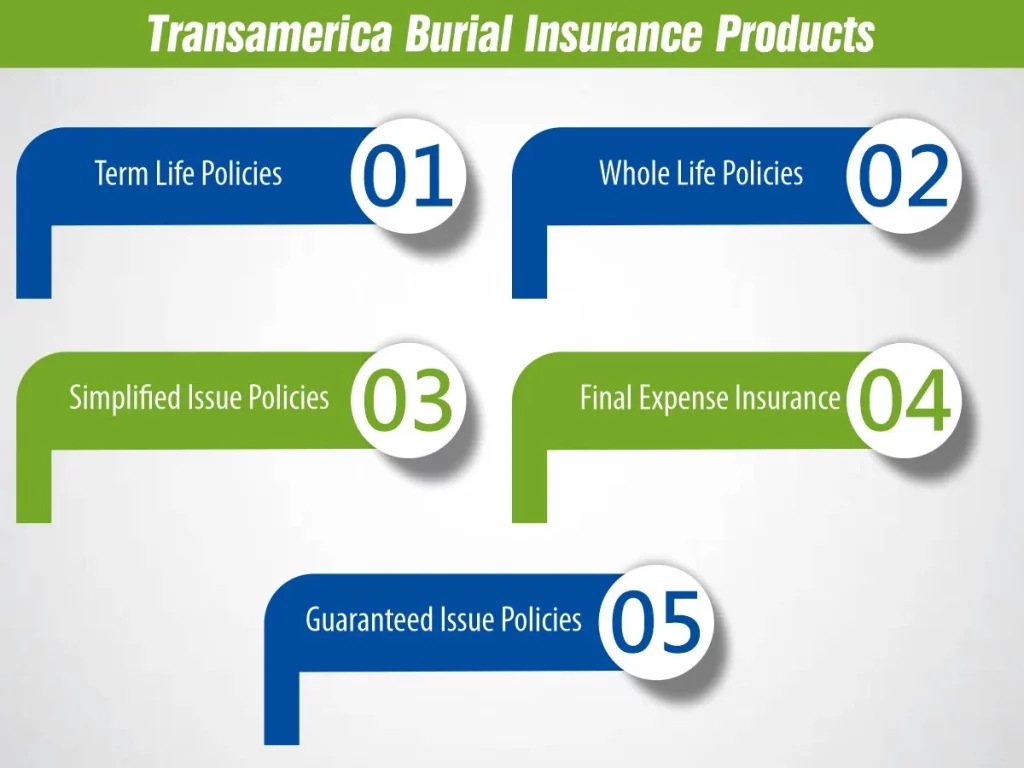
Because these policies are aimed at a specific financial objective, they differ from standard universal or whole life products in their underwriting process. Most burial insurance policies are categorized as "simplified issue" or "guaranteed issue." Simplified issue policies require answering a few medical health questions but do not usually require a medical exam. Guaranteed issue policies require no medical underwriting at all, making them accessible even to those with significant health challenges, though these often come with a "graded death benefit" period during the first two to three years of the policy.
Key Components of Coverage
To understand if this type of insurance is the right tool for your financial planning, you must distinguish between the different ways coverage is structured.
- Simplified Issue: This requires an application where the insurer asks specific health-related questions. If you meet the criteria, coverage is typically granted quickly. These policies generally provide "first-day coverage," meaning the full death benefit is available as soon as the policy is issued.
- Guaranteed Issue: This is designed for individuals who would not qualify for simplified or medically underwritten insurance. There are no health questions or medical exams. However, these policies almost always include a waiting period (often 24 months). If the insured dies from natural causes during this window, the insurer may return the premiums paid plus a small percentage of interest rather than paying the full face value.
- Level Death Benefit: The amount of coverage you choose is the amount your beneficiaries receive, regardless of when you pass away, provided you are past any initial waiting period.
- Premium Structure: In most burial insurance contracts, premiums are level. This means the monthly cost you pay at the start of the policy remains the same for as long as the policy is active.
Comparing End-of-Life Financial Products
Choosing the right vehicle to cover funeral costs depends on your health, your budget, and the urgency of your planning.
| Feature | Burial Insurance (Final Expense) | Pre-Need Funeral Plan | Savings Account |
|---|---|---|---|
| Flexibility | High (Beneficiaries choose use of funds) | Low (Tied to a specific funeral home) | Unlimited |
| Underwriting | Varies (Health questions or none) | None | None |
| Portability | High (Coverage moves with you) | Low (Often non-transferable) | N/A |
| Growth | Cash value buildup possible | N/A | Variable interest |
| Cost | Fixed premiums | Lump sum or installments | N/A |
Prerequisites and Eligibility
To secure a policy in 2026, you generally must be within a specific age range, typically 50 to 85 years old. Insurers focus on the "insurable interest," meaning you must be purchasing the policy for yourself or an immediate family member.
When applying, you will need to provide:
- Government-issued identification: To verify age and residency.
- Beneficiary information: The name, date of birth, and social security number of the person(s) who will receive the funds.
- Health history: Even in simplified issue policies, honesty is critical. Misrepresenting health information on an application can lead to a denial of a claim by the insurer during the contestability period, which is typically the first two years of the policy.
The Financial Impact of Funeral Costs
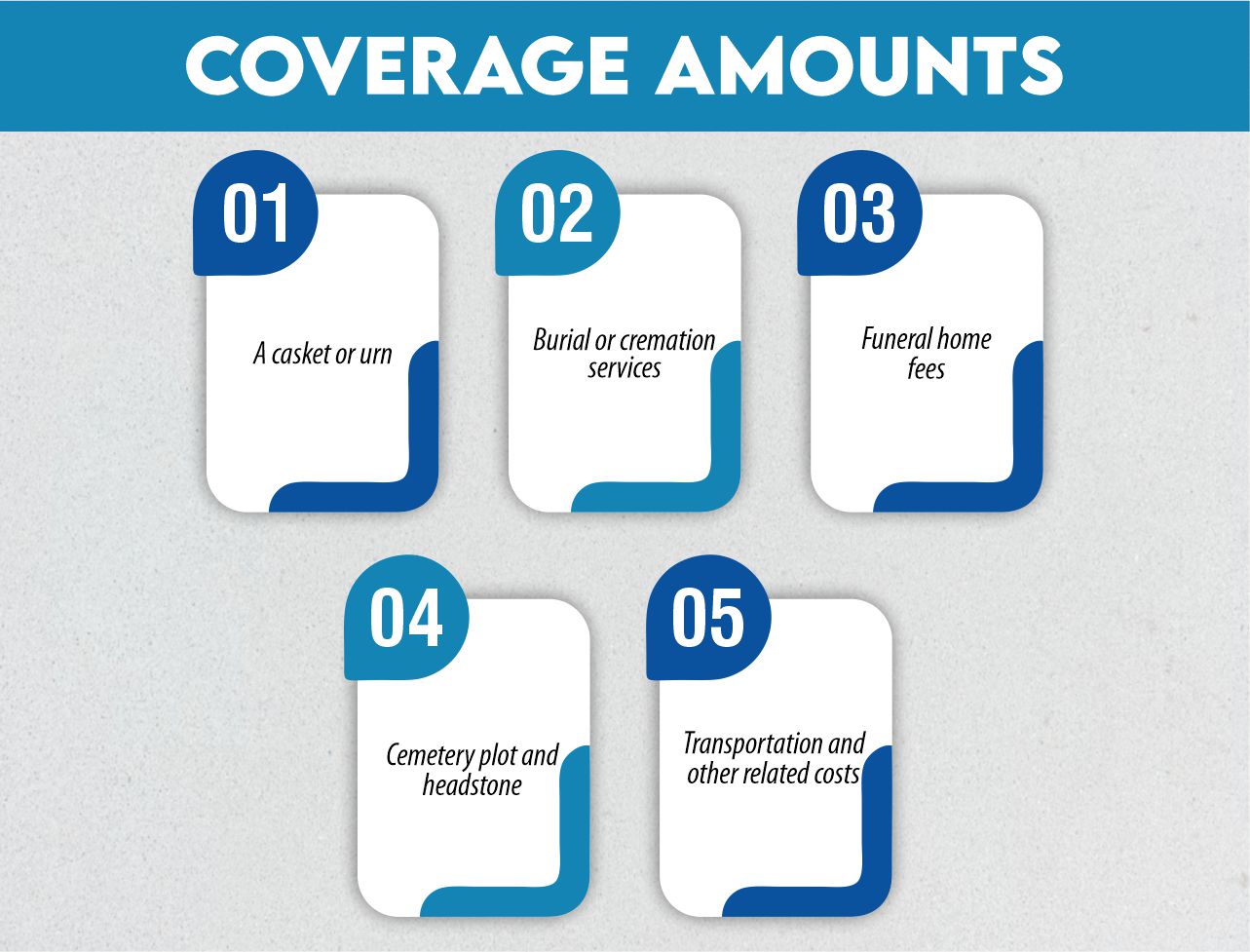
According to the National Funeral Directors Association, the median cost of an adult funeral with a viewing and burial continues to rise. In 2026, factoring in inflation and service fees, planning for a total expense between $8,000 and $12,000 is realistic for many regions. When you apply for death burial insurance, you should calculate the total estimated cost of your desired arrangements, including:
- Professional service fees: The costs charged by the funeral home for their time, administrative work, and facilities.
- Transportation: Moving the body from the place of death to the funeral home and eventually to the cemetery.
- Disposition: Casket or urn, vault, and burial plot fees or cremation costs.
- Ceremony expenses: Flowers, programs, clergy fees, and catering for a reception.
Common Pitfalls to Avoid
The most frequent error applicants make is failing to read the "graded benefit" disclosure. Many consumers purchase a guaranteed issue policy assuming their family will receive the full $10,000 payout even if they pass away three months after purchasing the policy. In reality, if it is a graded policy, the insurer may only refund the premiums paid. Always confirm if your policy offers "First Day Coverage" or if it is subject to a "Modified" or "Graded" benefit period.
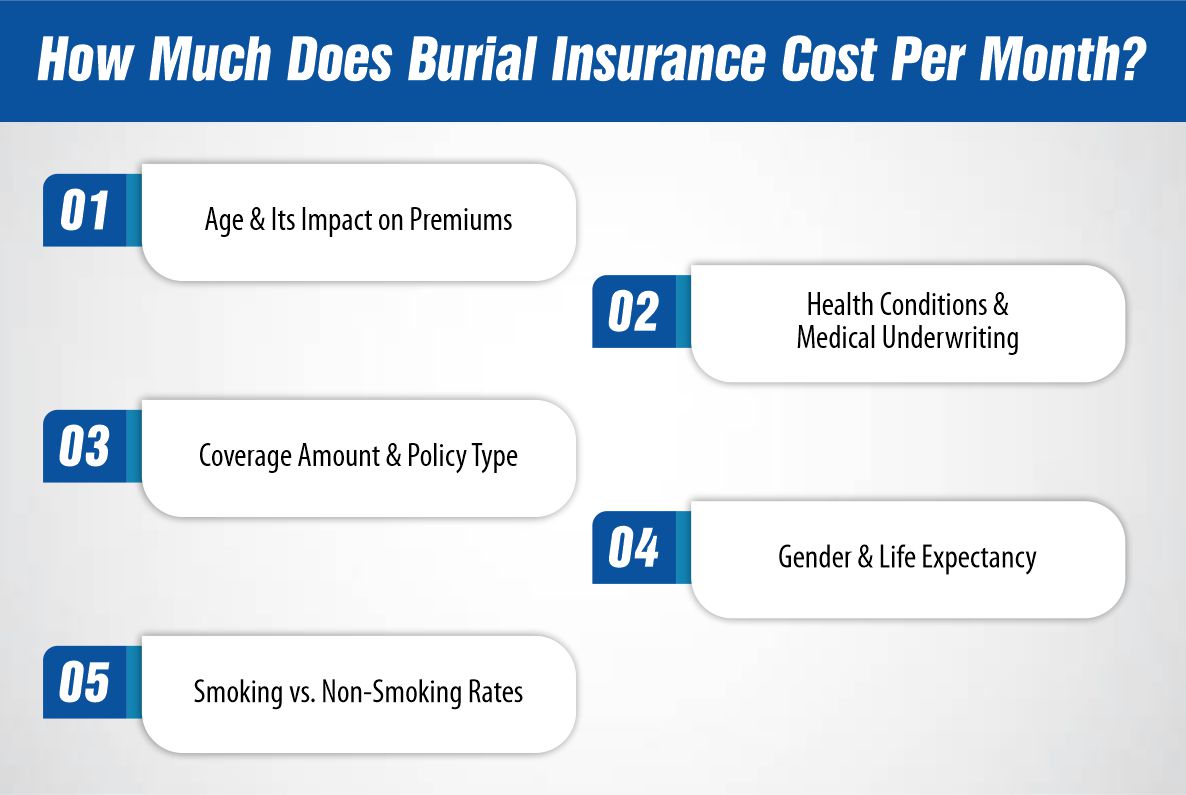
Another issue is over-insuring. While these policies are meant to cover burial costs, they are not intended to be a substitute for comprehensive life insurance for income replacement or estate tax planning. Because burial insurance is priced based on age and the high risk of the demographic, the cost per $1,000 of coverage is significantly higher than term or standard whole life insurance.
Troubleshooting Your Application
If your application for simplified issue insurance is denied, do not assume you have no options. Many insurers have different "knockout" questions. One carrier may decline you for a specific medication, while another may consider it acceptable. It is often beneficial to work with an independent agent who has access to multiple carriers, as they can navigate the specific underwriting guidelines of different companies to find a policy that fits your profile.
Furthermore, if you are currently under the care of a physician for a terminal illness, you may find that the cost of burial insurance is prohibitive. In these cases, it is often more cost-effective to set aside a high-yield savings account or consult with a funeral home regarding a "pre-need" contract, provided you are confident you will stay in your current geographic location for the foreseeable future.
Frequently Asked Questions
1. Is death burial insurance the same as life insurance? Yes, it is a type of whole life insurance. It is simply marketed and underwritten specifically for the purpose of covering funeral and burial costs rather than providing large-scale wealth transfer or income replacement.
2. Can I use the money for anything other than a funeral? Yes. While the intent is to cover funeral costs, the beneficiary receives the death benefit as a tax-free cash payout. They can use the money for funeral expenses, outstanding medical bills, or any other final debts. There is no legal requirement to provide receipts to the insurance company.
3. Does the government provide burial assistance? While the Social Security Administration offers a one-time lump-sum death payment of $255 to eligible surviving spouses or children, this amount is generally insufficient to cover a full funeral service. Veterans may qualify for burial benefits through the Department of Veterans Affairs, which can include a plot and a headstone, but this is highly dependent on service records and status.
4. What happens if I stop paying the premiums? Because burial insurance is a whole life product, if you stop paying, the policy will lapse. However, if the policy has accrued "cash value," you may be able to use that value to keep the policy in force for a reduced amount of coverage, or you may be able to surrender the policy for a partial refund. Review your policy’s "non-forfeiture options" for specifics.
Practical Next Steps
Before purchasing a policy, contact three local funeral homes to get current, written estimates for the services you desire. Once you have a clear financial goal, request quotes for a "Level Death Benefit" policy from multiple highly-rated insurance carriers. Compare the premiums against your monthly budget and verify whether the policy offers "First Day Coverage." When you settle on a policy, store the documents in a secure, accessible location and ensure your beneficiaries know the name of the insurance carrier and the policy number, as the insurance company will not automatically notify them upon your passing.
Disclaimer: This information is for educational purposes and does not constitute professional financial or legal advice. Insurance regulations vary by jurisdiction. Consult with a licensed insurance professional in your state to discuss your specific needs and eligibility.
Image Gallery