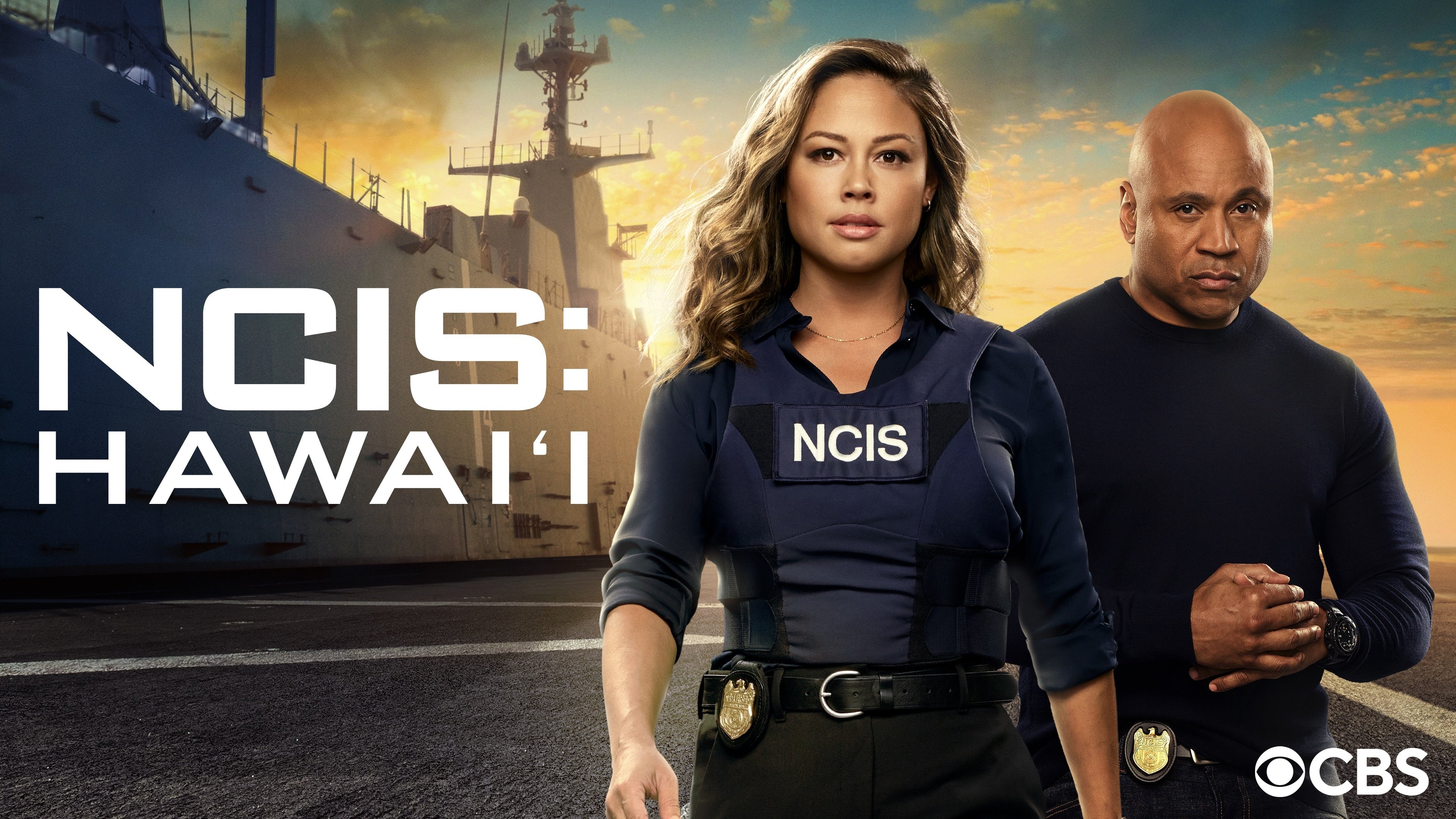
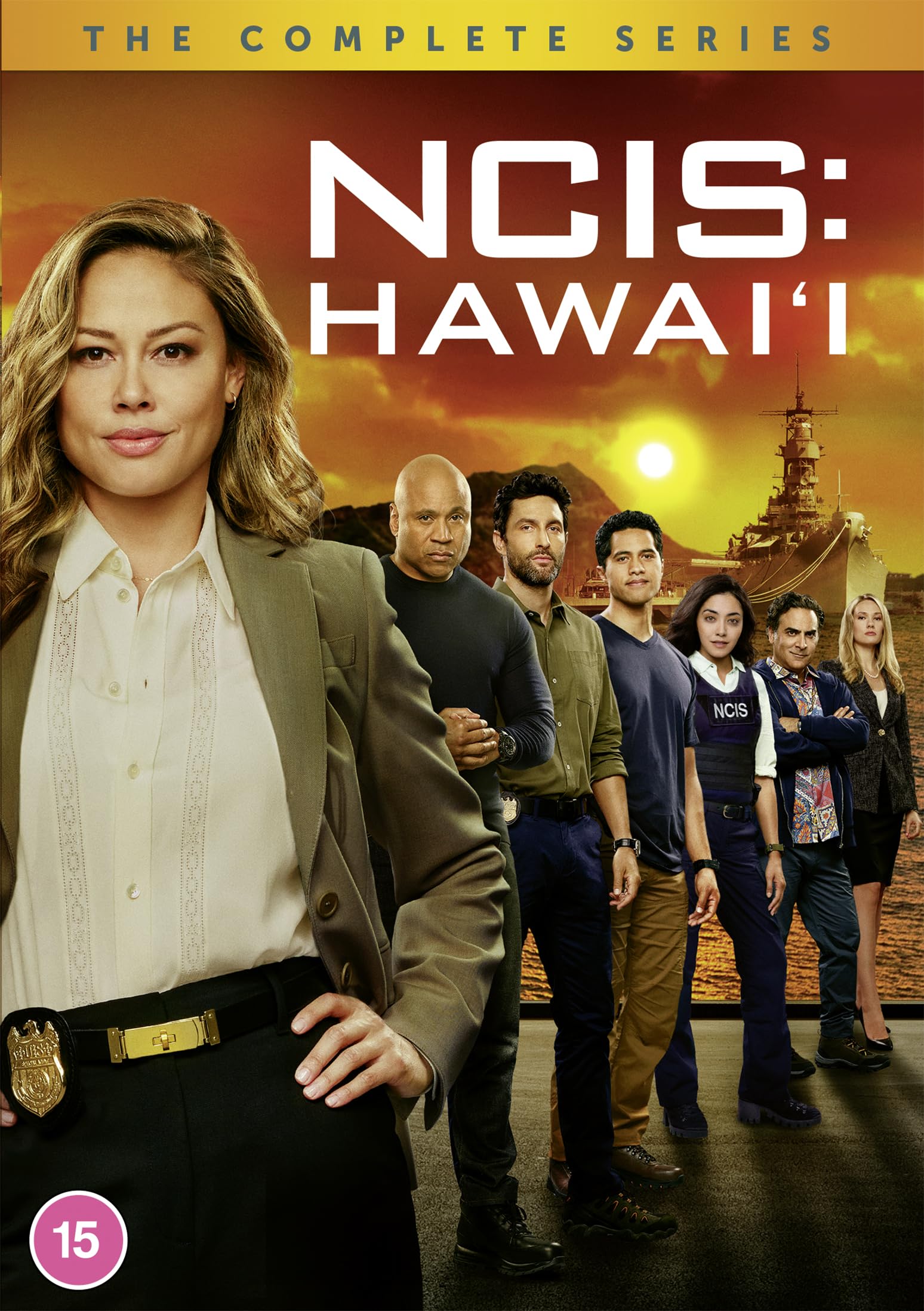
Why NCIS: Hawaiʻi Was Cancelled: Behind the Decision, Network Strategy, and Fan Response
NCIS: Hawaiʻi was cancelled by CBS in April 2024 despite ranking as a stable performer in total viewership, primarily due to financial restructuring, corporate cost-cutting measures, and a compressed network development cycle that left...
NCIS: Hawaiʻi was cancelled by CBS in April 2024 despite ranking as a stable performer in total viewership, primarily due to financial restructuring, corporate cost-cutting measures, and a compressed network development cycle that left no room for the franchise's third-highest-rated drama.
Contents
When CBS announced the cancellation of NCIS: Hawaiʻi after three seasons, the decision sent shockwaves through the television industry and deeply disappointed a dedicated global fanbase. As the first female-led installment in the multi-billion-dollar NCIS franchise, the show had carved out a distinct identity by utilizing the scenic and cultural backdrop of Oahu, establishing robust international syndication value, and drawing an average of nearly 10 million multi-platform viewers per episode. However, broadcast television economics underwent profound shifts in the post-pandemic era, driven by declining linear ad revenue, the rising cost of prestige on-location production, and changing corporate ownership priorities at Paramount Global. Understanding why NCIS: Hawaiʻi was cancelled requires examining the complex intersection of network balance sheets, studio ownership models, scheduling bottlenecks, and the structural realities of modern broadcast television.
The Business of Broadcast Television: Understanding CBS's Decision
The primary driver behind the cancellation of NCIS: Hawaiʻi was not a lack of audience interest or creative exhaustion, but rather the rigid economic mechanics of network television scheduling and licensing agreements. In the traditional broadcast ecosystem, a network's prime-time schedule is finite, offering limited inventory for returning hits, new acquisitions, and studio-owned properties.
By early 2024, CBS found itself facing an unprecedented traffic jam of successful dramas. The network had already renewed powerhouse staples like NCIS, FBI, The Equalizer, and Ghosts, while also committing to new freshman series designed to capture younger demographics and fresh licensing revenue. Furthermore, CBS had greenlit NCIS: Origins—a prequel series focusing on a young Leroy Jethro Gibbs—and NCIS: Sydney, creating an overcrowded franchise pipeline.
| Network Factor | Impact on NCIS: Hawaiʻi Cancellation |
|---|---|
| Prime-Time Schedule Limitations | CBS had too many returning hits and new pilot commitments for a fixed number of weekly slots. |
| Studio Ownership Dynamics | The series was co-produced by CBS Studios and independent entities, reducing long-term profit. |
| Production Cost Overruns | Filming on location in Hawaii carried steep logistical, shipping, and labor overheads. |
| Syndication Thresholds | The series was cut short just before reaching the lucrative 88-to-100 episode syndication milestone. |
Studio ownership and profit-participation models heavily influence renewal decisions. Unlike series fully owned and operated directly by a network's parent studio without outside revenue-sharing, co-produced shows often require more complex financial negotiations. When corporate mandates prioritize vertical integration—keeping production dollars within the corporate family—externally partnered or high-overhead productions face intense scrutiny during budget reviews.
Financial Realities and Location Production Costs
Producing a primetime procedural on location in the Hawaiian Islands is an extraordinarily expensive endeavor. While viewers enjoyed the lush tropical vistas, authentic cultural integration, and dynamic outdoor action sequences, these visual assets came with a steep logistical price tag.
- Logistical Overheads: Transporting specialized camera equipment, technical crew members, and primary cast members to and from the mainland requires substantial recurring expenditures.
- Shipping and Supply Chains: Procuring specialized set construction materials, wardrobe supplies, and heavy machinery on an island chain significantly inflates baseline operational budgets compared to shooting on traditional soundstages in Los Angeles or Atlanta.
- Local Labor and Incentives: While the Hawaii Film Office offers competitive tax credits and local production rebates, these incentives rarely cover the entirety of the cost inflation associated with island-based television production. As network budgets tightened across the industry, CBS executives evaluated whether the premium cost of the Hawaii location was justified by the show's ratings performance relative to cheaper mainland-produced alternatives.
Syndication Milestones and the Three-Season Threshold
In the traditional television business model, the ultimate financial windfall for a scripted series is reaching syndication—typically achieved around the 88-to-100 episode mark. Syndication allows production studios to license back-catalogs to local broadcast stations and streaming platforms for substantial recurring revenue.
NCIS: Hawaiʻi concluded its run with 54 episodes across three seasons. Because of pandemic-shortened seasons and industry strikes that disrupted the 2023–2024 television broadcast calendar, the series fell well short of the traditional syndication threshold.
When a network decides whether to finance a fourth season of an expensive bubble show, the calculus often depends on whether the long-term payoff of reaching syndication outweighs the short-term renewal costs. Because NCIS: Hawaiʻi was still multiple seasons away from that financial milestone, CBS executives were less incentivized to absorb the high production costs for a series that would not immediately enter its most lucrative distribution phase.
Corporate Restructuring at Paramount Global
The cancellation cannot be viewed in isolation from the broader corporate restructuring occurring at Paramount Global, the parent company of CBS. During this period, media conglomerates were aggressively shedding debt, cutting operational expenditures, and pivoting their strategic focus toward achieving profitability in their direct-to-consumer streaming divisions, such as Paramount+.
Wall Street analysts and investors increasingly pressured traditional media companies to rein in linear television spending. Across the industry, high-profile cancellations hit numerous well-liked shows as networks trimmed rosters to align with leaner corporate budgets. Even profitable shows with loyal audiences were sometimes cancelled if their financial margins did not meet newly tightened corporate efficiency targets. In this macroeconomic climate, NCIS: Hawaiʻi became a casualty of sweeping corporate belt-tightening rather than an isolated programming failure.
Fan Backlash, Petitions, and Industry Impact
The announcement of the cancellation triggered an immediate, highly organized backlash from the show's passionate fan base. Viewers launched digital petitions, orchestrated social media campaigns using dedicated hashtags, and even engaged in traditional billboard advertising campaigns to urge CBS and alternative streaming platforms to reverse the decision or find a new home for the series.
- Representation Matters: Fans and advocacy groups heavily emphasized the cultural significance of the show, particularly praising its authentic representation of Pacific Islander and Native Hawaiian communities, as well as its groundbreaking LGBTQ+ representation through the central romance between characters Lucy Tara and Kate Whistler (dubbed "Kacy" by fans).
- Cast and Crew Reactions: The series lead, LL Cool J (who joined the cast as Sam Hanna in Season 3 following the conclusion of NCIS: Los Angeles) and series star Vanessa Lachey publicly expressed their gratitude to the fans and their disappointment that the story was cut short without a proper concluding narrative arc.
Efforts to shop the series to other networks or streaming services ultimately failed, as the high production costs that deterred CBS also discouraged external buyers from taking on the financial burden of continuing the series.
Frequently Asked Questions
Why did CBS cancel NCIS: Hawaiʻi despite good ratings?
While the show maintained respectable total viewership numbers, CBS faced a crowded primetime schedule, rising on-location production costs in Hawaii, and corporate cost-cutting mandates under Paramount Global. Network executives prioritized financial restructuring and newer pipeline properties over an expensive bubble show that had not yet reached syndication.
Could NCIS: Hawaiʻi be revived on a streaming service like Paramount+?
Industry attempts were made to pitch the series to Paramount+ and other platforms, but the high baseline budget required to maintain production on location in Hawaii proved prohibitive for streaming acquisition models, which operate under different financial constraints than traditional broadcast networks.
How many seasons and episodes did NCIS: Hawaiʻi run for?
The series completed three seasons comprising a total of 54 episodes before its cancellation was announced by CBS in April 2024, with the final episode airing in May 2024.
Was Vanessa Lachey's character the first female lead in the franchise?
Yes. Vanessa Lachey played Jane Tennant, the Special Agent in Charge of NCIS Pearl Harbor, marking the historic milestone of the first female lead at the helm of an installment within the extensive NCIS universe.
What happened to LL Cool J's character after the cancellation?
LL Cool J reprised his iconic role as Sam Hanna from NCIS: Los Angeles as a recurring guest star and series regular in Season 3 of NCIS: Hawaiʻi, serving as a bridge between the canceled Los Angeles spinoff and the island-based operations.
Conclusion and Next Actions
The cancellation of NCIS: Hawaiʻi stands as a clear reminder of how modern television economics, corporate restructuring, and location overheads often override viewer ratings and critical acclaim. While the series ended prematurely without reaching its full syndication potential, its three-season run secured its place in franchise history for its unique setting, diverse representation, and dedicated fanbase. Viewers looking to revisit the series can stream all 54 episodes on Paramount+ or purchase digital box sets, ensuring that the adventures of the Pearl Harbor team remain accessible to fans worldwide.
Image Gallery