Who Directed Fifty Shades of Grey: The Creative Vision Behind the Adaptation
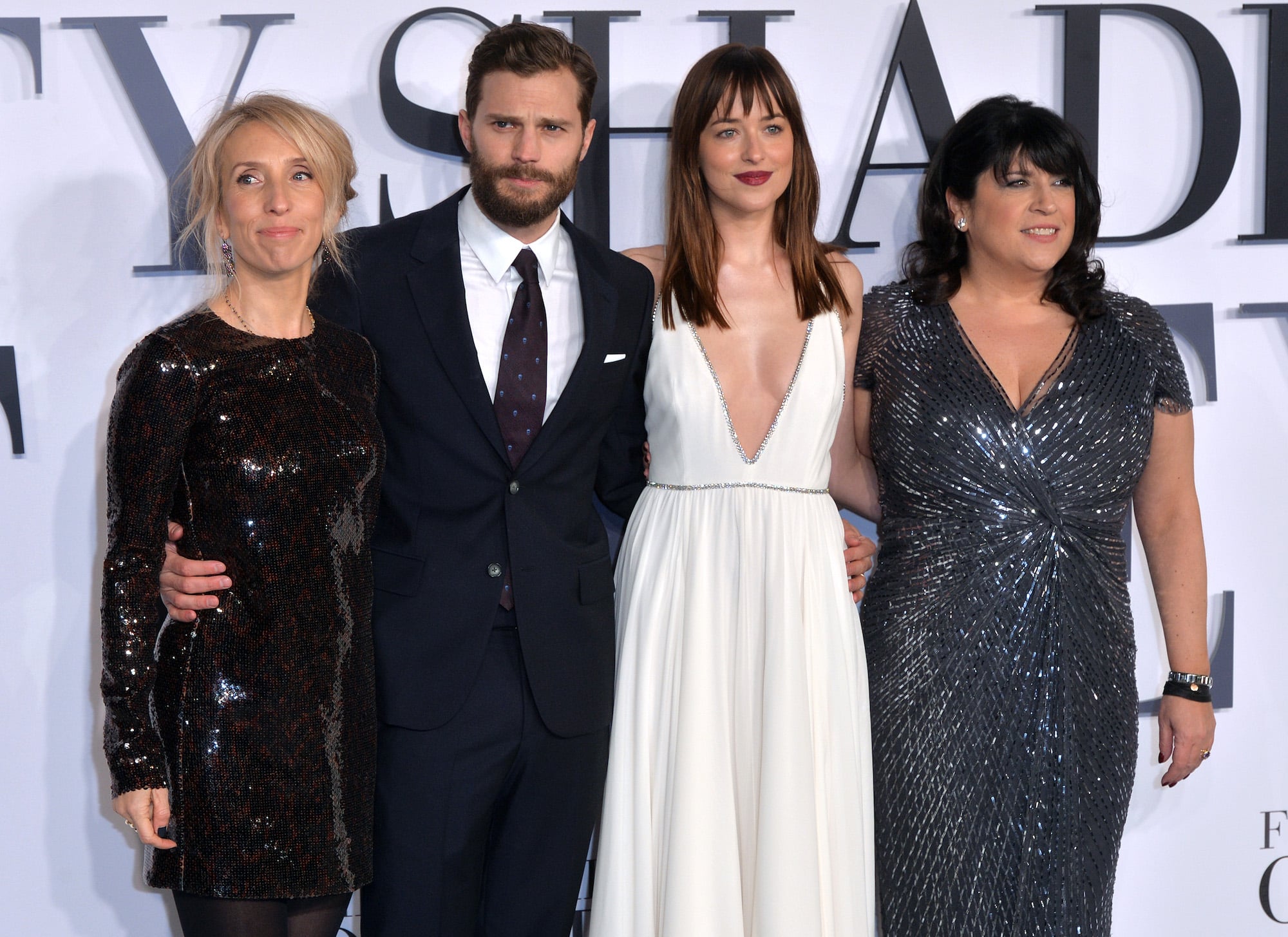
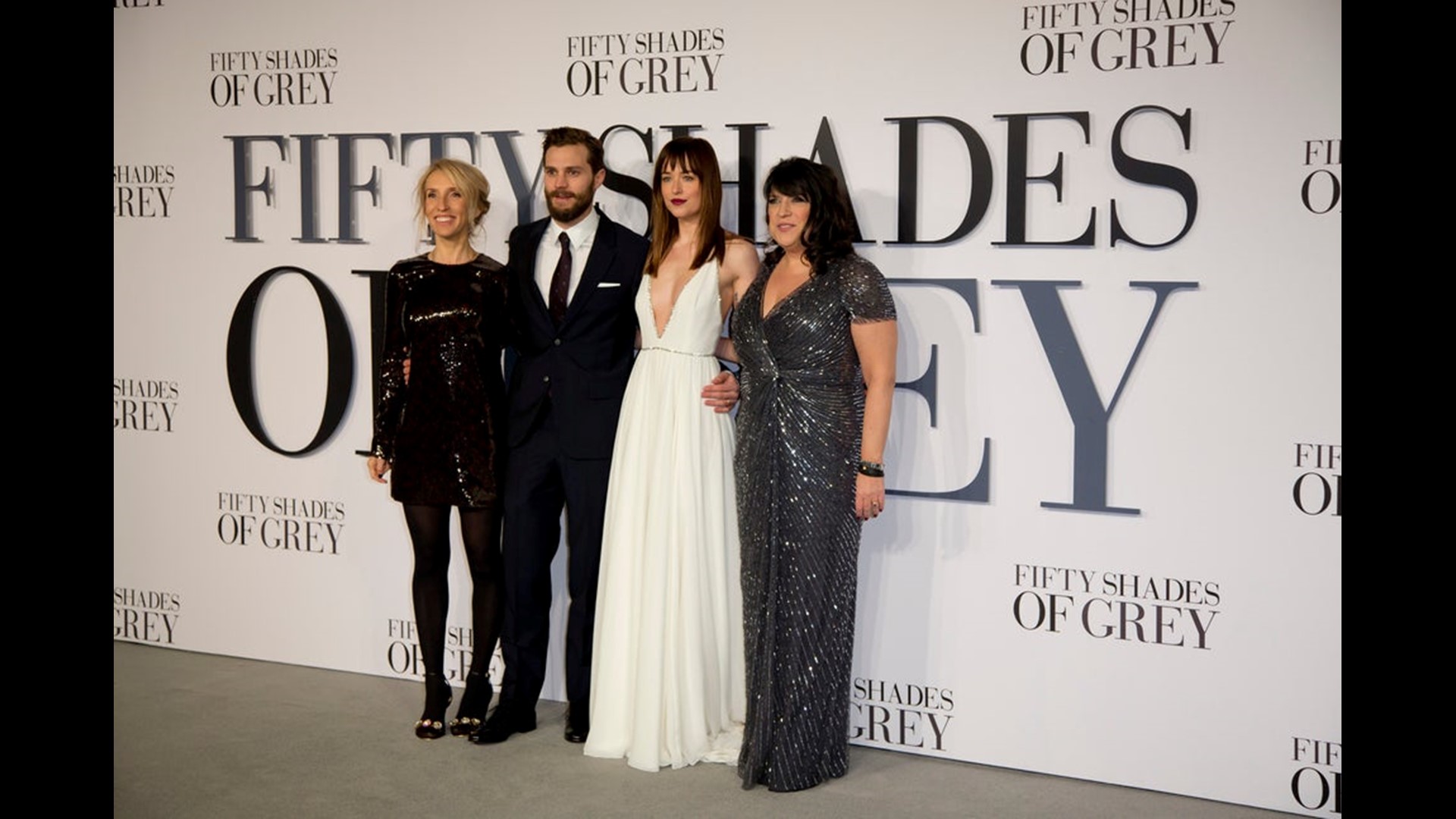
Fifty Shades of Grey was directed by Sam Taylor-Johnson, a British filmmaker and visual artist who helmed the 2015 erotic romantic drama based on E.L. James’s bestselling novel. Her direction shaped the cinematic translation of a globa...
Fifty Shades of Grey was directed by Sam Taylor-Johnson, a British filmmaker and visual artist who helmed the 2015 erotic romantic drama based on E.L. James’s bestselling novel. Her direction shaped the cinematic translation of a global literary phenomenon, though the production famously faced intense creative friction behind the scenes.
Contents
Bringing a worldwide literary sensation to the silver screen requires a delicate balance of commercial ambition, creative vision, and studio oversight. When Universal Pictures and Focus Features acquired the rights to E.L. James’s explosive novel, the selection of a director was one of the most closely watched decisions in Hollywood. Understanding who directed the film, why she was chosen, and how the production unfolded offers a fascinating look at the complexities of modern book-to-film adaptations.
The Director: Sam Taylor-Johnson
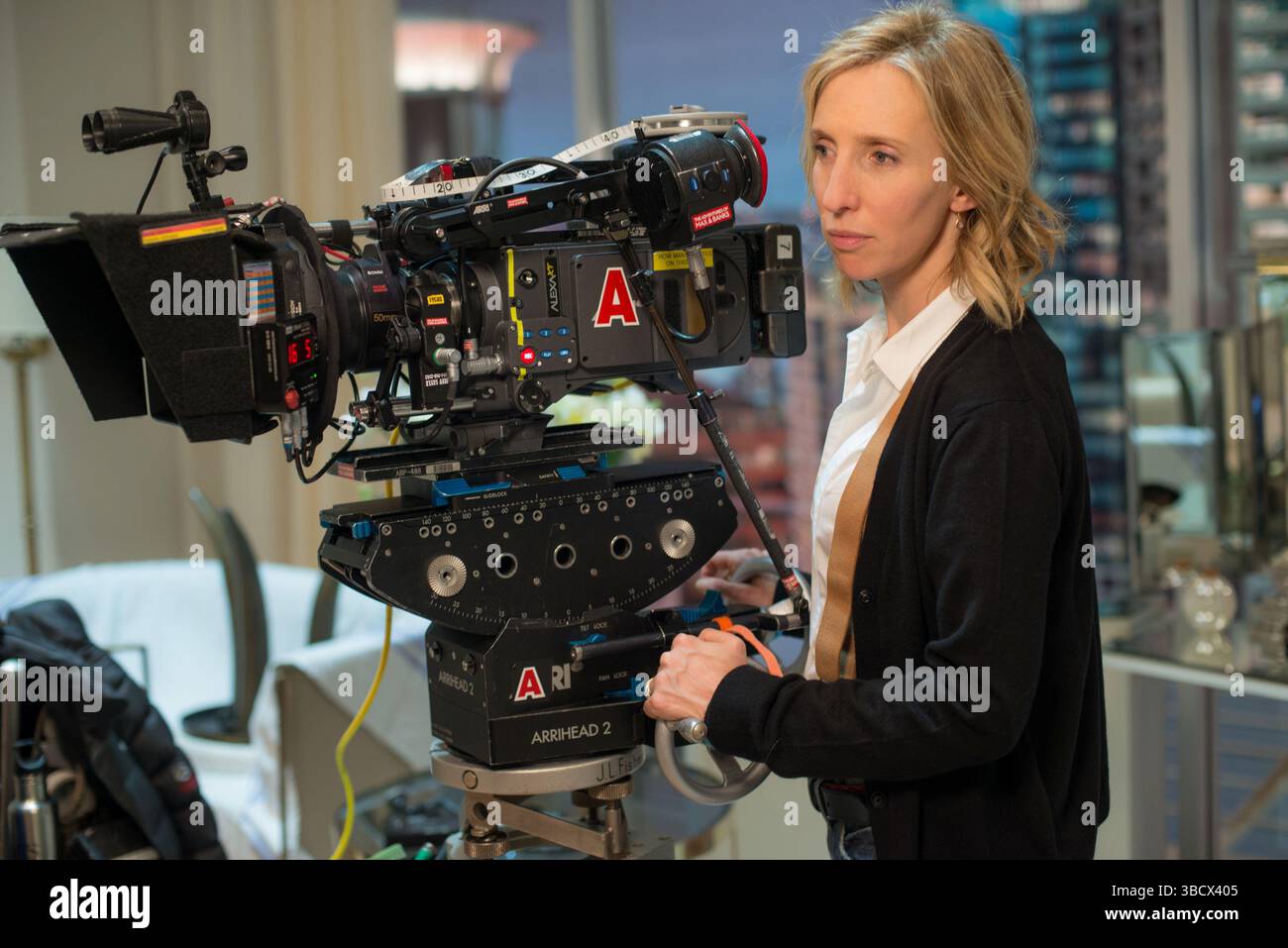
Sam Taylor-Johnson stepped into the director's chair for Fifty Shades of Grey with a background rooted more in contemporary art and intimate character-driven drama than in major Hollywood blockbuster franchises. Born Samantha Taylor-Wood in London, she initially gained prominence as a Turner Prize-nominated photographer and conceptual artist before transitioning to feature filmmaking.
Her directorial debut, the 2009 biographical drama Nowhere Boy, explored the teenage years of John Lennon. The film earned critical praise for its sensitive handling of complex emotional dynamics, family trauma, and youthful awakening. This ability to navigate nuanced, emotionally charged environments made her an intriguing choice for studio executives looking to handle the controversial, sexually explicit source material with a distinct artistic sensibility rather than pure exploitation.
When Taylor-Johnson signed on to direct Fifty Shades of Grey in June 2013, she became one of a select group of female filmmakers tasked with helming a major studio franchise. Her appointment was heralded as an opportunity to bring a female gaze to a story explicitly marketed toward female readers, ensuring the romantic and physical dynamics between characters Anastasia Steele and Christian Grey possessed psychological depth.
The Production Landscape and Creative Friction
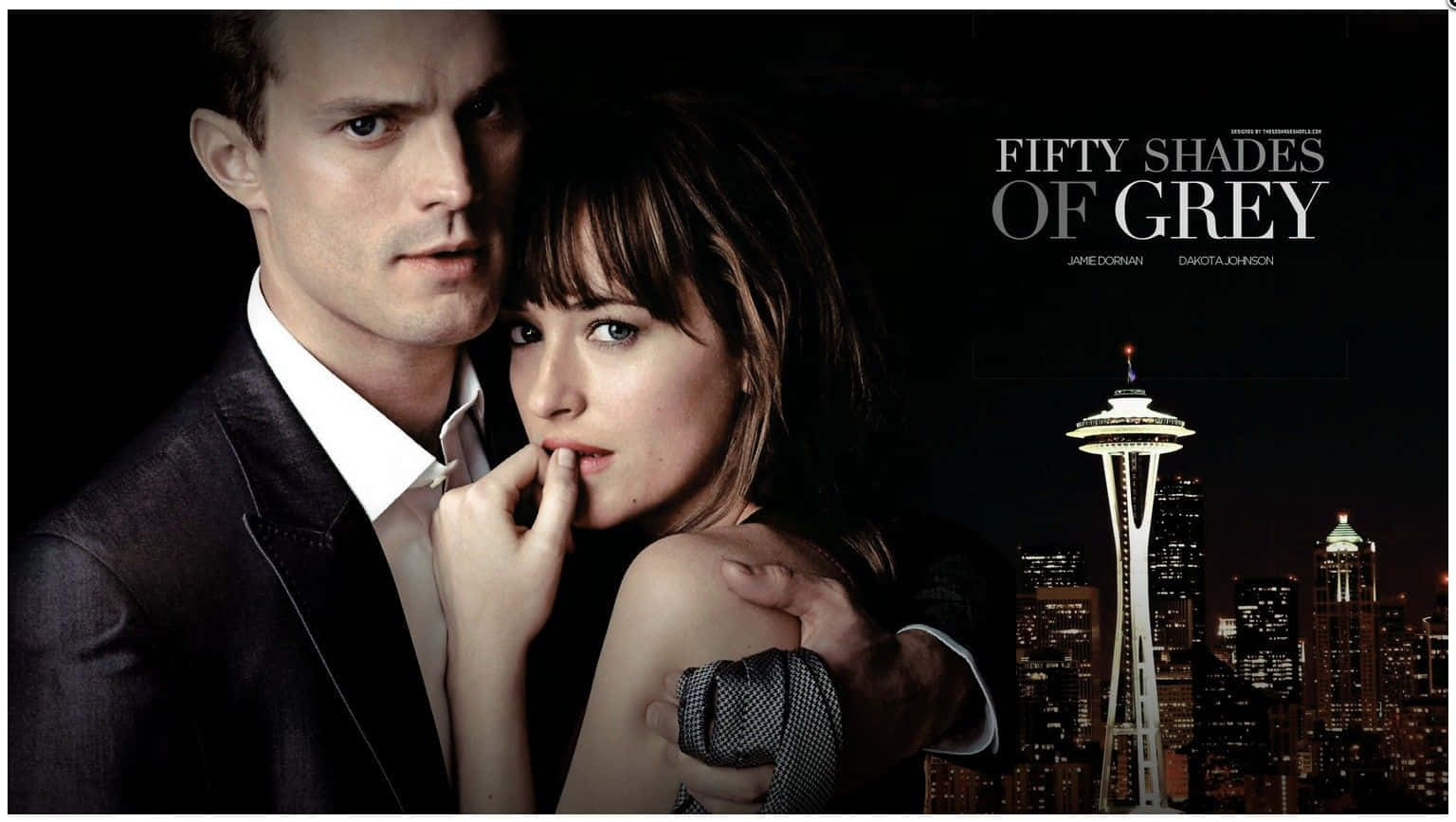
The journey from page to screen was marked by high-profile casting changes, script revisions, and reported artistic differences between the director and the author. Initially, actor Charlie Hunnam was cast as Christian Grey alongside Dakota Johnson as Anastasia Steele. However, due to scheduling conflicts and mounting pressure, Hunnam exited the project, leading to the late casting of Jamie Dornan just weeks before principal photography was scheduled to begin in late 2013.
More significant than the casting shifts were the creative tug-of-wars that played out behind the scenes. E.L. James exerted considerable creative control over the production, maintaining strict oversight regarding how her characters and narrative beats were portrayed on screen. While Taylor-Johnson sought to elevate the material with cinematic framing, psychological tension, and artistic restraint, James pushed for strict fidelity to the novel's specific dialogue and fan-favorite moments.
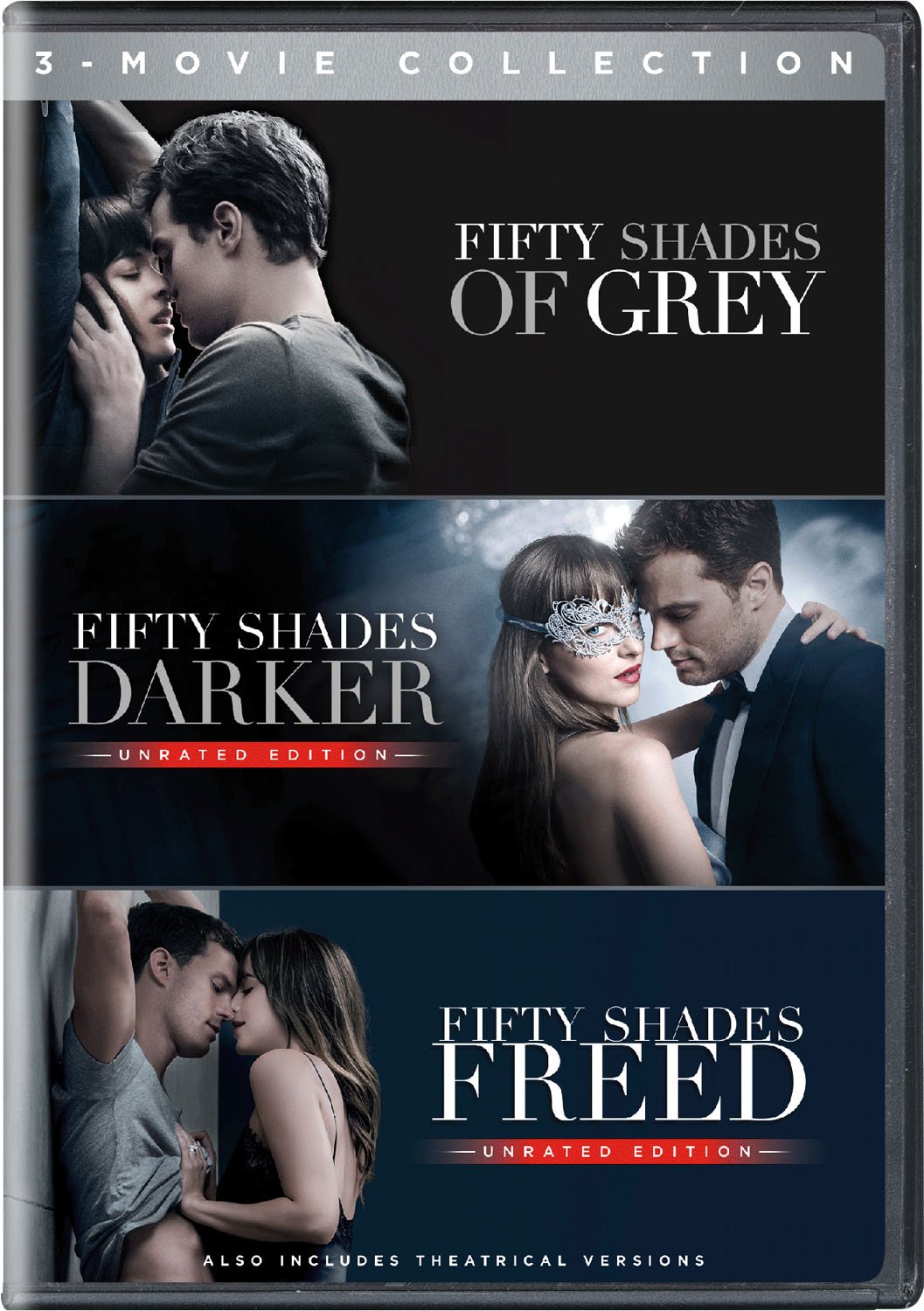
These conflicting visions resulted in a famously tense set environment. In subsequent media interviews, Taylor-Johnson openly discussed the challenges of navigating the studio's demands, the author's protective stewardship of the intellectual property, and the high-stakes pressure of delivering an R-rated blockbuster that could satisfy both hardcore fans and mainstream moviegoers. Consequently, Taylor-Johnson chose not to return for the sequels, Fifty Shades Darker (2017) and Fifty Shades Freed (2018), which were subsequently directed by James Foley.
| Production Element | Detail / Participant |
|---|---|
| Director | Sam Taylor-Johnson |
| Author of Source Material | E.L. James (Erika Leonard) |
| Lead Actors | Dakota Johnson (Anastasia Steele), Jamie Dornan (Christian Grey) |
| Distributor | Universal Pictures / Focus Features |
| Release Date | February 13, 2015 |
| Sequel Directors | James Foley (Fifty Shades Darker and Fifty Shades Freed) |
Critical Reception and Box Office Impact
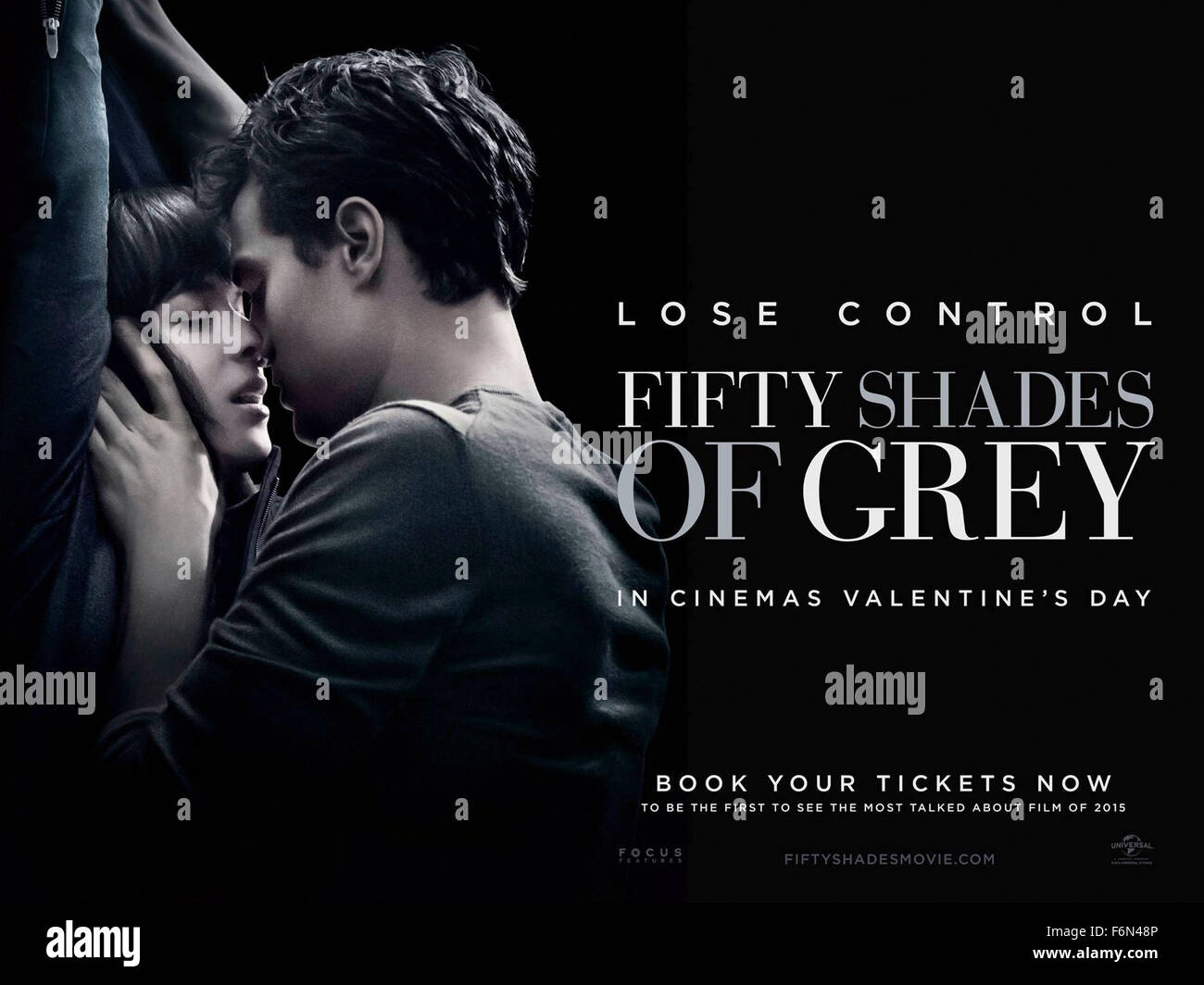
Despite the reported behind-the-scenes friction, Fifty Shades of Grey was an undeniable commercial behemoth upon its release in February 2015. Capitalizing on Valentine's Day weekend timing and a massive built-in readership, the film shattered box office expectations. It grossed over $570 million worldwide against a modest production budget of roughly $40 million, making it one of the most profitable releases of the year for Universal Pictures.
Critical reception, however, was sharply divided. Many reviewers praised Dakota Johnson's grounded, vulnerable performance as Anastasia Steele, arguing that she managed to infuse depth into a character often criticized as passive in the text. Cinematographer Seamus McGarvey's work and Taylor-Johnson's sleek aesthetic direction also received occasional nods for giving the picture a polished, high-end look unusual for the erotic drama genre.
Conversely, other critics pointed out pacing issues, a perceived lack of genuine chemistry between the leads, and a sanitized approach to the BDSM (Bondage, Discipline, Dominance, Submission, Sadism, and Masochism) lifestyle at the heart of the story. Feminist critiques highlighted the narrative's handling of power dynamics and abusive relationship warning signs, sparking widespread cultural debates that mirrored the conversations surrounding the original book series.
Directorial Succession: Handing Over the Reins
Following the theatrical release and commercial success of the first film, Universal Pictures moved quickly to greenlight the remaining two installments of the trilogy as back-to-back productions. Because Sam Taylor-Johnson publicly confirmed she would not return to direct the sequels, the studio sought a filmmaker comfortable working within established studio franchises and comfortable navigating heavy oversight.
James Foley, a seasoned television and film director known for works like Glengarry Glen Ross and multiple episodes of House of Cards, took over directorial duties for Fifty Shades Darker (2017) and Fifty Shades Freed (2018). Foley's background in slick thrillers and serialized drama provided a different stylistic momentum to the franchise, pivoting the tone slightly away from the moody, art-house-leaning aesthetic Taylor-Johnson attempted to establish, leaning instead into conventional romantic thriller territory.
Frequently Asked Questions
Did Sam Taylor-Johnson direct the entire Fifty Shades trilogy?
No. Sam Taylor-Johnson directed only the first film, Fifty Shades of Grey (2015). Due to creative differences with author E.L. James and the grueling production process, she stepped away from the franchise. Director James Foley took over for the final two installments, Fifty Shades Darker (2017) and Fifty Shades Freed (2018).
Why did Sam Taylor-Johnson leave the franchise?
While Taylor-Johnson maintained a diplomatic stance publicly, she and industry reports frequently cited intense creative clashes with E.L. James, who held significant contractual control over the adaptation. Balancing the studio's commercial interests, the author's protective vision, and her own artistic integrity proved exceptionally difficult, leading to her departure from future sequels.
Who was originally cast as Christian Grey instead of Jamie Dornan?
British actor Charlie Hunnam was originally cast in the role of Christian Grey in September 2013. However, just weeks before filming was set to begin, Hunnam withdrew from the project, citing an immersive television shooting schedule for Sons of Anarchy and overwhelming media scrutiny. Jamie Dornan was cast shortly thereafter in October 2013.
How much did the first Fifty Shades of Grey movie make at the box office?
The film was a massive financial success. Produced on a relatively modest budget of approximately $40 million, Fifty Shades of Grey grossed over $570 million globally, performing exceptionally well during its theatrical release over Valentine's Day weekend in 2015.
Is Sam Taylor-Johnson still active as a film director?
Yes. Following her work on Fifty Shades of Grey, Taylor-Johnson directed the drama piece A Million Little Pieces (2018) and the biographical musical drama Back to Black (2024), focusing on the life of British singer Amy Winehouse.
Practical Next Steps for Film Research
For researchers, film students, or pop culture historians studying modern book adaptations, examining Fifty Shades of Grey provides a case study in studio franchise management and authorial control. To deepen your understanding of this production, consider reviewing primary source interviews given by Sam Taylor-Johnson and Dakota Johnson during the 2015 press tour, reading trade publications from Deadline and Variety covering the director search and casting turnover, or analyzing the screenplays adapted by Kelly Marcel to see how explicit literary text is translated for mainstream cinema ratings boards.
Image Gallery