How to Choose Los Angeles Real Estate Courses
Selecting the right real estate education program in Los Angeles is the foundational step for anyone pursuing a career as a licensed salesperson or broker. With numerous providers operating in the California market, your decision hinge...
Selecting the right real estate education program in Los Angeles is the foundational step for anyone pursuing a career as a licensed salesperson or broker. With numerous providers operating in the California market, your decision hinges on identifying a DRE-approved curriculum that balances regulatory compliance with high-quality pedagogical delivery. To succeed, you must prioritize programs that offer structured preparation for the state examination, flexible scheduling, and comprehensive support systems.
Contents
Understanding California DRE Requirements
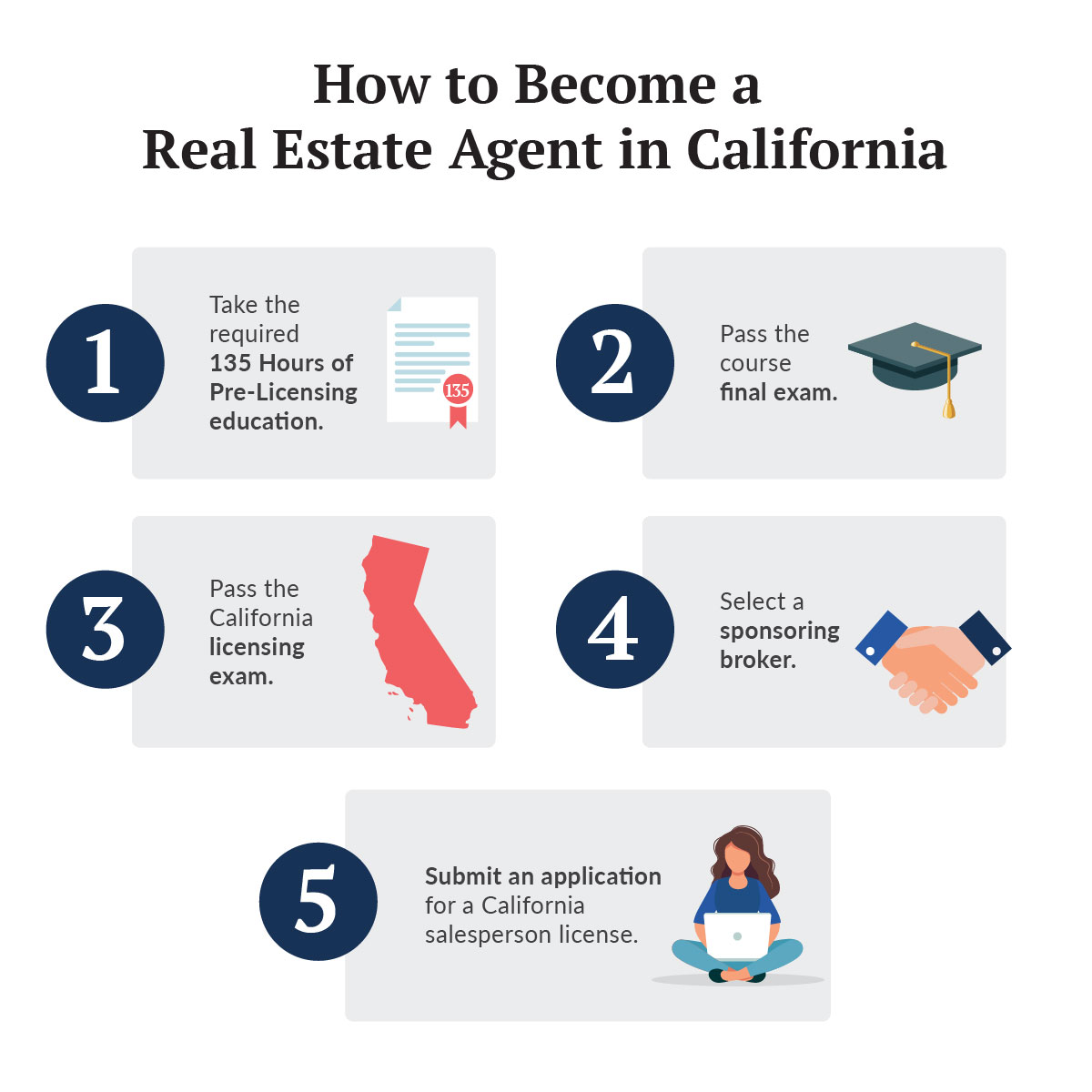
Before evaluating specific providers, you must understand the regulatory landscape governed by the California Department of Real Estate (DRE). To qualify for the salesperson license examination in California, you are required to complete three specific college-level courses: Real Estate Principles, Real Estate Practice, and one additional elective course from a list of approved subjects.
In Los Angeles, "approved" is the most critical descriptor. If a school’s course catalog is not accredited or recognized by the DRE, your hours will not count toward your eligibility. Do not be misled by general real estate investment seminars or marketing workshops; these do not satisfy the legal requirements for licensure. Always verify a school's status by checking the DRE’s official "Education Provider" search tool on their website before enrolling.
Identifying Your Learning Style
The Los Angeles real estate market is fast-paced, and your education should fit your professional pace. Providers generally offer three distinct modalities:
- In-Person Instruction: Traditional classroom settings provide face-to-face interaction with instructors who often have decades of experience in the L.A. market. This environment is ideal if you struggle with self-discipline or prefer immediate clarification on complex legal statutes.
- Synchronous Online Learning: These are live, instructor-led sessions conducted via video conferencing. You gain the benefit of a classroom setting with the convenience of avoiding Los Angeles traffic.
- Asynchronous/On-Demand Learning: These programs consist of pre-recorded lectures and digital text. They offer the highest degree of flexibility, allowing you to study during off-hours, which is essential if you are balancing a full-time job while preparing for your new career.
Evaluating Course Content and Support Systems
A high-quality course does more than just meet the DRE's hourly requirements. The core value of a program lies in its "exam readiness." Look for platforms that integrate modern, high-fidelity practice exams. Since the California state exam is notoriously rigorous, a program that provides 1,000+ practice questions with detailed explanations for every answer is vastly superior to one that simply provides the bare minimum textbook content.
Furthermore, evaluate the "instructor access" policy. Can you email a tutor with questions? Are there periodic live Q&A sessions? Real estate law in California is nuanced—especially regarding disclosures, trust funds, and agency relationships. Having a direct line to a professional who understands the local nuances of Los Angeles County ordinances and state law is an invaluable asset.
Comparison Table: Educational Delivery Methods
| Feature | In-Person Classes | Synchronous Online | Asynchronous On-Demand |
|---|---|---|---|
| Flexibility | Low | Medium | Very High |
| Networking | High | Medium | Low |
| Pace Control | Fixed | Fixed | Self-Paced |
| Cost | Generally Highest | Moderate | Generally Lowest |
| Instructional Support | Direct | Direct/Chat | Email/Forums |
Assessing Costs and Hidden Fees
When budgeting for your real estate education, distinguish between the cost of the course and the costs associated with the DRE itself. The course provider fee covers your education, but you will still be responsible for the DRE exam application fee and the subsequent license issuance fee.
Beware of "all-inclusive" packages that seem suspiciously low in price. Some providers advertise a low base price but charge additional fees for physical textbooks, shipping of materials, or access to supplemental "exam prep" modules. Ensure that your enrollment includes:
- All state-mandated course hours.
- Digital or physical textbooks.
- Updated practice test banks (ensure they are current for 2026).
- A "pass guarantee" or similar policy that allows you to retake materials if you fail the initial attempt.
Checking Institutional Reputation and Outcomes
Los Angeles is home to many reputable institutions, including community colleges and private real estate schools. If you choose an institution, look for longevity. A school that has been operating in the Los Angeles area for over a decade is more likely to have a curriculum fine-tuned to the specific challenges of the California state exam.
Read reviews across multiple independent platforms rather than relying solely on testimonials on the school’s website. Specifically, look for mentions of "exam relevance." If recent students report that the content on the actual DRE exam felt completely different from what was taught in the course, that is a red flag. The best programs are those that constantly update their content to match the latest changes in the California Business and Professions Code.
Common Mistakes to Avoid
Many prospective agents fall into the trap of choosing a course based solely on the lowest price. In real estate, the cost of an extra month of study due to a failed exam far outweighs the savings of a cheaper course.
Another common error is failing to consider the "technical ecosystem" of the course provider. Does the platform work seamlessly on mobile devices? If you intend to study on the Metro or during breaks at your current job, a platform that is only optimized for desktop computers will hinder your progress. Ensure the provider offers a mobile-responsive interface or a dedicated application.
Next Steps for Enrollment
Once you have narrowed your list to two or three reputable providers, follow this sequence:
- Verify Approval: Input the provider name into the DRE licensing portal to ensure they are currently authorized.
- Sample the Material: Most reputable schools offer a free trial or a sample lesson. Take advantage of this to assess the quality of the video production and the clarity of the instructional writing.
- Compare Support Policies: Call the school’s customer support line. How quickly do they answer? Do they seem knowledgeable about the California licensing process? A school’s customer service quality is often a direct reflection of their student support quality.
- Enroll: Commit to a start date and set a firm timeline for completion. Given the volume of material, aim to complete your course within 8–12 weeks of consistent study.
Frequently Asked Questions
Does the DRE accept courses from out-of-state providers? Yes, provided the institution is accredited and the courses are DRE-approved specifically for California. However, using a local Los Angeles or California-based provider is generally recommended because their content is tailored specifically to the California real estate laws and the DRE exam structure.
How long does it take to complete the required 135 hours of education? The DRE mandates 135 hours of instruction (45 hours per course). While some fast-paced online programs allow you to progress quickly, you are legally prohibited from completing more than 15 credit hours of study per day.
What happens if I fail the real estate exam? Failing the state exam is common. Most high-quality real estate courses include a "pass guarantee" that allows you to access their materials again for free or at a reduced rate. Check the specific terms of this policy before enrolling to ensure you aren't hit with unexpected fees later.
Do I need to buy physical books? Most modern courses offer digital materials. While some learners prefer physical books, digital versions are usually sufficient and often include searchable functions, which are helpful for reviewing specific legal terms or mathematical formulas.
Are there specific courses for Brokers versus Salespeople? Yes. While the salesperson path requires three specific courses, the broker license requirements involve eight courses. Ensure you are enrolling in the correct program track for your specific licensing goal.
Practical Recommendation
For the most efficient path to licensure in Los Angeles, prioritize providers that bundle their core course requirements with a robust, software-based exam prep engine. Consistency is your greatest ally; allocate two hours of uninterrupted study time daily. Before finalizing your choice, confirm that the provider offers current 2026-edition materials to ensure you are studying the most recent changes in real estate finance and practice regulations.
Image Gallery