Choosing the Best Twin Mattress for Back Pain: A Guide to Spinal Support Options
Selecting a twin mattress for back pain requires balancing spinal alignment with pressure relief. For most sleepers in 2026, a hybrid or high-density memory foam mattress featuring zoned support offers the best results. These options m...
Selecting a twin mattress for back pain requires balancing spinal alignment with pressure relief. For most sleepers in 2026, a hybrid or high-density memory foam mattress featuring zoned support offers the best results. These options maintain the spine's natural curve while cushioning joints, preventing the "sinking" that often exacerbates lumbar or thoracic discomfort.
Contents
Back pain is a multifaceted issue, often exacerbated by a mattress that has either lost its structural integrity or was never suited to the sleeper's body type and position. When shopping for a twin-sized mattress—common for children’s rooms, studio apartments, or guest spaces—the focus must shift from simple "firmness" to "spinal support." While a twin mattress occupies a smaller footprint (standardized at 38 inches by 75 inches), the internal architecture must be just as robust as larger models to provide genuine orthopedic benefits.
The Mechanics of Spinal Support
The primary goal of any orthopedic mattress is to achieve "neutral spinal alignment." This means that whether you are lying on your side, back, or stomach, your spine should maintain its natural "S" curve. If a mattress is too soft, the heaviest part of the body (the hips) sinks too deeply, creating a "hammock" effect that strains the lower back (the lumbar region). Conversely, if the mattress is too hard, it pushes against the shoulders and hips, creating gaps under the lower back and neck, leading to muscle tension and morning stiffness.
In 2026, the most effective spinal support options utilize zoned support systems. These systems divide the mattress into different sections with varying levels of firmness. Typically, the middle third of the mattress is reinforced with higher-density foam or thicker gauge coils to support the hips, while the head and foot sections are slightly softer to allow the shoulders and legs to sink in naturally.
Evaluating Mattress Materials for Back Pain
Different materials interact with the human body in distinct ways. Understanding these interactions is critical for choosing the right spinal support option.
Memory Foam and Polyfoam
High-density memory foam is renowned for its pressure-relieving properties. It "contours" to the body, distributing weight evenly across the surface. For back pain sufferers, this reduces the "hot spots" that cause tossing and turning. However, not all foam is created equal. Cheap, low-density foam can sag within 1–2 years, losing its ability to support the spine.
In 2026, "open-cell" and "gel-infused" foams are the industry standard for twin mattresses. These materials address the traditional heat-retention issues of foam while maintaining the Indentation Load Deflection (ILD)—a measure of firmness—necessary for back support. A foam mattress for back pain should ideally have a base layer of at least 1.8 lb density polyfoam to ensure longevity and consistent alignment.
Innerspring and Pocketed Coils
Traditional innerspring mattresses use interconnected coils (Bonnell coils). While affordable, they often lack the localized support needed for back pain because when one coil moves, the ones around it follow.
A superior spinal support option is the pocketed coil system. Each coil is individually wrapped in fabric, allowing it to move independently. This allows the mattress to contour more precisely to the body. For a twin mattress, look for a "coil count" of at least 400 to 500. Furthermore, the coil gauge (the thickness of the wire) is a vital metric: a lower gauge (e.g., 12 or 13) indicates a firmer, more supportive feel, while a higher gauge (e.g., 15) is thinner and softer.
Hybrid Mattresses
Hybrid mattresses combine the support of pocketed coils with the pressure relief of foam or latex. This is often the most recommended configuration for back pain. The coil base provides the "push-back" necessary for spinal alignment, while the top layers of foam prevent the surface from feeling overly rigid.
Latex Mattresses
Latex is a natural alternative that is more "responsive" than memory foam. While memory foam feels like you are sinking into the bed, latex feels like you are floating on top of it. For individuals who feel "stuck" in foam or who need extra lumbar support, latex provides an excellent upward force that keeps the spine elevated.
Comparison of Spinal Support Options
The following table summarizes how different twin mattress architectures perform regarding back pain relief and spinal alignment.
| Mattress Type | Spinal Alignment Rating | Pressure Relief | Breathability | Durability (Avg. Years) |
|---|---|---|---|---|
| Traditional Innerspring | Poor to Fair | Low | Excellent | 5–6 |
| High-Density Memory Foam | Good | Excellent | Fair to Good | 7–10 |
| Pocketed Coil (Zoned) | Excellent | Good | Excellent | 8–10 |
| Latex (Natural) | Excellent | Good | Excellent | 12–15 |
| Hybrid (Zoned) | Excellent | Excellent | Good | 8–12 |
Matching Support to Sleeping Position
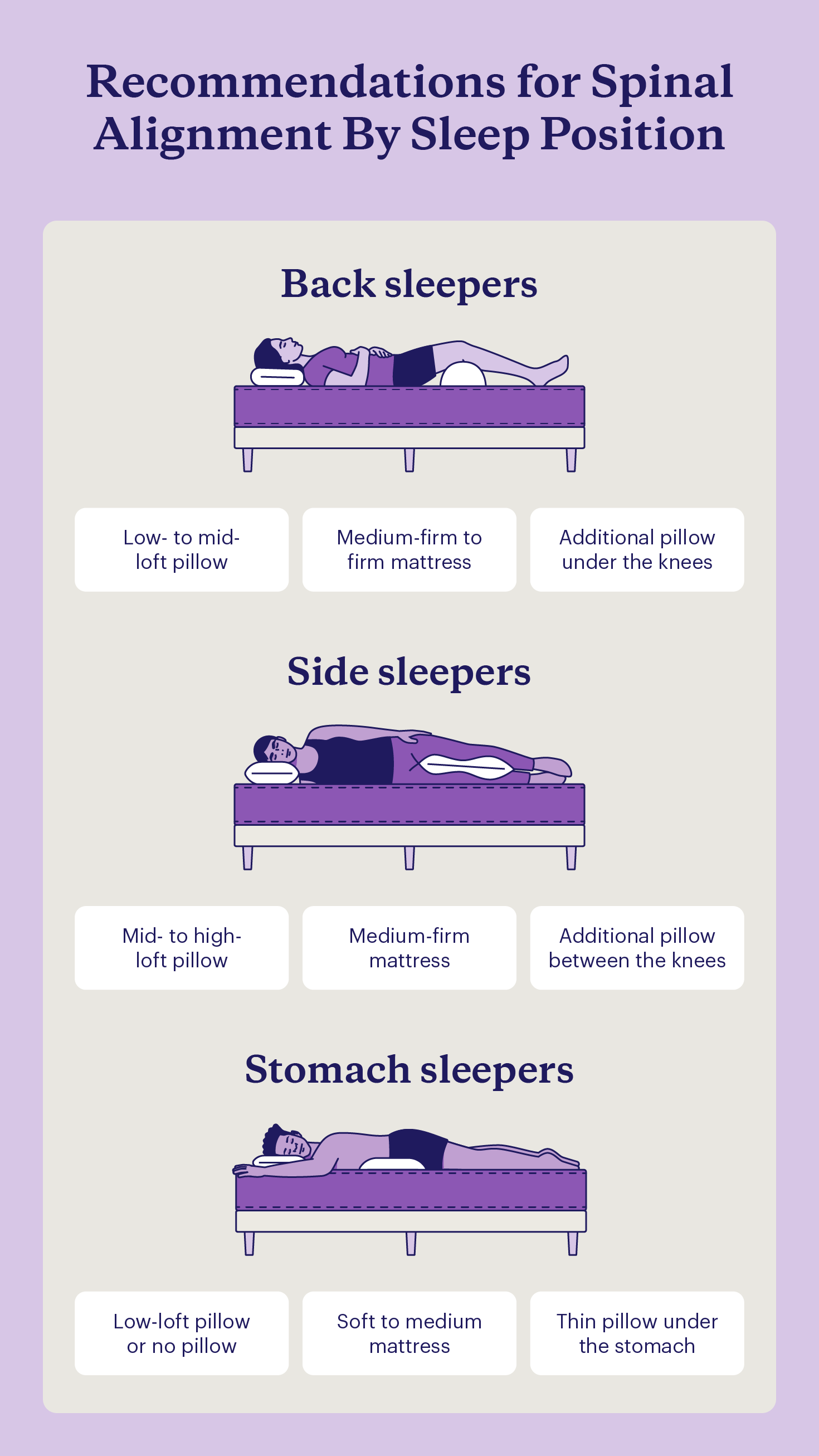
The "correct" spinal support option is highly dependent on how you sleep. A twin mattress that is perfect for a back sleeper may be detrimental to a side sleeper.
- Back Sleepers: This position requires a medium-firm feel. The mattress must be firm enough to keep the hips from sinking but soft enough to fill the gap in the lumbar arch. A hybrid mattress with a 6/10 firmness rating is typically ideal.
- Side Sleepers: Side sleeping is common but puts significant pressure on the shoulders and hips. Side sleepers need a slightly softer twin mattress (4/10 to 5/10 firmness) that allows these protruding areas to sink in, keeping the spine straight. Zoned support is particularly beneficial here to prevent the "hip-dip" that causes lower back pain.
- Stomach Sleepers: This is generally the worst position for back pain, as it often causes the lower back to arch excessively. Stomach sleepers need a firm mattress (7/10 to 8/10) to keep the pelvis aligned with the rest of the body. A firm latex or high-gauge innerspring is often the best choice.
Essential Considerations for Twin Mattresses
Because twin mattresses are smaller, they present unique challenges for support that larger mattresses do not.
Edge Support: In a twin mattress, you are always close to the edge. If the edges are weak, you may feel like you are rolling off, which causes you to sleep in the middle and leads to uneven wear. Look for mattresses with reinforced foam perimeters or "quantum edges" (thicker coils around the border) to maximize the usable sleep surface.
Foundation and Frame: A supportive mattress is only as good as the surface it sits on. For back pain, a sagging box spring or a slatted frame with slats more than 3 inches apart can cause the mattress to dip, ruining spinal alignment regardless of the mattress's quality. In 2026, many manufacturers recommend solid platforms or adjustable bases for the best orthopedic results.
Weight and Body Type: A child or a lightweight adult (under 130 lbs) will experience a "firm" mattress differently than a heavier individual (over 230 lbs). Lighter sleepers may find that high-density foams don't "give" enough, leading to pressure points, while heavier sleepers may sink through the comfort layers of a soft mattress and hit the hard support core.
Managing Chronic Pain: A Medical Perspective
While a mattress is a critical tool in managing back pain, it is not a cure for underlying medical conditions like herniated discs, sciatica, or spinal stenosis. According to the Mayo Clinic, chronic back pain requires a holistic approach including physical therapy and lifestyle adjustments. If your back pain persists despite switching to a supportive twin mattress, consult a healthcare professional.
Professional Advice Limitation: The information provided in this article is for educational purposes and does not substitute for professional medical advice, diagnosis, or treatment.
Frequently Asked Questions
Is a firm twin mattress always better for back pain? No. The idea that "harder is better" is a common myth. A mattress that is too firm cannot conform to the natural curves of the spine, leaving the lower back unsupported. The goal is "supportive," not "hard." Most people find relief on a medium-firm mattress that balances contouring with push-back.
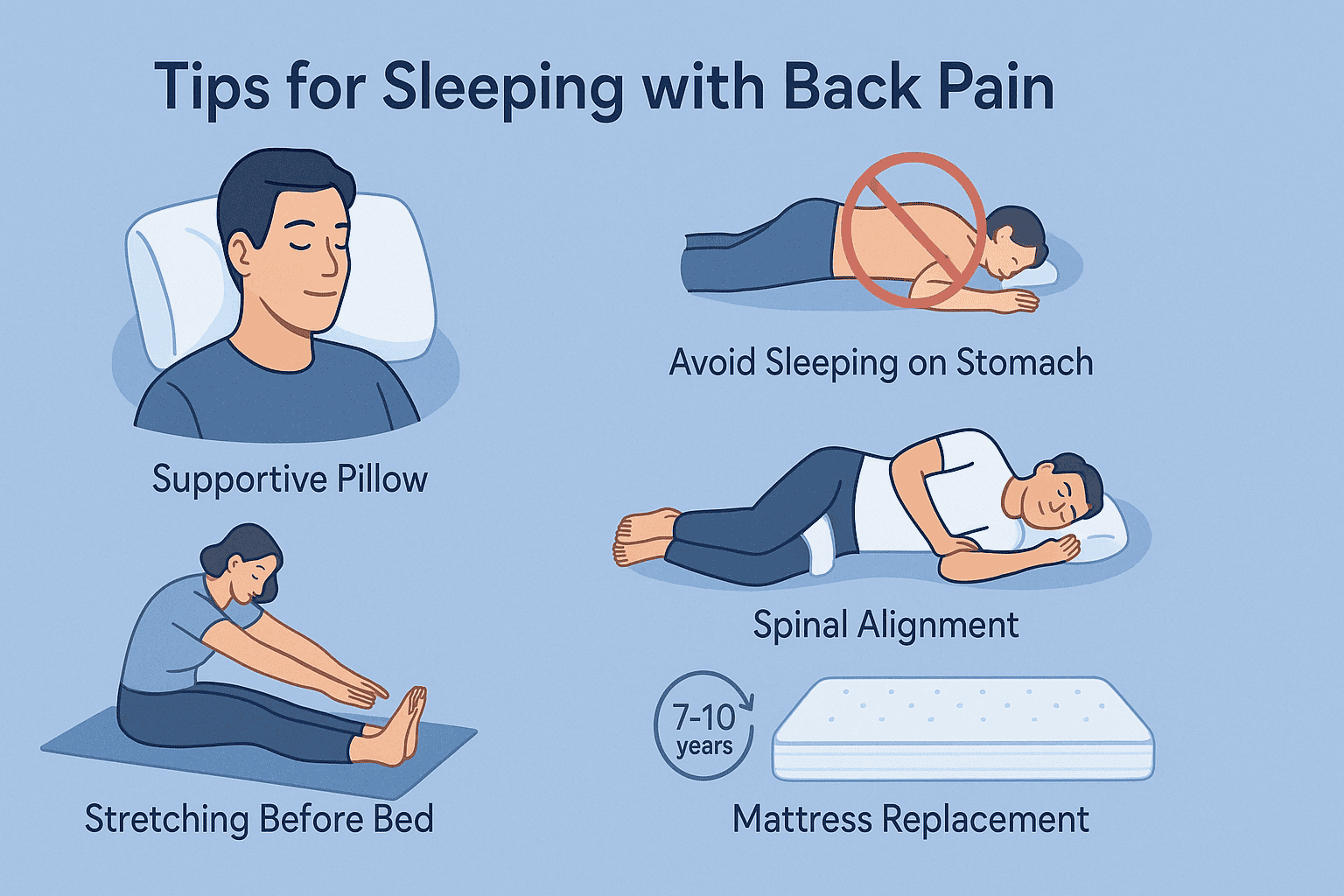
How often should I replace a twin mattress used for orthopedic support? Generally, a mattress should be replaced every 7 to 10 years. However, if you are using it for back pain relief, you should monitor it for "sagging" or "body impressions" deeper than one inch. Once the materials lose their resilience, they can no longer maintain spinal alignment, and the mattress should be replaced regardless of its age.
Can a mattress topper fix a twin mattress that causes back pain? A topper can add pressure relief to a mattress that is too firm, but it cannot fix a mattress that is sagging. If the base layers of the mattress have failed, a topper will simply follow the dip in the mattress, providing no benefit for spinal alignment.
Does my bed frame affect the spinal support of my twin mattress? Yes, significantly. A weak or broken frame can cause even the most expensive mattress to sag. For spinal health, ensure your twin frame has a center support bar (if applicable) and that slats are sturdy and closely spaced to prevent the mattress from bulging downward.
What is the "zoned support" feature found in 2026 mattress models? Zoned support is an engineering technique where the mattress is divided into three, five, or seven zones. The area under the hips is made firmer to prevent sinking, while the area under the shoulders is softer to alleviate pressure. This is one of the most effective ways to maintain a neutral spine.
Final Recommendation
When choosing a twin mattress for back pain, prioritize hybrid models with zoned support. These provide the most adaptable spinal alignment for various body types and sleeping positions. Ensure the mattress has a trial period of at least 90 nights; spinal alignment is not something you can accurately judge in a five-minute "sit test" at a showroom. Finally, verify the density of the foams and the gauge of the coils to ensure the support will last for the full lifespan of the mattress.
Image Gallery