Peter Budaj: The NHL Goalie Turned Coach
Peter Budaj transitioned from a resilient 14-season NHL goaltender into a professional and international coach, applying his extensive elite-level playing experience to mentor the next generation of netminders. Known during his playing...
Peter Budaj transitioned from a resilient 14-season NHL goaltender into a professional and international coach, applying his extensive elite-level playing experience to mentor the next generation of netminders. Known during his playing days for his exceptional flexibility, calm demeanor, and signature Ned Flanders mask artwork, Budaj shifted his focus from stopping pucks on the ice to shaping goaltending strategy from the bench.
Contents
The Playing Career: A Foundation of Resilience and Adaptability
Before stepping behind the bench, Peter Budaj built a distinguished professional career that spanned over a decade in the National Hockey League and American Hockey League. Drafted 63rd overall by the Colorado Avalanche in the 2001 NHL Entry Draft, the native of Banská Bystrica, Slovakia, established himself as a reliable and hard-working goaltender who could handle both starting and backup responsibilities.
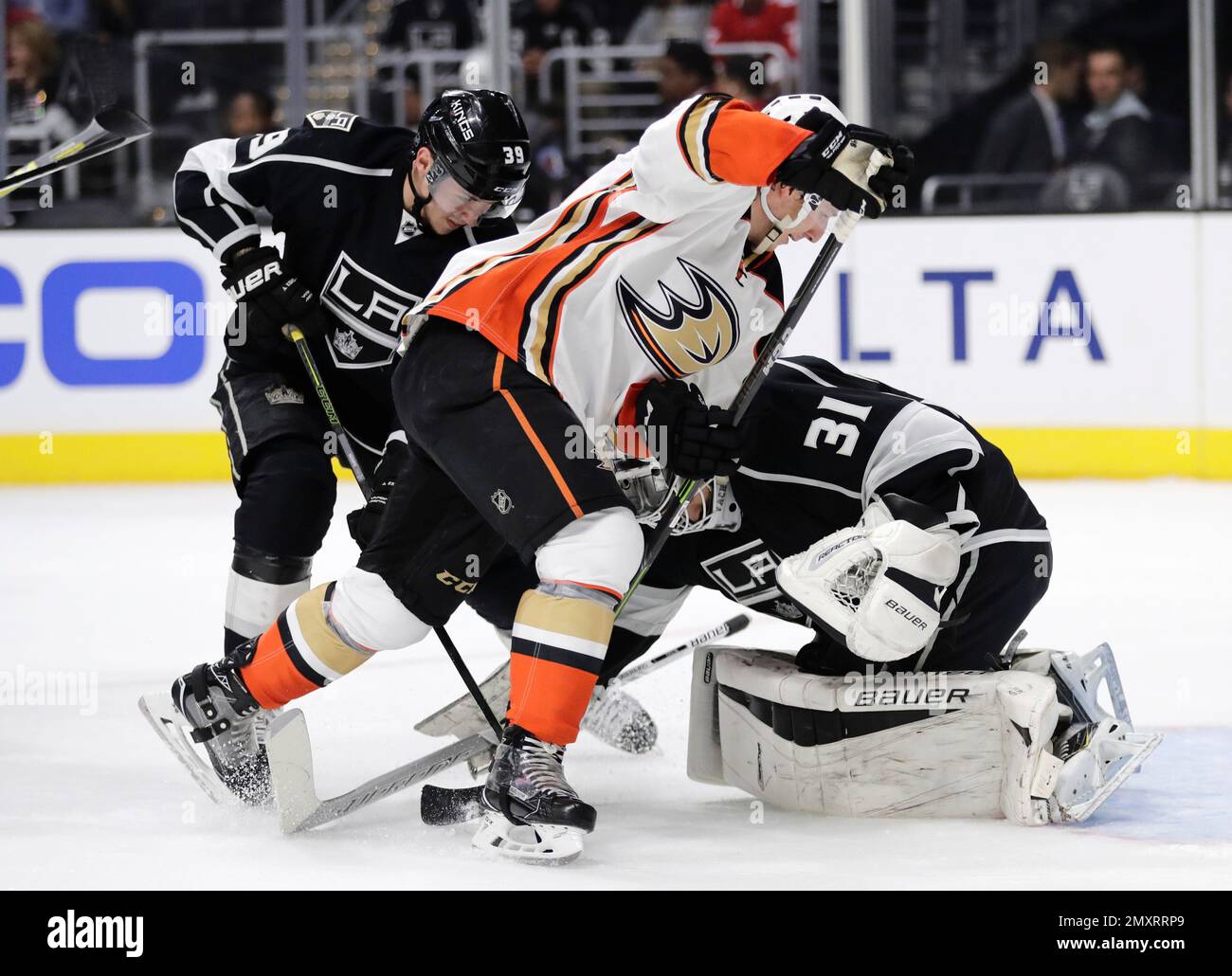
Budaj's NHL journey included notable stints with the Colorado Avalanche, Montreal Canadiens, Los Angeles Kings, and Tampa Bay Lightning. Over 368 NHL regular-season games, he accumulated 158 wins, 18 shutouts, and a career .904 save percentage. One of the defining chapters of his career occurred during the 2016–17 season with the Los Angeles Kings. When starting goaltender Jonathan Quick suffered a severe groin injury on opening night, Budaj stepped into the breach and played a phenomenal stretch of hockey, appearing in 53 games and recording seven shutouts to keep the Kings competitive.
Beyond the NHL, Budaj experienced the highs and lows of professional hockey in the AHL. In the 2015–16 season, he backstopped the Ontario Reign to a stellar campaign, winning the Aldege "Baz" Bastien Memorial Award as the AHL's best goaltender and capturing the Harry "H" Holmes Memorial Award for fewest goals allowed. This combination of long-term NHL survival, high-pressure backup roles, and minor-league dominance provided him with a unique perspective on the mental and technical demands of modern goaltending.
Transitioning to Coaching: Entering the Professional Ranks
The transition from player to coach is rarely straightforward, requiring athletes to deconstruct instincts that once came naturally and articulate them to younger players. For Budaj, retirement from professional playing marked the beginning of a methodical climb up the coaching ladder. Drawing on relationships built over a 14-year professional career, he sought opportunities to remain connected to the game while passing down the lessons learned from legendary goaltending coaches and veteran teammates.
Rather than jumping immediately into a high-profile NHL position, Budaj immersed himself in player development at grassroots and junior levels before securing professional appointments. This path allowed him to test different communication styles and adapt to the evolving demands of hockey analytics and modern goaltending technique. His ability to relate to players who find themselves in backup or developmental roles has proved especially valuable, as he understands the psychological resilience required to maintain peak readiness without consistent playing time.
| Career Phase | Teams / Organizations | Key Accomplishments |
|---|---|---|
| Playing Career (NHL) | Colorado Avalanche, Montreal Canadiens, Los Angeles Kings, Tampa Bay Lightning | 368 NHL games, 158 wins, 18 shutouts, Masterton Trophy finalist. |
| Playing Career (AHL) | Hershey Bears, Hamilton Bulldogs, St. John's IceCaps, Ontario Reign | Baz Bastien Memorial Award (2016), Holmes Memorial Award, Calder Cup playoff experience. |
| Coaching Career | International (Slovakia), Development Programs | Mentoring elite junior and professional prospects, defensive structure integration. |
International Contributions and Development Work
In addition to his North American professional experience, Budaj has remained deeply connected to Slovakian hockey. International competition demands a distinct coaching approach, where staff members must unify players from various club systems into a cohesive unit within a compressed timeframe. Budaj has contributed to international development camps and coaching panels, helping Slovakian hockey federations modernize their goaltending pipelines.
Modern European hockey development has placed a renewed emphasis on mobility, puck-tracking, and fluid skating mechanics—traits that defined Budaj's later years in the NHL. By integrating these concepts into national development programs, he helps bridge the gap between North American professional standards and European training methodologies. His firsthand experience facing elite NHL shooters gives young prospects immediate credibility when reviewing game tape and refining positioning.
Coaching Philosophy and Technical Focus
As a coach, Budaj emphasizes the mental fortitude required to bounce back from a bad goal or a difficult stretch of games. Goaltending is widely considered the most psychologically demanding position in team sports, and a coach's ability to manage a player's confidence is just as critical as technical video breakdown. Budaj's calm, approachable demeanor—which earned him immense respect from teammates during his playing days—serves him well in high-pressure coaching environments.
Technically, Budaj focuses heavily on depth perception, angle management, and efficient movement. While athletic saves often highlight SportsCenter reels, consistent success at elite levels stems from positional economy. Budaj works with goaltenders to minimize wasted motion, maintain square shoulders to the puck, and master butterfly slide techniques. By prioritizing structured positioning over desperation saves, he helps netminders conserve energy across a grueling 82-game professional schedule or intense tournament formats.
Frequently Asked Questions
What teams did Peter Budaj play for in the NHL?
Peter Budaj played for four NHL franchises during his 14-year professional career: the Colorado Avalanche, Montreal Canadiens, Los Angeles Kings, and Tampa Bay Lightning. He played the majority of his games with Colorado and Los Angeles.
Did Peter Budaj win any individual awards during his career?
Yes. In 2016, while playing for the Ontario Reign in the American Hockey League, he won the Baz Bastien Memorial Award as the league's top goaltender and the Holmes Memorial Award for the fewest goals allowed. He was also a finalist for the Bill Masterton Memorial Trophy in the NHL for his perseverance and dedication to hockey.
How did Peter Budaj transition into coaching?
Following his retirement from professional playing, Budaj transitioned into coaching by working with player development programs, junior hockey camps, and international coaching initiatives. He utilizes his extensive NHL experience to mentor goaltenders on technical mechanics and mental preparation.
What is Peter Budaj's coaching style?
Budaj is known for a calm, supportive, and analytical coaching style. He emphasizes positional efficiency, puck-tracking, and mental resilience, drawing directly from his long tenure as both a starting goaltender and a trusted backup in the NHL.
Is Peter Budaj involved in international hockey?
Yes, he has maintained active involvement with Slovakian hockey development, working with national programs and international camps to help modernize goaltending training and prepare young prospects for professional competition.
Next Actions and Further Exploration
For fans and analysts following Peter Budaj's career path, tracking his progression through professional coaching staffs offers a clear window into modern goaltending development. Reviewing archived game tape from his 2016–17 season with the Los Angeles Kings provides a visual textbook on positional discipline and resilience under pressure. As hockey organizations increasingly value former players who excel in communication and technical mentorship, Budaj represents a model of successful transition from the crease to the coach's office.
Image Gallery