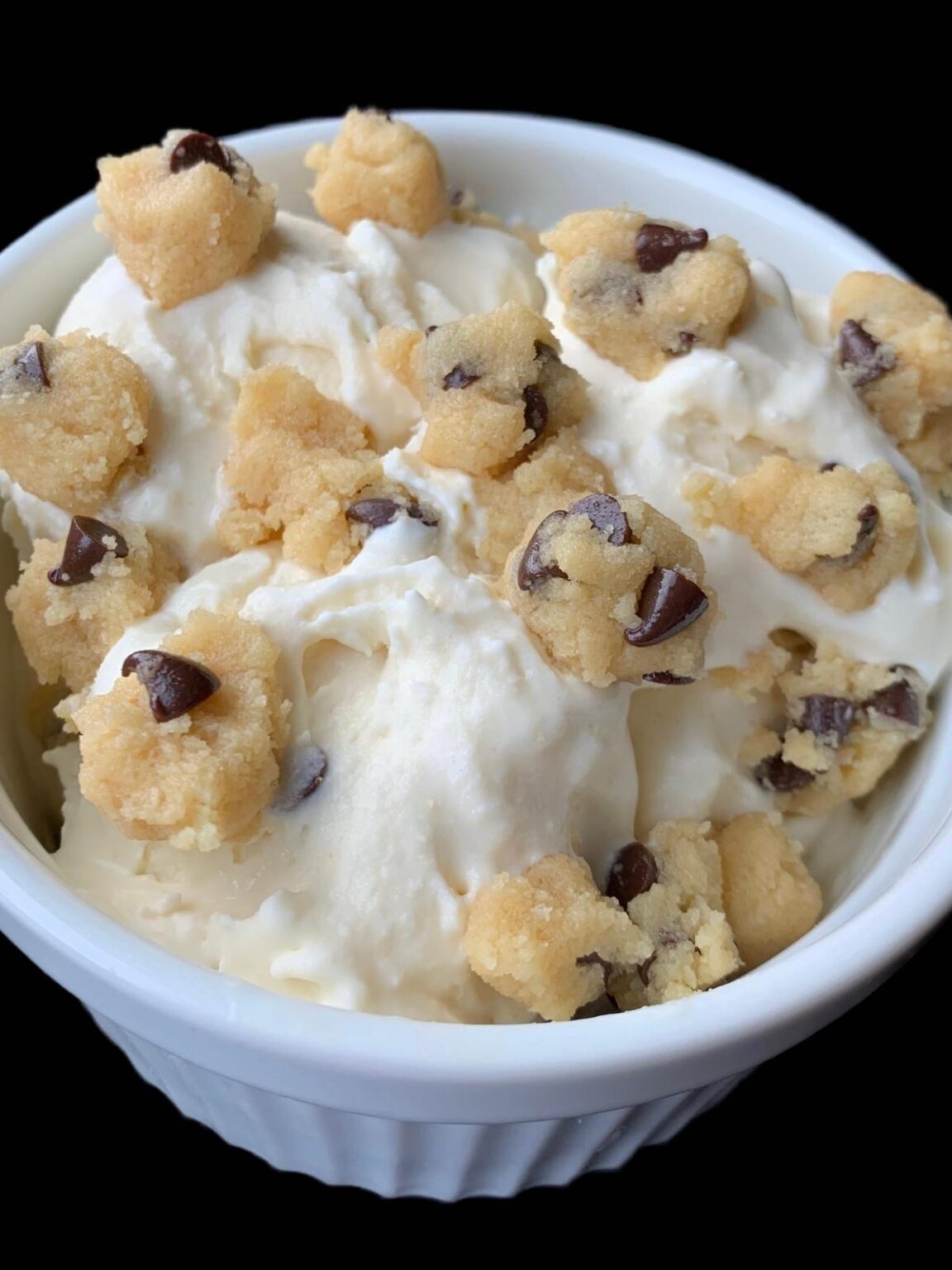
Why the Cookie Dough in Your Ice Cream Is Not Actually Raw
The cookie dough found in commercial ice cream is not raw; it is a specially formulated "edible" version. Manufacturers use heat-treated flour and pasteurized eggs—or omit eggs entirely—to eliminate pathogens like E. coli and Salmonell...
The cookie dough found in commercial ice cream is not raw; it is a specially formulated "edible" version. Manufacturers use heat-treated flour and pasteurized eggs—or omit eggs entirely—to eliminate pathogens like E. coli and Salmonella. This process ensures the dough is shelf-stable and safe for consumption without baking.
Contents
For decades, the golden rule of baking was "don’t eat the raw dough." This warning was primarily focused on the risk of Salmonella from raw eggs. However, as food science and safety regulations have evolved through 2026, the industry has addressed a less obvious but equally dangerous culprit: raw flour. When you dig into a pint of Chocolate Chip Cookie Dough ice cream, you are eating a highly engineered food product designed to mimic the texture and taste of raw dough while adhering to strict safety standards.
To understand why the cookie dough in your ice cream is safe, we must examine the specific manufacturing "kill steps" that differentiate commercial inclusions from the homemade dough sitting in your refrigerator.
The Hidden Danger: Why Flour Is a Raw Food
Many consumers mistakenly believe that eggs are the only high-risk ingredient in cookie dough. In reality, raw flour is a significant source of foodborne illness. Flour is a raw agricultural product that is grown in open fields, where it can be exposed to animal waste, birds, and contaminated soil. Unlike most processed foods, flour does not undergo a "kill step"—such as boiling, roasting, or frying—before it reaches the grocery store shelf.
When the grain is harvested and milled into flour, any bacteria present on the grain, such as Escherichia coli (E. coli), remains in the final powder. These bacteria are only destroyed when the consumer cooks or bakes the final product. Because ice cream is a frozen, uncooked product, using standard flour in cookie dough inclusions would pose a severe public health risk.
The Science of Heat-Treated Flour
To solve the flour problem, commercial ice cream manufacturers use heat-treated flour. As of 2026, the thermal processing of flour has become a standard operation for all major confectionery suppliers. The process involves heating the flour to a specific temperature (typically around 160°F or 71°C) for a duration sufficient to achieve a "log reduction" in pathogens.
This treatment must be precisely controlled. If the flour is heated too much, the proteins and starches degrade, which affects the texture and flavor. In traditional baking, you want the gluten to remain functional so the bread or cookies rise. However, since cookie dough in ice cream will never be baked, manufacturers can prioritize safety over leavening capability. The result is a flour that is microbiologically "clean" but still provides that signature gritty, dense mouthfeel consumers expect.
Managing the Egg Factor: Pasteurization and Substitutions
The second major hurdle in making cookie dough safe is the egg. Raw eggs are a well-known vector for Salmonella. To mitigate this, commercial producers employ two primary strategies:
- Pasteurization: If eggs are used, they are liquid pasteurized. This involves heating the eggs to a temperature high enough to kill bacteria but low enough that the egg remains liquid and does not scramble.
- Elimination: Most high-volume ice cream brands, including industry leaders like Ben & Jerry’s, have moved away from using eggs in their cookie dough chunks entirely. By replacing eggs with fats (like palm oil or butter) and binders (like cornstarch or heat-treated flour), they can replicate the binding properties of eggs without the biological risk.
By 2026, the move toward egg-free formulations has also allowed many brands to label their cookie dough inclusions as vegan-friendly or allergen-reduced, depending on the other ingredients used in the ice cream base.
Commercial Manufacturing vs. Home Kitchens
The cookie dough you make at home and the "inclusions" used by ice cream companies are fundamentally different products. The manufacturing of ice cream inclusions is a specialized branch of food science focused on water activity (Aw) and freeze-thaw stability.
In a pint of ice cream, the cookie dough must remain soft and chewy even at temperatures as low as -10°F (-23°C). If you were to put homemade cookie dough in the freezer, it would become rock-hard and difficult to eat. Commercial manufacturers use high ratios of sugar and specialized fats to lower the freezing point of the dough chunks, ensuring they remain "spoonable" alongside the frozen cream.
Comparison of Dough Types
The following table illustrates the key differences between various forms of cookie dough available to consumers in 2026.
| Feature | Homemade Cookie Dough | Commercial Ice Cream Dough | Edible "Snacking" Dough |
|---|---|---|---|
| Flour Status | Raw (Unsafe) | Heat-Treated (Safe) | Heat-Treated (Safe) |
| Egg Status | Raw (Unsafe) | Pasteurized or Omitted | Usually Omitted |
| Texture in Freezer | Rock Hard | Soft and Chewy | Variable |
| Intended Use | Must be Baked | Ready-to-Eat | Ready-to-Eat |
| Pathogen Risk | High (E. coli, Salmonella) | Negligible | Negligible |
| Leavening Agents | Baking Soda/Powder | Usually Omitted | Omitted |
Structural Differences: Why It Stays Soft
The reason the dough in your ice cream doesn't feel "cooked" is that it hasn't been. While the flour is heat-treated, the dough itself is never baked into a cookie. This preserves the moisture content and the raw-dough flavor profile.
To maintain this texture, manufacturers use humectants like glycerin or specific types of sugar syrups (like invert sugar). These ingredients hold onto water molecules, preventing them from forming ice crystals. This is why the dough feels slightly "greasy" or more pliable than a cookie you might bake in your oven. It is an engineered suspension of sugar, fat, and treated flour designed specifically for a sub-zero environment.
Food Safety Regulations and 2026 Standards
The safety of these products is overseen by regulatory bodies such as the Food and Drug Administration (FDA) in the United States and the European Food Safety Authority (EFSA). Over the last decade, there has been a tightening of regulations regarding "Ready-to-Eat" (RTE) components in frozen desserts.
In 2026, manufacturers are required to maintain rigorous documentation of their "kill steps." Any facility producing cookie dough for ice cream must prove that their heat-treatment process for flour is validated to eliminate E. coli O157:H7 and other STEC (Shiga toxin-producing E. coli) strains. This shift was largely driven by several high-profile recalls in the 2010s and early 2020s that highlighted how easily raw flour could contaminate a production line.
How to Identify Safe Dough at Home
While the dough in your ice cream is safe, you should still exercise caution with other products. Not all "cookie dough" is created equal.
- Check the Label: Look for the words "Ready to Eat" or "Edible." If the package provides baking instructions and warns against eating raw dough, do not ignore it.
- Avoid the "Tube": Standard refrigerated cookie dough tubes found in the dairy aisle are generally intended for baking. Unless they specifically state they are safe to eat raw, they likely contain untreated flour and unpasteurized egg products.
- The Freezer Test: If a dough is intended for ice cream or snacking, it will usually remain somewhat soft when cold. If it is hard as a brick, it is likely traditional dough meant for the oven.
Can You Make Safe "Raw" Dough at Home?
If you want to replicate the safety of ice cream cookie dough at home, you must treat your ingredients. You can heat-treat your own flour by spreading it on a baking sheet and heating it in an oven at 350°F (175°C) until it reaches an internal temperature of 160°F. However, be aware that this can change the flour's smell and texture. For eggs, always use carton-pasteurized eggs or replace them with a few tablespoons of milk or water to achieve the desired consistency.
Most experts recommend purchasing commercially prepared "edible" dough if you have a craving, as industrial heat-treatment is far more consistent than home methods at ensuring every grain of flour has reached the necessary safety threshold.
Frequently Asked Questions
Is it ever safe to eat the raw cookie dough I make at home?
No, it is not recommended. Even if you use pasteurized eggs or an egg-substitute, the raw flour remains a significant risk for E. coli. Because home ovens and microwaves do not always heat flour evenly, it is difficult to guarantee the safety of homemade "raw" dough unless you follow specific, validated heat-treating protocols.
Why does the cookie dough in ice cream taste different than homemade?
The difference in taste and texture comes from the absence of leavening agents (like baking soda) and the presence of specialized fats and humectants. Manufacturers also use specific "cookie dough" flavorings—often a blend of brown sugar, butter, and vanilla notes—to ensure the flavor isn't lost when the product is frozen.
Does freezing kill the bacteria in raw cookie dough?
No. Freezing does not kill bacteria like E. coli or Salmonella; it merely puts them into a dormant state. Once the dough is consumed and reaches body temperature, the bacteria can become active again and cause illness. This is why the heat-treatment "kill step" before freezing is so critical.
Are "edible cookie dough" shops using the same ingredients?
Yes. Shops that specialize in scoops of edible cookie dough use the same food-science principles as ice cream manufacturers. They use heat-treated flour and either pasteurized eggs or no eggs at all to ensure the product is safe for raw consumption.
Can I bake the cookie dough chunks found in ice cream?
Generally, no. Because these chunks are formulated to stay soft in the freezer, they often lack the leavening agents and protein structure required to rise and set in an oven. If you try to bake them, they will likely melt into a sugary puddle rather than forming a cohesive cookie.
Practical Recommendation
When purchasing ice cream or "edible" cookie dough products in 2026, always verify that the manufacturer explicitly labels the product as Ready-to-Eat. For the safest experience, stick to reputable commercial brands that have the infrastructure to validate their thermal processing. If you are making dough at home with the intent of eating it raw, prioritize heat-treating your flour to at least 160°F before mixing, and always opt for egg-free recipes to eliminate the risk of Salmonella.
Image Gallery