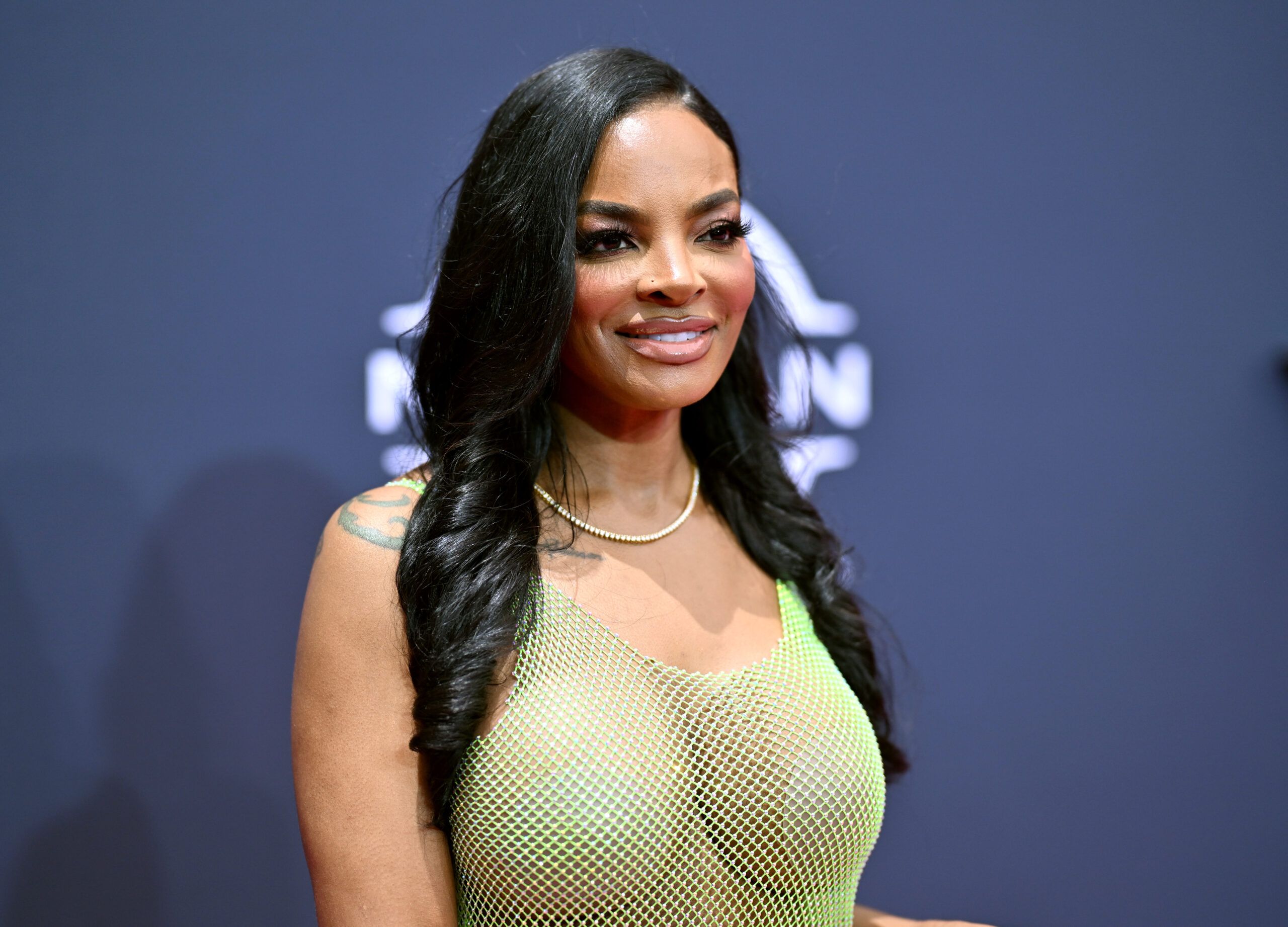
The Real Net Worth of Brooke Valentine in Hip Hop
Brooke Valentine’s net worth in the hip hop and R&B landscape is frequently misreported across online celebrity finance sites, which often inflate figures based on early career peaks rather than tangible assets, catalog royalties, and...
Brooke Valentine’s net worth in the hip hop and R&B landscape is frequently misreported across online celebrity finance sites, which often inflate figures based on early career peaks rather than tangible assets, catalog royalties, and subsequent business ventures. Realistic financial estimates place her net worth between $500,000 and $1.5 million, reflecting a sustainable career anchored by her 2005 breakout hit "Girlfight," television appearances, and independent entrepreneurial endeavors.
Contents
Evaluating the financial standing of R&B artists and hip hop figures requires a detailed look past viral rumors. In the entertainment industry, public perception of wealth is often skewed by high-profile music videos, major-label record deals, and television exposure. For Brooke Valentine, navigating the shift from a major-label signee to an independent artist and reality television personality shaped an economic reality that differs significantly from generalized online estimates.
Understanding this financial trajectory involves breaking down her early recording contracts, royalty structures, television contracts, and the business realities of independent music production.
The Major-Label Era: Virgin Records and "Girlfight"
The foundation of Brooke Valentine’s public profile was established during the mid-2000s urban music boom. Signed to Virgin Records, she released her debut studio album, Chain Letter, in 2005. The lead single, "Girlfight," featuring Big Boi and Lil Jon, became a commercial success, charting on the Billboard Hot 100 and receiving heavy rotation on MTV and BET.
While commercial success on a major label creates high-visibility milestones, it rarely translates directly into massive immediate wealth for developing artists. Standard major-label contracts operate under recoupable advance systems. Under these agreements, the record label finances recording costs, music video production, marketing, and styling, but all of these expenses are charged directly against the artist's future royalties.
- Major-Label Advance
- Production, Marketing, & Styling Costs Funded
- Artist Royalties Held Until Advance is Fully Recoupable
- Net Earnings Distributed Only After All Costs Are Cleared
Consequently, even when a single achieves heavy radio play and moderate chart positions, the artist may see limited upfront profit until the initial recording budget is fully paid off through record sales and licensing. For Brooke Valentine, Chain Letter introduced her name globally, but the net financial return from that initial major-label push was subject to the standard industry deductions and recoupment clauses typical of the era.
Independent Transition and Subsequent Releases
Following her departure from Virgin Records, Brooke Valentine transitioned into an independent artist model. This strategic shift fundamentally altered her revenue streams and overhead costs. Independent artists typically retain a much higher percentage of streaming revenue, merchandise sales, and performance fees compared to those signed to major conglomerates, but they also assume all financial responsibility for production and marketing.
During the late 2000s and 2010s, she released independent projects, including EPs and promotional singles such as "Dancin' on Air" and "Forever." While independent distribution eliminates the middlemen of major-label recoupment, the scale of revenue is generally smaller unless the artist secures an advantageous licensing deal or maintains a massive, highly active touring schedule.
Revenue during this phase came primarily from:
- Digital distribution royalties via platforms like Apple Music and Spotify.
- Independent sync licensing deals for television and film placements.
- Live performance bookings in clubs and regional concert venues.
- Feature collaborations with other hip hop and R&B artists.
Television Exposure: Love & Hip Hop: Hollywood
A significant catalyst for public interest in Brooke Valentine’s net worth was her casting in VH1’s reality television franchise, Love & Hip Hop: Hollywood. Joining the show in supporting and main cast capacities brought her back into mainstream pop culture focus and introduced a reliable, recurring stream of income.
Reality television compensation varies widely based on seniority, negotiations, and whether the cast member is a primary focus of the season's storylines. While established reality stars on major networks can command substantial per-episode fees, these earnings are short-term and tied directly to the show's production schedule and broadcasting lifespan. Furthermore, participants must account for personal expenses, management commissions, and taxes out of these earnings.
Beyond the direct salary from the network, television exposure functions as an invaluable marketing vehicle. For an R&B artist, appearing on a high-visibility platform provides an immediate boost to streaming numbers, enhances booking fees for personal appearances, and creates opportunities for brand partnerships and entrepreneurial ventures.
| Career Phase | Primary Revenue Source | Financial Characteristics |
|---|---|---|
| Major-Label Breakthrough (2005) | Virgin Records, Chain Letter, "Girlfight" | High visibility, subject to label recoupment and standard industry deductions. |
| Independent Era (2006–2016) | EPs, digital streaming, spot touring | Higher percentage per stream/sale, but lower overall distribution scale. |
| Television & Media (2017–Present) | Love & Hip Hop: Hollywood, appearances | Reliable short-term episodic income and enhanced personal branding. |
Evaluating Digital Net Worth Claims vs. Reality
Internet celebrity net worth aggregators frequently publish figures ranging from $3 million to $5 million for artists of Brooke Valentine's vintage. These estimates are almost universally speculative, generated by algorithms that multiply estimated past album sales by arbitrary unit prices without factoring in the realities of 360 deals, management fees, taxes, production overhead, and personal living expenses over two decades.
A realistic financial assessment looks at liquid assets, real estate holdings, active publishing and master recording royalties, and ongoing business revenue. For artists who emerged during the physical-to-digital transition period of the music industry, catalog monetization is modest unless they own their master recordings or hold lucrative publishing shares.
While Brooke Valentine secured a lasting place in 2000s R&B history and maintained a functional career through television and independent music, her asset portfolio does not align with the multi-million-dollar figures commonly circulated by unverified online biography sites.
Practical Financial Lessons from R&B and Hip Hop Careers
The financial trajectory of artists like Brooke Valentine offers clear insight into the economics of the urban music industry. Aspiring musicians, entertainment managers, and financial analysts often study these career arcs to understand the importance of publishing ownership, diversification, and income stability.
Key economic takeaways include:
- Publishing vs. Performance: Long-term wealth in music is predominantly driven by songwriting and publishing ownership rather than short-term recording advances or one-off single sales.
- The Reality TV Pivot: Transitioning into television can stabilize cash flow during gaps in an artist's recording schedule, but it requires careful brand management to translate screen time into sustainable business equity.
- Independent Sustainability: While major labels offer expansive distribution networks, owning masters and operating independently allows artists to retain control over their financial margins, even at a smaller volume.
Image Gallery