Hair Transplant in Gujarat: Procedures, Costs, and Expert Guidance
A hair transplant in Gujarat offers a viable, permanent solution for pattern baldness and thinning hair through advanced medical techniques like FUE and FUT. Available across major hubs like Ahmedabad, Surat, and Vadodara, these proced...
A hair transplant in Gujarat offers a viable, permanent solution for pattern baldness and thinning hair through advanced medical techniques like FUE and FUT. Available across major hubs like Ahmedabad, Surat, and Vadodara, these procedures harvest resistant hair follicles from a donor area and relocate them to balding zones, providing natural-looking and long-lasting results.
Contents
Understanding Hair Loss and the Transplant Landscape in Gujarat
Gujarat has emerged as a prominent medical tourism and healthcare destination in western India. Major urban centers like Ahmedabad, Surat, Rajkot, and Vadodara host numerous specialized dermatology and plastic surgery clinics equipped with modern technology.
Hair restoration is no longer viewed merely as a cosmetic luxury; it is a clinical procedure requiring precise surgical skill, aesthetic judgment, and strict adherence to safety protocols. Before committing to a procedure, prospective patients must understand the biological mechanisms of hair loss, evaluate different surgical modalities, and differentiate between qualified medical practitioners and commercial operations that cut corners on safety.
Core Medical Techniques: FUE vs. FUT
Modern hair transplantation relies on two primary techniques for harvesting and implanting hair follicles. Choosing the right method depends on your scalp condition, donor hair density, and lifestyle preferences.
Follicular Unit Extraction (FUE)
FUE involves extracting individual follicular units directly from the donor area (usually the back and sides of the scalp) using specialized micro-punches ranging from 0.7mm to 1.0mm in diameter.
- Advantages: Leaves no linear scar, offers a shorter recovery time, and causes less post-operative discomfort. It is ideal for individuals who prefer shorter hairstyles.
- Limitations: Requires shaving the entire donor area, takes longer to perform for large sessions, and depends heavily on the surgeon's precision to minimize follicular transection rates.
Follicular Unit Transplantation (FUT)
FUT, commonly known as the strip method, involves surgically removing a thin strip of scalp tissue from the donor zone. The strip is then dissected under a microscope into individual grafts containing one to four hairs.
- Advantages: Allows for the harvest of a high volume of grafts in a single session and preserves the density of the remaining donor area.
- Limitations: Leaves a fine linear scar that may be visible if hair is worn extremely short. Recovery time is slightly longer compared to FUE.
The Procedure: What to Expect Step-by-Step
A successful hair transplant requires meticulous planning and execution across multiple stages. Knowing what happens before, during, and after surgery helps manage expectations and ensures optimal graft survival.
- Initial Consultation and Planning: The surgeon evaluates your hair loss pattern using the Norwood scale, checks donor density, and discusses realistic expectations. Medical history is reviewed to rule out contraindications.
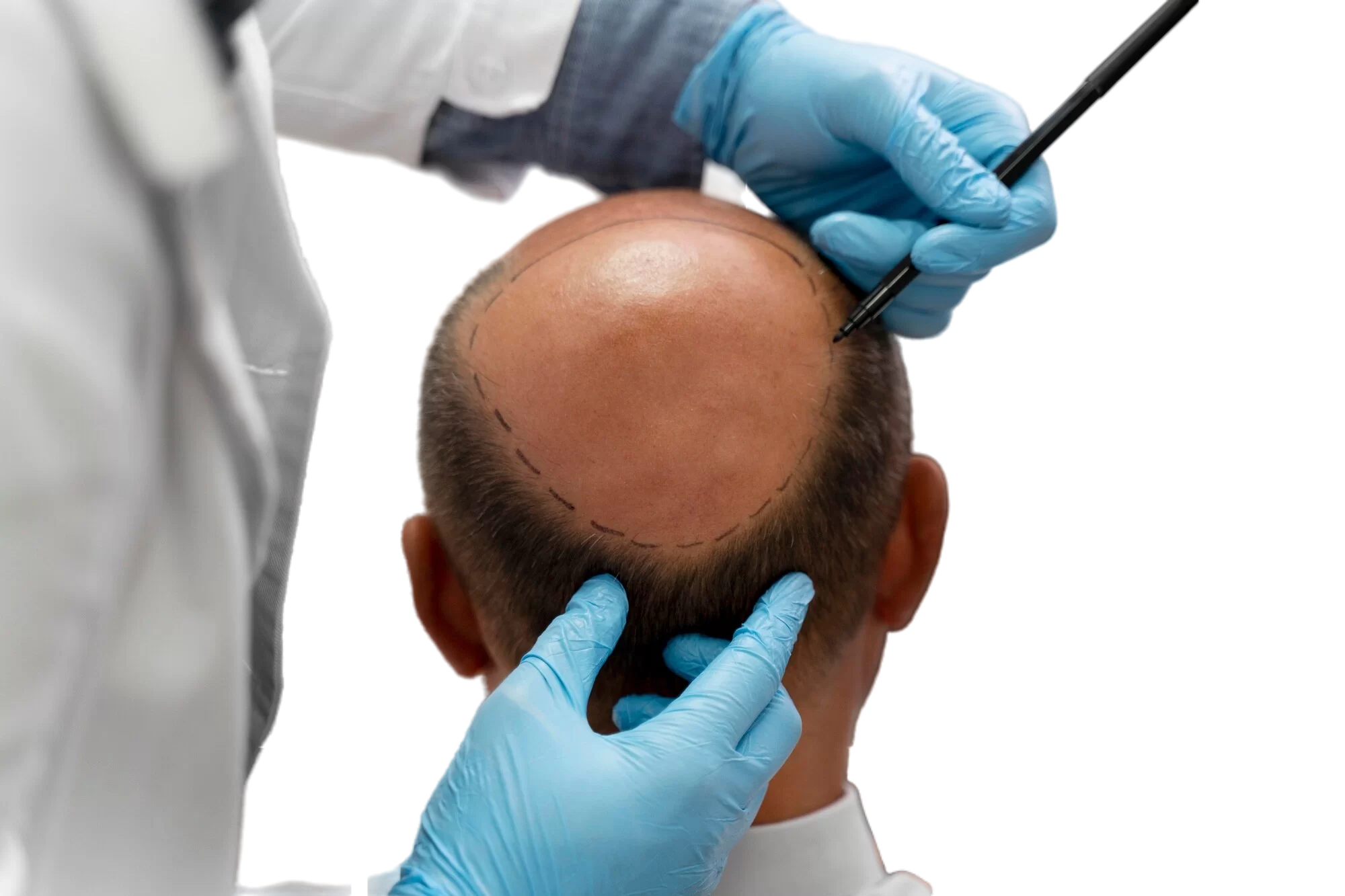
- Design and Mapping: The hairline is drawn based on facial symmetry, age, and future hair loss progression. Graft counts are calculated to match the recipient area.
- Anesthesia and Extraction: Local anesthesia is administered to numb both the donor and recipient areas. Grafts are carefully extracted using either FUE or FUT methods and stored in a specialized preservation solution.
- Recipient Site Creation: The surgeon makes microscopic incisions in the balding area, determining the angle, depth, and direction of future hair growth to ensure a natural look.
- Implantation: Extracted grafts are manually placed into the recipient sites by trained technicians or the surgeon.
- Post-Operative Care: Bandages are applied if necessary, and patients receive detailed instructions on medication, washing, and sleeping positions to protect the newly planted grafts.
Cost Breakdown of Hair Transplants in Gujarat
Pricing for a hair transplant in Gujarat varies depending on the technique used, the reputation of the clinic, the expertise of the surgeon, and the total number of grafts required.
| Cost Factor | Average Range (INR) | Details |
|---|---|---|
| Per Graft Cost (FUE) | ₹25 to ₹70 per graft | Varies based on surgeon experience and technology used. |
| Per Graft Cost (FUT) | ₹20 to ₹45 per graft | Generally more affordable due to faster extraction times. |
| Session Cost (1,500–2,500 Grafts) | ₹40,000 to ₹1,50,000 | Standard package for early-to-moderate hair loss. |
| Advanced Sessions (3,000+ Grafts) | ₹1,00,000 to ₹2,50,000+ | Required for extensive baldness, often split across two days. |
Note: Be cautious of clinics offering heavily discounted, flat-rate pricing without a graft count, as these often employ untrained technicians rather than board-certified plastic surgeons or dermatologists.
Evaluating Clinics and Choosing the Right Surgeon
The quality of your results depends almost entirely on the hands performing the surgery. Because the hair restoration industry features many non-specialized commercial chains, you must verify credentials carefully.
- Board Certification: Ensure the lead surgeon holds an M.Ch in Plastic Surgery or an MD in Dermatology from a recognized institution.
- Direct Surgical Involvement: Confirm that qualified doctors perform critical steps like hairline design, slit creation, and graft extraction, rather than delegating the entire procedure to unsupervised technicians.
- Transparency and Hygiene: Look for clinics operating out of properly equipped surgical centers with strict sterilization protocols to minimize infection risks.
- Realistic Portfolios: Review verifiable before-and-after cases of patients with similar hair loss patterns and hair characteristics.
Recovery Timeline and Post-Operative Care
Healing occurs in distinct phases over the course of a year. Understanding this timeline helps patients navigate the temporary shedding phase without panic.
- Days 1 to 14: Scabs form around the transplanted grafts and gradually fall off. Mild swelling and redness are common during the first week.
- Weeks 2 to 8: The transplanted hairs enter a resting phase and shed. This is a normal part of the cycle known as "shock loss," leaving the roots safely embedded beneath the scalp.
- Months 3 to 6: New hair growth begins to emerge. Initially, the hair may appear fine and wispy, but texture and thickness improve over time.
- Months 9 to 12: The final results become apparent. By this stage, the hair can be cut, styled, and treated just like natural hair.
Frequently Asked Questions
Are hair transplants permanent?
Yes, hair transplants are permanent. The hair follicles harvested for transplantation are genetically resistant to the hormone DHT (dihydrotestosterone), which causes male pattern baldness. Once relocated, they retain this resistance and continue to grow for a lifetime.
Does a hair transplant procedure hurt?
The procedure is performed under local anesthesia, meaning the scalp is completely numb during extraction and implantation. Patients may feel mild discomfort or tightness during the administration of anesthesia and minor soreness for a few days post-surgery, which is managed with prescribed medications.
Can women undergo hair transplants in Gujarat?
Yes, women experiencing female pattern hair loss, traction alopecia, or hairline recession are viable candidates for hair transplants. A thorough evaluation by a dermatologist is essential to rule out underlying hormonal or nutritional causes of hair thinning before surgery.
What happens if I continue to lose hair after the procedure?
Surgeons often prescribe medical therapies like minoxidil or finasteride to stabilize ongoing hair loss in non-transplanted areas. A comprehensive long-term treatment plan helps maintain overall hair density as you age.
How many grafts will I need?
The number of grafts required depends on the extent of your baldness, the size of the recipient area, and the density of your donor supply. A mild receding hairline might require 1,000 to 1,500 grafts, whereas advanced crown and frontal balding often requires 3,000 to 4,000+ grafts.
Next Steps and Professional Guidance
If you are considering a hair transplant, schedule formal consultations with at least two or three qualified dermatologists or plastic surgeons in Gujarat. Prepare a list of questions regarding your specific graft requirements, expected survival rate, and total investment. Prioritize medical safety, surgical expertise, and realistic expectations over marketing claims to achieve a permanent and natural restoration.
Image Gallery