How to Find the Cheapest Full Coverage Car Insurance for Young Drivers
Finding the cheapest full coverage car insurance for young drivers requires comparing quotes across multiple national and regional insurers, staying on a parent's policy whenever possible, and utilizing targeted discounts like good stu...
Finding the cheapest full coverage car insurance for young drivers requires comparing quotes across multiple national and regional insurers, staying on a parent's policy whenever possible, and utilizing targeted discounts like good student and telematics programs. Opting for a higher deductible and choosing a vehicle with high safety ratings also drastically reduces annual policy costs.
Contents
Understanding Full Coverage Insurance for Young Drivers
Auto insurance rates for drivers aged 16 to 25 are among the highest in the vehicle insurance industry. Insurance underwriters categorize young drivers as high-risk clients because statistical data from the National Highway Traffic Safety Administration demonstrates that inexperienced drivers are involved in significantly more crashes per mile driven than older age groups. As a result, securing full coverage insurance—which offers protection beyond basic legal minimums—can represent a substantial annual expense.
"Full coverage" is not a single legal policy type, but rather a combination of core insurance coverages designed to protect both your liability and your financial investment in a vehicle:
- Bodily Injury and Property Damage Liability: Pays for medical bills, lost wages, and property damage caused to third parties in an at-fault accident.
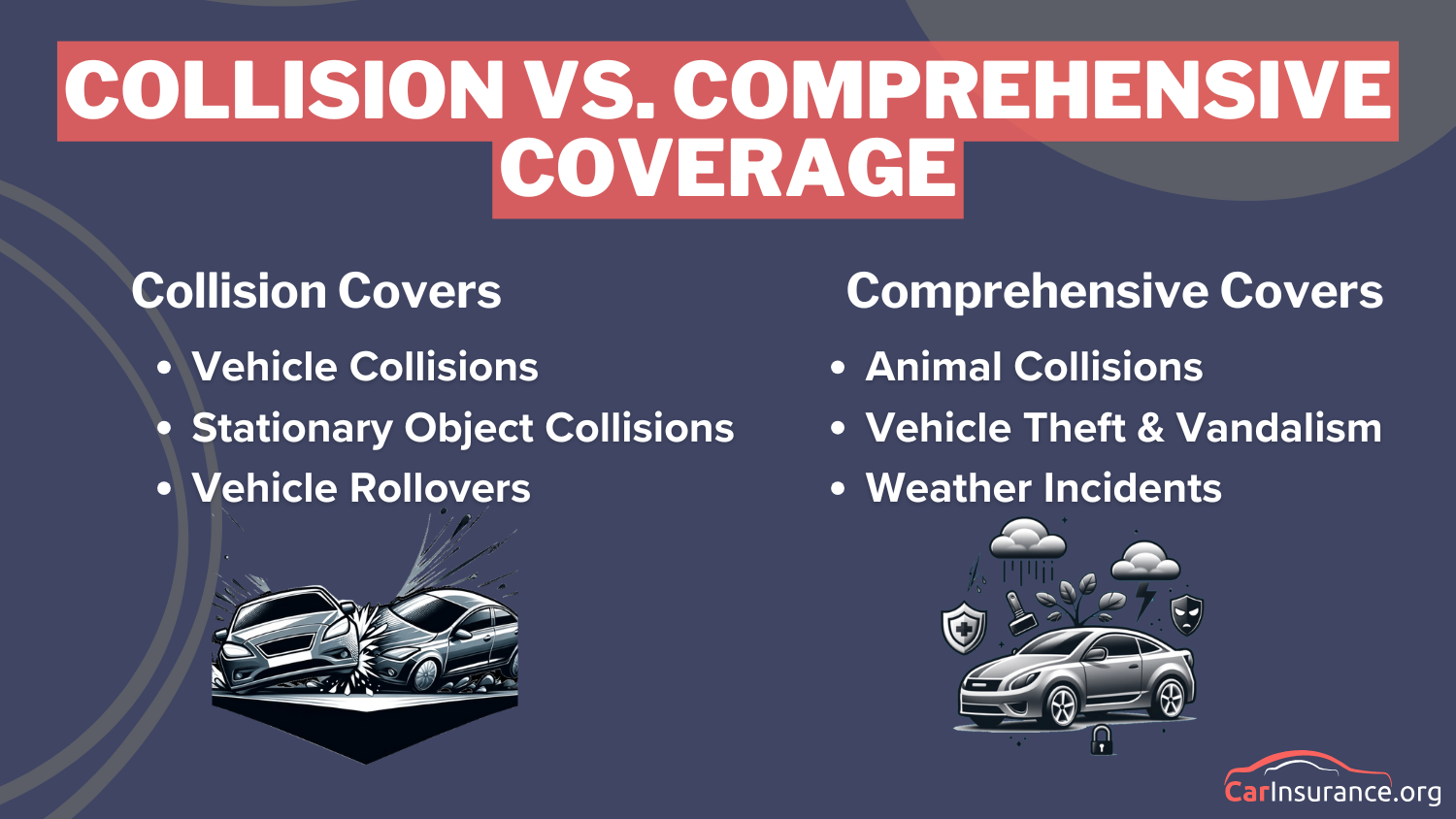
- Collision Coverage: Pays to repair or replace your vehicle if it collides with another car, a tree, a guardrail, or experiences a rollover event, regardless of fault.
- Comprehensive Coverage: Protects against non-collision incidents, including theft, vandalism, glass damage, weather events (such as hail or flooding), and strikes involving animals.
While state laws typically mandate only minimum liability coverage, lenders require full coverage (collision and comprehensive) whenever a vehicle is leased or financed. Even if a vehicle is paid in full, young drivers carrying full coverage ensure they will not face catastrophic out-of-pocket losses if their vehicle is damaged or totaled.
Key Strategies to Lower Full Coverage Rates for Young Drivers
Securing cheap full coverage insurance as a young driver requires a proactive approach. Implementing the following proven strategies can offset high baseline risk premiums.
1. Remain on a Parent or Family Policy
The single most effective way for a driver under age 25 to reduce car insurance costs is to remain listed on a parent or family policy rather than purchasing a standalone policy. Insurers offer multi-car and multi-driver discounts that drastically lower the cost per vehicle.
According to data compiled by the Insurance Information Institute, insuring a teen or young adult on a parent's existing multi-vehicle policy can save up to 50% compared to the cost of an independent policy. Drivers can remain on their parents' policy as long as they live at the same physical address or are away at college full-time.
2. Enroll in Telematics and Usage-Based Programs
Usage-based insurance (UBI) programs track driving habits using smartphone apps or plug-in OBD-II devices. These telematics systems evaluate metrics such as hard braking, rapid acceleration, nighttime driving, cornering speed, and total mileage driven.
Most major insurance carriers offer initial sign-up discounts ranging from 5% to 10% simply for enrolling in a telematics program. For safe young drivers who maintain cautious driving habits, final program discounts can reach up to 30% upon policy renewal.
3. Maximize Available Student and Driver Discounts
Young drivers should aggressively target every discount for which they qualify:
- Good Student Discount: High school and college students who maintain a "B" average (3.0 GPA) or higher generally qualify for discounts between 10% and 25%. Insurers require annual proof, such as a report card or transcript.
- Student Away at School: If a driver under 22 attends college more than 100 miles away from home and leaves the insured vehicle behind, policies can be updated to grant significant rate relief while maintaining continuous coverage during home visits.
- Defensive Driving Courses: Completing an accredited driver education or defensive driving course certified by a state licensing agency can yield ongoing premium reductions.
4. Adjust Deductibles and Vehicle Selection Strategically
Your deductible is the out-of-pocket amount you agree to pay before collision or comprehensive coverage kicks in. Raising your deductible from $500 to $1,000 can reduce the comprehensive and collision portions of your premium by 15% to 30%. However, you must ensure you have cash reserves available in emergency savings to cover the higher deductible if an accident occurs.
Additionally, the type of vehicle driven plays a pivotal role in pricing:
- Avoid: Sports cars, high-performance trim packages, and luxury SUVs. These vehicles incur higher repair costs, carry higher theft rates, and statistically correlate with riskier driving behaviors.
- Choose: Midsize sedans, compact crossovers, or minivans equipped with advanced driver assistance systems (ADAS) such as automatic emergency braking, lane-departure warnings, and blind-spot monitoring.
Comparing Options: Premium Factors & Discount Impact
The table below illustrates how different policy structures, driver profiles, and discount strategies impact overall cost profiles for young drivers seeking full coverage.
| Strategy / Option | Typical Discount or Cost Reduction | Best Suited For | Key Operational Requirement |
|---|---|---|---|
| Parent/Family Policy Alignment | 30% – 50% savings vs. individual policy | Young drivers residing at home or full-time students | Must share household address or primary student status |
| Telematics / Usage-Based Insurance | 10% – 30% based on driving score | Safe, low-mileage drivers willing to monitor driving habits | App tracking active on all drives; minimal late-night driving |
| Good Student Discount | 10% – 25% off comprehensive/collision | Full-time high school or undergraduate students | Maintenance of 3.0+ GPA with transcript verification |
| Increasing Deductibles ($500 to $1,000) | 15% – 30% reduction on physical damage coverages | Drivers with emergency cash reserves | Immediate access to $1,000 liquid capital in an accident event |
| Defensive Driving Accreditation | 5% – 10% discount | Drivers under 21 or newly licensed individuals | State-approved course completion and certification |
Step-by-Step Guide: How to Shop for the Best Rates
To secure the lowest possible rates for full coverage car insurance as a young driver, follow this systematic process:
- Step 1: Gather Information (VIN, driving record, mileage, student records)
- Step 2: Determine Coverage Limits (Liability levels + Collision/Comprehensive)
- Step 3: Solicit Comparative Quotes (Request quotes from at least 4-5 carriers)
- Step 4: Apply Stackable Discounts (Good student, telematics, defensive driving)
- Step 5: Review & Finalize (Confirm coverage active date before canceling old policy)
Step 1: Gather Essential Documentation
Before requesting insurance quotes, compile all necessary documentation to ensure accurate pricing estimates:
- Driver’s license numbers for all household drivers.
- Vehicle Identification Numbers (VIN) for all cars to be insured.
- Current odometer readings and estimated annual driving mileage.
- Academic records (GPA verification for student discounts).
- Details of any past moving violations or accidents within the last three to five years.
Step 2: Establish Your Optimal Coverage Limits
Avoid buying state-minimum liability limits paired with full coverage. State minimums (often as low as $15,000 or $25,000 for bodily injury) leave drivers vulnerable to wage garnishment and personal asset seizure if a major crash occurs. Instead, aim for standard limits:
- Bodily Injury Liability: $100,000 per person / $300,000 per accident.
- Property Damage Liability: $100,000 per accident.
- Collision and Comprehensive Deductibles: Set to $500 or $1,000 based on your cash reserve capacity.
Step 3: Compare Quotes from Multiple Insurance Carriers
Insurance providers utilize proprietary algorithms to assess driver risk, meaning premiums for the exact same coverage level can vary by thousands of dollars per year between companies. Get quotes from national carriers as well as regional insurers.
When evaluating quotes, ensure every policy quote reflects identical liability limits and deductibles so you are making a true side-by-side comparison.
Step 4: Apply Stackable Discounts
Ensure the insurance representative or online quote tool applies every eligible discount. Ask specifically about multi-policy bundles (combining auto with renters insurance), electronic billing discounts, auto-pay setup savings, and paperless statement credits.
Step 5: Finalize the Policy and Maintain Continuous Coverage
Once you choose a provider, confirm the effective date of the new policy before canceling any existing coverage. Lapses in coverage—even for a single day—can result in high-risk designation by future insurers, legal fines from state motor vehicle departments, and sharp premium increases.
Common Mistakes Young Drivers Make When Buying Insurance
- Buying Only Minimum Liability to Save Money: Omitting collision and comprehensive leaves you personally responsible for replacing your vehicle if you cause an accident, hit an object, or experience vehicle theft.
- Failing to Report All Household Drivers: Neglecting to disclose all licensed family members residing in the home can result in denied claims if an unlisted driver causes an accident in the insured vehicle.
- Ignoring Regional and Mutual Carriers: While national insurance brands dominate advertising, regional carriers often deliver lower rates and better localized customer service for young drivers.
- Dropping Coverage During Short Gaps: Canceling an auto insurance policy while between vehicles or during summer breaks creates a lapse in continuous coverage history, driving up future insurance premiums for years.
Frequently Asked Questions
What is the average age when car insurance rates drop for young drivers?
Car insurance rates typically begin to decrease at age 25, provided the driver maintains a clean driving record free of moving violations and at-fault accidents. Minor rate decreases can also occur incrementally each year between ages 18 and 24 as driving experience builds.
Can a young driver get their own insurance policy at age 18?
Yes, legally individuals can purchase an independent auto policy once they reach the legal age of majority (18 in most states). However, purchasing a standalone policy as an 18-year-old is almost always significantly more expensive than remaining on a joint parent or family policy.
Is full coverage car insurance mandatory by law?
No. State laws only mandate liability insurance (and, in some jurisdictions, personal injury protection or uninsured motorist coverage). However, if you lease or finance your vehicle, the lienholder or leasing agency will contractually require you to carry full coverage (collision and comprehensive) until the contract is paid in full.
Does taking a driver education course lower car insurance rates?
In most states, completing a state-approved driver education or defensive driving program qualifies young drivers for a premium discount, usually ranging from 5% to 10%. Check with your state's department of motor vehicles or your insurance agent for approved course providers.
How does a moving violation affect a young driver's full coverage premium?
A speeding ticket or other moving violation can increase a young driver's insurance premium by 20% to 45% or more, depending on the severity of the offense. These surcharges typically remain on an insurance rating profile for three to five years.
Action Plan: Securing Cheap Full Coverage Today
To lower your full coverage car insurance costs quickly, start by reviewing your current policy declarations page to establish your base coverage limits and deductible levels. Next, request comparative quotes from at least three competing insurance carriers, making sure to apply for telematics monitoring and academic discounts. If you live in the same household as family members, evaluate the cost difference between an individual policy and a combined family policy to unlock multi-vehicle savings.
Disclaimer: Auto insurance regulations, mandatory minimum limits, and rating structures vary by state and jurisdiction. This guide is for informational purposes only. Consult a licensed insurance professional or state insurance department for specific regulatory and policy advice.
Image Gallery