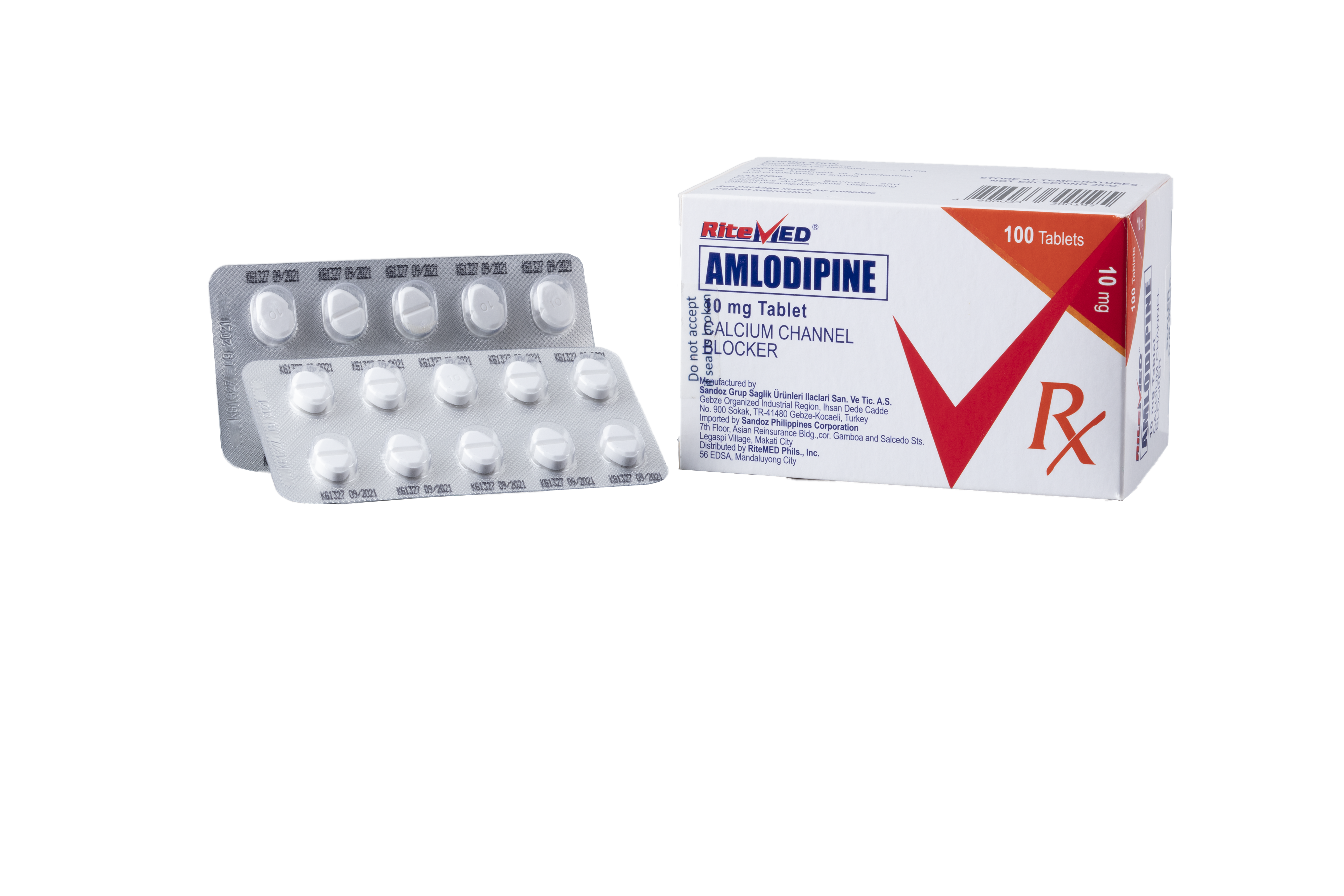
Understanding What Amlodipine Besylate Is Taken For and How It Works
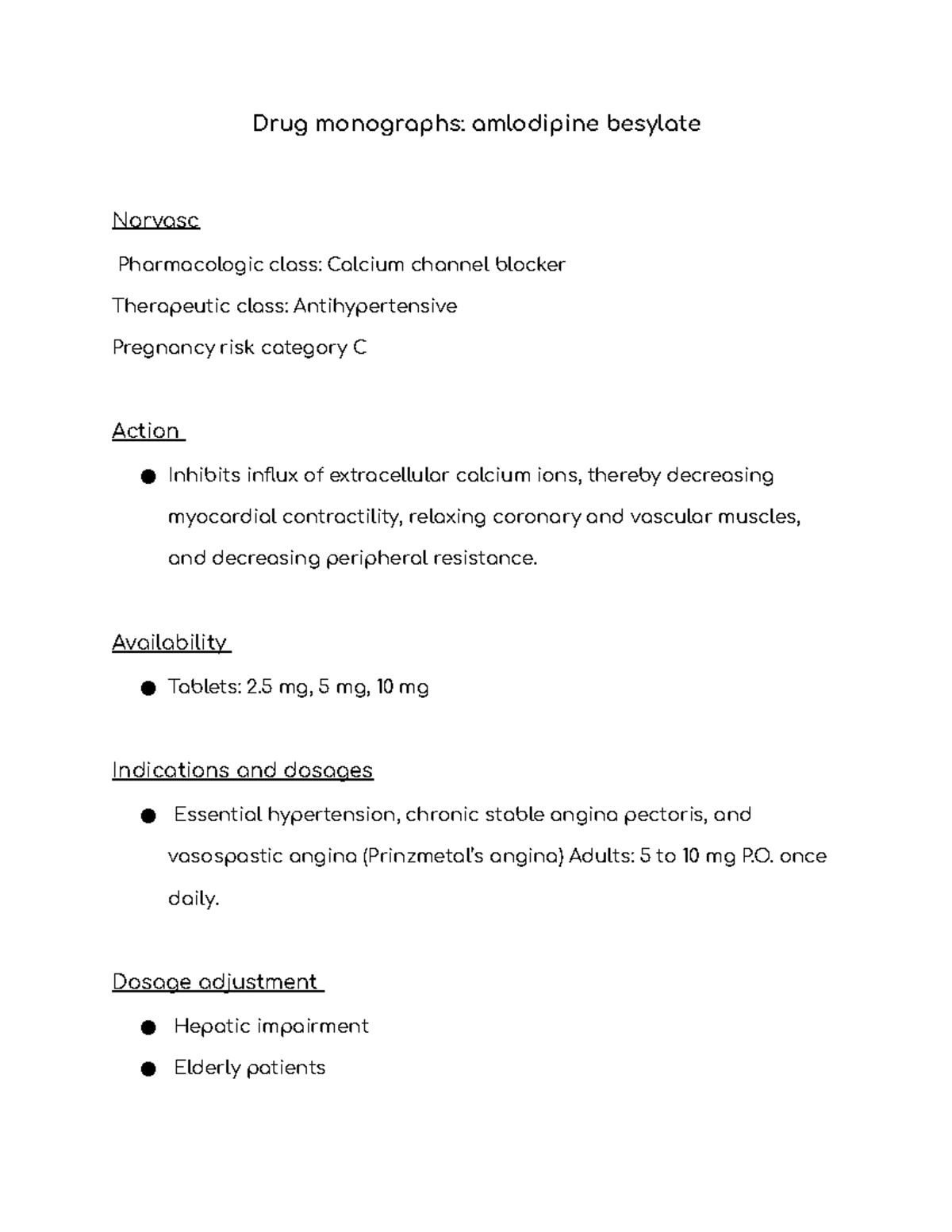
Amlodipine besylate is a calcium channel blocker primarily prescribed to treat hypertension (high blood pressure) and chronic stable angina, as well as vasospastic angina. By relaxing the smooth muscles of the blood vessels, it facilit...
Amlodipine besylate is a calcium channel blocker primarily prescribed to treat hypertension (high blood pressure) and chronic stable angina, as well as vasospastic angina. By relaxing the smooth muscles of the blood vessels, it facilitates better blood flow, reduces the workload on the heart, and lowers blood pressure to prevent cardiovascular complications.
Contents
The Therapeutic Role of Amlodipine Besylate
Amlodipine besylate belongs to a class of medications known as dihydropyridine calcium channel blockers. Its primary function is to prevent calcium from entering the muscle cells of the heart and the arterial walls. Calcium is a critical mineral that triggers muscle contraction; by inhibiting its influx, amlodipine ensures that these muscles remain relaxed.
In the context of the cardiovascular system, this relaxation process—known as vasodilation—widens the arteries. When the diameter of an artery increases, the resistance against which the heart must pump blood decreases. This reduction in systemic vascular resistance is the primary mechanism by which amlodipine lowers blood pressure. By lowering the pressure required to circulate blood throughout the body, the medication effectively manages the strain placed on the cardiovascular system, reducing the risk of strokes, heart attacks, and kidney damage associated with untreated hypertension.
Clinical Indications for Use
Medical professionals prescribe amlodipine besylate for specific cardiovascular conditions. Understanding these indications helps clarify why this medication is a cornerstone in modern cardiology.
Hypertension (High Blood Pressure)
Hypertension is often referred to as a "silent killer" because it typically presents no symptoms until damage has already occurred. Amlodipine is frequently used as a first-line treatment, either as a monotherapy or in combination with other classes of antihypertensive drugs, such as ACE inhibitors or thiazide diuretics. It is effective for a broad range of patients, including those with comorbidities like diabetes or chronic kidney disease, provided it is managed under medical supervision.
Chronic Stable Angina
Angina is chest pain that occurs when the heart muscle does not receive enough oxygen-rich blood. Chronic stable angina usually occurs during physical exertion or emotional stress when the heart's oxygen demand exceeds the supply provided by narrowed coronary arteries. Amlodipine helps by dilating these coronary arteries, increasing blood flow to the heart muscle itself, and reducing the total peripheral resistance, which lowers the oxygen demand of the heart.
Vasospastic (Prinzmetal’s) Angina
Unlike stable angina, vasospastic angina is caused by spasms in the coronary arteries rather than plaque buildup. These spasms abruptly constrict blood flow. Because amlodipine is a potent vasodilator, it is highly effective at preventing these spasms from occurring, thereby maintaining consistent blood supply to the cardiac tissues.
Comparison of Cardiovascular Medications
To understand where amlodipine fits within a treatment plan, it is helpful to compare it with other common cardiovascular agents. The following table outlines typical differences in action and application.
| Medication Class | Primary Mechanism | Common Clinical Use |
|---|---|---|
| Amlodipine (CCB) | Blocks calcium entry to relax arteries | Hypertension, Angina |
| Lisinopril (ACE Inhibitor) | Blocks enzyme that constricts blood vessels | Hypertension, Heart Failure |
| Metoprolol (Beta-Blocker) | Blocks adrenaline receptors | Hypertension, Post-Heart Attack |
| Hydrochlorothiazide | Promotes water and salt excretion | Hypertension, Edema |
Prerequisites and Administrative Requirements
Before starting amlodipine, patients must undergo a thorough medical evaluation. Because this medication affects cardiovascular dynamics, physicians typically assess the patient's baseline blood pressure, heart rate, and existing renal or hepatic function.
Amlodipine is typically taken once daily, with or without food. It is essential to maintain a consistent schedule to keep blood levels steady. Patients are generally advised to monitor their blood pressure at home and keep a log to share with their healthcare provider, as this data is crucial for adjusting dosages.
Essential Considerations for Patients
- Dosage Adjustments: Starting doses are typically low to gauge sensitivity, especially in elderly patients or those with liver impairment.
- Interaction Awareness: Patients should discuss all concurrent medications, including over-the-counter supplements and herbal products like St. John’s Wort or grapefruit products, which can interfere with the way the liver metabolizes the medication.
- Lifestyle Integration: Amlodipine is most effective when paired with a heart-healthy diet, regular physical activity, and weight management. It is not a substitute for these lifestyle interventions.
Potential Side Effects and Safety Monitoring
Like all medications, amlodipine can cause side effects. Most individuals tolerate the drug well, but clinical monitoring is necessary. The most frequently reported side effect is peripheral edema—swelling of the ankles or feet caused by the dilation of blood vessels, which allows fluid to move into the surrounding tissues.
Other common side effects include:
- Dizziness or lightheadedness upon standing (orthostatic hypotension).
- Fatigue or somnolence.
- Palpitations or flushing.
- Gastrointestinal discomfort, such as nausea or abdominal pain.
Rare but serious side effects require immediate medical attention. These include the intensification of angina pain when starting the medication or a significant drop in blood pressure. Any patient experiencing severe allergic reactions, such as swelling of the face or difficulty breathing, should seek emergency care immediately.
Troubleshooting and Managing Common Challenges
If a patient experiences side effects or a lack of effectiveness, they should never unilaterally stop taking the medication. Abrupt cessation of antihypertensive therapy can lead to rebound hypertension or an increased risk of ischemic events.
Common troubleshooting steps conducted with a physician include:
- Dose Titration: If blood pressure remains elevated, the physician may increase the dosage or add a secondary agent.
- Addressing Edema: If swelling becomes uncomfortable, physicians may adjust the dose or introduce a diuretic to help the body eliminate excess fluid.
- Scheduling Changes: For those experiencing fatigue, taking the medication in the evening rather than the morning may mitigate daytime symptoms.
Frequently Asked Questions
Is amlodipine besylate considered a blood thinner?
No. Amlodipine is not a blood thinner (anticoagulant or antiplatelet). It does not affect the clotting factors in the blood. Instead, it acts as a vasodilator, which relaxes and opens the blood vessels to improve flow and reduce pressure.
Can I drink grapefruit juice while on amlodipine?
Healthcare providers often advise against consuming large amounts of grapefruit or grapefruit juice while taking amlodipine. Grapefruit can inhibit the enzyme (CYP3A4) responsible for breaking down the medication in the body, potentially leading to higher-than-intended concentrations of the drug in your bloodstream.
How long does it take for amlodipine to start working?
While some reduction in blood pressure may occur shortly after the first dose, the full therapeutic effect of amlodipine typically takes several weeks to stabilize as the body adjusts to the consistent presence of the medication.
Is it safe to take amlodipine during pregnancy?
Amlodipine is generally avoided during pregnancy unless the potential benefit justifies the potential risk to the fetus. It is classified under categories where evidence suggests it should only be used if safer alternatives are ineffective or contraindicated. Always consult an obstetrician regarding hypertension management during pregnancy.
What should I do if I miss a dose?
If you miss a dose of amlodipine, take it as soon as you remember. However, if it is nearly time for your next scheduled dose, skip the missed dose and resume your regular schedule. Do not take a double dose to make up for a missed one.
Professional Advice Limitation
This article is for informational purposes only and does not constitute medical advice, diagnosis, or treatment. Hypertension management is complex and must be individualized based on your specific health history. Always consult with a licensed healthcare provider or pharmacist before starting, stopping, or changing the dosage of any prescribed medication. If you are experiencing a medical emergency, contact your local emergency services or healthcare provider immediately.
Image Gallery