Understanding Cervical Spinal Cord Injury: Signs and Symptoms
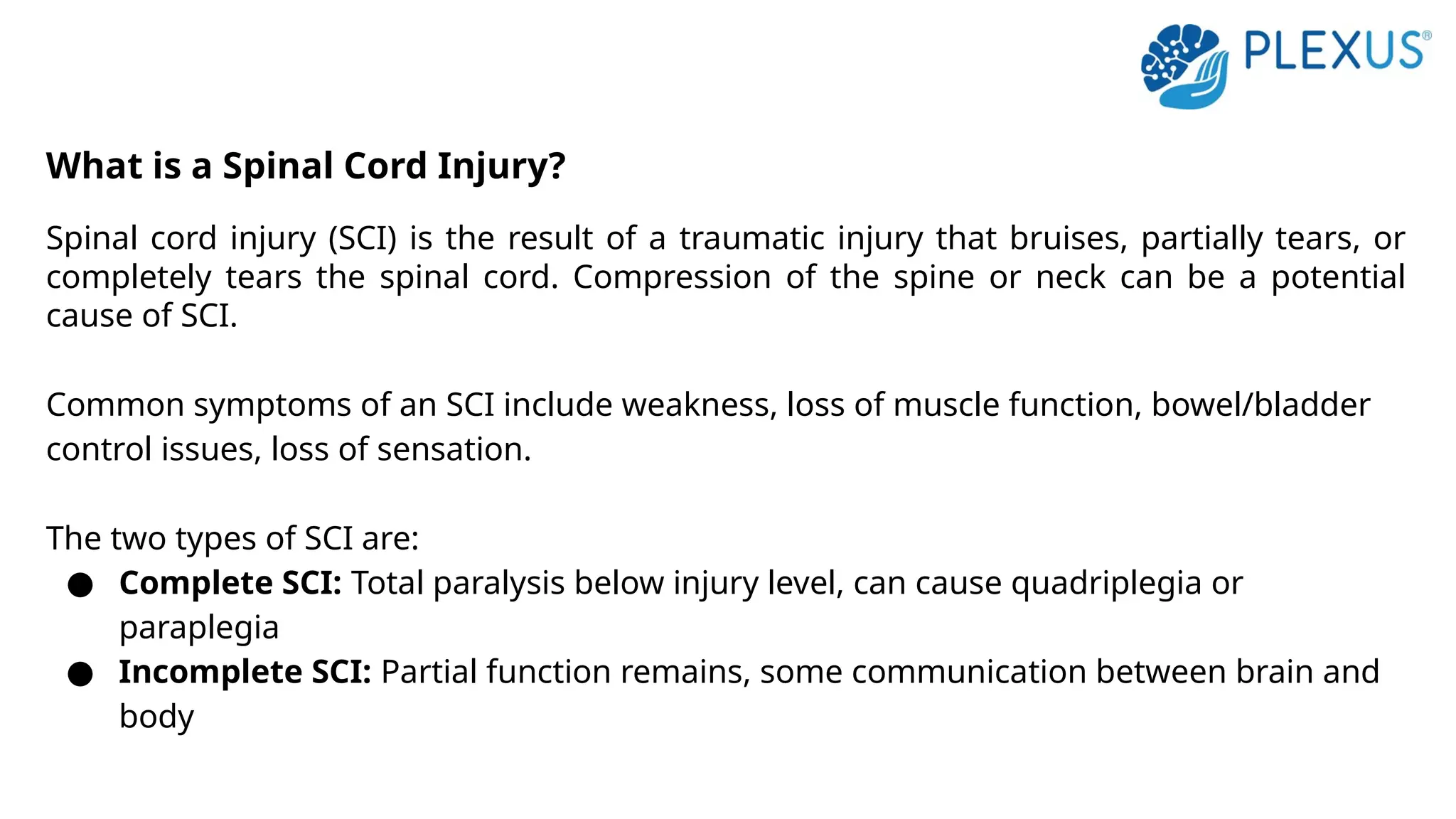
Cervical spinal cord injury (SCI) occurs when there is damage to the bundle of nerves located within the cervical spine, which includes the C1 through C8 vertebrae in the neck. Depending on the severity and specific level of the injury...
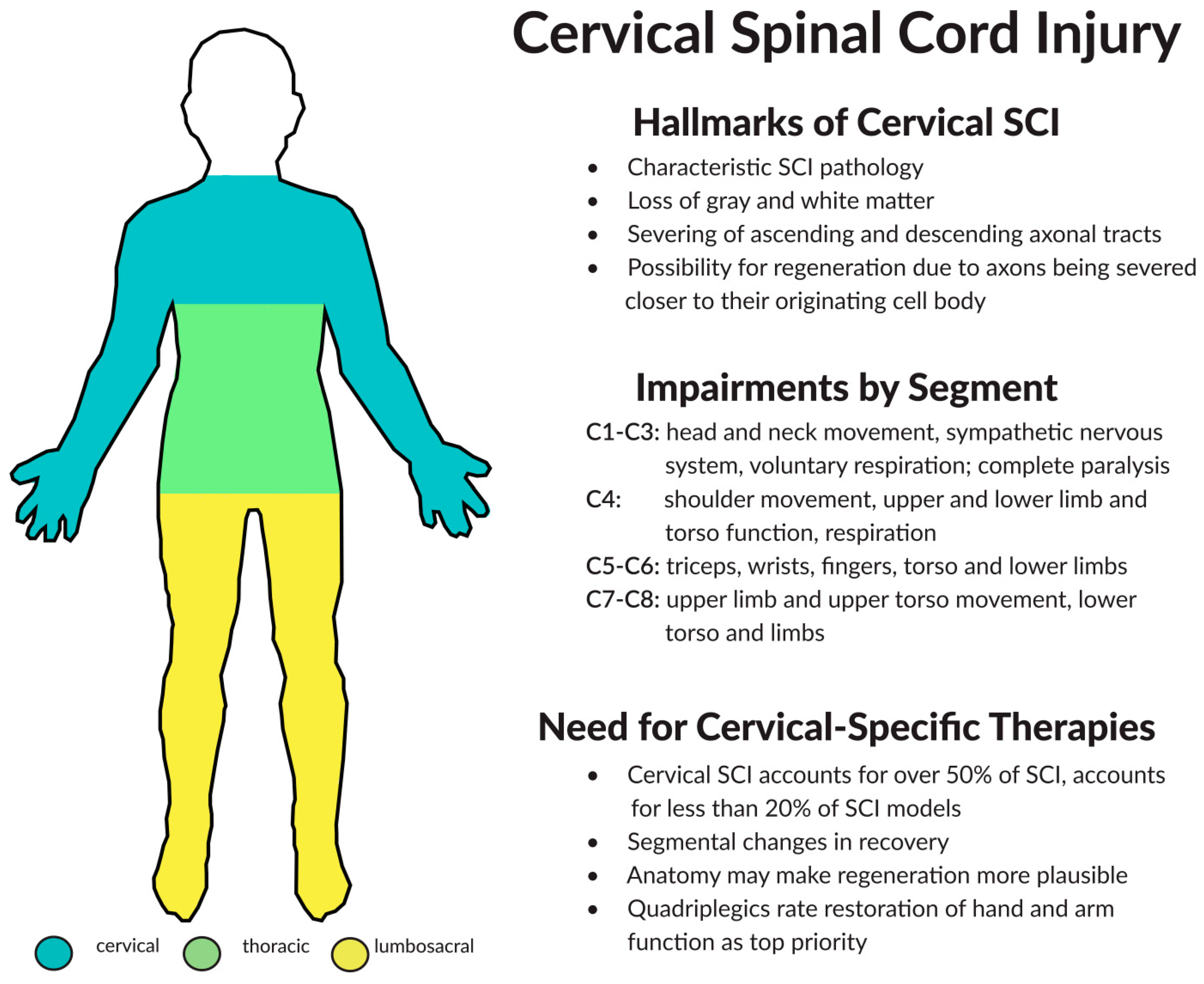
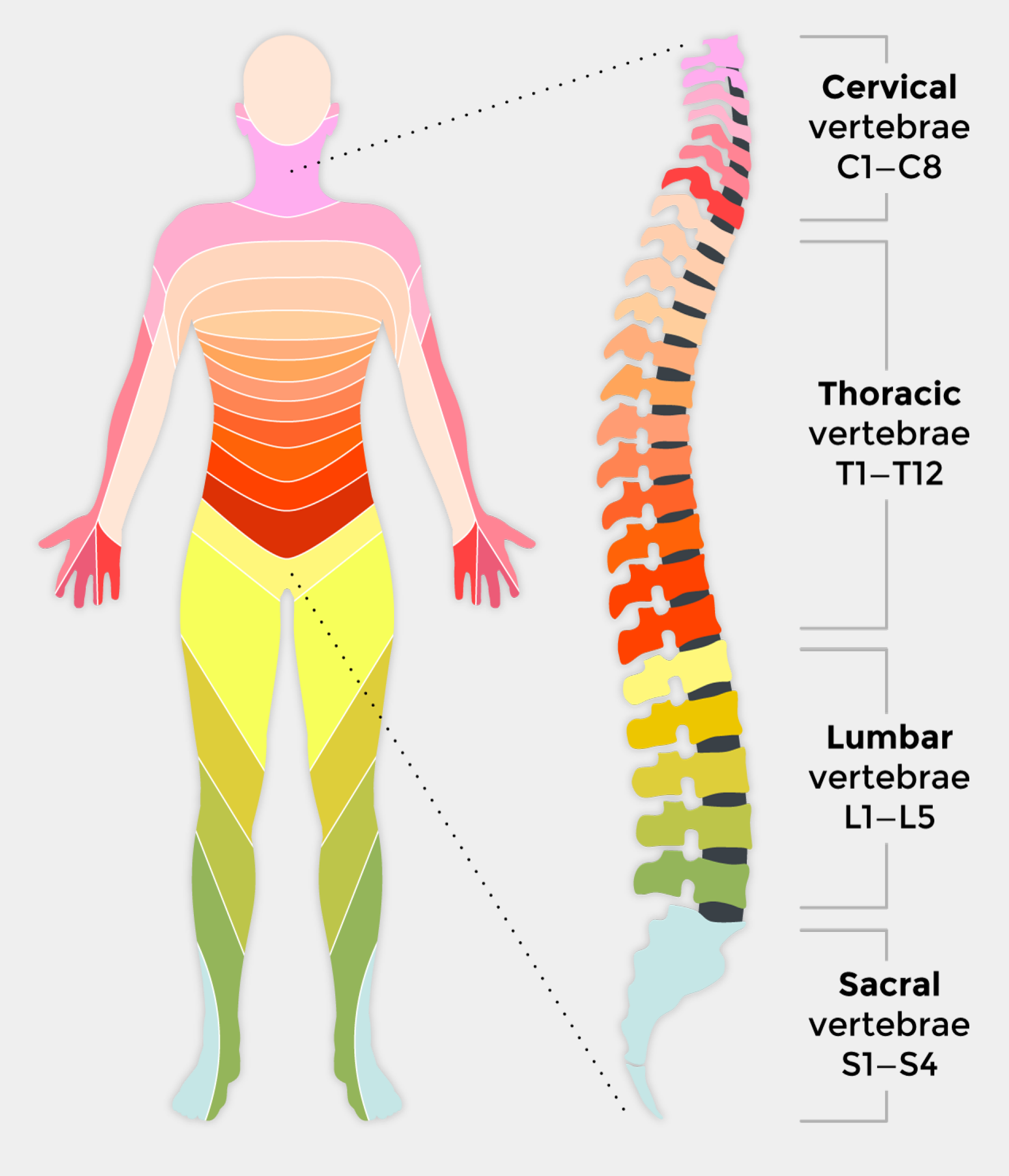
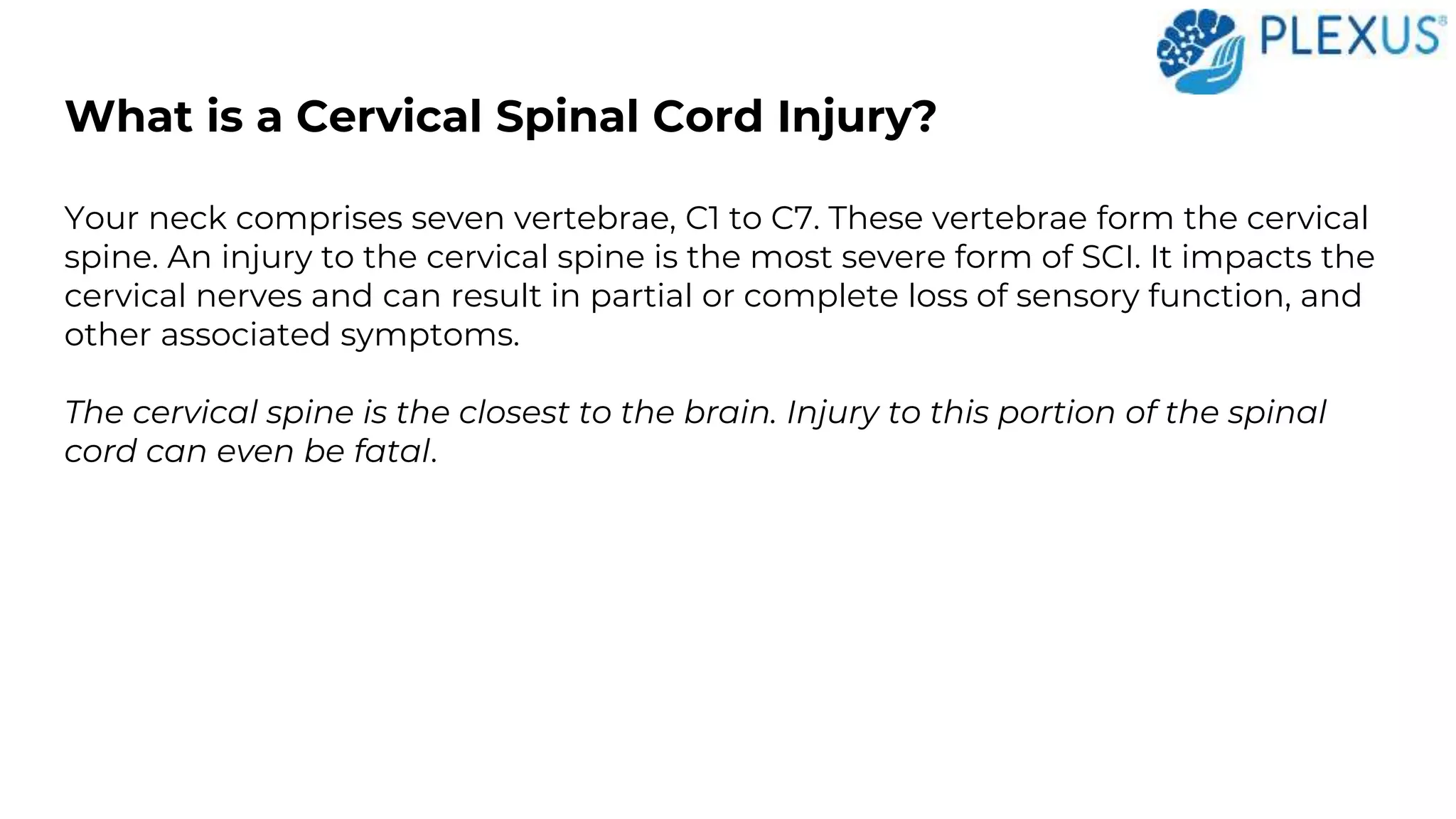
Cervical spinal cord injury (SCI) occurs when there is damage to the bundle of nerves located within the cervical spine, which includes the C1 through C8 vertebrae in the neck. Depending on the severity and specific level of the injury, symptoms typically include varying degrees of paralysis, sensory loss, respiratory impairment, and autonomic nervous system dysfunction affecting motor function from the neck downward.
Contents
The Anatomy of Cervical Injury
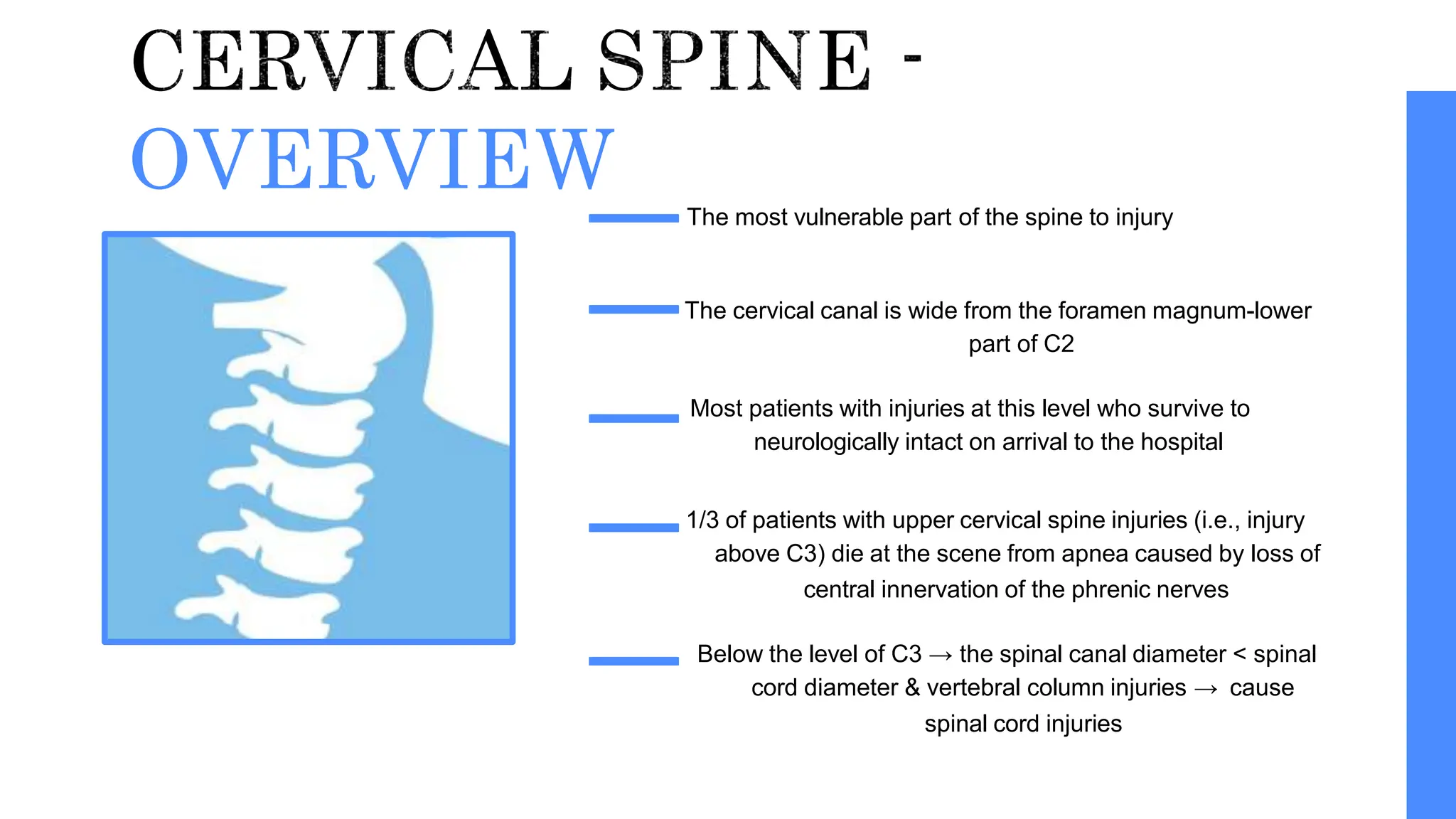
The cervical spine is the most vulnerable section of the spinal column. Because it supports the head and allows for extensive mobility, it is highly susceptible to traumatic forces. When the spinal cord—the primary pathway for communication between the brain and the body—is compromised at this level, the signals controlling movement and sensation to the limbs, trunk, and vital systems are interrupted or severed.
Clinical classification of these injuries is generally based on the level of the vertebrae affected and whether the injury is "complete" or "incomplete." A complete injury signifies a total loss of sensory and motor function below the level of the lesion, whereas an incomplete injury implies that some signal transmission remains, often resulting in localized sensation or muscle control.
Primary Signs and Symptoms
The signs of a cervical SCI are categorized by the systems they affect. Because the cervical nerves supply the neck, diaphragm, arms, and hands, the impact is often systemic.
Motor and Sensory Impairments
The most immediate and recognizable sign of a cervical injury is paralysis, clinically referred to as tetraplegia or quadriplegia. This involves the loss of muscle function in the arms, legs, trunk, and pelvic organs. Patients may experience:
- Paresthesia: Abnormal sensations such as tingling, numbness, or a "pins and needles" feeling in the extremities.
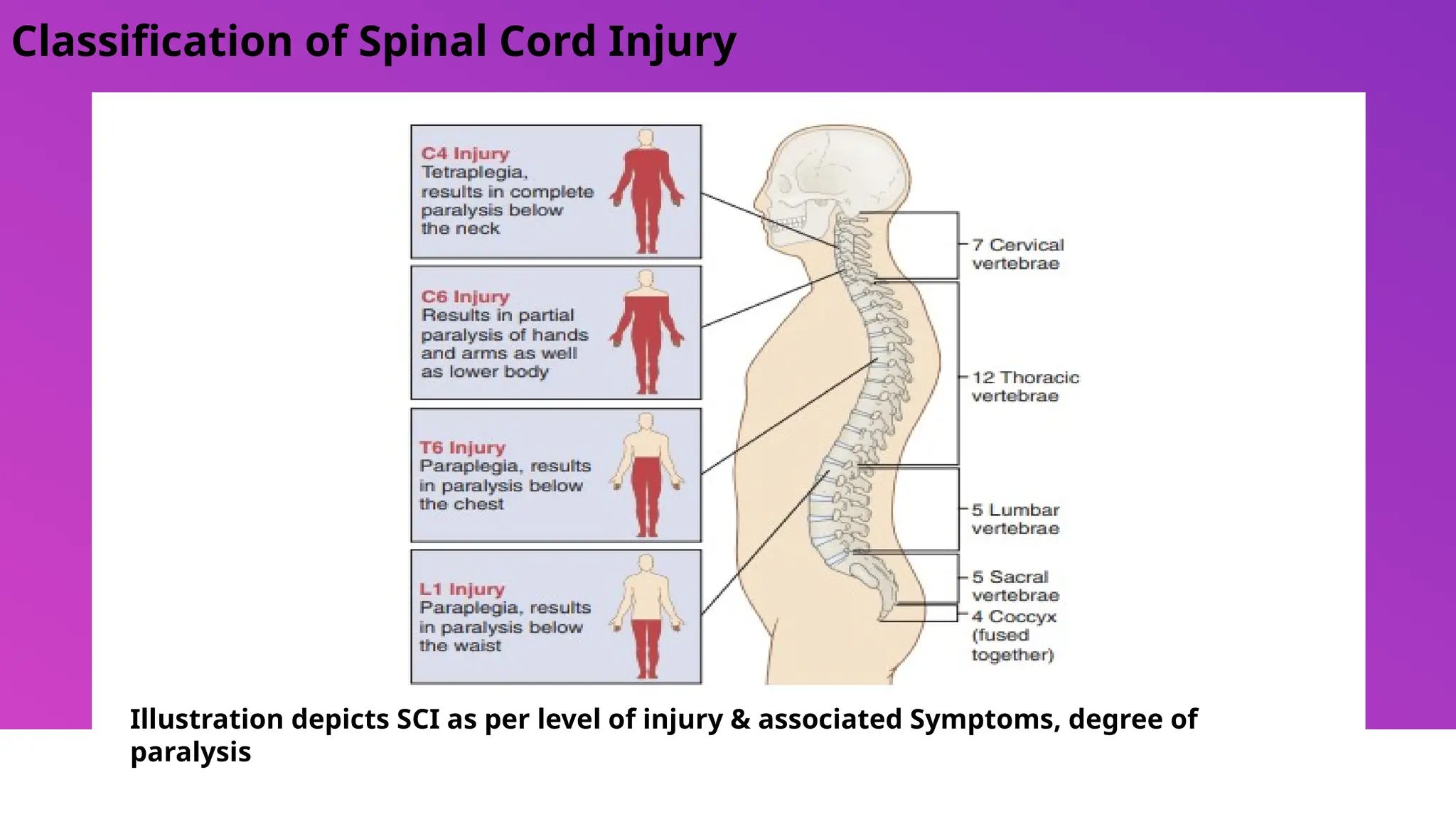
- Loss of Voluntary Movement: Inability to move specific muscle groups, the extent of which depends on the specific cervical segment damaged (e.g., C4 injuries often affect the diaphragm, while C6 injuries typically preserve some shoulder and elbow function).
- Reflex Changes: Initial loss of reflexes (spinal shock), followed by the potential development of spasticity or hyperreflexia as the spinal cord begins to react to the lack of cerebral input.
Respiratory Challenges
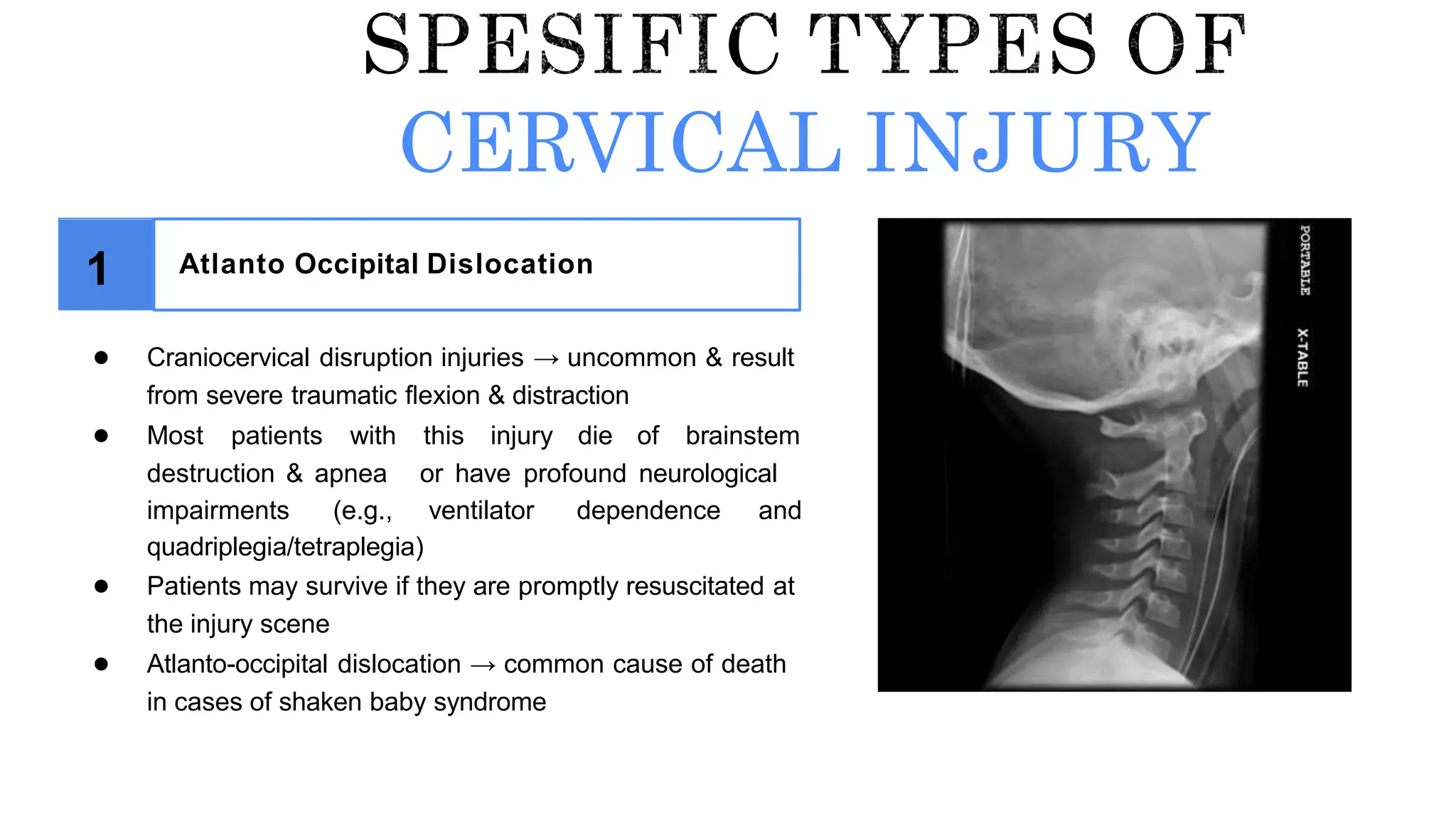
The phrenic nerve, which controls the diaphragm, originates at the C3, C4, and C5 levels. Injuries occurring above this level can paralyze the diaphragm, necessitating mechanical ventilation for the patient to breathe. Even in injuries below C5, the patient may struggle with weakened chest muscles, leading to ineffective coughing, shallow breathing, and a higher risk of respiratory infections.
Autonomic Dysreflexia
A potentially life-threatening complication specific to injuries at or above the T6 level—which includes all cervical injuries—is autonomic dysreflexia. This is a sudden, exaggerated response of the sympathetic nervous system to a noxious stimulus below the level of the injury, such as a full bladder or skin pressure. Symptoms include:
- Sudden high blood pressure (hypertension).
- Severe headache.
- Profuse sweating above the level of injury.
- Bradycardia (slow heart rate).
Clinical Manifestations by Cervical Level
The following table outlines the functional impacts typically associated with damage at specific cervical vertebrae.
| Level of Injury | Potential Functional Capabilities |
|---|---|
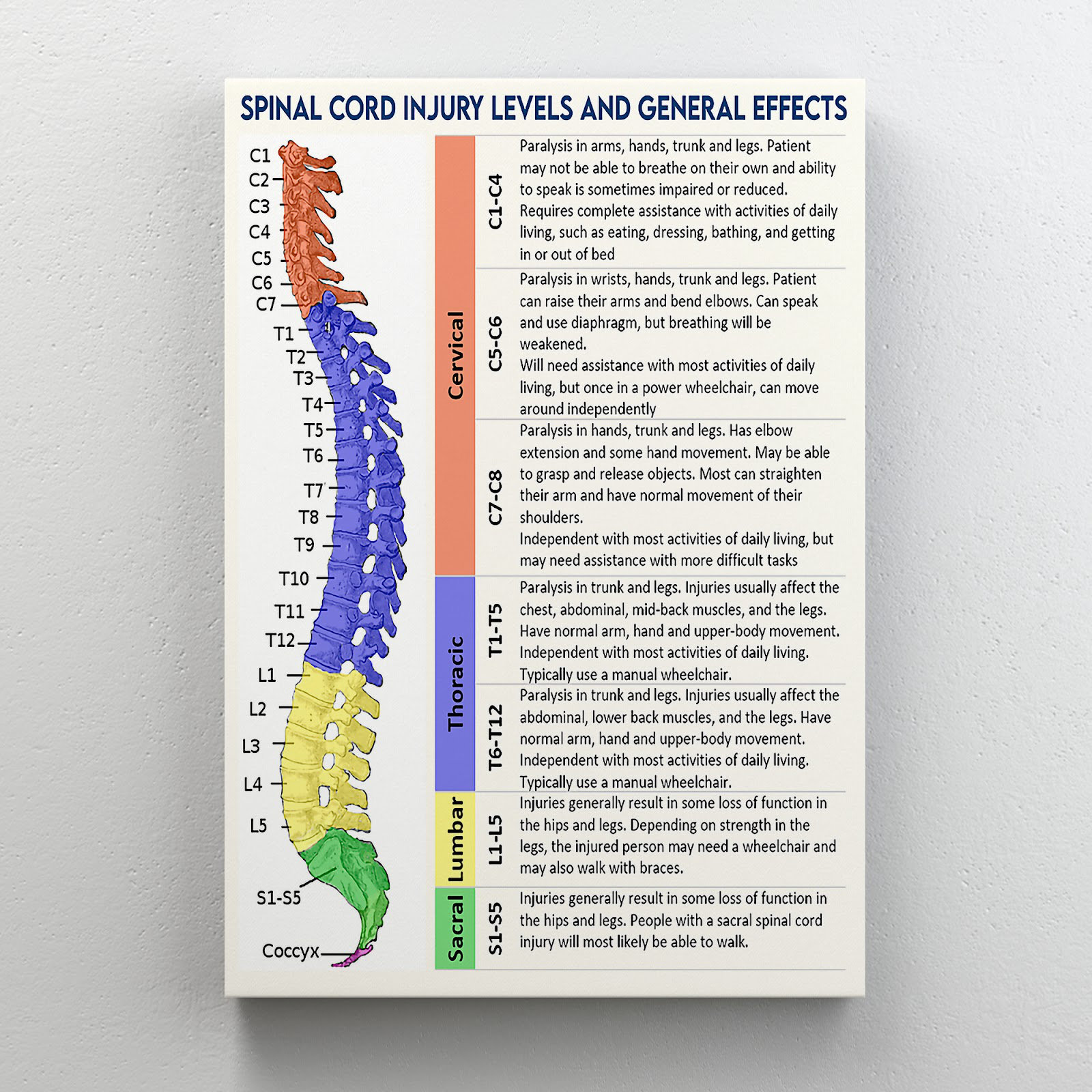
| C1–C3 | Limited movement of the head and neck; requires mechanical ventilation; dependent for all care. |
| C4 | Use of neck muscles; some shoulder shrug; diaphragm may be partially functional; dependent for most care. |
| C5 | Shoulder control and elbow flexion (biceps) possible; may feed self with adaptive equipment. |
| C6 | Wrist extension; can perform some self-care; can transfer with significant effort or assistance. |
| C7–C8 | Elbow extension (triceps); greater independence in daily living activities and potential for driving. |
Secondary Physiological Consequences
Beyond the immediate neurological deficits, the body undergoes significant changes in the days and weeks following a cervical injury. Understanding these helps in managing long-term health.
Circulatory Instability Blood pressure management becomes a significant hurdle. Because the sympathetic nervous system is disconnected from the brain's control, patients often suffer from orthostatic hypotension—a drop in blood pressure when moving from a lying to a seated position.
Thermoregulation Issues The body may lose its ability to regulate temperature effectively. Patients may find it difficult to sweat below the level of injury or may experience extreme shivering, making them vulnerable to environmental heat and cold.
Bladder and Bowel Dysfunction The spinal cord controls the coordination required for bowel and bladder evacuation. Damage to the cervical spine results in "neurogenic" bladder and bowel, requiring rigorous management protocols to prevent infection and maintain internal homeostasis.
Diagnostic Verification
If a cervical spinal cord injury is suspected, medical professionals employ specific diagnostic tools to confirm the damage.
- Neurological Examination: Assessing dermatomes (areas of skin sensation) and myotomes (muscle groups) to determine the exact level of the injury.
- Imaging Studies: Computed Tomography (CT) scans are typically used first in emergencies to identify bony fractures or dislocations. Magnetic Resonance Imaging (MRI) is subsequently used to evaluate the soft tissue of the spinal cord, looking for compression, edema, or hemorrhage.
- ASIA Impairment Scale: This standard assessment, developed by the American Spinal Injury Association, categorizes the severity of the injury from A (complete) to E (normal).
Frequently Asked Questions
What is the first sign of a neck spinal cord injury? The most common initial sign is a sudden loss of movement or sensation in the limbs following a trauma. This may be accompanied by acute pain in the neck or back, though it is crucial to note that the absence of pain does not rule out a severe spinal injury.
Can a person with a cervical injury regain function? Recovery depends heavily on the severity of the initial injury. In cases of "complete" injury, the potential for neurological recovery is limited. In "incomplete" injuries, intensive physical and occupational therapy can lead to significant functional gains over months or years as the nervous system utilizes neuroplasticity to adapt.
What is the role of the C4 vertebra in breathing? The C4 level is critical because the nerves that supply the diaphragm—the primary muscle for breathing—pass through this area. An injury at or above C4 can disrupt the signal from the brain to the diaphragm, leading to respiratory failure.
Why is autonomic dysreflexia considered an emergency? It causes a rapid, severe increase in blood pressure that can lead to intracranial hemorrhage, seizures, or cardiac arrest if the source of the irritation is not identified and removed immediately.
Recommendation for Next Steps
If you or someone else has experienced a suspected neck trauma, immediate immobilization of the head and neck is required to prevent further spinal damage. Call emergency services immediately. Do not attempt to move the individual unless they are in immediate, life-threatening danger, such as a fire or vehicle submersion. Once stabilized in a hospital, seek a consultation with a neurologist or a specialized spinal cord injury rehabilitation team to establish a comprehensive care plan.
Disclaimer: This information is for educational purposes only and does not constitute professional medical advice, diagnosis, or treatment. Always seek the advice of your physician or other qualified health provider with any questions regarding a medical condition.
Image Gallery