Navigating Exports from Venezuela in the Global Market
Exports from Venezuela in the global market primarily center on the hydrocarbon sector, alongside emerging efforts to diversify into non-traditional agricultural and mineral commodities. Participants in this trade must navigate a compl...
Exports from Venezuela in the global market primarily center on the hydrocarbon sector, alongside emerging efforts to diversify into non-traditional agricultural and mineral commodities. Participants in this trade must navigate a complex landscape of international sanctions, regulatory compliance, logistical constraints, and volatile global commodity pricing to ensure sustainable operations and legal adherence.
Contents
The Structural Composition of Venezuelan Exports
Historically, the Venezuelan economy has been defined by its heavy reliance on crude oil and refined petroleum products. As of 2026, Petróleos de Venezuela, S.A. (PDVSA) remains the central entity coordinating the extraction and export of hydrocarbons. While oil remains the bedrock of the national export strategy, recent years have seen an increased policy focus on diversifying the export basket to reduce vulnerability to price fluctuations and geopolitical friction.
Beyond hydrocarbons, the nation maintains export streams in the mining sector, specifically iron ore, steel products, and gold. In the agricultural sector, international trade interest has focused on specialty crops, including high-grade cocoa and coffee, which have found niche markets in Europe and Asia. However, the volume and consistency of these non-oil exports remain sensitive to domestic infrastructure limitations, irrigation capacity, and the availability of specialized logistics partners.
Regulatory Compliance and International Trade Sanctions
For any entity engaging in commercial activity involving Venezuelan exports, understanding the current regulatory environment is a mandatory prerequisite. Various jurisdictions, most notably the United States, have historically implemented comprehensive sanctions programs that restrict or prohibit transactions involving state-owned entities.
In 2026, exporters and importers must perform rigorous due diligence to verify that their counterparties are not subject to restrictive lists, such as the Specially Designated Nationals and Blocked Persons (SDN) list maintained by the U.S. Department of the Treasury's Office of Foreign Assets Control (OFAC). Engaging in trade without comprehensive legal vetting poses significant risks, including the freezing of assets, the loss of banking privileges, and potential criminal prosecution.
Compliance professionals emphasize that international trade in Venezuelan goods is not universally prohibited, but it is highly regulated. Companies operating in this space typically employ dedicated legal counsel to secure specific licenses or to ensure their activities fall within authorized exemptions.
Key Considerations for Compliance Teams
- Entity Verification: Ensure the counterparty is not an entity controlled by the state apparatus currently under sanctions.
- Jurisdictional Divergence: Recognize that trade laws vary significantly between the U.S., the European Union, and emerging markets in Asia and the Middle East.
- Financial Auditing: Maintain transparent, verifiable documentation for every transaction to satisfy "Know Your Customer" (KYC) and Anti-Money Laundering (AML) standards.
Logistics and Operational Challenges
The physical export of goods from Venezuela requires coordination through established port facilities, such as Puerto Cabello and La Guaira. Exporting bulk commodities requires not only the physical infrastructure for loading but also a steady supply of auxiliary services, including maritime insurance, specialized shipping containers, and reliable customs brokerage.
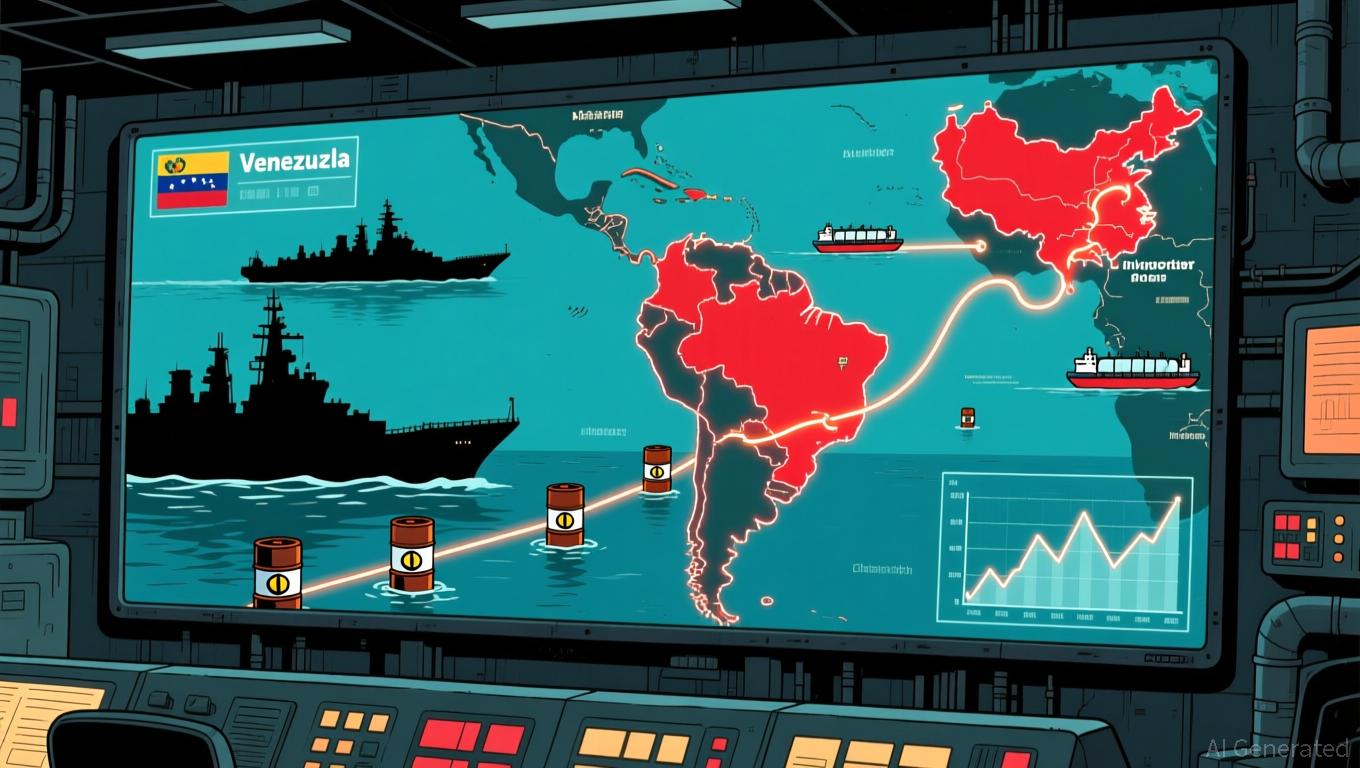
Logistical efficiency has faced challenges regarding terminal maintenance and international vessel availability. Many global shipping lines are cautious about docking at Venezuelan ports due to potential insurance premium hikes or complexities in settling international port fees. Consequently, exporters often rely on specialized regional shipping partners who have deep experience with local protocols and the specific requirements of the Venezuelan customs authority (SENIAT).
| Commodity Segment | Typical Export Mode | Primary Logistical Requirement |
|---|---|---|
| Crude Oil | Tanker Vessel | Pipeline access & terminal capacity |
| Iron/Steel | Bulk Carrier | Port-side rail access |
| Cocoa/Coffee | Containerized | Cold-chain management & certification |
| Precious Metals | Air Freight/Secure | High-security transit & customs bond |
Market Dynamics and Pricing Strategies
The pricing of Venezuelan exports is largely dictated by international benchmarks. For oil, the price is heavily influenced by the spread between Venezuelan heavy crudes and global benchmarks like Brent or WTI. Because of the specific chemical properties of the heavy crude extracted from the Orinoco Belt, the pricing strategy often involves discounts to account for the necessary upgrading or blending required by foreign refineries.
For non-oil commodities, such as cocoa, Venezuelan exporters compete in the "premium" segment. Quality control and international certification (such as organic or fair-trade labeling) are essential to justifying the higher price points required to cover the costs of navigating complex export documentation and logistical hurdles. Exporters must be prepared for the volatility of the Bolivar-indexed local costs against the stable currency revenue generated from international sales.
Common Risks and Mitigation Strategies
Operating in the Venezuelan export market requires an advanced risk management framework. The primary risks involve currency conversion, regulatory shift, and supply chain interruption.
- Currency Risk: The disparity between local production costs and international export proceeds necessitates the use of multi-currency accounts and sophisticated hedging instruments where accessible.
- Regulatory Risk: The legal status of trade policies can change rapidly. Companies often maintain a "zero-trust" approach to regulatory stability, requiring constant re-validation of export permits.
- Infrastructure Risk: Redundancy is key. Successful exporters often maintain relationships with multiple transport providers and utilize private warehouses to buffer against sudden port closures or delays in customs processing.
Professional legal and financial advice is strongly recommended for any firm attempting to enter or expand within this market, as the regulatory and geopolitical landscape is subject to frequent and material change.
Frequently Asked Questions
What are the main requirements for clearing customs in Venezuela?
Exporting goods from Venezuela requires registration with the National Registry of Exporters and compliance with all SENIAT (Servicio Nacional Integrado de Administración Aduanera y Tributaria) regulations. This includes the presentation of a commercial invoice, certificate of origin, and an export permit tailored to the specific commodity.
How does the current sanction environment affect logistics?
Sanctions impact logistics primarily through "over-compliance" by international shipping firms and insurers. Even when a transaction is technically legal, many carriers decline to serve the route to avoid the administrative burden or the perceived risk of being flagged by international regulators.
Is it possible to export agricultural products without government intervention?
While the private sector plays a significant role in agricultural exports, the sector remains heavily influenced by state-led pricing policies and export quotas. Exporters must verify current mandates, as these can shift based on domestic food security priorities.
What is the most effective way to handle international payments?
Given the limitations in the traditional correspondent banking system, many exporters utilize specialized trade finance structures, including offshore escrow accounts or, in some cases, commodities-for-goods barter arrangements, provided they comply with all relevant international and local laws.
How are export prices determined for high-value commodities?
Prices for minerals and specialty crops are generally pegged to international market spot prices, with adjustments for the specific grade, purity, and volume of the shipment. High-value exports usually require independent laboratory testing to verify quality before they are accepted at the port of entry.
Next Actions for Prospective Exporters
To move forward with any export strategy involving Venezuela, you must first secure a comprehensive legal audit of your intended transaction. Engage with international trade counsel familiar with the specific regulatory frameworks governing your target market and the U.S. Treasury’s guidelines. Once legality is established, identify a local customs broker with current, active status in Venezuelan ports, as their local knowledge is the primary mitigation strategy for logistical delays. Avoid speculative ventures; focus on high-demand, low-complexity commodities initially to build institutional knowledge of the specific export documentation pipeline.
Image Gallery