How to Use the Carry On Cocktail Kit: A Complete Guide for In-Flight Mixology
To use a carry-on cocktail kit, first order the appropriate miniature bottle of spirits from your flight attendant. Once received, use the kit’s included bar tools, syrups, and aromatics to mix the drink on your tray table according to...
To use a carry-on cocktail kit, first order the appropriate miniature bottle of spirits from your flight attendant. Once received, use the kit’s included bar tools, syrups, and aromatics to mix the drink on your tray table according to the provided recipe card, ensuring you follow all airline safety regulations regarding self-service.
Contents
Travel has evolved significantly by 2026, with passengers seeking more personalized and premium experiences within the confines of an airplane cabin. While airline beverage service has improved, it often lacks the nuance of a craft cocktail bar. This is where the carry-on cocktail kit becomes an essential travel companion. These compact, stylish tins provide everything you need to transform a standard miniature bottle of spirits into a sophisticated drink. However, using one effectively requires an understanding of both the "how-to" of mixology and the "rules of the road" for high-altitude consumption.
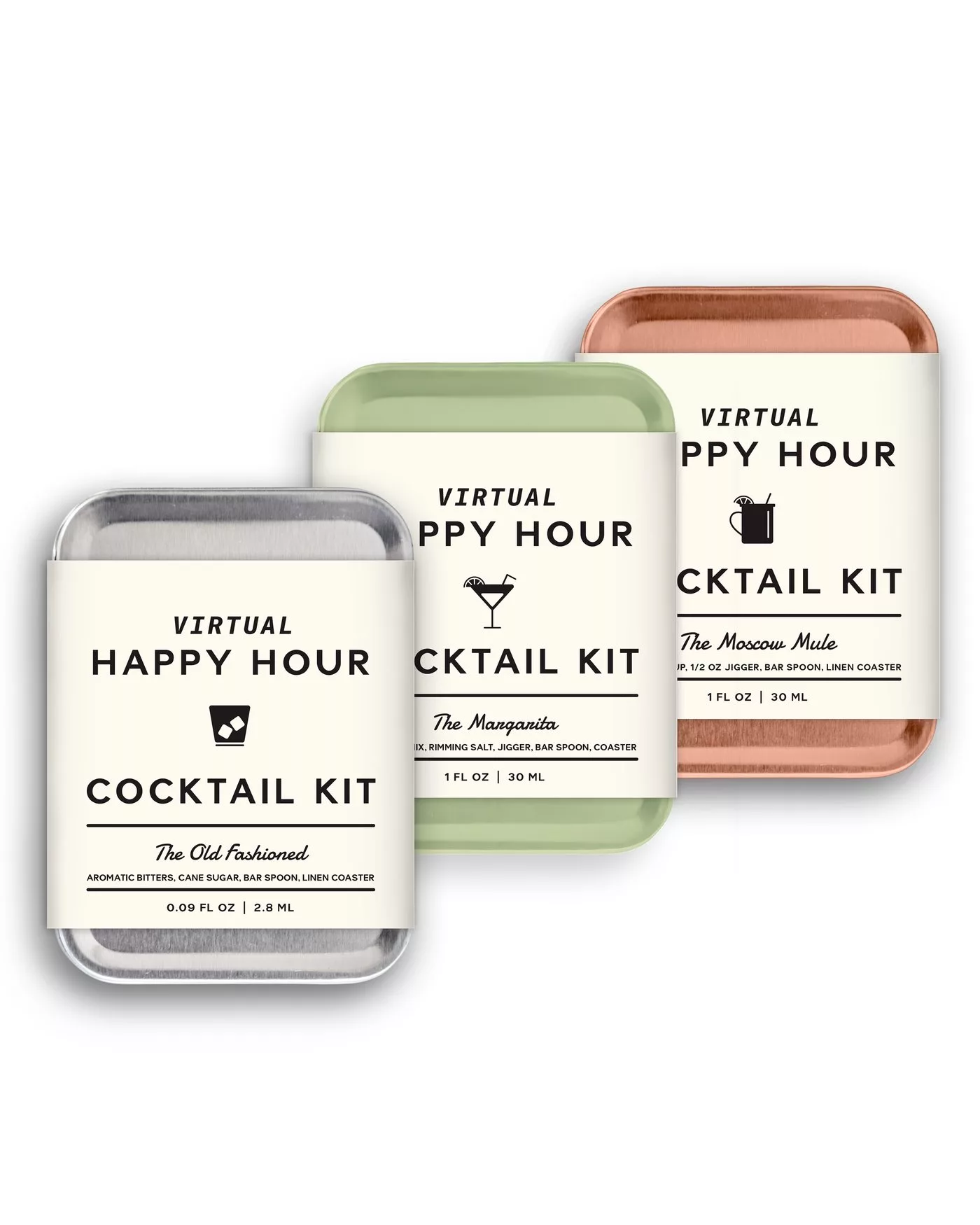
Understanding the Contents of a Carry On Cocktail Kit
Before you attempt to mix a drink at 30,000 feet, it is important to understand what is—and is not—included in a standard kit. Most premium kits, such as those popularized by W&P or similar boutique brands, are designed for specific classic cocktails like the Old Fashioned, Moscow Mule, or Margarita.
Typically, a kit contains:
- The Recipe Card: A step-by-step guide tailored to the specific cocktail.
- Bar Tools: Usually a small bar spoon or a muddler specifically scaled to fit in a plastic airline cup.
- Flavoring Agents: This might include a small bottle of aromatic bitters, a tin of cane sugar, or a specialized syrup (like ginger or agave).
- Presentation Elements: A small linen coaster or napkin to add a touch of class to your tray table.
- Measurement Tools: Some kits include a 1/2 oz jigger, while others rely on the spoon or the bottle cap for measurements.
Crucially, these kits do not include alcohol. Because of TSA regulations regarding liquids and FAA rules regarding the service of alcohol, the "spirit" component must be acquired separately once you are on the aircraft.
The Legal Essential: The FAA "Service" Rule
The most common mistake travelers make is bringing their own miniature liquor bottles (the 50ml "nips") through security and pouring them into their kits. While you can technically bring these through TSA (provided they fit in your single quart-sized bag), it is a violation of federal law to consume them on a commercial aircraft.
According to FAA regulation 14 CFR 121.575, no person may drink any alcoholic beverage aboard an aircraft unless the certificate holder (the airline) operating the aircraft has served that beverage to them. This rule exists primarily for safety; flight attendants are trained to monitor alcohol consumption to prevent intoxication and ensure passenger safety during emergencies. To stay compliant in 2026, you must order your base spirit from the flight attendant. Most carry-on cocktail kits are designed to work perfectly with the standard spirits available on major carriers.
Pre-Flight Preparation and TSA Compliance
Using your kit starts before you even reach the gate. Although the kits are designed for travel, you must ensure the liquid components remain compliant with the 3-1-1 liquids rule.
- Check the Volumes: Most cocktail kits contain bitters or syrups in containers well under the 3.4-ounce (100ml) limit. Ensure they are securely capped to prevent leaks during cabin pressure changes.
- Organization: Place the liquid components of your kit in your clear, quart-sized toiletry bag during the security screening process. The metal tin and stainless steel tools are generally permitted in carry-on luggage and do not need to be removed unless requested by a TSA officer.
- The "Dry" Kit: Keep the tin in an accessible part of your personal item so you can retrieve it easily once the "fasten seatbelt" sign is turned off and tray tables are permitted for use.
Step-by-Step Instructions for the Perfect In-Flight Cocktail
Once the beverage service begins, you are ready to start your mixology session. For this example, we will walk through the most popular kit: the Old Fashioned.
Step 1: Set Your Station
Clear your tray table of any trash. Lay down the linen coaster provided in the kit. This prevents your cup from sliding and protects the tray table from sticky syrup spills.
Step 2: The Order
When the flight attendant reaches your row, order a miniature bottle of bourbon or rye whiskey and a cup of ice. If your kit requires a specific mixer (like club soda for a Gin & Tonic kit or ginger ale for a Mule), order that as well. Pro Tip: Ask for an extra napkin and a small cup of water; you will need the water to dissolve sugar cubes if your kit uses them.
Step 3: Measure and Mix the Base
Open your kit. If your recipe uses a sugar cube, place it in the cup and add a few drops of water and the bitters. Use your muddler to crush the sugar until it forms a paste. If your kit uses syrup, simply pour the recommended amount (usually one teaspoon or the provided jigger's worth) into the cup.
Step 4: Add the Spirit
Pour the miniature bottle of whiskey into the cup. At this stage, do not add ice yet. Stir the spirit and the flavoring base together using the bar spoon for about 10 to 15 seconds. This ensures the flavors are fully integrated.
Step 5: The Chill
Add the ice. If the airline provided a full cup of ice, use your spoon to transfer the cubes individually. Stir again gently. In the dry, pressurized cabin environment, dilution happens quickly, so you only need to stir for a few seconds once the ice is added.
Step 6: The Garnish
While carry-on kits provide the essentials, they rarely include fresh fruit. If you are flying in a premium cabin, you might have access to a lemon or lime wedge. If not, some kits include "expressed" citrus oils in a spray or dried zest. Add these last to maximize the aroma.
Comparison of Popular Carry On Cocktail Kit Types
Different cocktails require different techniques. The table below outlines the requirements for the most common kits available in 2026.
| Kit Type | Primary Spirit to Order | Necessary Airline Mixer | Key Kit Ingredient | Technique |
|---|---|---|---|---|
| Old Fashioned | Bourbon or Rye | None (maybe a splash of water) | Aromatic Bitters & Cane Sugar | Muddling & Stirring |
| Moscow Mule | Vodka | Ginger Ale (if kit lacks syrup) | Ginger Syrup & Lime Juice | Stirring |
| Margarita | Tequila | None | Agave Syrup & Lime Crystals | Stirring / Rimming |
| Gin & Tonic | Gin | Tonic Water | Tonic Syrup & Lime | Stirring |
| Bloody Mary | Vodka | Tomato Juice | Celery Salt & Hot Sauce | Rolling / Stirring |
| Champagne Cocktail | Sparkling Wine | None | Elderflower Syrup or Bitters | Layering |
High-Altitude Mixology: Why It Tastes Different
In 2026, researchers have confirmed what travelers have long suspected: food and drink taste different at high altitudes. The combination of extremely low humidity (often less than 12%) and cabin pressure reduces the sensitivity of your taste buds by up to 30%.
Specifically, your perception of salt and sugar drops significantly. This is why many carry-on cocktail kits feature "bold" flavors like concentrated bitters or spicy ginger. When using your kit, do not be afraid to use the entire portion of bitters or syrup provided. What might seem overpowering on the ground will likely taste perfectly balanced at 35,000 feet. Furthermore, because your sense of smell is also muted, the aromatics (like the scent of the bitters) become the most important part of the experience.
Common Mistakes to Avoid
To ensure a seamless experience, avoid these frequent pitfalls:
- The "Double" Trap: Most kits are designed for a single 50ml bottle. Using two bottles will overwhelm the bitters and syrup, resulting in a drink that tastes purely of alcohol.
- Spilling Bitters: Bitters bottles in these kits often have a "dropper" top. Do not remove the dropper; shake the bottle firmly over the cup to release individual dashes. Bitters can stain airplane upholstery and tray tables permanently.
- Ignoring the Flight Attendant: Always be polite. If the crew is busy with a meal service, wait for a quiet moment to order your spirit. Most flight attendants find the kits charming, but they can be a distraction during high-stress service periods.
- Over-Dilution: Airplane ice is often smaller and "wetter" than bar ice. It melts fast. Add your ice last to prevent your cocktail from becoming watery before you've even finished mixing.
Frequently Asked Questions
Can I bring the metal bar spoon through airport security?
Yes. TSA guidelines permit small tools and spoons in carry-on luggage. As long as the spoon does not have a sharp, serrated edge or exceed length limits for "tools" (which a cocktail spoon does not), it is perfectly safe to bring through the checkpoint.
Are the syrups and bitters in the kit shelf-stable?
Most carry-on cocktail kits use high-sugar syrups and high-alcohol bitters, which act as natural preservatives. However, once opened, syrups should be used or discarded. In 2026, many brands have moved toward single-use glass vials to ensure freshness and prevent the need for refrigeration.
What if the airline doesn't have the specific spirit I need?
The beauty of these kits is their versatility. An Old Fashioned kit works surprisingly well with dark rum or even a smoky scotch. A Moscow Mule kit can be used with gin to create a "Gin-Gin Mule." Be creative with the airline's available inventory.
Is it cheaper to use a kit than to buy a cocktail on the plane?
Usually, no. You still have to pay for the spirit (unless you are in a premium cabin or have status). The value of the kit lies in the quality of the drink, not the cost savings. It is an investment in a better travel experience.
Do I need to bring my own glass?
It is not necessary. The kits are designed to work with the standard plastic or glassware provided by the airline. However, some enthusiasts bring a collapsible silicone cup for a more "substantial" feel, though this is purely a matter of personal preference.
Next Steps for the Traveling Mixologist
If you are ready to elevate your next flight, start by selecting a kit that matches your favorite spirit. For your first time, the Old Fashioned is the most reliable choice, as it requires the fewest external mixers from the airline. Ensure your liquids are packed in your 3-1-1 bag, and remember to always wait for the flight attendant to serve your spirits. With a bit of practice, you can turn a cramped middle seat into the best cocktail bar in the sky.
Image Gallery