Creative Name Tag Ideas for Professional and Social Events
Creative name tags serve as much more than simple identification; they act as icebreakers, branding tools, and networking catalysts. By moving beyond the standard "Hello My Name Is" sticker and utilizing smart technology, sustainable m...
Creative name tags serve as much more than simple identification; they act as icebreakers, branding tools, and networking catalysts. By moving beyond the standard "Hello My Name Is" sticker and utilizing smart technology, sustainable materials, or conversational prompts, organizers can significantly lower social barriers and enhance the attendee experience at conferences, weddings, and corporate gatherings.
Contents
The Evolution of Personal Identification in 2026
The landscape of event management in 2026 has shifted from passive participation to active engagement. Name tags have evolved into sophisticated tools that bridge the gap between physical interaction and digital networking. In the current professional environment, a name tag is often the first point of data exchange and the primary visual cue for brand alignment. The move toward "Smart Identification" means that name tags are no longer discarded at the end of the day; they are either kept as high-quality mementos or repurposed through sustainable cycles.
Understanding the psychology of an event is crucial before selecting a design. For a high-stakes corporate summit, the focus should be on prestige and technical utility. For a creative workshop, the emphasis might be on artistic expression and personal vulnerability. This strategic approach ensures that the name tag supports the specific goals of the gathering rather than simply occupying space on a lapel.
Smart Tech and Interactive Name Tag Ideas
As we progress through 2026, technology integration has become a standard expectation for large-scale professional events. Integrating digital elements into physical badges streamlines the networking process and provides organizers with valuable data regarding attendee movement and engagement.
NFC and RFID Integration
Near Field Communication (NFC) chips are now a cost-effective addition to custom name tags. These chips allow attendees to tap their phones against a badge to instantly save contact information, view a digital portfolio, or access a specific LinkedIn profile. This eliminates the need for physical business cards, which are often lost or forgotten. From a technical standpoint, 13.56 MHz NFC tags can be embedded between layers of recycled cardstock or inside plastic casings, maintaining a slim profile while offering robust utility.
E-Paper and Dynamic Displays
For multi-day events or rotating workshops, electronic paper (e-paper) displays offer a futuristic and highly functional alternative. Similar to the screen of a digital e-reader, these displays require very little power and can be updated remotely via a central hub. This is particularly useful for "Schedule Badges," where the tag displays the attendee's next session or a personalized QR code that changes based on their checked-in status.
AI-Generated Bio Tags
Organizers are increasingly using registration data to generate unique, AI-curated taglines for each attendee. Instead of just a name and job title, a tag might read, "Ask me about my recent work in regenerative AI" or "I can help you with supply chain logistics." This specific, algorithmically generated prompt removes the awkwardness of the "What do you do?" question, facilitating immediate, high-value conversations.
Sustainable and Eco-Friendly Material Concepts
Sustainability is no longer a niche preference; it is a mandate for modern event planning. In 2026, the environmental impact of thousands of plastic badge holders is a significant concern for corporate social responsibility (CSR) initiatives.
Plantable Seed Paper
One of the most popular creative name tag ideas involves the use of biodegradable seed paper. These tags are embedded with wildflower or herb seeds. After the event, instead of throwing the tag in the trash, attendees are encouraged to plant it in a pot or garden. This creates a lasting, positive association with the brand. It is important to note that printing on seed paper requires specific low-heat inkjet processes to ensure the seeds remain viable and are not damaged during the manufacturing stage.
Upcycled Wood and Bamboo
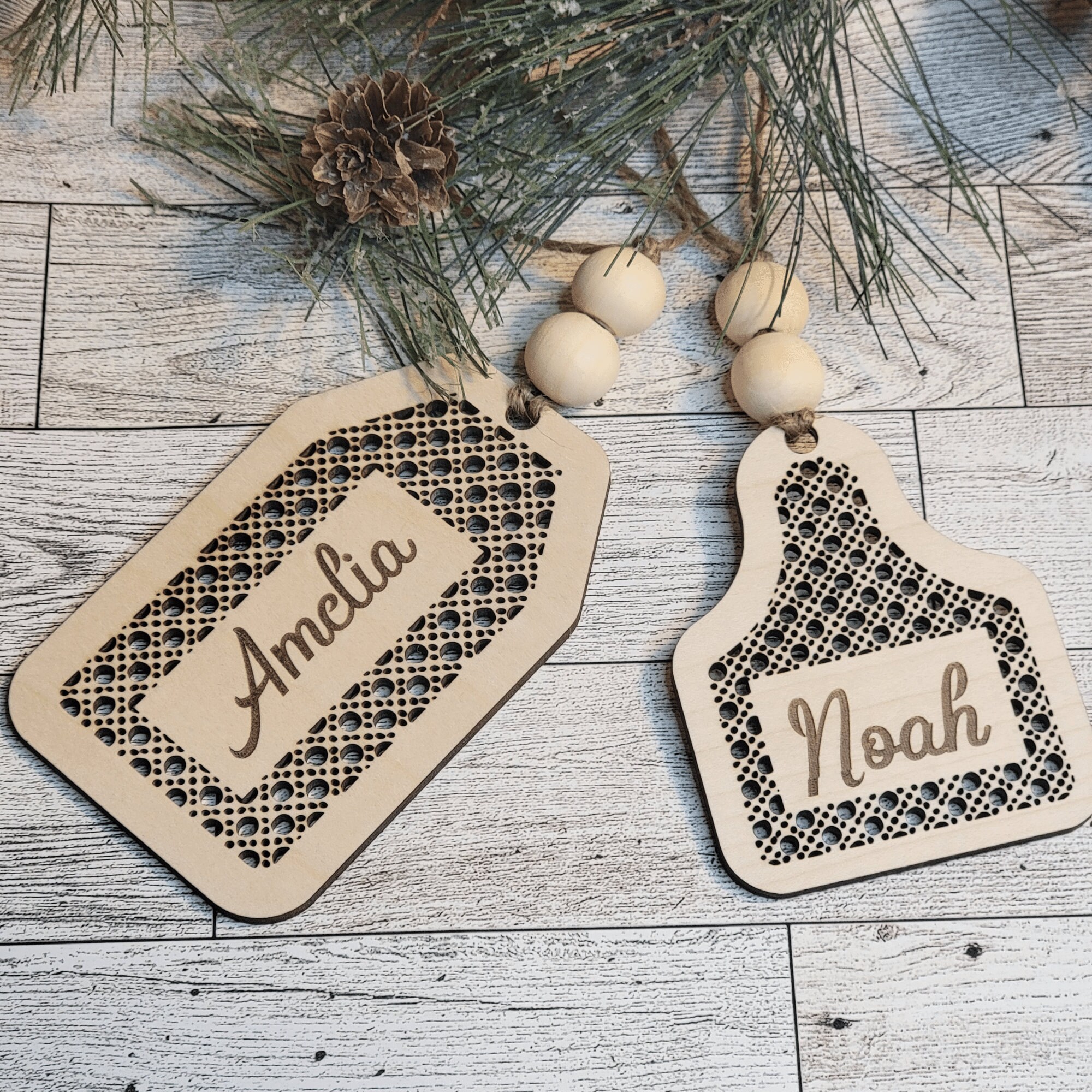
For a premium, tactile feel, laser-etched wood or bamboo tags provide a sophisticated aesthetic. Bamboo, in particular, is highly renewable and lightweight. Laser etching allows for intricate designs and high-contrast typography without the need for toxic inks. These tags are often kept as souvenirs, extending the brand's visibility long after the event concludes.
Recycled Ocean Plastic
For maritime-themed events or organizations focused on conservation, name tags made from 100% recycled ocean-bound plastic serve as a powerful statement. These materials can be molded into various shapes and colors, offering a rugged, durable finish that withstands outdoor conditions or multi-day use.
Design Innovations and Visual Hierarchy
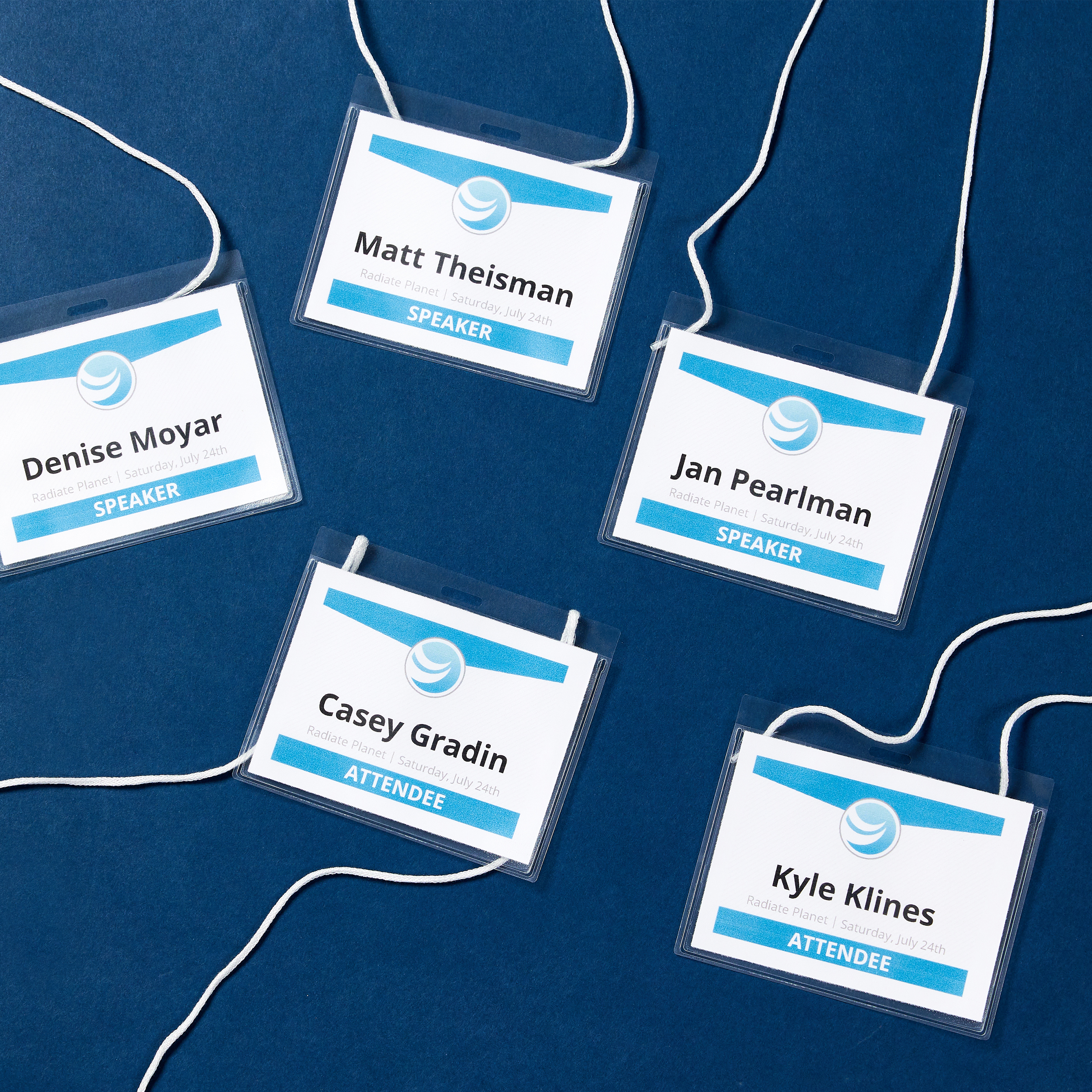
A creative name tag is only effective if it is readable. Visual hierarchy refers to the arrangement of elements in a way that implies importance. In name tag design, the individual's name must always be the primary focal point, followed by their organization or their specific "icebreaker" prompt.
The "3-Foot Rule"
In professional networking, a name should be legible from at least three feet away. This prevents the awkward "squinting" that occurs during introductions. To achieve this, the first name should typically be at least 24-point bold font. High contrast is also essential; black text on a white or light-yellow background offers the highest level of readability for the human eye and assistive vision technologies.
Minimalist vs. Maximalist Aesthetics
Current design trends for 2026 lean toward two extremes. Minimalist designs utilize whitespace and single-color palettes to convey a sense of modern efficiency and "quiet luxury." Conversely, Maximalist designs use vibrant colors, varied textures, and unique shapes (such as hexagons or circles) to reflect a high-energy, creative atmosphere. Choosing between these depends entirely on the event's "vibe" and the target audience's professional culture.
Comparison of Name Tag Materials and Functionality
The following table compares the most common creative name tag options available in 2026, focusing on their utility and cost-effectiveness for different event scales.
| Material / Type | Primary Use Case | Sustainability Rating | Tech Integration | Estimated Cost (Per Unit) |
|---|---|---|---|---|
| Seed Paper | Workshops / Green Events | Excellent | Minimal (QR only) | $1.50 - $2.50 |
| NFC-Embedded Card | Tech Conferences | Good | High (Tap-to-Share) | $3.00 - $5.00 |
| Laser-Etched Bamboo | Executive Retreats | Excellent | None | $4.50 - $7.00 |
| Recycled Acrylic | Artistic Festivals | Moderate | Moderate (RFID) | $2.00 - $4.00 |
| E-Paper Display | High-End Summits | Fair (Reusable) | Very High | $15.00 - $25.00 |
| Traditional Cardstock | Large Trade Shows | Fair | Low | $0.50 - $1.00 |
Social Engineering with Name Tags: Icebreaker Prompts
The most "creative" aspect of a name tag often isn't the material, but the content. Social engineering through identification can dictate the success of a networking hour.
- The "Ask Me About" Prompt: Providing a blank space for attendees to write one topic they are passionate about (e.g., "Ask me about marathon training" or "Ask me about 2026 tax laws") provides an immediate conversational "hook."
- Color-Coded Goals: Using different colored lanyards or tag borders to indicate what a person is looking for. For example, Green might mean "Looking to hire," while Blue means "Looking for a mentor." This allows for visual scanning of a room to find relevant contacts.
- The "Expert/Learner" Designation: In educational settings, tags can clearly state if the wearer is an "Expert" in a specific niche or a "Learner" seeking information. This clarifies social roles and encourages the sharing of knowledge.
Practical Considerations: Fastening and Durability
The method of attachment is a frequently overlooked component of name tag design. A creative tag loses its value if it ruins the attendee's clothing or falls off halfway through the day.
- Magnetic Fasteners: These are the gold standard for professional attire. They use two strong magnets to sandwich the fabric, avoiding the holes caused by safety pins. Caution: Magnetic fasteners should include a warning for attendees with pacemakers or other sensitive medical devices.
- Fabric-Friendly Lanyards: For high-activity events, lanyards are more secure. In 2026, many organizers are moving toward "double-clip" lanyards, which prevent the name tag from flipping over and hiding the name—a common annoyance at large conferences.
- Adhesive Options: While convenient, adhesives are generally best for casual, one-day events. It is essential to use "low-tack" adhesives that do not leave a sticky residue on delicate fabrics like silk or wool.
Frequently Asked Questions
What is the best font for name tag readability?
Sans-serif fonts such as Helvetica, Arial, or modern variations like Inter and Montserrat are preferred. These fonts lack the decorative "feet" (serifs) of traditional typefaces, making them much clearer to read at a distance or for those with visual impairments.
How do I implement QR codes on name tags effectively?
The QR code should be at least 2cm x 2cm to ensure quick scanning by smartphone cameras. It is best placed in a corner or on the reverse side of the tag to avoid cluttering the name area. Ensure the link destination is mobile-optimized and, ideally, provides a "V-card" for immediate contact saving.
Are eco-friendly name tags more expensive?
Initially, materials like bamboo or seed paper have a higher per-unit cost than standard plastic. However, they often eliminate the need for separate badge holders and can reduce waste management costs. Furthermore, the branding value of being an "eco-conscious" event often outweighs the marginal increase in production costs.
Should I include last names on name tags?
For professional corporate events, including the last name is standard for formal networking. For social gatherings, weddings, or intimate workshops, using only the first name in a larger font creates a more approachable and friendly atmosphere.
How can I make name tags interactive without using electronics?
Use "sticker sets" that attendees can add to their badges to indicate interests, languages spoken, or dietary preferences. This gamifies the identification process and encourages people to look closer at each other's tags.
Strategic Recommendation for Organizers
When selecting your creative name tag strategy for 2026, prioritize the user's comfort and the event's core objective. For a high-tech networking event, invest in NFC-enabled cards that facilitate seamless digital connections. For a brand-focused creative retreat, choose sustainable, tactile materials like wood or seed paper that reflect your organizational values. Always prioritize legibility over artistic flair; a name tag that cannot be read from a distance fails its primary functional purpose. By combining thoughtful design with modern utility, you transform a simple badge into a powerful tool for human connection.
Image Gallery