Understanding the Suicide Clause in Life Insurance Policies
The true rule regarding a suicide clause in a life insurance policy is a standard provision stating that the death benefit will not be paid if the insured person dies by suicide within a specific period—typically two years—after the po...
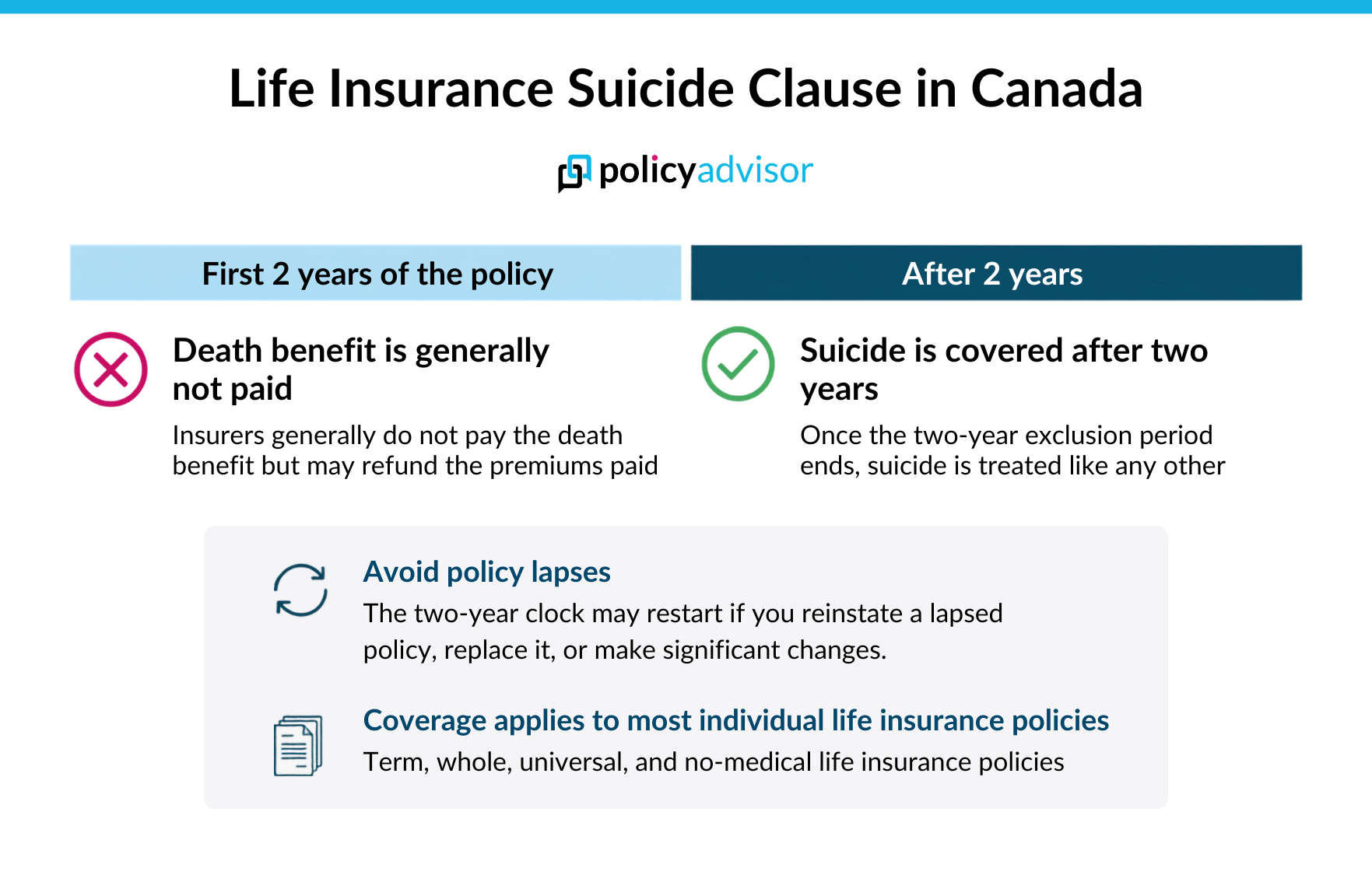
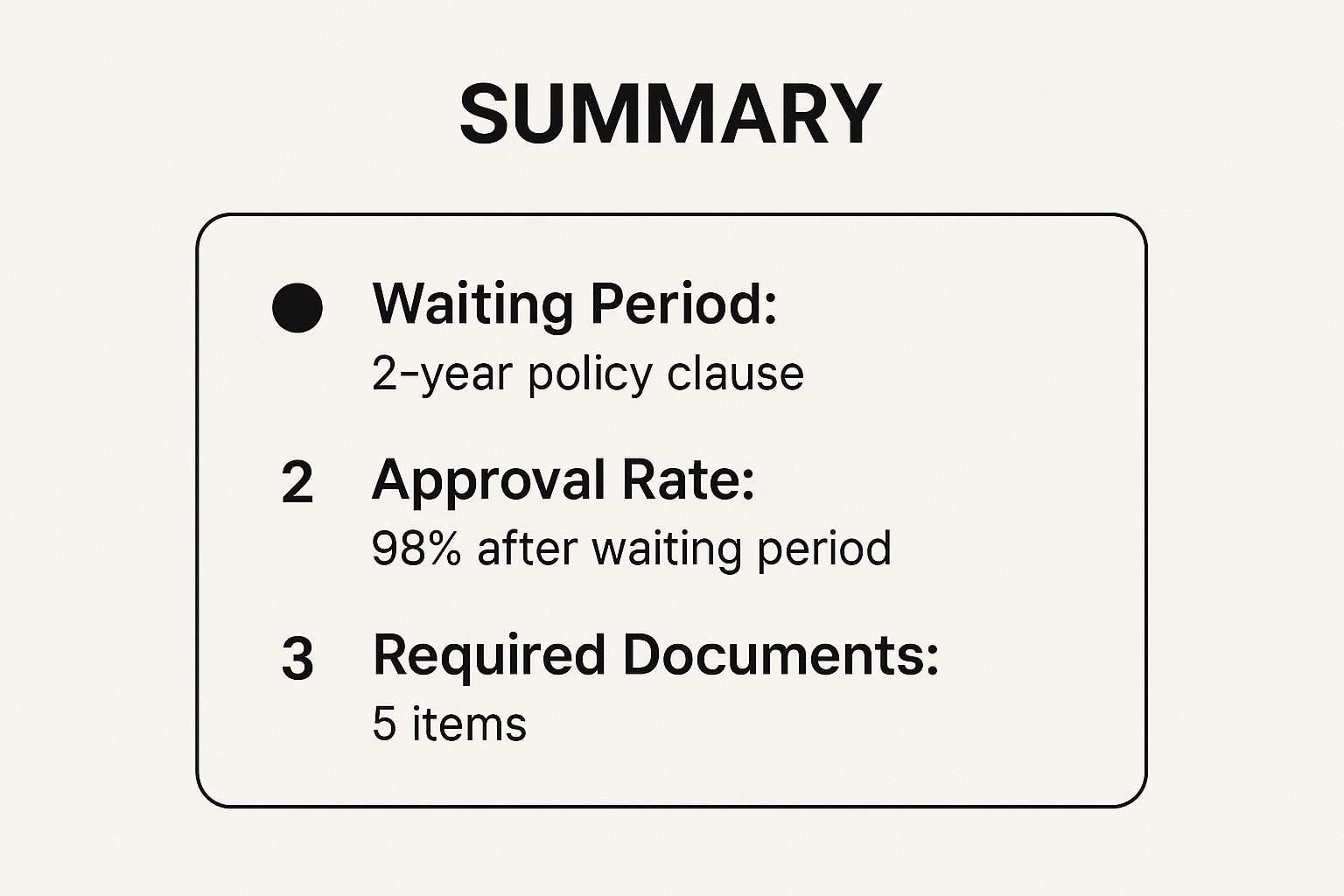
The true rule regarding a suicide clause in a life insurance policy is a standard provision stating that the death benefit will not be paid if the insured person dies by suicide within a specific period—typically two years—after the policy begins. If the death occurs after this period, the policy generally pays out the full benefit to the beneficiaries.
Contents
The suicide clause is one of the most misunderstood aspects of life insurance. Many people mistakenly believe that life insurance never covers death by suicide, or that such a death automatically voids the contract. In reality, the clause is designed to balance the insurer's risk against the needs of the beneficiaries. As of 2026, these regulations remain a cornerstone of insurance law, aimed at preventing "adverse selection," where an individual might purchase a policy with the immediate intent of ending their life to provide for their family.
The Mechanics of the Two-Year Exclusion Period
The "true rule" is fundamentally about timing. In the vast majority of U.S. states and many international jurisdictions, the suicide clause lasts for 24 months from the date the policy is "in force" (the date the coverage officially begins).
If an insured individual dies by suicide within this two-year window, the insurance company will deny the claim for the death benefit. However, the company does not simply keep the money. The standard procedure is to refund the total amount of premiums paid into the policy up to that date, often minus any outstanding policy loans or administrative fees. This ensures that while the company isn't paying out a windfall for a self-inflicted death during the waiting period, the family receives the money the policyholder actually invested.
Once the two-year period has passed, the suicide clause effectively expires. From that point forward, death by suicide is treated like any other cause of death—such as a heart attack or a car accident—and the full death benefit is paid to the designated beneficiaries.
The Intersection of the Suicide Clause and the Incontestability Clause
To fully understand the suicide clause, one must distinguish it from the incontestability clause. While they often share the same two-year timeframe, they serve different legal purposes.
- The Suicide Clause: This is a specific exclusion based on the cause of death. It limits the insurer's liability for a specific type of event for a set period.
- The Incontestability Clause: This prevents the insurer from "contesting" or voiding the policy due to misrepresentations or omissions on the application after two years have passed. For example, if a policyholder forgot to mention a minor health condition, the insurer cannot cancel the policy or deny a claim based on that omission after the two-year mark.
It is a common misconception that the incontestability clause is what makes suicide covered. In reality, the suicide clause is an independent provision. If a policy has a two-year suicide clause and a two-year incontestability clause, the insurer can no longer deny a suicide claim after two years, nor can they void the policy for application errors.
Variations in State and International Law
While the two-year rule is the industry standard, it is not universal. Insurance is regulated primarily at the state level in the United States, leading to specific regional nuances that can affect a policy's "true rule."
- Missouri: This state has perhaps the most unique law regarding suicide clauses. Under Missouri Revised Statutes Section 376.620, an insurer cannot deny a claim based on suicide unless they can prove that the insured intended to commit suicide at the time they applied for the policy. This is a much higher burden of proof for the insurance company.
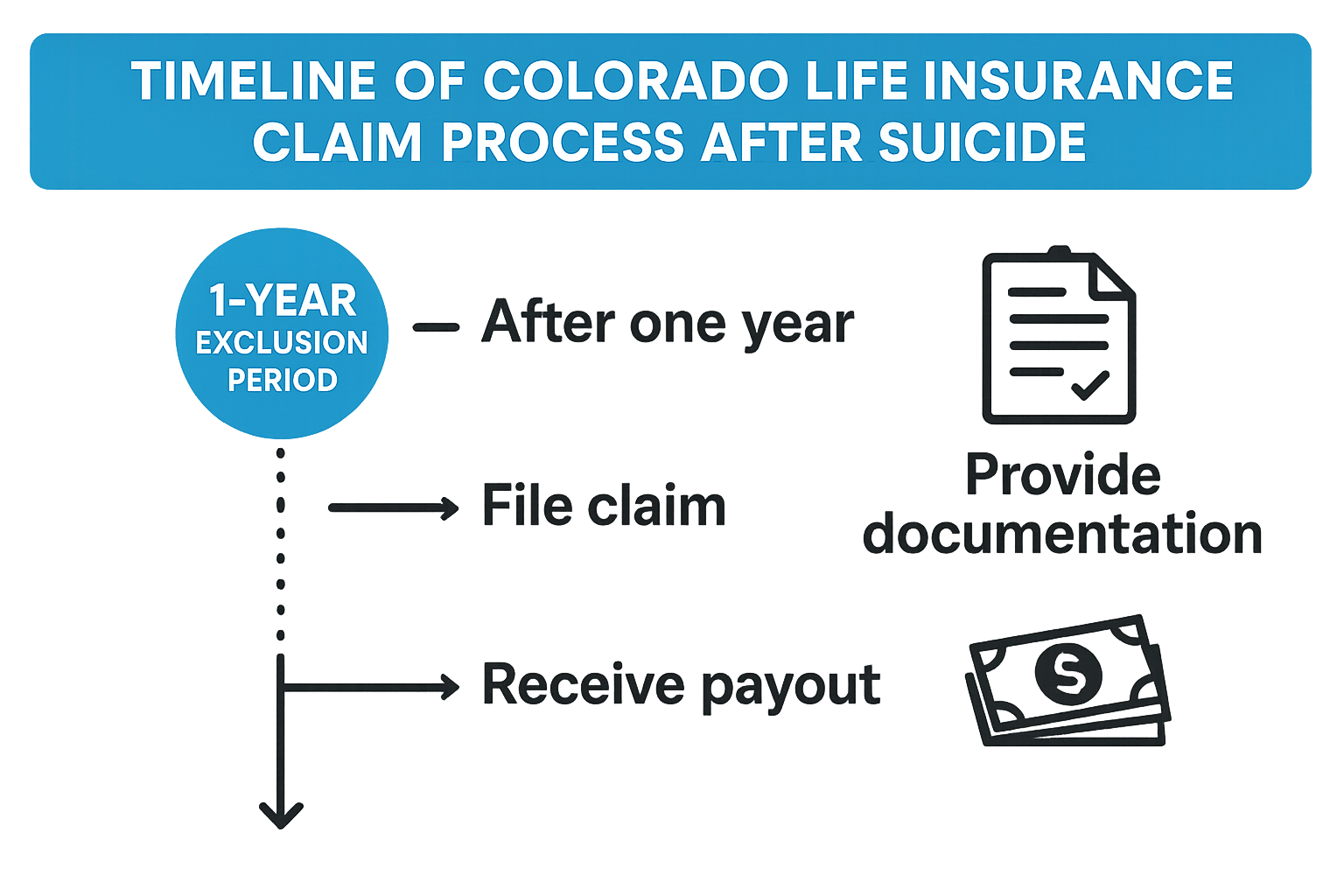
- North Dakota: Some policies in North Dakota are limited to a one-year suicide exclusion period by state law.
- Employer-Provided (Group) Life Insurance: Group policies provided by employers often do not contain a suicide clause. Because these policies are issued to a large group of people regardless of individual health risks, the risk of "adverse selection" is lower. In many cases, if you have life insurance through your job, the benefit may be payable regardless of when the suicide occurs, though you must check the specific Summary Plan Description (SPD).
Key Differences Between Clause Types
The following table outlines how the suicide clause compares to other common life insurance provisions as of 2026.
| Feature | Suicide Clause | Incontestability Clause | Accidental Death Rider |
|---|---|---|---|
| Primary Purpose | Prevents immediate claims for self-inflicted death. | Prevents policy voidance for application errors. | Provides extra payout for non-natural deaths. |
| Typical Duration | 2 years (usually). | 2 years (standard). | Lifetime of the rider. |
| Result of Claim | Payout denied; premiums refunded. | Policy remains valid/Benefit paid. | No extra payout for suicide. |
| Applies To | Specifically "Sane or Insane" suicide. | Material misrepresentations. | Accidents only (excludes suicide). |
The "Sane or Insane" Provision
Modern life insurance policies almost always include the phrase "whether sane or insane" within the suicide clause. This is a critical technicality. In the past, beneficiaries often attempted to argue in court that the insured was not "sane" at the time of the act and therefore could not have formed the intent to commit suicide.
By including "sane or insane," the insurer clarifies that the act of self-destruction is the trigger for the clause, regardless of the individual's mental state or capacity at the time. This wording has been upheld by courts across various jurisdictions to ensure the clause remains enforceable without requiring a psychological autopsy of the deceased.
Burden of Proof and the Claims Process
When a claim is filed, the burden of proof typically lies with the insurance company. If an insurer wishes to deny a claim based on the suicide clause, they must provide clear evidence that the death was indeed a suicide.
This process often involves:
- The Death Certificate: If the medical examiner or coroner lists the cause of death as suicide, this is often sufficient evidence for the insurer.
- Police Reports: Investigative findings, including the presence of a note or forensic evidence, are reviewed.
- Medical Records: The insurer may look for a history of mental health struggles or previous attempts, though this is more common during the underwriting phase than the claims phase.
If the cause of death is "undetermined," the insurer may face a legal challenge if they attempt to invoke the suicide clause. Courts generally lean toward the presumption of accidental death unless evidence of suicide is compelling.
Upgrading Policies and Resetting the Clock
A critical "true rule" that often catches policyholders off guard involves policy changes. If you decide to increase your coverage or replace an existing policy with a new one, the two-year suicide clause "clock" typically resets.
For example, if you have had a $500,000 policy for five years (meaning the suicide clause has expired) and you decide to replace it with a $1 million policy from the same or a different company, a new two-year suicide exclusion period begins for the new policy. In some cases, if you simply increase the "face amount" of an existing policy, the new, additional portion of the coverage may be subject to a new two-year waiting period, while the original $500,000 remains covered.
Suicide and "Death with Dignity" Laws
As of 2026, several jurisdictions have enacted "Death with Dignity" or "Medical Aid in Dying" (MAID) laws. This has created a new legal frontier for the suicide clause. In most states where MAID is legal (such as Oregon, Washington, and California), the law specifically states that ending one's life under the provisions of the act is not legally considered suicide for the purposes of life insurance.
Consequently, if a terminally ill patient follows the legal protocols for medical aid in dying, the life insurance company is usually required to pay the death benefit, even if the policy is less than two years old. However, this is highly dependent on state-specific statutes and the exact language of the policy.
Practical Recommendations for Policyholders and Beneficiaries
Navigating the complexities of life insurance requires attention to detail. If you are reviewing a policy or considering a purchase, keep these actions in mind:
- Verify the Clause Duration: Always check the "Exclusions" section of your policy. While two years is standard, some policies may have shorter windows or different terms based on the state of issue.
- Check Group Coverage: If you are concerned about coverage, prioritize your employer-sponsored group life insurance, as these often lack a suicide exclusion.
- Be Honest on Applications: If you have a history of depression or mental health issues, disclose them. While this might lead to higher premiums or "rating" of the policy, it prevents the insurer from using the incontestability clause to deny a claim later.
- Consult a Professional: If a claim is denied based on a suicide clause, consult with an attorney specializing in insurance law. There are often nuances regarding the "effective date" of the policy or the "burden of proof" that can be challenged.
Frequently Asked Questions
1. If the suicide clause is active, do the beneficiaries get nothing? No. In almost all cases, if a claim is denied due to the suicide clause, the insurance company will refund the premiums paid since the policy's inception. The beneficiaries will receive this amount, though it will be significantly less than the intended death benefit.
2. Does the suicide clause apply to accidental overdoses? Generally, no. Accidental overdoses are typically classified as accidents. However, if there is evidence (such as a note or a massive quantity of drugs) that the overdose was intentional, the insurer may investigate and potentially invoke the suicide clause.
3. What happens if I move to a state with different suicide clause laws? The laws that govern your policy are typically those of the state where the policy was issued and delivered. Moving to a new state usually does not change the terms of an existing contract, though a new policy purchased in your new state would follow local laws.
4. Does the suicide clause apply to "passive" suicide, like refusing medical treatment? Generally, no. Refusing life-sustaining medical treatment is considered a natural death resulting from the underlying illness. It does not trigger the suicide clause.
5. Can an insurance company add a permanent suicide exclusion? No. Standard life insurance policies must follow state regulations, which limit the duration of the suicide exclusion. An insurer cannot legally sell a policy that permanently excludes suicide in the United States.
Specific Actionable Step: If you are a beneficiary facing a claim denial, obtain a full copy of the policy and the certified death certificate. Compare the "Policy Effective Date" with the "Date of Death." If more than 730 days (two years) have passed, the insurer generally has no legal grounds to deny the claim based on the suicide clause.
Professional Advice Disclaimer: This article provides general information and is not intended as legal or financial advice. Life insurance laws vary by jurisdiction and are subject to change. Always consult with a licensed insurance professional or a qualified attorney regarding your specific situation. If you or someone you know is in crisis, please contact a mental health professional or a crisis hotline immediately (e.g., call or text 988 in the U.S. and Canada).
Image Gallery