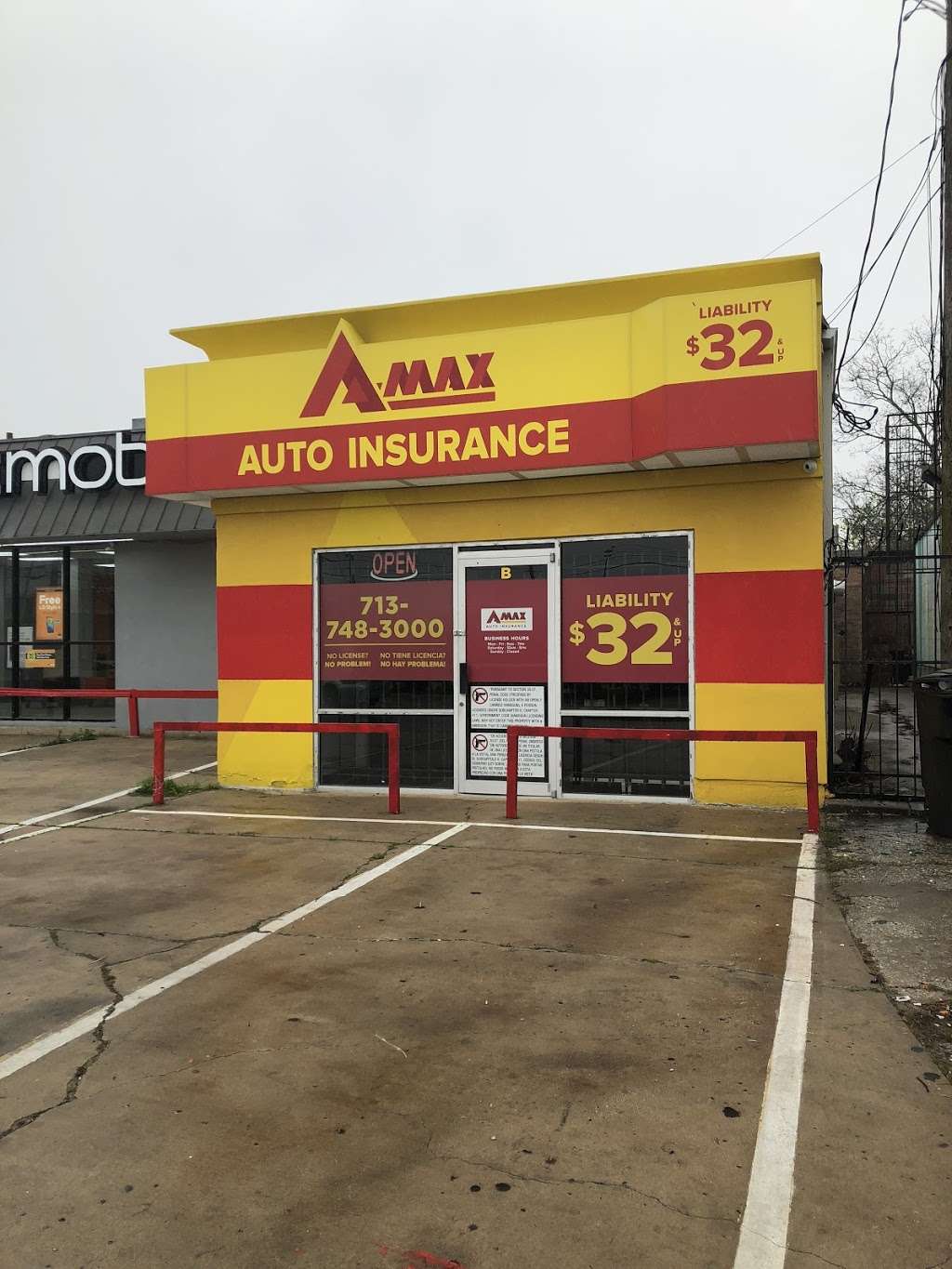
Why a Max Auto Insurance Near Me Is Worth a Look
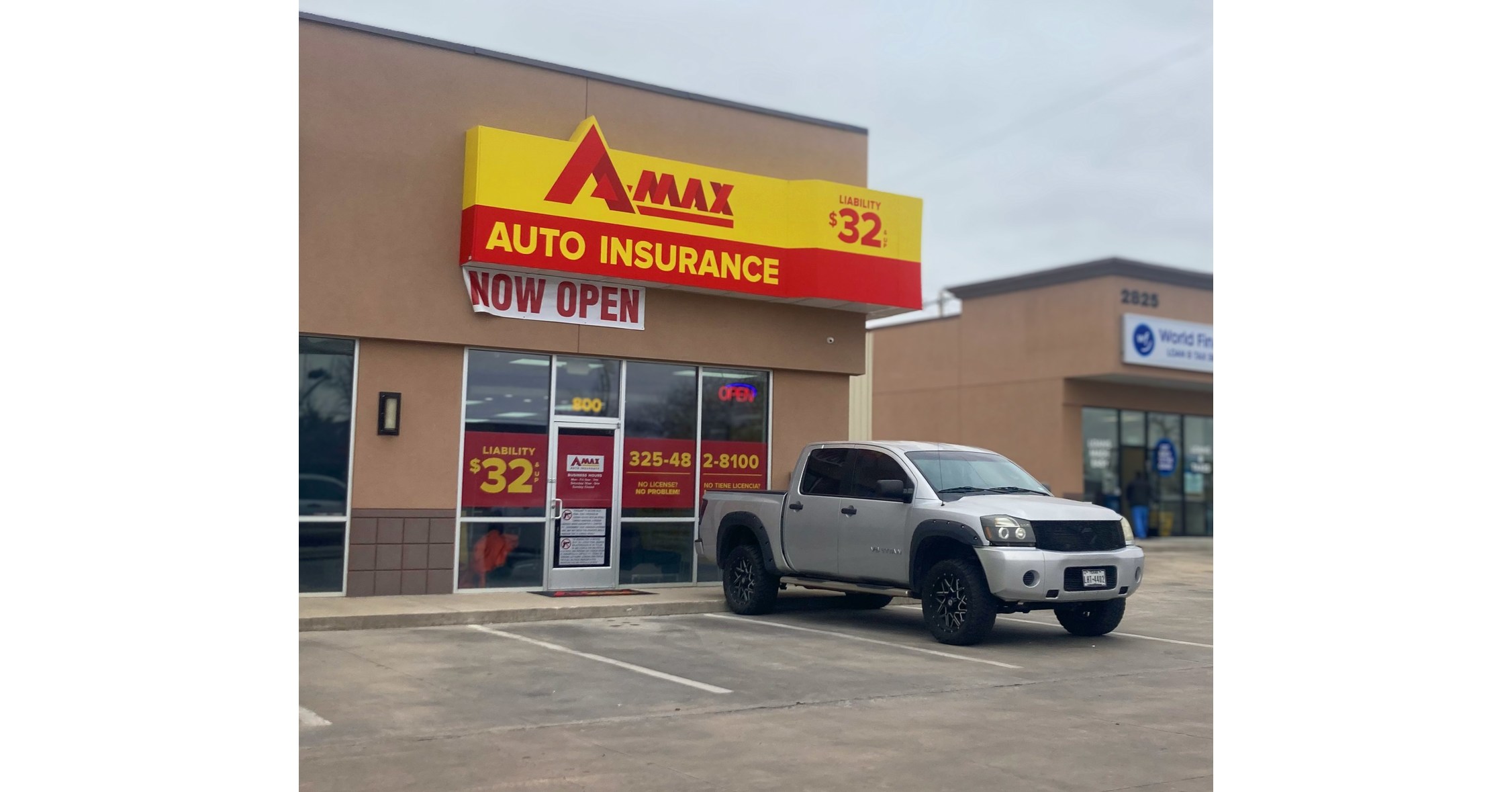
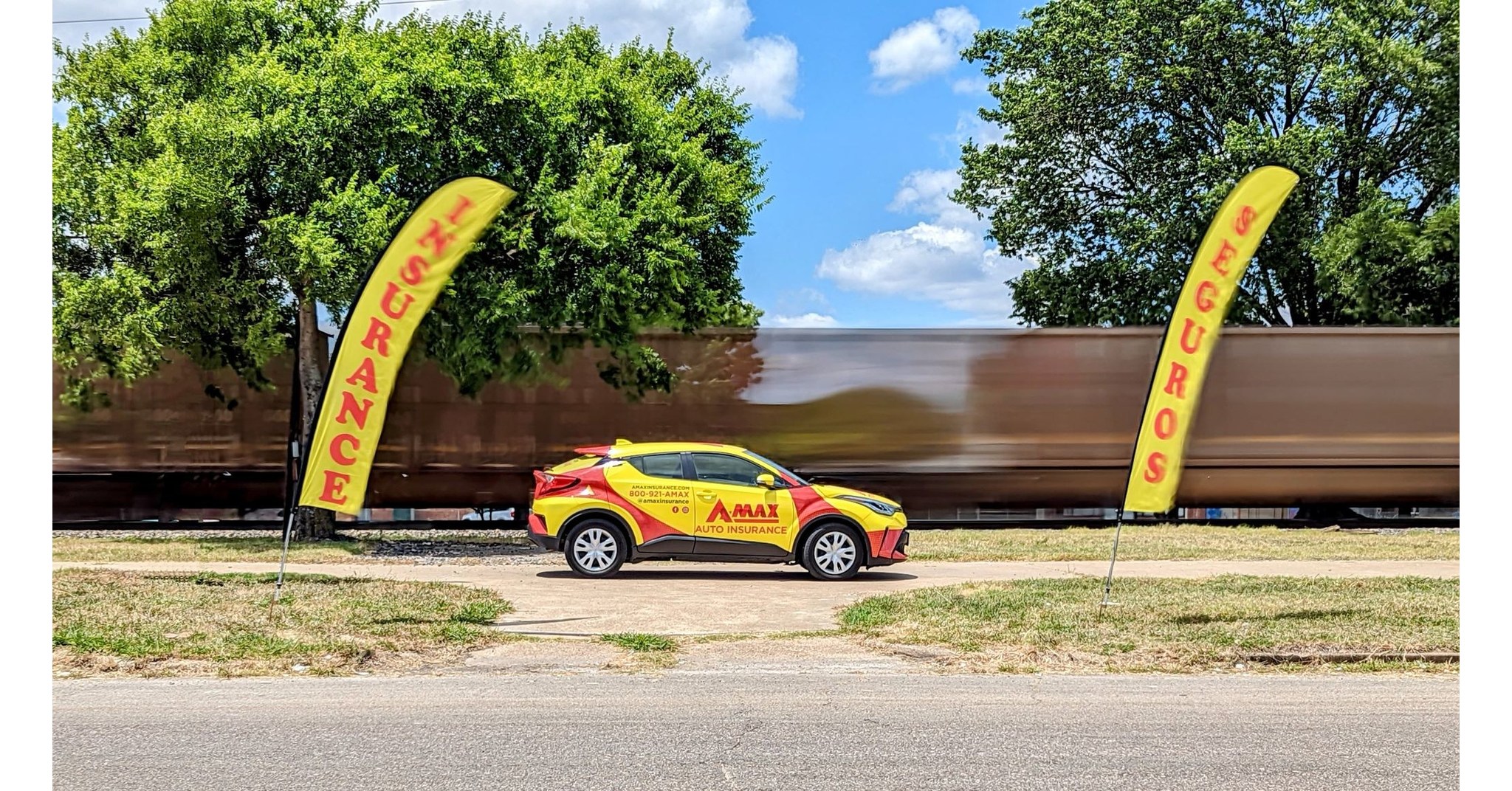
Exploring a local Max Auto Insurance office gives drivers direct access to personalized regional underwriting, flexible policy structures, and dedicated face-to-face customer support. Unlike automated direct-to-consumer national portal...
Exploring a local Max Auto Insurance office gives drivers direct access to personalized regional underwriting, flexible policy structures, and dedicated face-to-face customer support. Unlike automated direct-to-consumer national portals, local agencies can frequently tailor policies for unique risk profiles, assist with state compliance like SR-22 filings, and advocate directly during complex claims.
Contents
Selecting auto insurance involves balancing cost, coverage depth, regulatory compliance, and customer support. While national insurance brands invest heavily in digital marketing and algorithm-driven quick quotes, local agencies—such as regional Max Auto Insurance offices and local independent brokers specializing in maximum protection policies—offer distinct structural advantages that digital-only portals often lack.
Local agencies operate with a deep understanding of regional traffic patterns, state-specific legal mandates, localized accident frequencies, and local repair facility networks. Evaluating a local Max Auto Insurance outlet can help drivers discover competitive pricing, tailored policy endorsements, and personalized service options that online algorithms routinely overlook.
What Distinguishes Local Agencies from National Direct Insurers?
Understanding the architectural difference between a local agency and a national direct insurer is essential for evaluating your coverage options. Direct-to-consumer national platforms rely almost entirely on standardized underwriting models. Their pricing algorithms process high-level demographic variables—such as ZIP code, age, credit-based insurance score, and basic driving record—through automated risk pools. If your profile falls slightly outside their preferred risk tier, automated systems can generate disproportionately high premiums or outright coverage denials.
In contrast, local insurance offices and regional agencies provide human-guided underwriting and localized risk assessments. A local agent can examine contextual factors that standardized software misses, such as minor past violations, specialized vehicle usage, or specific regional driving patterns.
Local Max Auto Insurance Agent:
- Personalized Regional Pricing
- Local risk assessment
- Custom discount bundling
- Flexible payment structures
- Dedicated Claims Advocacy
- In-person guidance
- Local repair network ties
- Direct dispute assistance
Furthermore, local insurance representatives serve as ongoing advisors rather than transactional customer service agents. When you call or visit a neighborhood branch, you consult with an agent licensed in your state who understands local traffic enforcement trends, regional court filing procedures for driving records, and municipal weather hazards that directly impact your vehicle’s risk profile.
Core Coverage Options and Policy Customization
Evaluating a policy from a local provider requires looking closely at how basic coverage types are combined to protect your financial assets. Auto insurance is not a monolithic product; it consists of several distinct coverage components mandated by law or selected voluntarily.
1. Liability Coverages (Bodily Injury & Property Damage)
Liability coverage pays for injuries and property damage you cause to other drivers, passengers, or pedestrians in an at-fault accident.
- Bodily Injury Liability (BI): Covers medical expenses, lost wages, and legal defense costs for injured third parties. State minimums (e.g., $25,000 per person / $50,000 per accident) rarely cover severe accidents. A local agent can help align your BI limits with your total personal net worth to shield your savings from legal judgments.
- Property Damage Liability (PD): Pays for repairs to another person's vehicle, structures, or public infrastructure. Given modern vehicle repair costs and advanced driver-assistance systems (ADAS) sensor recalibration expenses, standard minimum limits are often insufficient.
2. Vehicle Physical Damage Coverages
Physical damage coverages protect your own vehicle regardless of who caused the damage, subject to your chosen deductible.
- Collision Coverage: Reimburses repair or actual cash value (ACV) replacement costs if your vehicle collides with another car, object, or flips over.
- Comprehensive Coverage: Covers non-collision events, including theft, vandalism, windshield damage, animal strikes, falling debris, hail, and flood damage.
3. Personal Protection and Uninsured Motorist Coverages
- Personal Injury Protection (PIP) / Medical Payments (MedPay): Covers immediate medical bills, room charges, and in some cases lost wages for you and your passengers, regardless of fault. PIP is mandatory in "no-fault" insurance states.
- Uninsured/Underinsured Motorist (UM/UIM): Protects you financially if you are struck by a driver who carries no insurance or lacks sufficient liability limits to cover your medical costs and property damage. According to the Insurance Information Institute, a significant percentage of drivers nationwide operate vehicles without legally required coverage, making UM/UIM endorsement vital.
| Mandatory Base Layer | Optional / High-Protection Layer |
|---|---|
| • State Minimum Bodily Injury | • High-Limit Bodily Injury (100k/300k+) |
| • State Minimum Property Damage | • Comprehensive & Collision |
| • PIP / MedPay (State Mandated) | • Uninsured / Underinsured Motorist |
| • Mandatory Financial Responsibility | • Roadside Assistance & Rental Reimb. |
Underwriting Flexibility and High-Risk Solutions
One of the main reasons drivers look into local Max Auto Insurance options is their willingness to write policies for non-standard driver profiles. National preferred-risk carriers often reject applicants or charge excessive rates due to past administrative challenges. Local agencies excel at navigating these scenario-specific requirements.
SR-22 and Certificate of Financial Responsibility Filings
If your driver's license was suspended due to serious traffic infractions, uninsured driving, or a DUI conviction, state motor vehicle departments usually require an SR-22 form. An SR-22 is not an insurance policy itself; it is an official certificate issued by an insurer verifying that you maintain active liability insurance that meets statutory minimums.
Local Max Auto Insurance outlets specialize in immediate electronic SR-22 processing. They communicate directly with state licensing bureaus to restore your driving privileges quickly while keeping state-mandated filings active without unnecessary delays.
Managing Lapses in Coverage
A lapse in auto insurance coverage—even for a few days—can cause standard carriers to flag a driver as high-risk, raising future rates significantly. Local agents have access to specialized non-standard underwriting channels that can place drivers into temporary or continuous coverage plans, steadily rebuilding their insurance history until they qualify once again for standard or preferred rates.
Comparing Costs: Local Agency vs. Direct Online Carrier
To understand the practical differences between purchasing policy coverage locally versus through a national digital-only portal, consider the operational trade-offs across major service criteria:
| Evaluation Metric | Local Max Auto Insurance Branch | National Direct Online Insurer |
|---|---|---|
| Primary Interaction Format | In-person, direct phone call, dedicated agent | Mobile app, centralized 800-number, chatbot |
| Underwriting Approach | Flexible; human evaluation of context and non-standard risks | Algorithmic; rigid risk tiering |
| High-Risk & SR-22 Filing | Same-day local filing support and state portal filing | Available, but often automated with limited support |
| Payment Method Flexibility | Cash, money order, local office processing, flexible schedules | Automated clearing house (ACH), automatic credit card billing |
| Claims Support | Direct local advocacy and regional repair guidance | National call-center dispatch and remote appraisal apps |
| Customization Depth | Personalized review of asset exposure and policy limits | Standardized package suggestions |
How to Evaluate a Local Max Auto Insurance Provider
Before signing an application or paying a policy deposit, take systematic steps to verify the agency’s credentials, policy terms, and long-term value.
Policy Evaluation Workflow:
- License Verification: Check State Insurance Commissioner / NAIC
- Coverage Gap Audit: Compare limits vs. mandatory minimums
- Total Cost Assessment: Factor in premiums, deductibles & fees
- Financial Rating Check: Review AM Best balance sheet ratings
- Local Claims Service Review: Evaluate repair facility networks
Step 1: Verify Licensing and Regulatory Compliance
Every insurance agency, producer, and broker must hold an active license in the state where they write policies. Verify the agent's credentials through your state’s Department of Insurance or the National Association of Insurance Commissioners (NAIC) public lookup tool. This step ensures that the agency adheres to state consumer protection guidelines, maintains required surety bonds, and operates lawfully.
Step 2: Conduct a Coverage Gap Audit
Do not evaluate a policy quote on premium price alone. Review the policy dec sheet (declaration page) line-by-line to verify:
- Deductible Structure: Are comprehensive and collision deductibles set at amounts ($500 or $1,000) you can comfortably pay out-of-pocket during a claim?
- Exclusions: Are household members automatically excluded from coverage unless specifically named?
- Permissive Use Limits: Does the policy cover guest drivers who operate your vehicle with permission, or does it restrict coverage strictly to named drivers?
Step 3: Assess Financial Strength and Solvency Ratings
Insurance policies are promises of future financial protection. The solvency of the underwriting insurance company backing your policy determines its ability to pay claims during catastrophic loss events. Check the financial rating of the underwriting insurer using independent rating agencies such as AM Best. Look for financial strength ratings of A- (Excellent) or higher.
Step 4: Evaluate Payment Terms and Administrative Fees
Local agencies often provide flexible payment structures, including weekly, bi-weekly, or monthly payment schedules. However, review the fee structure for:
- Policy initiation or agency service fees.
- Late payment grace periods and reinstatement fees.
- Installment processing charges.
Common Pitfalls to Avoid When Buying Local Auto Insurance
While local insurance agencies offer valuable service, consumers can make costly mistakes if they prioritize short-term savings over comprehensive protection:
- Purchasing Only State Minimum Limits: Buying minimum liability limits leaves personal assets vulnerable. If an at-fault accident causes $75,000 in medical damage and your state liability limit is $25,000, you remain personally liable for the remaining $50,000 balance.
- Failing to Report All Household Drivers: Withholding information about resident family members or teenage drivers to lower premiums can result in denied claims if an unlisted driver gets into an accident.
- Neglecting Comprehensive and Collision Coverage on Financed Vehicles: If your vehicle is financed or leased, your lender requires active physical damage coverage. Dropping these coverages to cut costs violates your loan contract and allows the lender to force-place expensive insurance policies on your account.
- Ignoring Telematics and Local Discount Opportunities: Failing to ask your local agent about usage-based telematics discounts, safe driver courses, or multi-policy bundling options often leaves legitimate savings on the table.
Legal and Financial Considerations
Disclaimer: Auto insurance requirements, policy forms, mandatory coverage thresholds, and liability laws vary significantly across state jurisdictions. The information provided here is intended for educational purposes and does not constitute formal legal, accounting, or financial planning advice.
When finalizing an auto insurance contract, remember that insurance policies are legally binding contracts governed by state contract law. Review all declarations, endorsements, and policy definitions carefully before submitting a down payment. If you face complex liability situations, significant personal asset exposure, or active license suspensions, consult a licensed attorney or a certified risk manager in your state.
Frequently Asked Questions
What should I bring to a local Max Auto Insurance office for a quote?
To receive an accurate auto insurance quote, bring a valid driver's license for all household drivers, vehicle identification numbers (VINs) for all covered cars, current vehicle registration documents, your existing policy declarations page (if applicable), and any correspondence from your state DMV regarding required filings (such as an SR-22 notice).
Can a local insurance agency help if standard carriers denied me coverage?
Yes. Local agencies specialize in non-standard auto insurance market placements. They work with specialized insurance underwriters designed specifically for high-risk drivers, individuals with past coverage lapses, or applicants with multiple moving violations and accidents on their record.
Will visiting a local agency cost more than buying a policy online?
Not necessarily. While direct online carriers often market low rates by omitting agent commissions, local independent agencies can compare rates across multiple regional insurance companies simultaneously. A local agent can often find regional discounts and policy combinations that cost less than standardized online rates.
What is the difference between an insurance broker and an insurance agent?
An insurance agent typically represents one or more specific insurance companies (either captive or independent) and has authority to bind policies on their behalf. An insurance broker legally represents the policy buyer, auditing consumer needs and searching the broader insurance marketplace for suitable coverage, often charging a broker service fee.
How does an SR-22 filing affect my auto insurance monthly premiums?
An SR-22 filing itself usually carries a small one-time filing fee (typically $15 to $50 depending on the state). However, the driving infraction that triggered the SR-22 requirement—such as a DUI, reckless driving, or driving uninsured—is what increases underlying insurance premiums. Maintaining continuous, on-time payments on an SR-22 policy helps rebuild your driving record over time.
Recommended Next Steps
If you are evaluating auto coverage options, schedule an in-person or phone consultation with a local Max Auto Insurance agent or licensed neighborhood broker. Request a complete coverage audit that compares your existing limits, deductibles, and endorsement options against current state requirements and asset exposure levels. Review all administrative fees, confirm underwriting ratings through AM Best, and ensure all regular drivers in your household are properly listed on the policy application before signing.
Image Gallery