NYU Medical Center Workers’ Compensation: A 2026 Guide for Employees and Patients
Managing a workers’ compensation claim at NYU Langone Health—historically known as NYU Medical Center—requires navigating two distinct pathways: one for employees injured on the job and another for external patients seeking world-class...
Managing a workers’ compensation claim at NYU Langone Health—historically known as NYU Medical Center—requires navigating two distinct pathways: one for employees injured on the job and another for external patients seeking world-class rehabilitative care. In 2026, the process relies on strict reporting timelines, specialized Occupational Health Services (OHS), and the New York State Workers’ Compensation Board’s integrated digital filing systems.
Contents
The workers' compensation framework at NYU Langone Health is designed to provide immediate medical coverage and wage replacement for employees while offering specialized clinical services for any worker in the New York metropolitan area. Whether you are a nurse injured during a patient transfer or a construction worker seeking treatment at the Rusk Institute, the primary objective remains the same: ensuring medical necessity is documented correctly to secure benefit approvals through the New York State Workers’ Compensation Board (NYS WCB).
Understanding the Dual Role of NYU Langone Health
To effectively handle a "NYU Medical Center workers' compensation" matter, one must first identify their relationship to the institution. NYU Langone Health operates as both a massive employer with tens of thousands of staff members and a premier healthcare provider authorized by the NYS WCB to treat injured workers.
1. NYU Langone as the Employer
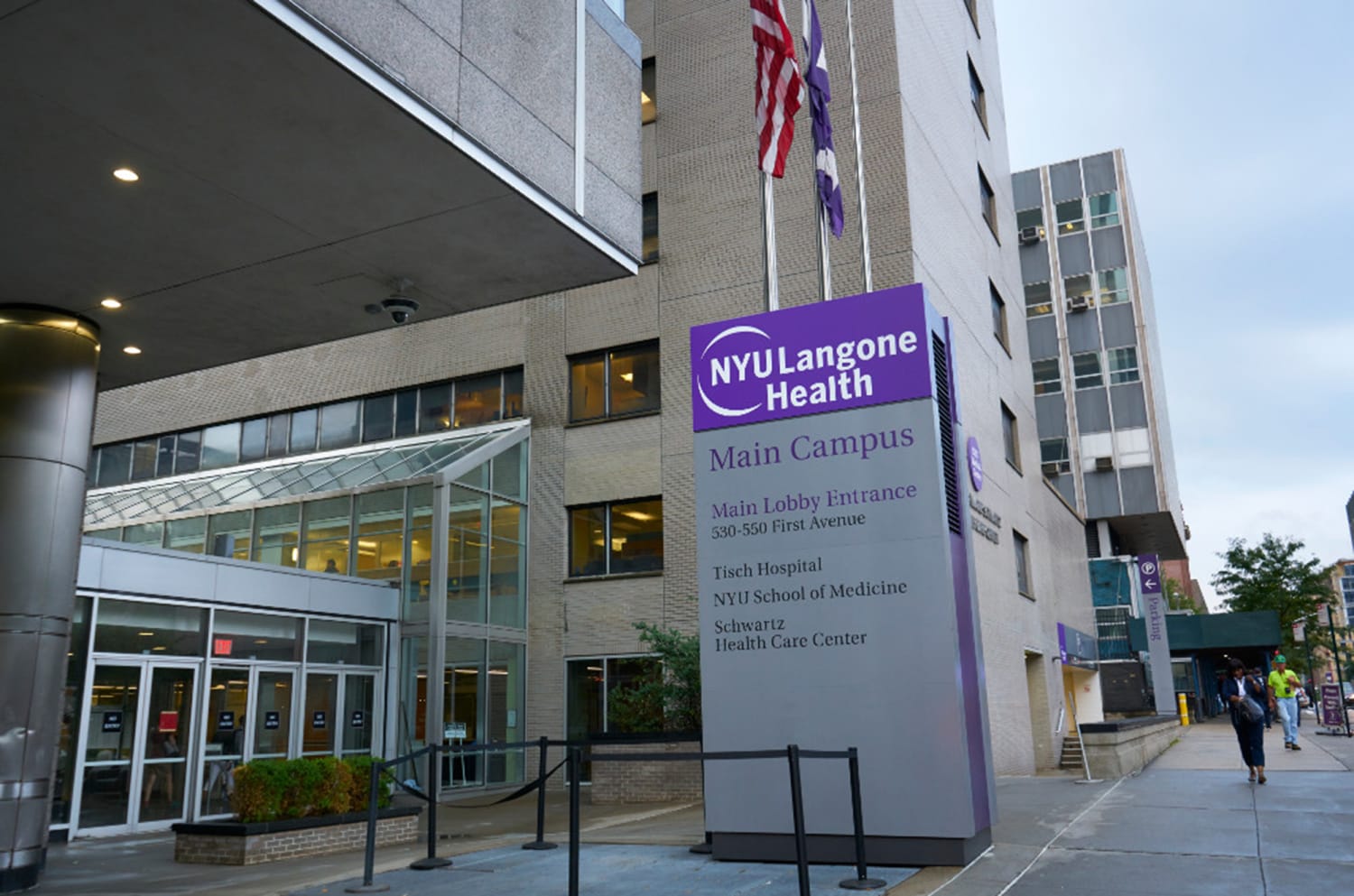
For doctors, nurses, administrative staff, and facility workers, NYU Langone Health is the "Employer of Record." When an employee is injured at any campus—including Tisch Hospital, the Kimmel Pavilion, NYU Langone Hospital—Brooklyn, or Long Island Community Hospital—the institution is responsible for providing workers' compensation insurance. This coverage is mandatory under New York law and pays for all "reasonable and necessary" medical care related to the injury, as well as a portion of lost wages if the employee cannot work.
2. NYU Langone as the Medical Provider
For the general public, NYU Langone is a destination for specialized treatment. Many injured workers in New York seek out NYU’s Department of Orthopedic Surgery or the Rusk Institute of Rehabilitation Medicine. In this capacity, NYU acts as the treating provider. They must be authorized by the NYS WCB to provide care, and they must follow the Board’s Medical Treatment Guidelines (MTGs) to ensure that the insurance carrier (the patient's employer's insurer) pays for the services.
Steps for NYU Langone Employees: Filing a Claim in 2026
If you are an employee of the NYU Langone Health system and sustain an injury or illness arising out of and in the course of your employment, specific protocols must be followed to protect your rights to benefits.
Immediate Reporting and Notification
Under New York State Law, you must notify your employer in writing within 30 days of the accident. However, NYU Langone policy typically requires immediate verbal notification to your direct supervisor. Failure to provide written notice within the statutory 30-day window can result in a permanent loss of benefits.
- Seek Medical Attention: For emergencies, go to the nearest Emergency Department. For non-emergencies, notify your supervisor and visit Occupational Health Services (OHS).
- File an Internal Incident Report: Use the internal NYU Langone reporting system (often a digital portal like WORM or a similar incident management tool) to document the time, location, and nature of the injury.
- The C-3 Form: You should file a Form C-3 (Employee’s Claim for Compensation) with the NYS Workers’ Compensation Board. This formally starts your legal claim.
The Role of Occupational Health Services (OHS)
OHS serves as the primary gateway for injured staff. They perform initial evaluations, determine "fitness for duty" status, and coordinate return-to-work programs. In 2026, OHS emphasizes "Transitional Duty" or "Light Duty" assignments to help employees reintegrate into the workplace safely while they continue their recovery.
Wage Replacement Benefits
If your injury results in a disability that prevents you from working for more than seven days, you are entitled to cash benefits. These are calculated as two-thirds of your average weekly wage (AWW) for the previous 52 weeks, multiplied by the percentage of your disability. As of 2026, these rates are subject to the maximum weekly benefit caps set annually by the NYS WCB.
Seeking Treatment at NYU Langone as an External Patient
If you are not an NYU employee but wish to receive treatment there for a work-related injury, the administrative requirements are different. NYU Langone’s specialists are highly sought after, but the "Workers' Comp" billing process is complex.
Verification of Authorization
Not every physician at a large academic medical center is authorized to treat workers' compensation patients. Before scheduling an appointment, you must verify that the specific specialist is coded by the NYS WCB. If a non-authorized doctor treats you, the insurance carrier is not legally obligated to pay the bill, and you might be held personally liable.
The Importance of the C-4 Report
When you see an NYU specialist, they must file a Form C-4 (Doctor’s Report) within 48 hours of the visit. This report is the lifeblood of your claim; it provides the medical evidence needed to prove that your injury is work-related (causal relationship) and documents your level of impairment.
Navigating the Rusk Institute for Rehabilitation
For severe injuries requiring long-term recovery, the Rusk Institute at NYU Langone is a primary destination. Workers' compensation carriers often scrutinize long-term rehab. Patients should ensure that their NYU care team is submitting "Prior Authorization Requests" (PARs) through the Board’s OnBoard system. This digital platform, fully matured by 2026, allows for real-time approvals of physical therapy, occupational therapy, and advanced diagnostic imaging like MRIs.
Comparative Overview: Internal Employee vs. External Patient
| Feature | NYU Langone Employee (Staff) | External Patient (General Public) |
|---|---|---|
| Primary Contact | NYU Occupational Health Services (OHS) | NYU Central Scheduling / Specific Dept. |
| Insurance Entity | NYU’s Workers' Comp Carrier/Self-Insured | Patient's Employer's Insurance Carrier |
| Initial Filing | Internal Incident Report + Form C-3 | Medical Report C-4 + Form C-3 |
| Treatment Location | OHS or NYU Authorized Providers | Any NYS WCB-Authorized NYU Provider |
| Return-to-Work | Managed via NYU HR and OHS | Managed by Patient's own Employer |
| Billing Responsibility | Handled internally via NYU's insurer | Handled by NYU Billing via Patient's carrier |
Legal Rights and "Medical Necessity" in 2026
In 2026, the NYS Workers’ Compensation Board utilizes the Medical Treatment Guidelines (MTGs) as the gold standard for care. Whether you are an employee or a patient, NYU providers must demonstrate that every treatment—from a simple cortisone shot to a complex spinal fusion—aligns with these guidelines.
Common Challenges in NYU Cases
- Independent Medical Examinations (IMEs): The insurance carrier may require you to see a doctor of their choosing. These doctors do not provide treatment; they provide an opinion on your degree of disability. NYU patients should be prepared for the carrier to use an IME report to attempt to reduce or stop benefits.
- Causal Relationship: The most frequent reason for claim denial is the "lack of causal relationship." This means the insurance company argues the injury didn't happen at work or was caused by a pre-existing condition. NYU’s detailed medical record-keeping is often the best defense against this claim.
- Schedule Loss of Use (SLU): If you suffer a permanent injury to an extremity (arm, leg, hand, finger), you may be entitled to a lump-sum payment known as an SLU award. NYU orthopedic surgeons are often called upon to provide the "Permanent Impairment" rating that determines this dollar amount.
Frequently Asked Questions
Can I choose my own doctor if I am an NYU Langone employee?
Yes. Under New York law, you have the right to choose any physician authorized by the Workers' Compensation Board. While NYU may encourage you to see their OHS clinicians for initial assessment and return-to-work coordination, they cannot legally force you to treat exclusively within the NYU system for your ongoing care, provided your chosen doctor is WCB-authorized.
How long do I have to file a claim?
There are two critical deadlines: you must notify your employer in writing within 30 days of the accident, and you must file a formal claim (Form C-3) with the Workers' Compensation Board within two years of the accident or the onset of an occupational disease.
What happens if NYU Langone denies my employee claim?
If your claim is "controverted" (denied), the case will go before a Workers' Compensation Law Judge. You will not receive wage replacement benefits during this time, though you may be eligible for Disability Benefits (DB) in the interim. It is highly recommended to seek legal counsel specializing in NYS workers' compensation if a claim is denied.
Does NYU Langone OHS handle long-term treatment?
Generally, no. Occupational Health Services (OHS) focuses on the initial diagnosis, immediate workplace safety, and determining when an employee is fit to return to their specific job duties. For long-term specialty care or surgery, employees are typically referred to specialists within the NYU Langone network or other authorized providers.
How does the "OnBoard" system affect my care at NYU in 2026?
The OnBoard system is the NYS WCB's web-based platform that handles all treatment requests. In 2026, this means that your NYU doctor can submit a request for a specific procedure and, in many cases, receive an automated approval or a response from the insurance carrier within days. This reduces the "wait time" that historically plagued workers' compensation cases.
Practical Recommendations for Navigating Your Claim
To ensure a smooth process with NYU Medical Center workers' compensation matters, follow these actionable steps:
- Document Everything: Keep a personal log of who you spoke with at OHS, the names of your supervisors notified, and the dates of every medical appointment.
- Verify WCB Authorization: If you are an external patient, explicitly ask the NYU department: "Is this specific provider authorized by the New York State Workers' Compensation Board to treat work-related injuries?"
- Secure the "Blue Card": Once your claim is established, you will receive a carrier case number and a WCB case number. Carry these with you to every NYU appointment to ensure billing is routed to the insurance carrier and not your personal health insurance.
- Monitor Your Medical Records: Ensure that your NYU physician is documenting your "Work Status" at every visit (e.g., "Totally Disabled," "Partially Disabled," or "Fit for Duty"). This documentation is what triggers your weekly benefit checks.
For further information on rights and forms, visit the official New York State Workers' Compensation Board website.
Image Gallery