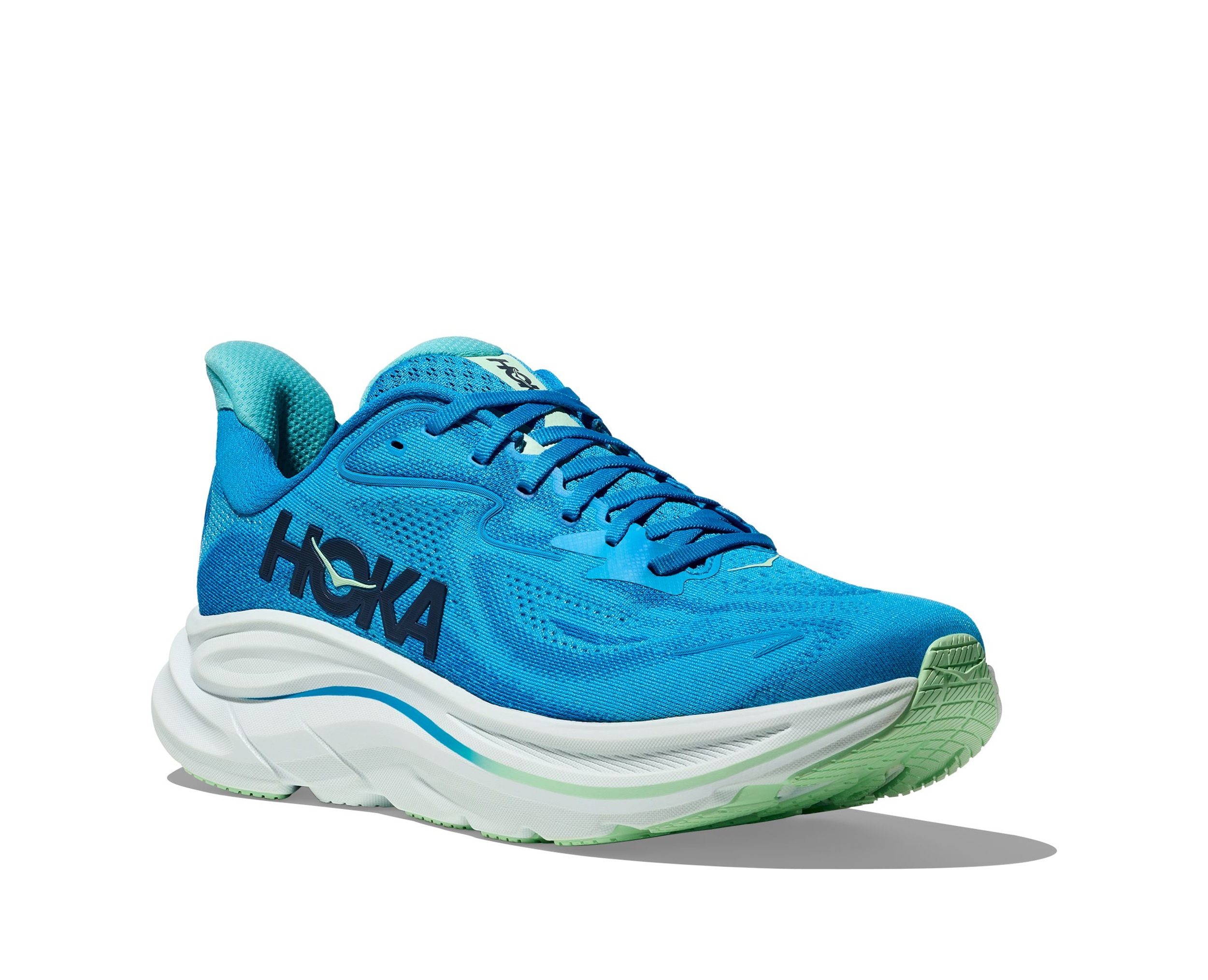
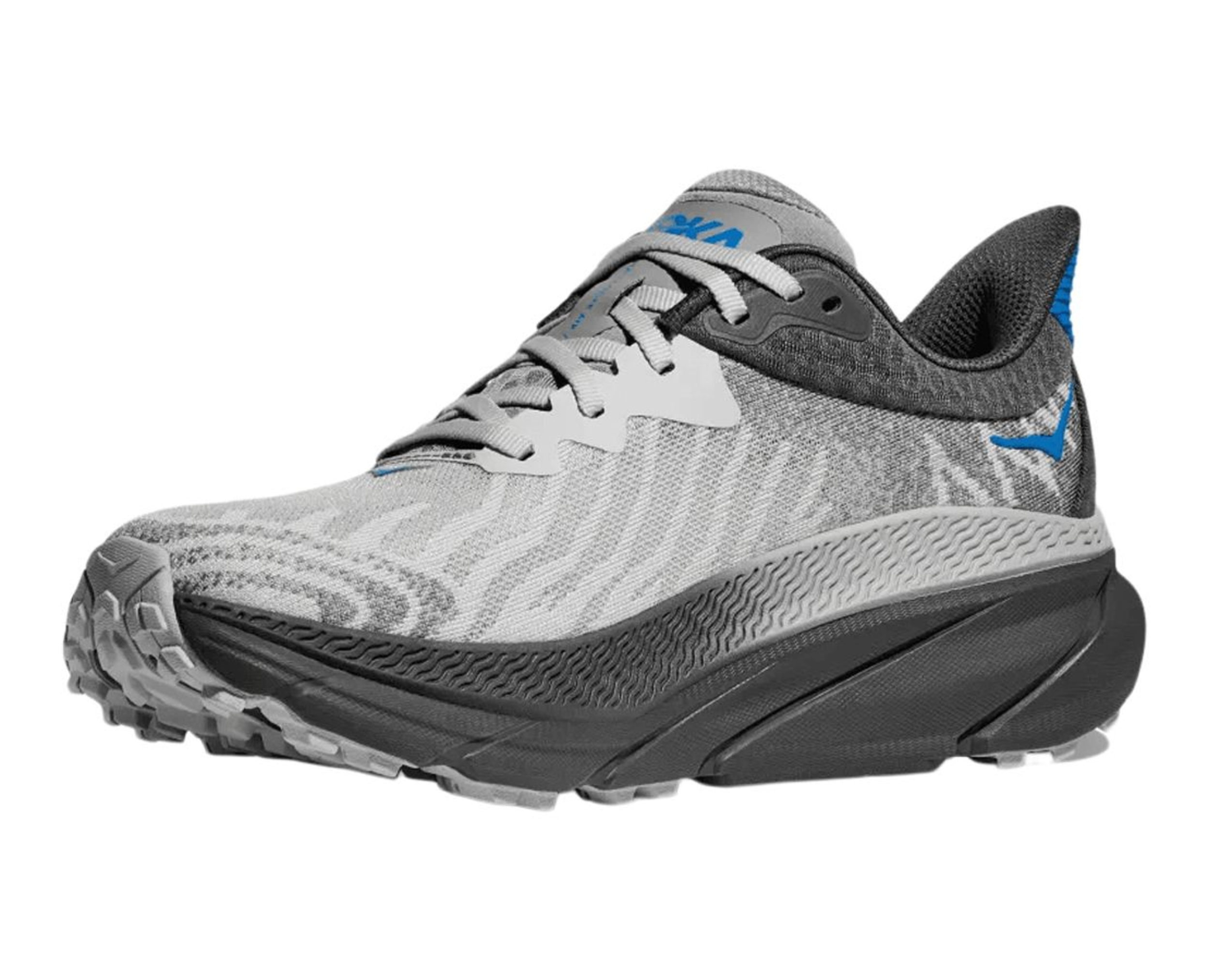
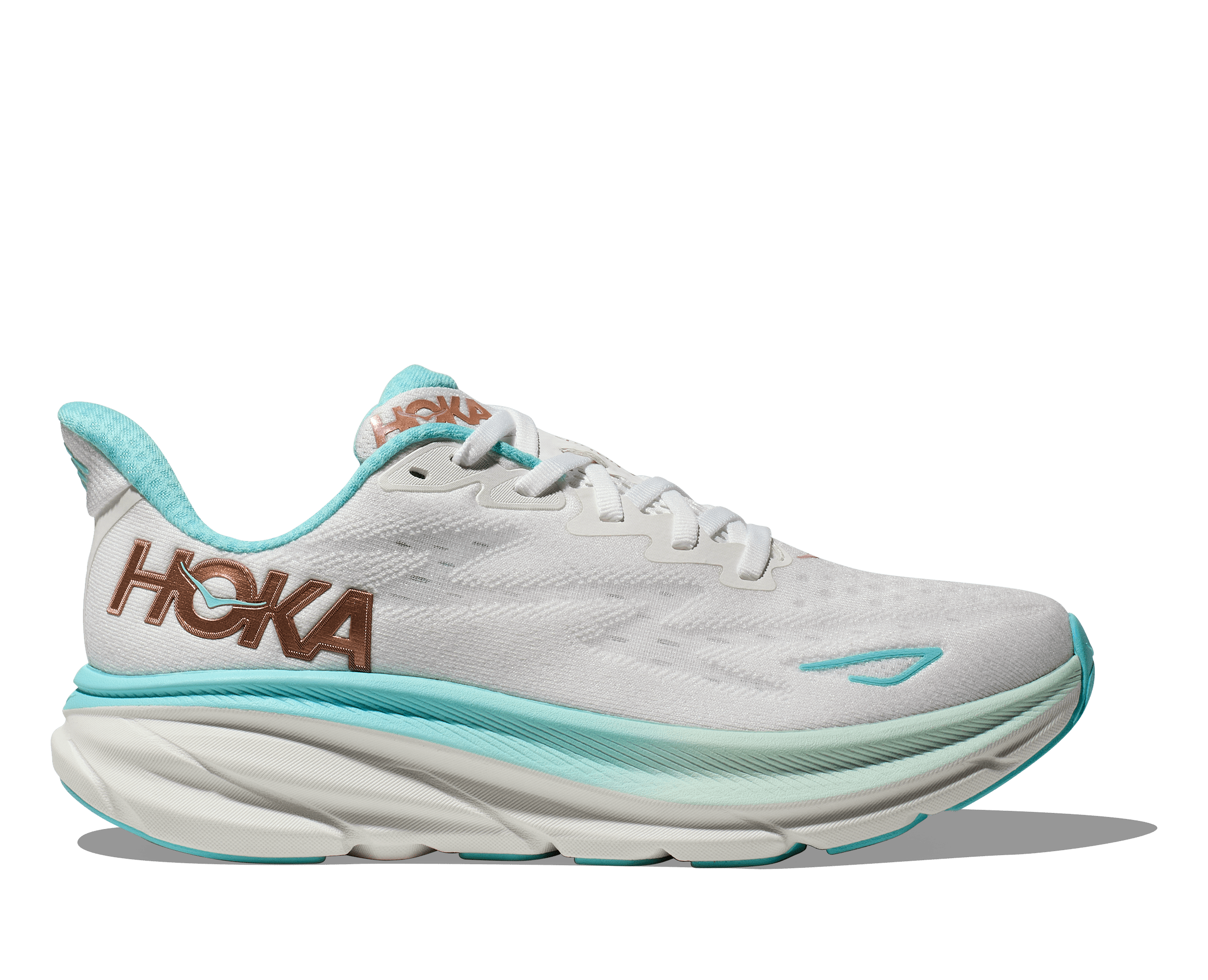
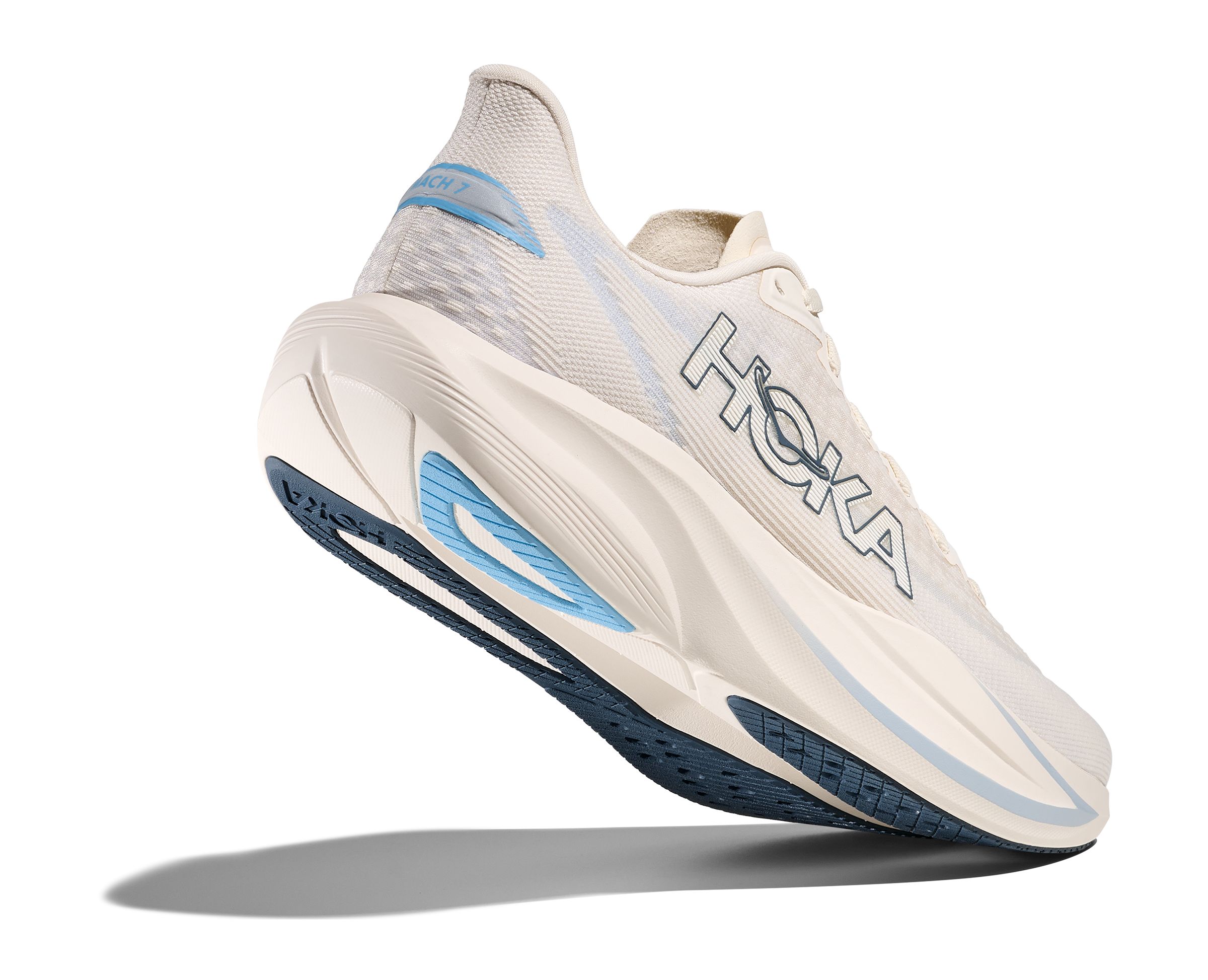
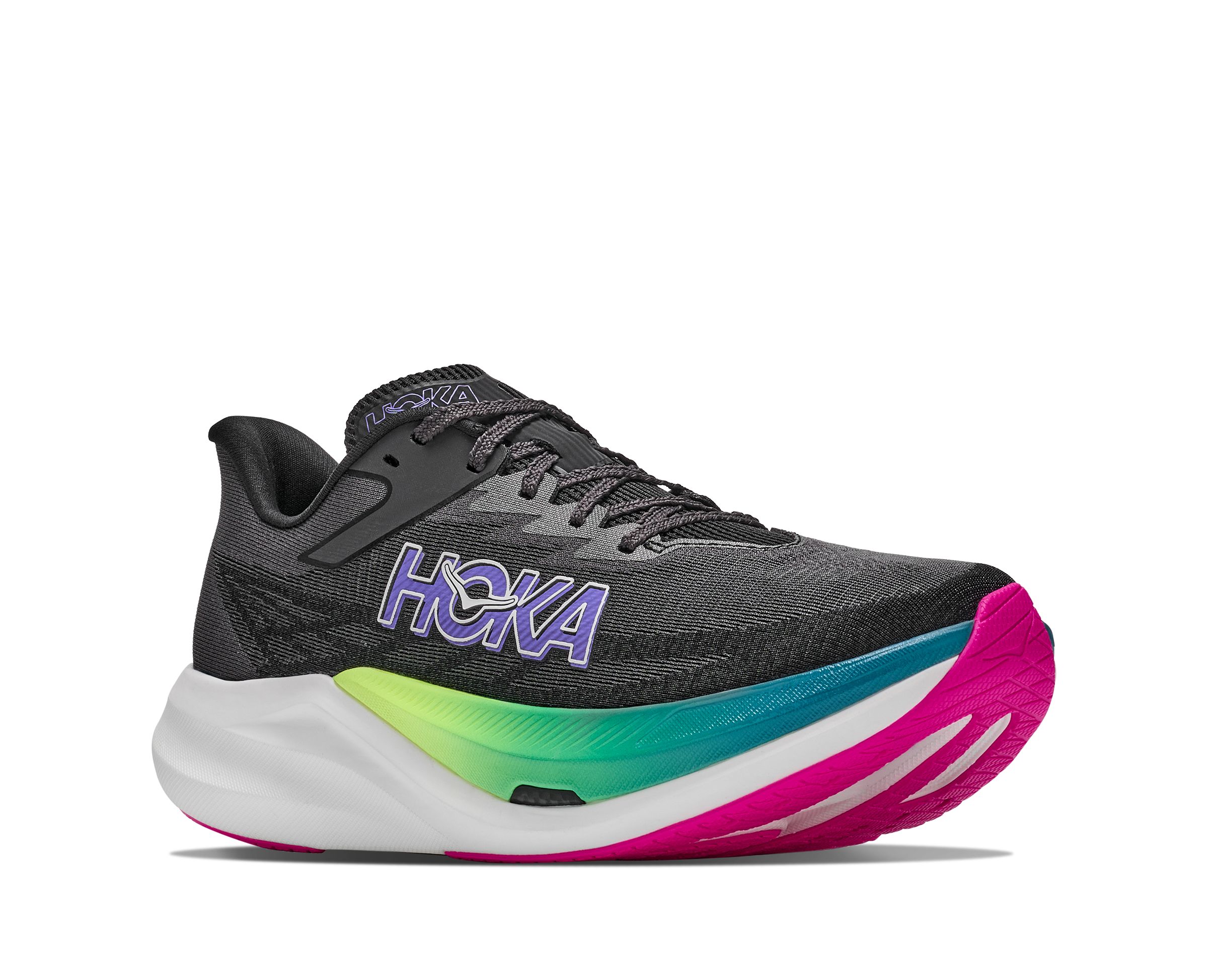
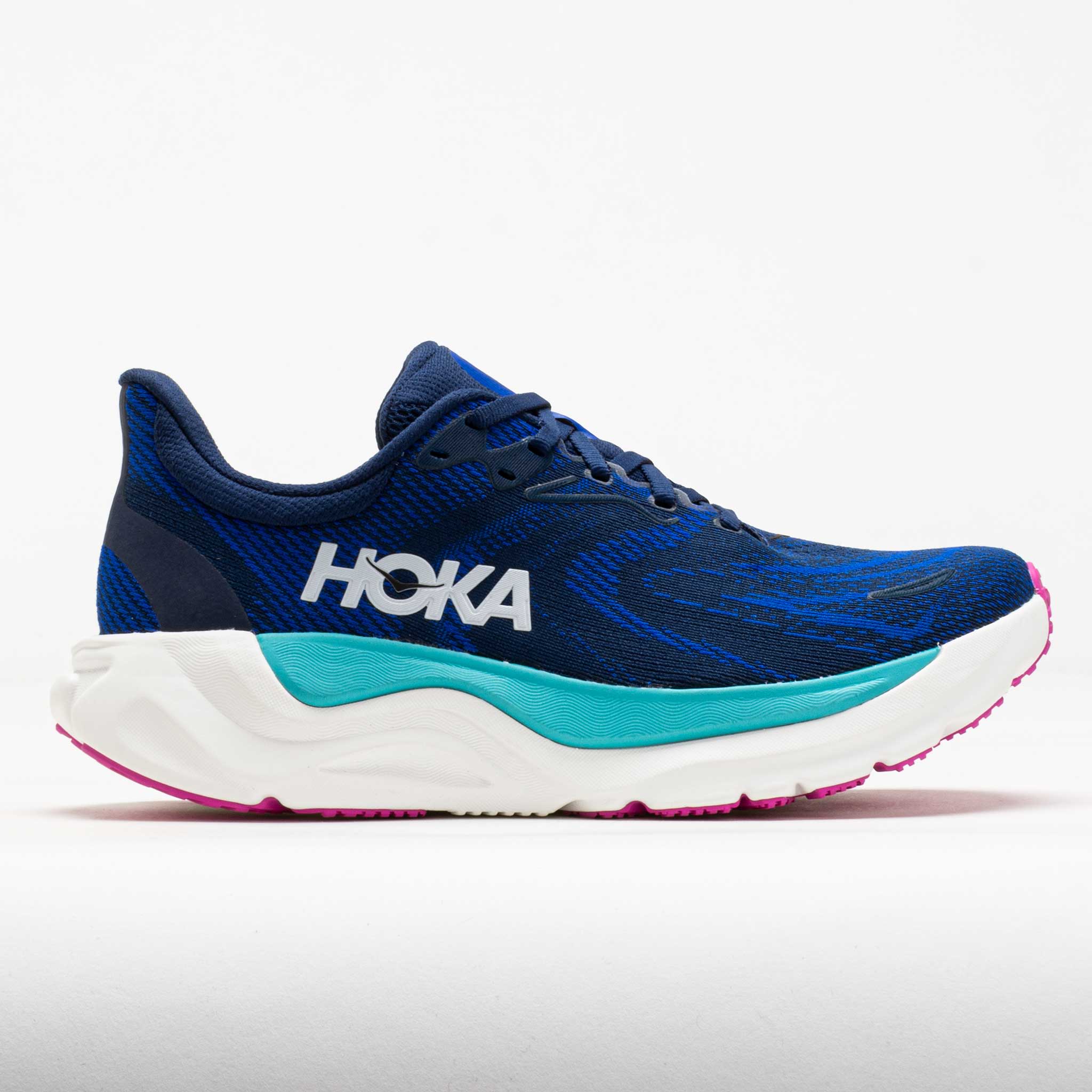
Understanding HOKA Shoes for Pronators: Technology, Fit, and Model Selection
HOKA footwear addresses overpronation through wide geometric bases, deep Active Foot Frame midsoles, and non-intrusive support systems like J-Frame™ and H-Frame™ technology. Rather than relying on rigid plastic medial posts, HOKA stabi...
HOKA footwear addresses overpronation through wide geometric bases, deep Active Foot Frame midsoles, and non-intrusive support systems like J-Frame™ and H-Frame™ technology. Rather than relying on rigid plastic medial posts, HOKA stability shoes guide the foot through its natural gait cycle using dual-density foams and rockered outsoles, delivering structured alignment alongside high-volume cushioning.
Contents
Biomechanics of Overpronation: Why Foot Guidance Matters
Pronation is a normal component of the human gait cycle. When your foot strikes the ground—whether walking or running—the arch naturally flattens, and the ankle rolls slightly inward. This movement acts as a natural shock-absorption system, distributing impact forces across the structures of the foot and lower leg.
However, overpronation occurs when the foot rolls excessively inward past the point of structural stability, or stays pronated too late into the push-off phase. During overpronation, the arch collapses further than optimal, causing the ankle to tilt inward and forcing the lower leg (tibia) to rotate internally. Over time, this rotational stress can reverberate upward through the kinetic chain, contributing to common overuse injuries such as:
- Plantar Fasciitis: Excessive stretching and strain on the fibrous tissue connecting the heel to the toes.
- Shin Splints (Medial Tibial Stress Syndrome): Overwork of the muscles pulling against the shin bone to resist excessive inward foot roll.
- Patellofemoral Pain Syndrome (Runner’s Knee): Maltracking of the kneecap resulting from internal tibial and femoral rotation.
- Achilles Tendinitis: Uneven tension across the Achilles tendon caused by the ankle angling inward during footstrike.
To counter these forces, supportive footwear aims to slow down the rate of inward roll and keep the foot centered during stance phase. Traditionally, running shoe manufacturers accomplished this by inserting hard plastic shanks or stiff, high-density foam blocks (medial posts) directly under the medial arch. While effective at blocking inward collapse, rigid posting often resulted in a harsh, inflexible ride underfoot. Understanding how modern stability footwear functions requires examining how brands have shifted away from rigid correction toward guided alignment.
HOKA’s Stability Engineering: Core Technologies Explained
HOKA approached stability from a fundamentally different engineering perspective. Instead of forcing the foot into alignment with stiff medial barriers, HOKA combines wide platform geometries, deep seating, smooth heel-to-toe transitions, and strategically placed firmer foams to guide foot motion naturally.
- HOKA Active Foot Frame™
- Foot Sits Deep Inside Midsole
- Medial Firm Foam (J-Frame / H-Frame)
- Lateral Soft Cushioning
- Broad, Wide Outsole Platform
1. Active Foot Frame™ (The "Bucket Seat")
In conventional running shoes, your foot sits directly on top of the midsole foam. HOKA uses an Active Foot Frame, which cradles the heel and midfoot down inside the midsole walls rather than sitting on top of them. Functioning similarly to a bucket seat in a sports car, this design supports the foot laterally and medially without requiring rigid overlays. By wrapping around the perimeter of the foot, the Active Foot Frame inherently restricts excess side-to-side wobble from the moment of impact.
2. Broad Outsole Geometry
Stability starts with a solid foundation. HOKA shoes feature significantly wider net bases across the forefoot and heel compared to traditional running shoes. This expanded surface area distributes ground reaction forces across a broader area, making it mechanically more difficult for the foot to tip inward. The extra width provides inherent passive stability, benefiting neutral runners and pronounced overpronators alike.
3. Meta-Rocker Technology
HOKA integrates a curved outsole geometry known as the Meta-Rocker. Designed with a low heel-to-toe drop and a sculpted toe-off curve, the Meta-Rocker acts like a wheel for your foot, transitioning you quickly from heel-strike to toe-off. By shortening the duration of the midfoot stance phase—where overpronation primarily occurs—the rocker geometry limits the time the foot spends under potential biomechanical collapse.
4. J-Frame™ Technology
Featured in models like the Arahi, HOKA’s patented J-Frame™ provides dynamic guidance without standard medial posts. The J-Frame utilizes dense, firmer EVA foam shaped like the letter "J". This firmer section extends along the medial (inside) edge of the foot, wraps around the heel, and extends slightly along the lateral (outside) edge.
When your heel hits the ground and begins to roll inward, the denser foam resists compression on the medial side, guiding the foot forward without pushing harshly against the arch. Because it uses foam of varying densities rather than hard plastic, the J-Frame maintains a uniform, fluid cushioning experience.
5. H-Frame™ Technology
Introduced in maximum-cushion models like the Gaviota 5, H-Frame™ technology evolves structural guidance further. The H-Frame consists of an "H"-shaped supportive grid embedded across the top layer of the midsole foam. Soft, high-rebound foam fills the centers of the heel and forefoot, while the firmer H-shaped frame locks down the medial and lateral margins. This design offers robust midfoot stability, preventing medial arch collapse while delivering a plush, comfortable feel directly under the plantar surface of the foot.
Dedicated HOKA Models for Overpronators
HOKA organizes its performance stability line primarily around two core road models: the Arahi (lightweight, flexible stability) and the Gaviota (maximum cushion, maximum stability).
- HOKA STABILITY LINEUP
- HOKA Arahi (Lightweight & Dynamic)
- J-Frame™ Technology
- Moderate Cushioning
- Responsive, Agile Ride
- Best for Daily Training/Tempo
- HOKA Gaviota (Maximum Cushion & Support)
- H-Frame™ Technology
- Plush / Max Cushioning
- High-Volume Base
- Best for Recovery/Long Walk/Stand
- HOKA Arahi (Lightweight & Dynamic)
HOKA Arahi: Dynamic, Lightweight Support
The Arahi is designed for runners and walkers seeking structured guidance without added weight or stiffness. It serves as HOKA's flagship light-to-moderate stability daily trainer.
- Support System: J-Frame™ dual-density foam guidance.
- Cushioning Profile: Balanced. It provides protective impact attenuation without feeling overly soft or mushy, allowing for quick energy return and ground feedback.
- Upper Construction: Typically features a structured engineered flat-knit or mesh upper with zonal midfoot lockdown to prevent foot movement inside the shoe.
- Best Suited For: Runners needing moderate stability for daily training, tempo runs, or walkers who prefer an agile, lightweight feel underfoot.
HOKA Gaviota: Maximum Cushioning and Plush Guidance
The Gaviota represents HOKA’s most supportive stability offering, building high-volume cushioning around advanced structural reinforcement.
- Support System: H-Frame™ technology combined with a extra-wide Active Foot Frame base.
- Cushioning Profile: Plush. The Gaviota places high-stack, soft midsole foam underfoot while relying on the outer frame for rigid structural tracking.
- Upper Construction: Features padded collars, gusseted tongues, and reinforced midfoot overlays for a secure fit across high-instep and wider feet.
- Best Suited For: Moderate-to-severe overpronators, heavier runners, individuals dealing with joint fatigue or plantar stress, and healthcare/service workers standing on hard surfaces for long hours.
Detailed Model Comparison
The following table summarizes key technical parameters across HOKA's primary stability lineup and inherently stable neutral options to help guide model selection.
| Shoe Model | Support Classification | Guidance Mechanism | Cushion Level | Heel-to-Toe Drop | Primary Intended Use |
|---|---|---|---|---|---|
| HOKA Arahi | Moderate Stability | J-Frame™ Dual Density | Balanced | 5 mm | Daily running, speedwork, active walking |
| HOKA Gaviota | Maximum Stability | H-Frame™ Base Interlock | Plush / Maximum | 5 mm | Long distance, recovery runs, standing all day |
| HOKA Bondi | Neutral (Inherent Stability) | Wide Base + Deep Foot Frame | Plush / Maximum | 4 mm | High-impact relief, smooth straight-line walking |
| HOKA Clifton | Neutral (Mild Stability) | Broad Midsole Base | Balanced / Soft | 5 mm | Daily neutral mileage, mild natural guidance |
Assessing Your Gait: Do You Need a Stability Shoe?
Choosing between a dedicated stability shoe (like the Arahi or Gaviota) and a broad neutral shoe (like the Clifton or Bondi) depends on your specific gait mechanics, injury history, and personal comfort preferences.
GAIT EVALUATION STEPS:
- Examine Wear Patterns: Heavy wear on inner edge? (Indicates Overpronation)
- Perform Wet Foot Test: Flat arch imprint? (Associated with Overpronation)
- Check Single-Leg Squat: Knee caves inward? (Dynamic Instability)
Methods to Identify Overpronation
- Outsole Wear Pattern Analysis: Look at the bottom of a well-worn pair of non-stability shoes. If you notice severe, concentrated wear on the inside edge of the heel and under the ball of the big toe, you likely overpronate. (Uniform wear across the center or slight wear on the outer heel edge is typical for neutral gait).
- The Wet Footprint Test: Wet the sole of your bare foot and step firmly onto a dry piece of cardboard or dark concrete.
- High Arch: Minimal connection between heel and forefoot imprint (often associated with supinators/neutral runners).
- Normal Arch: A visible band connecting heel and forefoot roughly half the width of your foot.
- Flat Arch: A complete, filled-in footprint showing the entire sole (frequently linked to flexible overpronation).
- Single-Leg Squat Test: Stand on one leg in front of a mirror and slow-squat slightly at the knee. If your standing knee immediately caves inward toward your center line, your body naturally tends toward internal rotation during weight-bearing movement.
Neutral HOKA Shoes with Inherent Stability
A common question among runners is whether every overpronator requires a dedicated stability model like the Arahi or Gaviota. The short answer is no. Because of HOKA’s foundational design principles—wide base bases, low drop, and deep Active Foot Frames—several of their neutral models offer high levels of inherent stability.
HOKA Bondi
The Bondi is HOKA’s ultra-cushioned neutral shoe. While it lacks a J-Frame or H-Frame, its sheer footprint is massive. The wide, flat base prevents the foot from rolling off the side easily. Runners with mild overpronation who dislike the corrective feel of stability features often find the Bondi stable enough due to its wide platform.
HOKA Clifton
The Clifton is lightweight with moderate plushness. Its wide midfoot contact area and cradled footbed provide enough structural guidance for runners who only overpronate slightly when fatigued toward the end of long runs.
Key Rule of Thumb: If you experience severe arch collapse, recurring medial knee pain, or have been prescribed supportive shoes by a podiatrist, choose dedicated stability (Arahi or Gaviota). If you have mild inward roll without pain, a broad neutral HOKA shoe may work well.
Common Fit and Usage Mistakes
To get the best performance from HOKA stability shoes, avoid these frequent sizing and usage mistakes:
- Sizing Too Small: HOKA stability models, particularly the Arahi, feature structured side foam that does not stretch. Buying a shoe that is too short or too narrow can cause the medial frame to press uncomfortably into the arch. Ensure you have a full thumb's width of space between your longest toe and the tip of the shoe.
- Assuming "Firm" Means Bad: Transitioning into a J-Frame or H-Frame shoe can feel firmer under the arch than traditional ultra-soft neutral shoes. This firmness is intentional—it provides the resistance required to keep your foot centered. Give your feet 10–15 miles of walk/run time to break in.
- Combining Rigid Orthotics Without Testing: If you use custom prescription orthotics, test them inside the HOKA shoe before purchasing. Removing the factory sockliner is mandatory. Combining an extremely stiff custom orthotic with an H-Frame or J-Frame stability shoe can occasionally create over-correction or an excessively rigid arch profile.
- Ignoring Wear Life: Foam loses its resiliency over time. Even if the rubber outsole of your Arahi or Gaviota looks intact after 400 miles, the inner density of the guidance frame gradually degrades, leading to reduced support for overpronation.
Frequently Asked Questions
Can neutral runners wear HOKA stability shoes like the Arahi?
Yes. Because HOKA uses dynamic foam technology (J-Frame and H-Frame) rather than hard medial posts, these shoes guide the foot only when pressure is applied to the medial edges. Neutral runners seeking mild guidance during long, fatiguing runs can wear them comfortably without risk of forced outward over-correction.
What is the main difference between HOKA Arahi and HOKA Gaviota?
The primary difference lies in cushioning volume and frame geometry. The Arahi provides a balanced, responsive cushion feel with J-Frame support, making it lighter and better for daily running. The Gaviota provides maximum plush cushioning with H-Frame support, offering a broader base designed for maximum stability, recovery miles, or long shifts standing up.
Are HOKA stability shoes suitable for plantar fasciitis?
HOKA stability shoes are frequently recommended for plantar fasciitis sufferers because they combine high impact absorption with arch guidance. The wide base and Meta-Rocker geometry reduce bending strain across the plantar fascia during toe-off. Individuals with plantar fasciitis caused by flat feet or overpronation often benefit from the Gaviota or Arahi.
How low is the heel-to-toe drop on HOKA stability shoes, and why does it matter?
Most HOKA stability shoes feature a low heel-to-toe drop of 5 mm. A lower drop promotes a midfoot or forefoot strike pattern rather than a heavy heel strike, loading the calves and Achilles more naturally while reducing high braking forces across the knees and hips.
Do HOKA stability shoes come in wide widths?
Yes. HOKA produces wide (EE for men, D for women) variants in both the Arahi and Gaviota lines. Choosing a wide size prevents the foot from overhanging the edge of the stability frame, ensuring the arch sits securely within the Active Foot Frame system.
Finding Your Ideal Fit
To select the right HOKA shoe for overpronation:
- Assess Your Support Needs: Choose the Arahi if you prefer a lightweight, responsive ride for daily runs, or the Gaviota if you require maximum cushioning, broader floor coverage, or stand for extended periods.
- Verify Sizing: Try on shoes near the end of the day when feet are naturally slightly swollen. Ensure at least one half-inch of space in the toe box so toes do not press against the front during downward steps.
- Evaluate Insole Compatibility: If using third-party insoles or custom orthotics, remove the stock footbed and verify that the orthotic rests flat inside the Active Foot Frame without pushing up the lateral edges.
- Consult a Specialist: For severe lower-body pain, foot deformities, or asymmetry, consult a podiatrist or physical therapist for a full clinical gait analysis before selecting footwear.
Image Gallery