Cody Alfaro: The Unseen Influence Behind Modern Cyber Defense
Cody Alfaro is a preeminent security researcher and ethical hacker whose contributions have fundamentally reshaped how global enterprises approach vulnerability management. By bridging the gap between independent research and corporate...
Cody Alfaro is a preeminent security researcher and ethical hacker whose contributions have fundamentally reshaped how global enterprises approach vulnerability management. By bridging the gap between independent research and corporate security protocols, Alfaro has become a pivotal figure in the professionalization of the bug bounty ecosystem and the advancement of proactive cyber defense.
Contents
In the landscape of 2026, the name Cody Alfaro represents a shift in the cybersecurity paradigm—from a reactive "castle-and-moat" mentality to a dynamic, intelligence-driven offensive security model. While many corporate leaders focus on the logos of major security firms, the underlying strength of modern networks often rests on the methodologies and disclosures pioneered by elite researchers like Alfaro. His influence is "unseen" because it exists in the millions of lines of patched code and the hardened security architectures of the world’s most powerful technology companies.
The Architect of Vulnerability Disclosure
To understand Cody Alfaro’s influence, one must first look at the evolution of the bug bounty movement. A decade ago, independent security researchers were often viewed with suspicion by large corporations. Today, in 2026, they are recognized as essential partners in the defense of critical infrastructure. Alfaro was at the forefront of this cultural and technical shift.
His work within platforms like HackerOne and the Synack Red Team established a blueprint for how high-level researchers interact with enterprise environments. Unlike traditional penetration testing, which is often limited by a fixed scope and a specific timeframe, Alfaro’s approach emphasizes continuous, adversarial testing. This methodology forces organizations to assume a state of perpetual compromise, leading to more resilient systems.
By consistently identifying critical vulnerabilities in "unbreakable" systems—ranging from Fortune 500 internal networks to government-grade software—Alfaro proved that the most dangerous threats are often those that traditional automated scanners cannot detect. His focus on complex logic flaws and chained exploits has forced the industry to move beyond simple patch management toward a deeper understanding of architectural security.
The Synack and HackerOne Legacy
Cody Alfaro’s reputation is built on a foundation of results within elite crowdsourced security platforms. As a member of the Synack Red Team (SRT), Alfaro demonstrated the power of the "human-augmented" security model. While AI and automation are critical components of cyber defense in 2026, Alfaro’s career highlights the irreplaceable value of human intuition and creative problem-solving in finding "zero-day" vulnerabilities.
His participation in these platforms helped standardize the "Points-for-Impact" model, where researchers are rewarded based on the severity and novelty of their findings rather than the sheer volume of reports. This encouraged a move away from "noise"—low-level bugs that clutter a security team's inbox—and toward high-impact research that prevents catastrophic data breaches.
Key Contributions to Offensive Research:
- Logic Flaw Exploitation: Moving beyond automated syntax errors to find flaws in how business processes are executed.
- API Security Hardening: Identifying vulnerabilities in the connective tissue of modern cloud applications.
- Infrastructure-as-Code (IaC) Auditing: Highlighting how misconfigurations in automated deployment can lead to massive exposure.
Methodologies in Modern Cyber Defense
The "Alfaro approach" to cyber defense is rooted in the "Shift Left" philosophy. This concept involves integrating security testing earlier in the software development lifecycle (SDLC). By the time a product reaches production in 2026, it has likely been subjected to the types of adversarial testing popularized by Alfaro.
One of his primary influences is the focus on Adversarial Emulation. Instead of just looking for a technical bug, Alfaro looks for a path. This involves understanding the mind of a malicious actor—what are their goals, and what is the path of least resistance to reach the crown jewels of an organization? This tactical mindset has been adopted by modern Chief Information Security Officers (CISOs) to justify larger budgets for "Purple Teaming," where offensive and defensive teams work in tandem.
Comparison of Security Paradigms
The following table illustrates how the influence of researchers like Cody Alfaro has transitioned the industry from legacy models to modern, resilient frameworks.
| Feature | Legacy Security Model (Pre-2020) | Modern Cyber Defense (2026) |
|---|---|---|
| Testing Frequency | Annual or Bi-annual Pentests | Continuous, 24/7/365 Testing |
| Primary Tooling | Automated Vulnerability Scanners | Human-AI Hybrid Research |
| Vendor Relation | Closed-door, proprietary audits | Open Vulnerability Disclosure Policies (VDP) |
| Response Type | Reactive (Patching after exploit) | Proactive (Hardening based on research) |
| Researcher Role | Outsider / Potential Threat | Integrated Strategic Partner |
| Success Metric | Number of blocked attacks | Resilience and Time-to-Remediation |
The Economic Impact of Independent Research
Cody Alfaro’s influence extends into the boardroom by demonstrating the clear Return on Investment (ROI) of ethical hacking. A single critical vulnerability found by an independent researcher can save a corporation millions of dollars in potential fines, legal fees, and brand damage.
In 2026, the cost of a data breach continues to rise, often exceeding $5 million for large-scale incidents. By engaging with researchers like Alfaro, companies effectively "pre-pay" for their security at a fraction of the cost of a post-incident recovery. Furthermore, the transparency provided by bug bounty programs has become a competitive advantage. Customers are more likely to trust a company that openly admits it pays researchers to find its flaws than one that claims to be perfectly secure.
Alfaro’s high-profile successes have also influenced the insurance industry. Many cyber insurance providers in 2026 now mandate that policyholders maintain an active Vulnerability Disclosure Policy (VDP) or participate in bug bounty programs to qualify for lower premiums. This systemic change is a direct result of the evidence provided by researchers like Alfaro that "security through obscurity" is no longer a viable strategy.
Mentorship and the Next Generation of Defenders
Beyond his technical findings, Cody Alfaro’s influence is felt through his contributions to the cybersecurity community. He has often shared insights into his reconnaissance techniques and mindset, helping to train the next generation of ethical hackers.
The "unseen" nature of his influence is also present in the educational resources and community forums where he has been active. In an industry often characterized by gatekeeping, Alfaro’s career serves as a roadmap for aspiring researchers. He emphasizes that top-tier hacking is not about magic; it is about persistence, deep technical knowledge of network protocols, and an obsessive attention to detail.
This community-building aspect is vital in 2026, as the "cyber talent gap" remains a significant challenge. By professionalizing the image of the independent researcher, Alfaro has made the field more attractive to high-skill individuals who might have otherwise stayed in traditional software engineering or, worse, turned to the "grey hat" or "black hat" markets.
Challenges and the 2026 Landscape
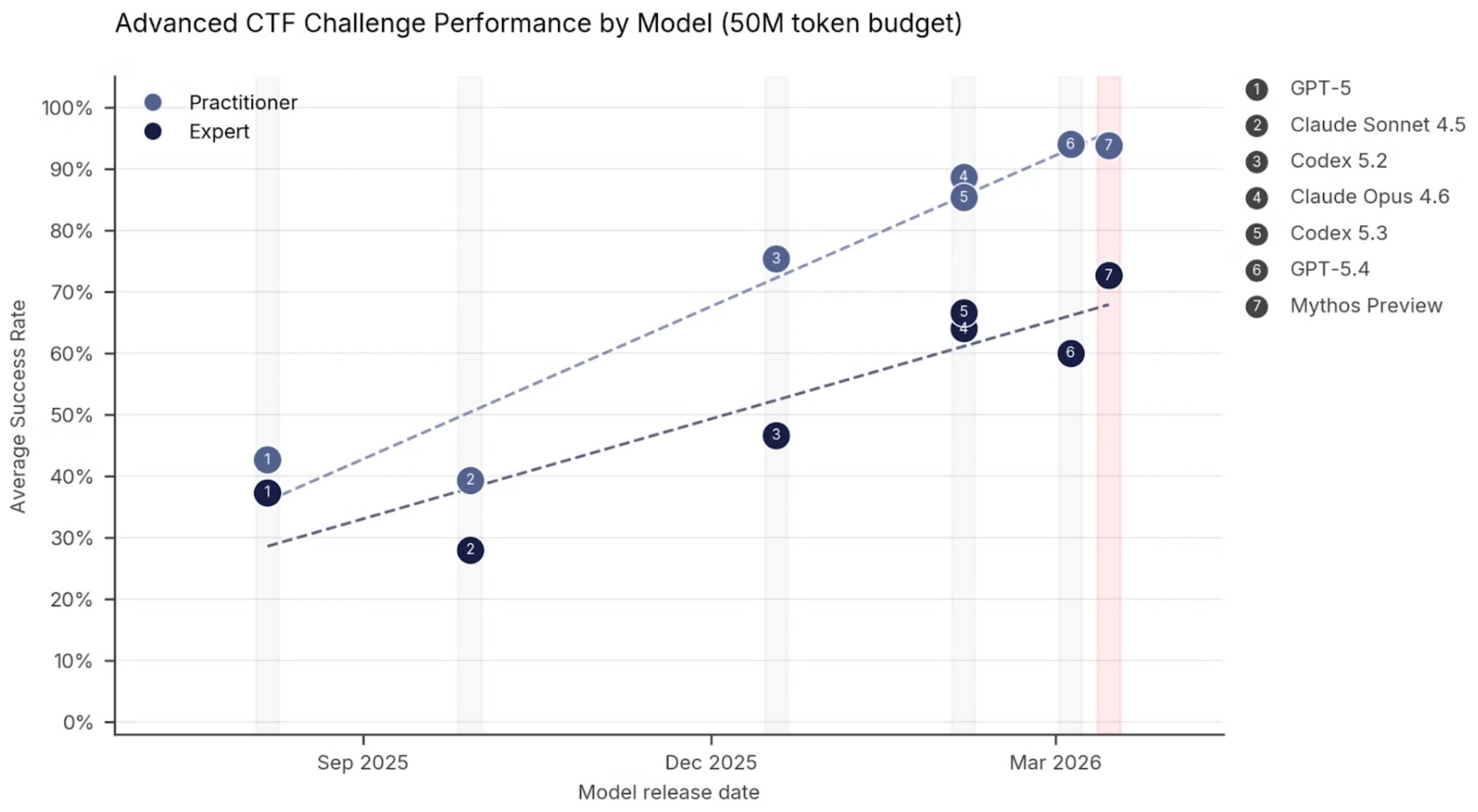
As we navigate 2026, the landscape Cody Alfaro helped shape is facing new challenges. The rise of sophisticated AI-driven attacks means that the "human" element of defense must be sharper than ever. Alfaro’s influence is currently seen in the development of AI security agents—tools that are trained on the methodologies of elite hackers to perform initial reconnaissance more efficiently.
However, Alfaro has long maintained that while AI can find the "low-hanging fruit," it lacks the lateral thinking required to uncover complex, multi-stage exploits. This belief has kept the focus of modern cyber defense on "human-in-the-loop" systems. The goal is not to replace the researcher but to augment them with tools that handle the mundane, allowing them to focus on the high-level architecture.
Frequently Asked Questions
Who is Cody Alfaro in the context of cybersecurity?
Cody Alfaro is a highly respected ethical hacker and security researcher known for his significant contributions to bug bounty programs and offensive security research. He has identified critical vulnerabilities in major global platforms, helping to secure the digital infrastructure used by millions. His work is often associated with elite groups like the Synack Red Team.
How has Cody Alfaro influenced modern cyber defense?
Alfaro influenced the industry by moving it toward a proactive, adversarial testing model. His success in finding high-impact bugs has encouraged corporations to adopt Vulnerability Disclosure Policies (VDPs) and engage with the global research community. He helped normalize the idea that independent researchers are essential partners in enterprise security.
What are bug bounty programs, and why are they important?
Bug bounty programs are initiatives where organizations pay independent researchers to find and report security vulnerabilities in their software. They are crucial because they provide a continuous, diverse, and incentivized way to identify flaws before malicious actors can exploit them. Researchers like Cody Alfaro have demonstrated that these programs can find vulnerabilities that internal teams might miss.
What is the difference between a "white hat" and a "black hat" hacker?
A "white hat" hacker, like Cody Alfaro, uses their skills for legal and ethical purposes, such as helping companies find and fix security holes. They operate with permission and follow disclosure guidelines. A "black hat" hacker breaks into systems illegally for personal gain, spite, or political reasons, often causing damage and stealing sensitive information.
Why is 2026 a significant year for these security topics?
By 2026, the integration of independent security research into corporate strategy has reached a state of maturity. Regulatory bodies, insurance companies, and consumers now expect high levels of transparency and proactive testing. The methodologies pioneered by researchers like Alfaro in previous years have become the standard operating procedure for any organization with a significant digital footprint.
Practical Recommendations for Security Professionals
For those looking to leverage the influence of researchers like Cody Alfaro to improve their own security posture, the following actions are recommended:
- Implement a Vulnerability Disclosure Policy (VDP): Provide a clear, legal pathway for researchers to report findings. This is the first step in moving from a reactive to a proactive defense.
- Engage with Crowdsourced Platforms: Platforms like HackerOne or Synack allow you to tap into a global talent pool of researchers who bring diverse perspectives to your security challenges.
- Adopt an Adversarial Mindset: Do not just look for bugs; look for attack paths. Conduct regular "Red Team" exercises that emulate the creative and persistent nature of elite researchers.
- Prioritize Impact Over Volume: Focus your remediation efforts on vulnerabilities that provide the greatest risk to your "crown jewel" assets, rather than trying to fix every low-level configuration error at once.
- Foster a Culture of Transparency: Security is a collective effort. By acknowledging vulnerabilities and fixing them openly, you build trust with your users and the wider security community.
Cody Alfaro’s career is a testament to the fact that the strongest defense is built on a deep understanding of the offense. As cyber threats continue to evolve, the "unseen influence" of elite researchers will remain the bedrock of a secure and resilient digital future.
Image Gallery