How E-Invoicing Solutions Transform Billing and Financial Operations
E-invoicing solutions transform billing by replacing traditional paper and PDF invoicing workflows with structured, machine-readable digital data that can be transmitted, received, and processed automatically between trading partners a...
E-invoicing solutions transform billing by replacing traditional paper and PDF invoicing workflows with structured, machine-readable digital data that can be transmitted, received, and processed automatically between trading partners and tax authorities. This transition eliminates manual data entry, reduces administrative overhead, accelerates payment cycles, and ensures compliance with real-time tax reporting mandates worldwide.
Contents
The Evolution from Traditional Billing to Modern E-Invoicing
Traditional billing has long relied on paper documents or unstructured digital files, such as PDFs sent via email. These legacy methods introduce significant friction into financial supply chains. When an accounts payable team receives a PDF invoice, a human operator must manually review the document, key the line-item data into an enterprise resource planning (ERP) system, route it through internal approval hierarchies, and schedule the payment. This process is slow, prone to human error, and expensive.
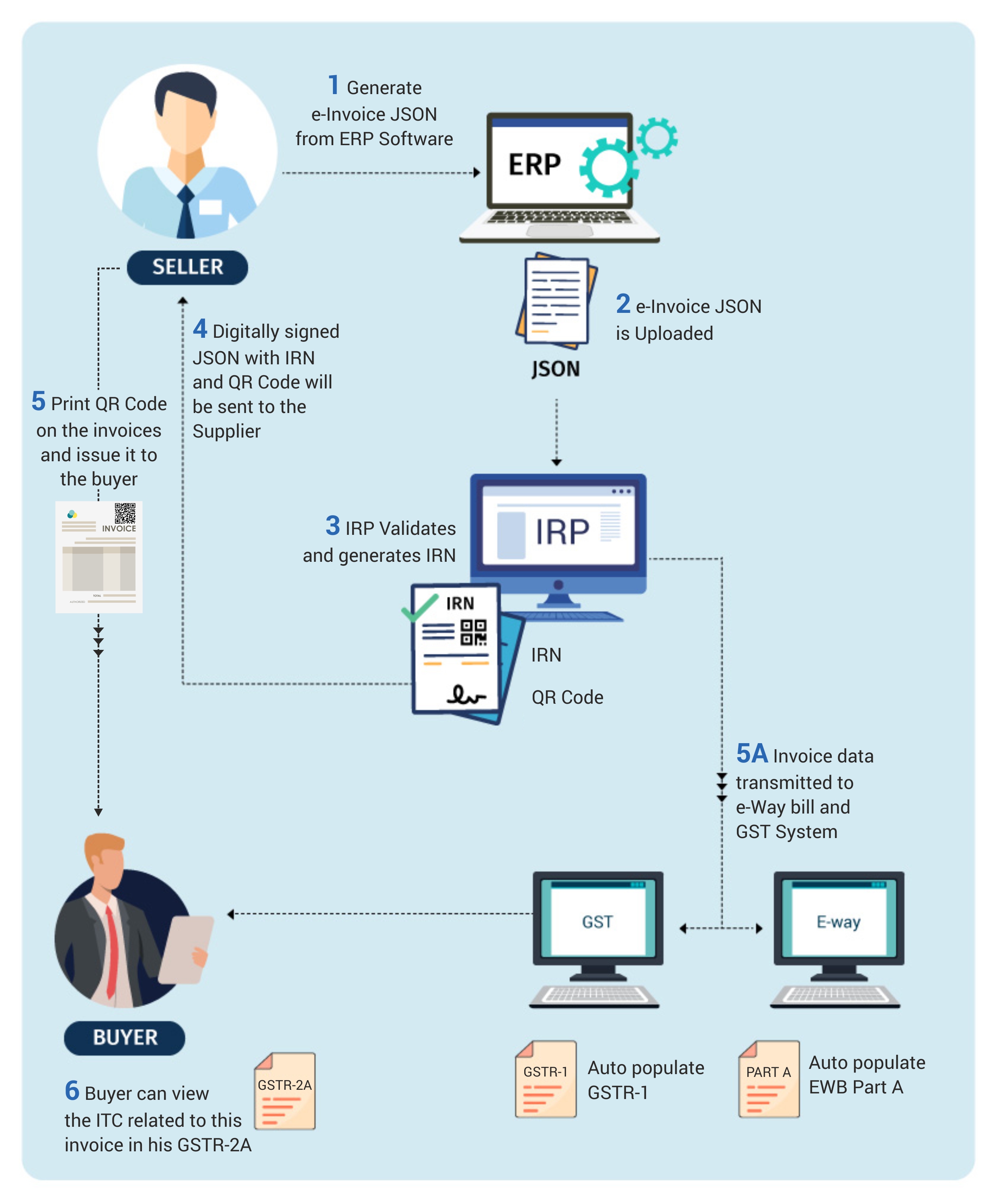
E-invoicing—specifically structured electronic invoicing—fundamentally re-engineers this workflow. Rather than treating an invoice as a static image or a text document, structured e-invoicing formats data using standardized schemas like XML or UBL (Universal Business Language). When a supplier generates an e-invoice, the system exports structured data packets that the buyer's system ingests automatically without human intervention.
This automation shifts billing from a back-office administrative burden into a streamlined digital process. Financial teams no longer spend hours chasing lost paperwork, correcting typographical errors, or matching purchase orders line by line. Instead, exceptions are flagged automatically by software rules, allowing staff to focus on higher-value financial analysis and cash flow management.
Core Components of an Enterprise E-Invoicing Architecture
Implementing an e-invoicing solution requires a robust technical architecture capable of secure data exchange, format transformation, and regulatory compliance. Understanding these core components helps organizations select the right deployment model for their operational scale.
Structured Data Formats and Standards
At the heart of any e-invoicing solution is the data standard. Unlike unstructured formats, structured formats define every element of an invoice—such as tax identifiers, item codes, quantities, and unit prices—within specific data tags. Globally recognized standards include Peppol (Pan-European Public Procurement Online) BIS, XML-based national formats like Factur-X in France or FatturaPA in Italy, and various regional schema requirements mandated by tax authorities.
Transmission Networks and Interoperability
E-invoices rarely travel directly from one point to another without protocols. Many jurisdictions and enterprise networks rely on four-corner or five-corner models. In a Peppol-based four-corner model, the supplier (Corner 1) transmits the invoice through their access point (Corner 2) to the buyer's access point (Corner 3), which delivers the structured data to the buyer (Corner 4). This architecture ensures secure, standardized delivery regardless of the underlying ERP software used by either trading partner.
Integration Layer with ERP and Accounting Systems
An e-invoicing solution must integrate seamlessly with existing financial infrastructure, including ERP platforms like SAP, Oracle, NetSuite, or Microsoft Dynamics. Application programming interfaces (APIs) and middleware connectors extract billing data directly from sales modules, transform it into the required buyer or regulatory format, and log confirmation receipts back into the ledger without manual exporting or importing.
Key Operational Benefits for Accounts Receivable and Payable
The adoption of e-invoicing yields measurable operational advantages across both sides of the transaction ledger. Organizations experience immediate improvements in speed, accuracy, and working capital visibility.
- Drastic Reduction in Processing Costs: Automated validation and ingestion eliminate the labor-intensive costs associated with printing, mailing, sorting, and manual data keying.
- Accelerated Cash Conversion Cycles: Because e-invoices are delivered instantly and validated upon receipt, disputes are identified earlier, and payment terms trigger immediately without postal delays.
- Enhanced Data Accuracy: Machine-to-machine data transfer eliminates transposition errors, mismatched purchase orders, and duplicate invoice payments.
- Real-Time Cash Flow Forecasting: Centralized digital billing repositories provide treasury teams with immediate visibility into outstanding receivables and impending liabilities.
| Feature / Metric | Traditional Paper / PDF Invoicing | Modern E-Invoicing Solution |
|---|---|---|
| Data Entry Method | Manual keying or optical character recognition (OCR) | Automated machine-to-machine structured data ingestion |
| Average Processing Time | 10 to 25 days per invoice | Real-time or under 24 hours |
| Error Rate | High (frequent typos, missing PO numbers) | Near zero (validated against predefined schemas) |
| Regulatory Compliance | Manual archiving, prone to audit discrepancies | Automated continuous transaction controls (CTC) |
| Cost per Invoice | High labor and material overhead | Fraction of legacy costs through full automation |
Navigating Global Compliance and Continuous Transaction Controls (CTC)
Governments worldwide are increasingly adopting e-invoicing not merely as a business efficiency tool, but as a primary mechanism to combat tax evasion and close VAT (Value Added Tax) gaps. This shift has given rise to Continuous Transaction Controls (CTCs), which require businesses to report invoice data to tax authorities in real-time or near-real-time.
Under various CTC frameworks—such as those established in Latin America, parts of Europe, and increasingly across Asia-Pacific—an invoice is not legally valid unless it has been validated and cleared by a government portal or a certified clearance provider before or during delivery to the buyer. This clearance model transforms the billing process into a multi-party workflow where the tax authority acts as an active participant in commercial exchanges.
Organizations operating internationally must deploy e-invoicing solutions equipped with dynamic compliance engines. These engines automatically update formatting rules, tax calculation logic, and reporting protocols based on the geographic jurisdiction of the supplier and the buyer, preventing costly penalties and shipment delays resulting from non-compliant billing documents.
Overcoming Implementation Challenges and Migration Hurdles
While the long-term benefits of e-invoicing are compelling, migrating from legacy billing infrastructure presents distinct technical and organizational challenges that require careful planning.
Supplier and Buyer Onboarding
The network effect dictates the success of any e-invoicing initiative. If a enterprise implements a sophisticated e-invoicing platform but its suppliers continue sending paper or unstructured PDFs, the administrative savings will not materialize. Organizations must execute structured supplier enablement campaigns, offering multiple onboarding channels—such as vendor portals, email-to-structured-data conversion tools, and direct Peppol connections—to accommodate suppliers with varying technical capabilities.
Change Management and Internal Training
Finance and IT teams must adapt to new exception-handling workflows. When an e-invoice fails validation due to a missing purchase order number or an invalid tax code, staff need training on how to resolve the root cause within the software platform rather than reverting to manual workarounds or offline communications.
Data Security and Privacy Compliance
Because e-invoices contain sensitive commercial and financial data, platforms must adhere to stringent data protection regulations, such as the European Union's General Data Protection Regulation (GDPR) or domestic data residency laws. Encryption in transit and at rest, role-based access controls, and immutable audit trails are mandatory prerequisites for enterprise-grade e-invoicing deployments.
Frequently Asked Questions
What is the primary difference between a digital PDF invoice and an e-invoice?
A digital PDF is an unstructured or semi-structured image of an invoice that requires human reading or optical character recognition (OCR) to extract data. An e-invoice uses structured, machine-readable data standards (such as XML or UBL) that allow automated systems to ingest, validate, and process the billing information without manual data entry.
How do e-invoicing solutions reduce the risk of invoice fraud?
E-invoicing solutions utilize cryptographic signatures, secure transmission networks, and automated three-way matching against purchase orders and receiving logs. Because invoices are validated directly through trusted networks or government tax clearance portals, unauthorized alterations and fictitious billing attempts are intercepted before payment approval.
Are businesses legally required to adopt e-invoicing?
Legal requirements depend entirely on geographic jurisdiction and business sector. A growing number of countries mandate e-invoicing for Business-to-Government (B2G) transactions and are progressively expanding these mandates to Business-to-Business (B2B) transactions through continuous transaction control frameworks.
How does the Peppol network function in e-invoicing?
The Peppol network is an open, standardized framework that enables secure, interoperable exchange of electronic documents across international borders. It operates on a four-corner model where users connect via certified access points, eliminating the need for bilateral integration agreements between every trading partner.
What should an organization look for when selecting an e-invoicing provider?
Key evaluation criteria include global compliance coverage, ERP integration capabilities, supplier onboarding support, scalability, security certifications (such as ISO 27001), and the ability to handle both customer-facing (billing) and supplier-facing (procurement) workflows seamlessly.
Strategic Next Actions for Financial Leaders
To successfully transform billing operations, financial executives and IT leaders should begin by conducting a comprehensive audit of their current invoicing volume, error rates, and manual processing costs across all operating entities. Following this assessment, organizations should map out their regulatory compliance obligations across all target markets to determine whether a clearance, interoperable network, or hybrid e-invoicing model is required. Partnering with an experienced e-invoicing solution provider with native ERP integration capabilities ensures a scalable rollout that minimizes disruption while maximizing working capital efficiency.
Image Gallery