The Essential Equipment Needed for Flag Football: A Comprehensive Guide
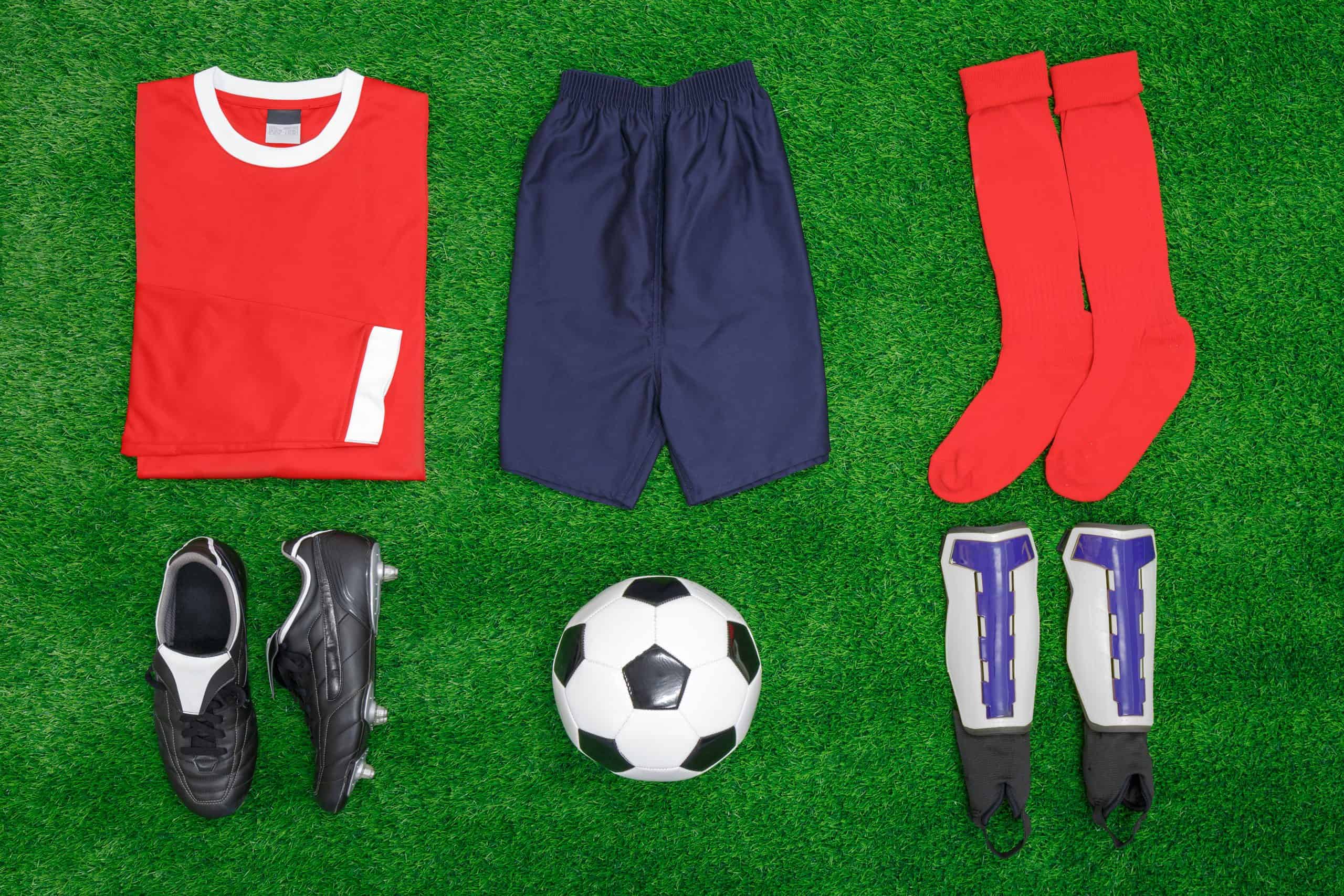
The essential equipment needed for flag football consists primarily of a regulation flag belt system, a properly inflated football, appropriate athletic footwear, and team-coordinated apparel. Players may also opt for protective gear s...
The essential equipment needed for flag football consists primarily of a regulation flag belt system, a properly inflated football, appropriate athletic footwear, and team-coordinated apparel. Players may also opt for protective gear such as mouthguards and soft-shell helmets depending on the specific league rules, age group, and intensity of competition.
Contents
Understanding the Basics of Flag Football Gear
Flag football is a sport that relies heavily on accessibility and speed, differentiating it from traditional tackle football. Because the primary objective is to pull a flag from the ball carrier’s belt rather than making physical contact, the equipment required is significantly lighter and less cumbersome than full-contact pads. However, as the sport has evolved into a highly competitive discipline by 2026, the quality and technical standards of this gear have become increasingly important for both safety and performance.
When preparing for a season, it is vital to distinguish between mandatory league-issued equipment and optional personal gear. Most organized leagues provide the flag belts to ensure uniformity, as different belt systems—such as triple-threat styles or velcro-release types—can significantly alter how easily a flag is removed.
Mandatory Equipment: The Core Requirements
Regardless of your age or skill level, certain items are non-negotiable for participation in any standard flag football game.
1. The Flag Belt System
The most critical component of the sport is the flag belt. These belts feature two or three flags attached to a belt worn around the waist. There are two primary mechanisms:
- Velcro-Attached Flags: These are the most common in recreational and youth leagues. The flags detach upon a sharp pull, signaling a "tackle."
- Mechanical Clip/Pop-Style Belts: Often used in higher-level competitive play, these utilize a plastic clip or a mechanical release to ensure consistency, eliminating the variability of old or worn-out velcro.
2. The Football
Flag football uses various sizes of footballs depending on the age and gender of the participants. Using the correct size is essential for skill development and injury prevention.
- Youth (Ages 6-9): Pee-Wee size.
- Junior (Ages 10-12): Junior size.
- Youth (Ages 13-14) / Women’s League: Youth or International size.
- Adult/High School: Official size (Regulation).
3. Footwear
Footwear is the most significant factor in on-field performance. Players require grip for rapid lateral changes of direction.
- Cleats: Molded plastic cleats are the standard. Metal spikes are strictly prohibited in virtually all flag football leagues due to the risk of injury.
- Turf Shoes: If the league plays primarily on artificial turf, specialized turf shoes with small, dense rubber nubs are often preferred over traditional cleats to provide optimal traction without causing excessive friction.
Comparison of Performance Gear
| Equipment Item | Primary Purpose | Material/Type Considerations |
|---|---|---|
| Flag Belt | Defensive tagging | Velcro vs. Clip-on mechanism |
| Molded Cleats | Field traction | Molded plastic; no metal spikes |
| Turf Shoes | Turf-specific grip | Rubber nubbed soles |
| Mouthguard | Dental protection | Boil-and-bite custom fit |
| Soft-Shell Helmet | Head impact protection | Padded, lightweight foam |
Protective and Optional Gear
While flag football is a "non-contact" sport, incidental contact occurs, particularly during blocking or route running. By 2026, many competitive leagues have adopted optional safety equipment to mitigate the risk of minor impacts.
Mouthguards
A mouthguard is a highly recommended, and often mandatory, piece of equipment. It prevents dental injuries resulting from accidental elbow contact or falls. A "boil-and-bite" mouthguard, which allows you to mold the plastic to the specific shape of your teeth, is the most effective and comfortable option for consistent use.
Padded Headgear
Soft-shell helmets, which resemble padded caps, have become increasingly common in high-intensity youth and adult leagues. Unlike tackle football helmets, these are not designed to protect against major concussions through high-velocity collision, but rather to cushion the head against accidental clashes or ground impact.
Gloves
Many players choose to wear receiver gloves, which feature a tacky, high-grip surface on the palms and fingers. These gloves are essentially the same as those used in professional tackle football. They provide an advantage when catching the ball in adverse weather conditions or when the ball is slightly slick. Ensure your gloves meet your league’s standards, as some organizations restrict the level of tackiness allowed.
Guidelines for Purchasing and Maintenance
Investing in quality gear ensures that you spend more time playing and less time troubleshooting equipment failure during a game.
- Check League Rules First: Before purchasing a flag belt, cleats, or gloves, review the specific bylaws provided by your league commissioner. Many leagues supply the belts specifically to ensure that all players are utilizing the same release tension.
- Sizing Matters: When purchasing footballs, ensure they are properly inflated. An over-inflated ball can be difficult to grip, while an under-inflated one will not travel accurately in the air. Use a pressure gauge to stay within the recommended PSI range printed on the ball.
- Footwear Inspection: Regularly check your cleats for wear. If the plastic studs are worn down to the base of the sole, you will lose traction on grass, which increases the likelihood of slipping during sharp cuts.
- Cleaning and Hygiene: Mouthguards should be washed after every game with cold water. Gloves can often be machine-washed, but check the manufacturer's care label, as excessive heat can degrade the tacky material on the palms.
Common Mistakes to Avoid
- Wearing Inappropriate Footwear: Never attempt to wear running shoes or basketball sneakers on a natural grass field. They lack the necessary traction and can result in ankle sprains when attempting to pivot.
- Ignoring Belt Placement: Players often place their flags in the incorrect position—either too far back or too far to the front. The flags should ideally be positioned on the hips to ensure the defense has a fair opportunity to reach them.
- Neglecting Sun Protection: Flag football is often played in open fields with little shade. Beyond standard gear, remember that accessories like visors or sunglasses (specifically those with athletic straps to prevent them from falling off) are valuable additions for players in sunny climates.
Frequently Asked Questions
Are metal cleats ever allowed in flag football? No. Metal cleats are universally prohibited in flag football to prevent lacerations during incidental contact. Always use molded plastic cleats or rubber-soled turf shoes.
Does everyone on the team need to wear the same gloves? No. Gloves are a personal preference. While some teams coordinate colors for aesthetics, the functionality is specific to the player’s position and comfort.
How often should I replace my flag belt? If you are using a velcro system, check the integrity of the velcro after every few games. If the flags begin to fall off during routine running or if the velcro no longer "sticks" securely, it is time for a replacement.
Can I wear a baseball cap while playing? Most leagues allow headwear, but it must be soft. Hats with hard plastic brims or buttons on the top are often prohibited for safety reasons, as they can cause injury during a collision. A flexible, moisture-wicking skull cap or headband is a better choice.
What is the best way to clean tacky receiver gloves? Most receiver gloves lose their grip due to dust and skin oils. Use a damp cloth to wipe the palms after every use, or use a mild soap and water solution to gently scrub the palms. Avoid drying them in direct sunlight, as this can cause the material to crack.
Next Steps for Players
If you are joining a new league this season, your first step should be to confirm the specific equipment requirements via your team’s registration package. Once the mandatory items—such as the belt system and proper footwear—are secured, prioritize the purchase of a high-quality mouthguard to ensure your safety. By maintaining your gear and choosing the right fit for your playing surface, you ensure that you are physically prepared to perform at your best, allowing you to focus entirely on your speed, agility, and team strategy.
Image Gallery