Why the Nasdaq Building in Times Square Matters
The Nasdaq building, located at 4 Times Square in New York City, serves as a critical global symbol of financial markets and technological integration. Beyond its architectural presence, the site functions as the world's most visible s...
The Nasdaq building, located at 4 Times Square in New York City, serves as a critical global symbol of financial markets and technological integration. Beyond its architectural presence, the site functions as the world's most visible stock market interface, broadcasting real-time economic data to millions and anchoring the symbolic intersection of high-stakes electronic trading and mainstream culture.
Contents
Architectural and Financial Significance of 4 Times Square
The building at 4 Times Square, often recognized by the massive, multi-story Nasdaq stock market sign that wraps around its exterior, is more than an office tower. Completed in 1999, the structure was a milestone in green design for its time, but its primary global identity is rooted in its role as the headquarters for the Nasdaq, Inc. (formerly the National Association of Securities Dealers Automated Quotations).
The "Nasdaq Tower" serves as the literal and figurative home for the first electronic stock exchange in the world. Its physical location in the heart of Times Square—the most visited intersection in the United States—is a deliberate strategic choice. By placing a high-frequency, digital-first exchange in the center of one of the world's most crowded physical spaces, the Nasdaq created a paradox that captures the essence of modern finance: a world of invisible, sub-millisecond digital transactions made manifest through a monumental, light-emitting screen.
The Role of the Nasdaq MarketSite
At the core of the building's importance is the "MarketSite." This facility is the command center for the Nasdaq exchange. It is equipped with advanced telecommunications infrastructure designed to manage the high volume of trade data that flows through the exchange daily.
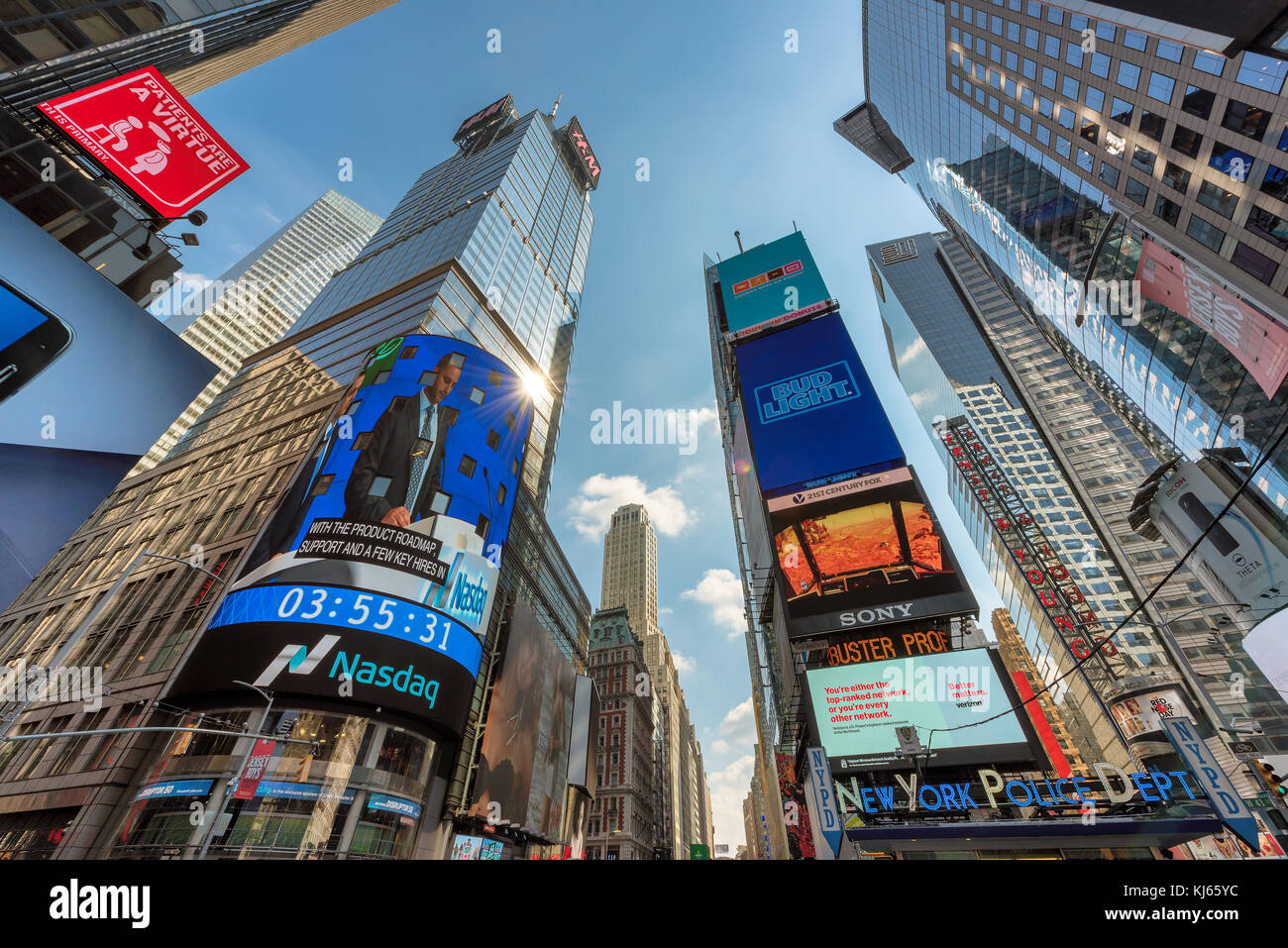
The MarketSite is not merely an operational necessity; it is a broadcast studio. By integrating television production facilities directly into the exchange floor, Nasdaq transformed itself into a media powerhouse. Financial news networks, such as CNBC and Bloomberg, rely on the MarketSite to broadcast live updates, market closes, and the iconic opening and closing bell ceremonies. This media integration ensures that the movement of capital is not just an obscure technical process, but a public, televised event that influences investor sentiment and market transparency.
Why the Location Matters: Symbolic and Practical Utility
The choice of Times Square provides several unique advantages that define the organization's influence:
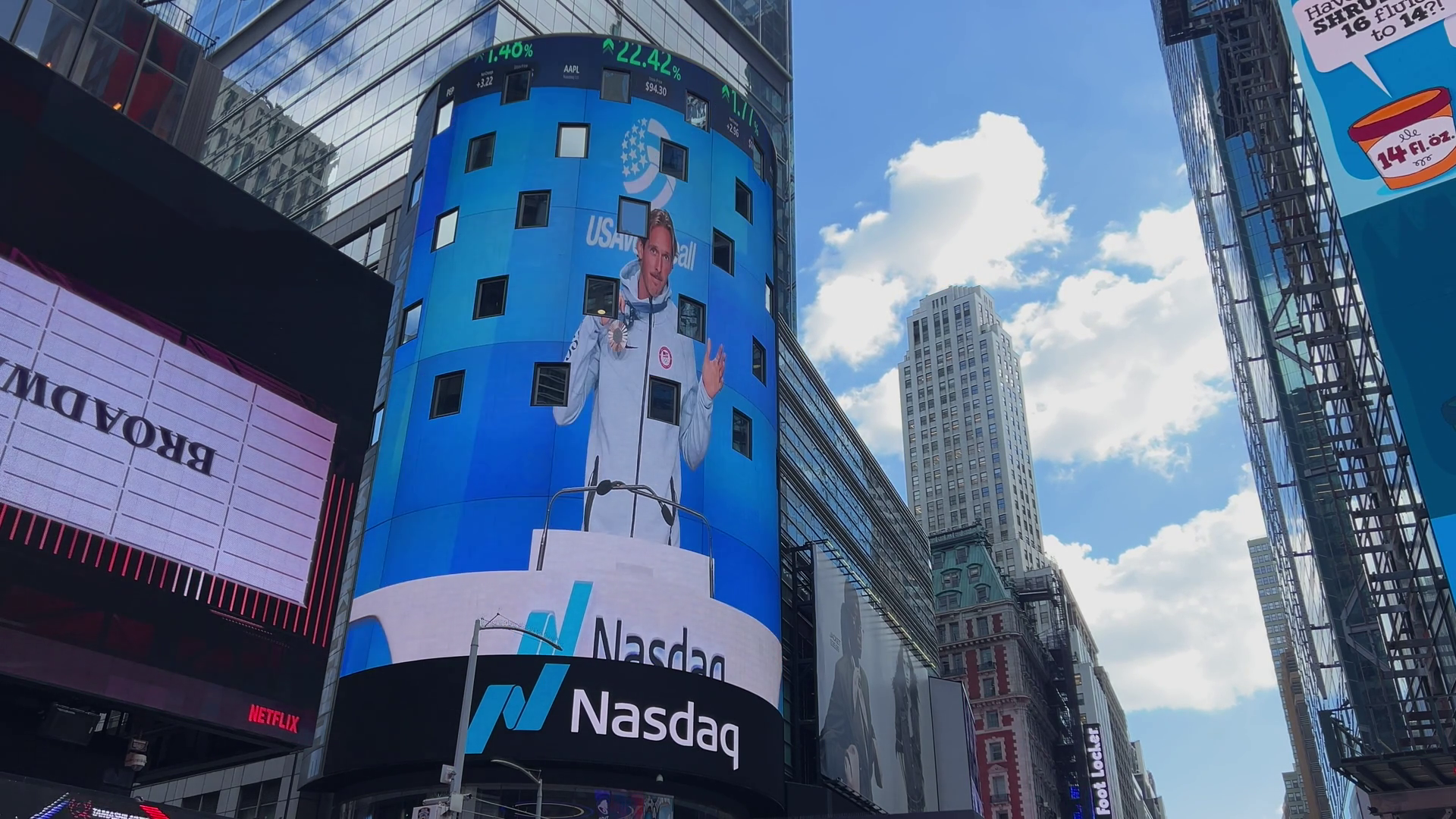
- Global Visibility: The Times Square location acts as a permanent billboard for public companies. When a corporation undergoes an Initial Public Offering (IPO), the ability to ring the bell and see their logo displayed on the massive digital screens in the world’s most famous plaza is a significant branding achievement.
- Economic Pulse Tracking: The digital screens serve as a real-time dashboard for the American economy. Passersby—whether tourists or institutional investors—can see the fluctuation of indices, providing a tangible connection between abstract numerical data and the physical world.
- Connectivity and Redundancy: From a technical perspective, the building maintains redundant connectivity to the exchange’s primary data centers. The infrastructure within the building is built to ensure that even during extreme physical disruption in the city, the exchange’s link to the global financial system remains uncompromised.
Comparative Overview of Financial Hubs
Understanding the Nasdaq building requires comparing its operational purpose to other major financial centers. While traditional exchanges often operated in high-security, closed-off locations (such as the New York Stock Exchange on Wall Street), the Nasdaq emphasized accessibility and technology.
| Feature | Nasdaq MarketSite (Times Square) | Traditional Floor-Based Exchanges |
|---|---|---|
| Trading Method | Fully Electronic / Automated | Hybrid / Manual Specialist-Based |
| Public Presence | Highly Visible / Broadcast-Centric | Restricted / Institutional-Focused |
| Location Philosophy | High-Traffic Urban Cultural Hub | Historical Financial Districts |
| Primary Output | Real-time Data Visualization | Physical Order Execution |
The shift from the "floor" of a stock exchange—where traders physically congregate to yell orders—to the electronic, decentralized nature of the Nasdaq changed how the world perceives value. The building in Times Square is the anchor for that shift, representing the transition from human-centered trading to algorithm-centered trading.
The Impact on Global Capital Markets
The Nasdaq building matters because it serves as the primary stage for the technology sector's interaction with the equity markets. Because the Nasdaq index is heavily weighted toward technology companies, the building serves as the "home base" for innovation. When companies like Apple, Microsoft, or NVIDIA reach new heights, those milestones are celebrated at the Times Square location.
This relationship creates a feedback loop. Companies want to list on the Nasdaq because of the prestige associated with the Times Square presence. In return, the high visibility of these companies on the Times Square screens maintains the exchange's relevance. It is a mutually beneficial branding exercise that differentiates the Nasdaq from other global exchanges that lack such a prominent, public-facing anchor.
Operational Prerequisites and Security
For stakeholders and visitors, understanding the building’s operations involves acknowledging its strict security requirements. Because the site is a critical point of national economic infrastructure, access to the internal MarketSite is highly regulated.
- Security Clearance: Access is limited to authorized personnel, news media partners, and representatives of listed companies during scheduled events.
- Data Integrity: The building houses critical systems that require constant monitoring for cyber-security threats. The "matter" of the building is as much about its digital security as it is about its steel and glass architecture.
- Public Access: While the exterior is a public space, the interior studio operations are private. Visitors frequently interact with the building by viewing the outdoor displays, which are arguably among the most valuable advertising real estate on the planet.
Common Misconceptions
There is a common belief that all trading happens inside the building. In reality, the Nasdaq is a distributed network of servers located in high-security data centers (often in New Jersey). The Times Square building is the communicator of the market, not the engine. Disentangling these roles is vital for understanding why it matters: it is the public face of an invisible, high-speed digital operation.
Another misconception is that the Nasdaq is exclusively for American companies. The exchange facilitates global capital access, and the building serves as a global staging ground for international firms looking to signal their arrival into the U.S. markets.
Next Steps for Investors and Observers
If you are a business owner exploring an IPO, or an investor tracking market trends, the Nasdaq building is a focal point of activity. For those looking to engage:
- Monitor the Bell Ceremonies: Regularly observe the opening and closing bell ceremonies, which often provide insights into new company listings and major corporate shifts.
- Analyze Index Weighting: Remember that the activity at this building is disproportionately influenced by tech-sector performance.
- Regulatory Compliance: If you are a member of the press or a listed company, work through the official Nasdaq Investor Relations portal to secure necessary permissions for site visits or event hosting.
The Nasdaq building in Times Square remains a vital organ of the global financial system, bridging the gap between cold, binary code and the warm, public reception of market success. Its importance lies in its ability to synthesize global economic complexity into a single, recognizable, and enduring image.
Image Gallery