Lincoln University in Philadelphia: A Comprehensive Guide to Programs, Admissions, and the Graduate Center
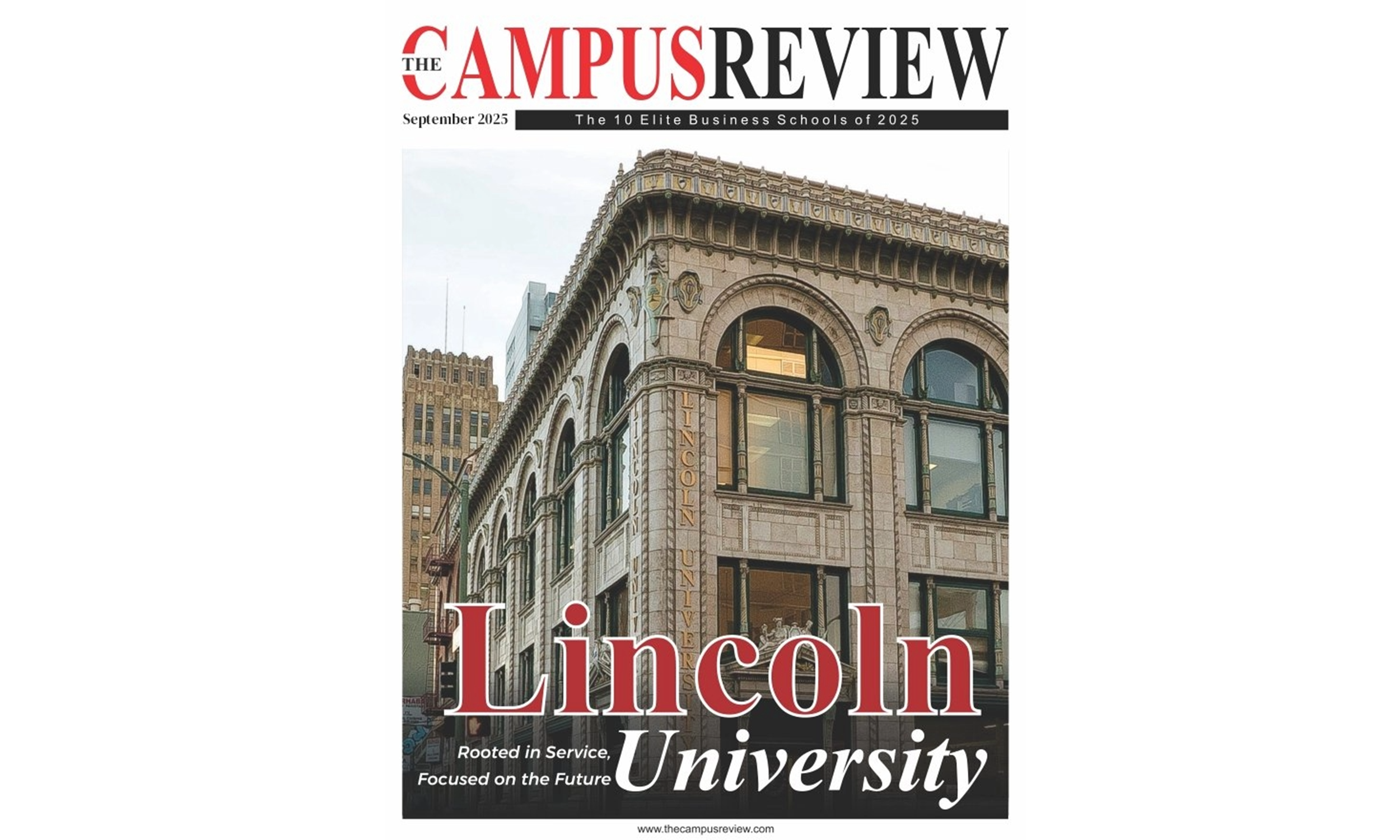
Lincoln University maintains a significant presence in Philadelphia through its Graduate Center, located at 1015 Chestnut Street. While the historic main campus is situated in Oxford, Chester County, the Philadelphia location serves as...
Lincoln University maintains a significant presence in Philadelphia through its Graduate Center, located at 1015 Chestnut Street. While the historic main campus is situated in Oxford, Chester County, the Philadelphia location serves as the primary hub for the School of Adult and Continuing Education, offering accelerated undergraduate and graduate degrees tailored for working professionals.
Contents
Lincoln University, founded in 1854 as the nation's first degree-granting Historically Black College and University (HBCU), has evolved into a dual-campus institution. For many students and professionals, "Lincoln University in Philadelphia" refers specifically to the University City-adjacent Graduate Center. As we move through the 2025-2026 academic year, the university continues to expand its urban footprint, providing accessible higher education to the Greater Philadelphia region.
Understanding Lincoln University’s Presence in Philadelphia
To navigate Lincoln University effectively, one must distinguish between the rural main campus and the urban Philadelphia site. The main campus in Oxford, Pennsylvania, focuses on a traditional residential undergraduate experience. In contrast, the Philadelphia Graduate Center is a specialized facility designed for commuters, adult learners, and graduate students.
The Philadelphia location is strategically positioned in Center City, making it accessible via SEPTA’s regional rail, subways, and bus lines. This site houses the School of Adult and Continuing Education (SACE). SACE is specifically structured to meet the needs of those balancing full-time employment with academic advancement. In 2026, this location remains a cornerstone for the university’s mission of social mobility, offering evening and weekend courses that accommodate non-traditional schedules.
Academic Programs at the Philadelphia Graduate Center
The Philadelphia campus is not a mirror of the main campus; rather, it is a specialized center for high-demand professional fields. The curriculum here is designed to bridge the gap between academic theory and clinical or corporate practice.
Graduate Degree Offerings
As of 2026, the Graduate Center focuses on four primary disciplines that are critical to the urban workforce:
- Master of Business Administration (MBA): This program emphasizes leadership, strategic management, and global business trends. It is popular among Philadelphia professionals seeking to move into executive roles.
- Master of Education (M.Ed.): Lincoln offers concentrations in Early Childhood Education and Educational Leadership. These programs are aligned with Pennsylvania Department of Education standards for teacher certification and administrative roles.
- Master of Human Services (MHS): Designed for those in the non-profit and social service sectors, this program focuses on clinical skills and administration.
- Master of Science in Counseling (MS): This program prepares students for licensure as professional counselors, focusing on community and school-based mental health.
Accelerated Undergraduate Programs
For adults who have some college credit but have not completed a degree, the Philadelphia location offers accelerated "degree completion" programs. These typically include:
- Bachelor of Human Services: Often chosen by those working in community outreach.
- Bachelor of Management: A flexible degree for those looking to advance in corporate or government environments.
Admissions Requirements and Procedures for 2026
Applying to Lincoln University’s Philadelphia location requires a focused approach, as the requirements for adult and graduate learners differ from traditional undergraduate admissions.
Graduate Admission Standards
Prospective graduate students must generally possess a baccalaureate degree from a regionally accredited institution with a minimum cumulative GPA of 2.7 on a 4.0 scale. However, specific programs like the M.Ed. or MBA may require a 3.0 for competitive entry.
Required Documentation:
- Official Transcripts: From all post-secondary institutions attended.
- Letters of Recommendation: Typically two or three professional or academic references.
- Personal Statement: An essay detailing career goals and the intent to study at an HBCU.
- Resume/CV: Documentation of professional experience, especially for the MBA and MHS programs.
The Application Timeline
For the 2026 academic cycles, Lincoln University utilizes rolling admissions for many of its Philadelphia-based programs. However, to ensure financial aid processing and seat availability, the following deadlines are recommended:
- Fall Semester: Applications should be finalized by July 1.
- Spring Semester: Applications should be finalized by November 15.
- Summer Session: Applications should be finalized by April 1.
Tuition, Fees, and Financial Planning (2025-2026)
Lincoln University is a state-related institution in Pennsylvania, which means it offers different tuition rates for in-state residents versus out-of-state students. The Graduate Center in Philadelphia follows a per-credit-hour pricing model that is generally more affordable than private urban universities.
| Program Type | In-State Rate (Per Credit) | Out-of-State Rate (Per Credit) | Estimated Annual Fees |
|---|---|---|---|
| Graduate (MBA/M.Ed) | $580 - $620 | $910 - $950 | $450 |
| Human Services (MHS) | $565 | $890 | $400 |
| Undergraduate (Adult) | $450 | $780 | $350 |
Note: Rates are based on 2025-2026 projections and are subject to Board of Trustees approval.
Financial Aid and Scholarships
Graduate students are eligible for the Federal Direct Unsubsidized Loan and the Grad PLUS Loan. Additionally, Lincoln University offers specific grants for educators and human service professionals working within the Philadelphia School District or city agencies. Students are encouraged to complete the FAFSA early in the year to qualify for institutional aid.
The Legacy of the First Degree-Granting HBCU
Choosing Lincoln University in Philadelphia is not just a pragmatic career move; it is an immersion into a storied legacy. Founded by John Miller Dickey and his wife, Sarah Emlen Cresson, the institution was originally named Ashmun Institute. It was renamed Lincoln University in 1866 following the assassination of President Abraham Lincoln.
The university’s alumni include giants of history such as Thurgood Marshall, the first African American Supreme Court Justice, and Langston Hughes, the celebrated poet of the Harlem Renaissance. For students at the Philadelphia Graduate Center, this history provides a framework for "Liberation through Education." The curriculum often integrates social justice themes, encouraging students to use their professional skills to uplift marginalized communities in Philadelphia and beyond.
Student Support and Facilities at the Graduate Center
The Philadelphia Graduate Center is designed for efficiency and support. Unlike the sprawling 422-acre main campus, the Center City site is a "vertical campus."
- Computer Labs and High-Speed Access: Vital for students who may be commuting directly from work.
- Writing and Tutoring Center: Specialized support for graduate-level research and thesis development.
- The SACE Office: A dedicated administrative wing that handles registration, financial aid counseling, and academic advising specifically for adult learners.
- Library Access: While the physical library is in Oxford, Philadelphia students have full digital access to the Langston Hughes Memorial Library’s extensive databases, journals, and e-books.
Strategic Outlook: Lincoln University in 2026
Under the "Lincoln University 2023-2028: Learn. Lead. Liberate" strategic plan, the university has invested heavily in its urban presence. By 2026, the Philadelphia Graduate Center has integrated more hybrid learning models, allowing students to combine in-person networking with the flexibility of synchronous online sessions. This evolution has made Lincoln a top choice for professionals in the Delaware Valley looking for a balance between the prestige of a historic institution and the convenience of modern urban education.
The university has also strengthened partnerships with Philadelphia-based corporations and non-profits, creating a direct pipeline for internships and job placements for MBA and MHS students. These "Philadelphia Pipelines" ensure that the degree earned at 1015 Chestnut Street translates directly into local economic and social impact.
Frequently Asked Questions
Is the Philadelphia Graduate Center the same as the main campus?
No. The Philadelphia Graduate Center is a satellite location primarily for graduate and adult undergraduate students. The main campus is located in Oxford, PA, and hosts the traditional, residential undergraduate population.
Can I complete a full degree at the Philadelphia location?
Yes, several graduate programs (MBA, M.Ed., MHS) and specific adult undergraduate degree-completion programs can be completed entirely at the Philadelphia location or through a hybrid format.
Is Lincoln University a public or private school?
Lincoln University is a state-related institution. This means it is a private, non-profit university that receives an annual appropriation from the Commonwealth of Pennsylvania, allowing it to offer discounted tuition to Pennsylvania residents.
Does the Philadelphia campus offer student housing?
No, the Philadelphia Graduate Center does not provide on-campus housing. It is designed as a commuter facility for working professionals. Students seeking a residential experience should look into the Oxford, PA campus.
Are the degrees from the Philadelphia location accredited?
Yes. Lincoln University is accredited by the Middle States Commission on Higher Education (MSCHE). Specific programs, such as Education, hold additional discipline-specific certifications from the Pennsylvania Department of Education.
Next Steps for Prospective Students
If you are considering Lincoln University in Philadelphia for your graduate or professional studies, the following steps are recommended:
- Attend an Information Session: SACE regularly hosts virtual and in-person open houses at the 1015 Chestnut Street location.
- Request a Transcript Evaluation: For those entering degree-completion programs, an official evaluation will determine how many prior credits will transfer.
- Consult with an Admissions Counselor: Discuss your career goals to ensure the specific concentration (e.g., Educational Leadership vs. Counseling) aligns with your professional licensure needs.
- Visit the Center City Location: Walk the neighborhood to understand your commute and familiarize yourself with the facility's proximity to Philadelphia's transit hubs.
Image Gallery