Why the Royal Family Balcony at Buckingham Palace Matters
The Buckingham Palace balcony serves as the definitive stage for British national unity and the symbolic heart of the constitutional monarchy. It transforms the private residence into a public forum, allowing the sovereign to communica...
The Buckingham Palace balcony serves as the definitive stage for British national unity and the symbolic heart of the constitutional monarchy. It transforms the private residence into a public forum, allowing the sovereign to communicate stability, celebrate historic milestones, and reinforce the visible link between the Crown and the people during moments of collective significance.
Contents
The Architectural Evolution of a National Stage
While Buckingham Palace has been the official London residence of the British monarch since 1837, the iconic balcony was not part of the original design. The palace was initially a large townhouse built for the Duke of Buckingham in 1703. It was transformed by architects John Nash and Edward Blore into the U-shaped structure we recognize today, but the famous East Front—the side facing The Mall—was only added during the reign of Queen Victoria.
In 1847, Queen Victoria wrote to the Prime Minister, Lord John Russell, expressing the need for more space for her growing family and official entertaining. The East Front was constructed between 1847 and 1850, closing the courtyard and creating the facade that now houses the balcony. Queen Victoria made the first recorded royal balcony appearance in 1851 during the opening of the Great Exhibition. This act fundamentally changed the relationship between the monarch and the public, moving the sovereign from a distant, cloistered figure to one who stood, literally and figuratively, before the citizens.
In 2026, as the monarchy continues to navigate its role in a digital age, the physical presence of the King on that specific balcony remains the ultimate "verified" status. It is the one location where no digital filter or social media post can replicate the historical weight of centuries of tradition. The architectural permanence of the balcony provides a sense of continuity that is central to the concept of the British Crown.
The Protocol of Presence: Who Stands on the Balcony?
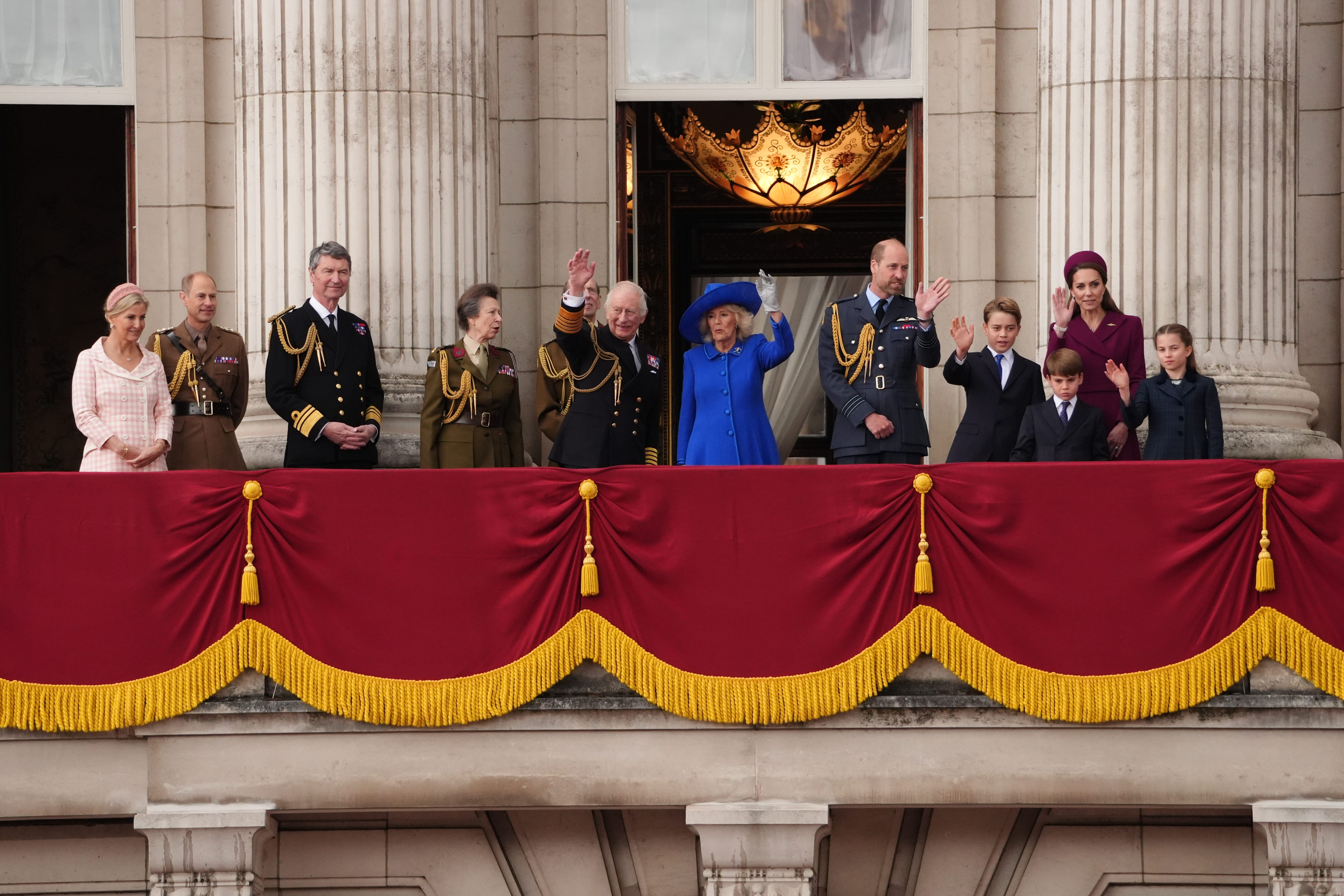
The question of who appears on the balcony is one of the most scrutinized aspects of royal protocol. It is not a casual gathering of relatives; rather, it is a highly curated representation of the "Firm." Under the reign of King Charles III, reaching into 2026, the criteria for balcony appearances have become increasingly strict, reflecting a "slimmed-down" monarchy designed to appear more efficient and less burdensome to the taxpayer.
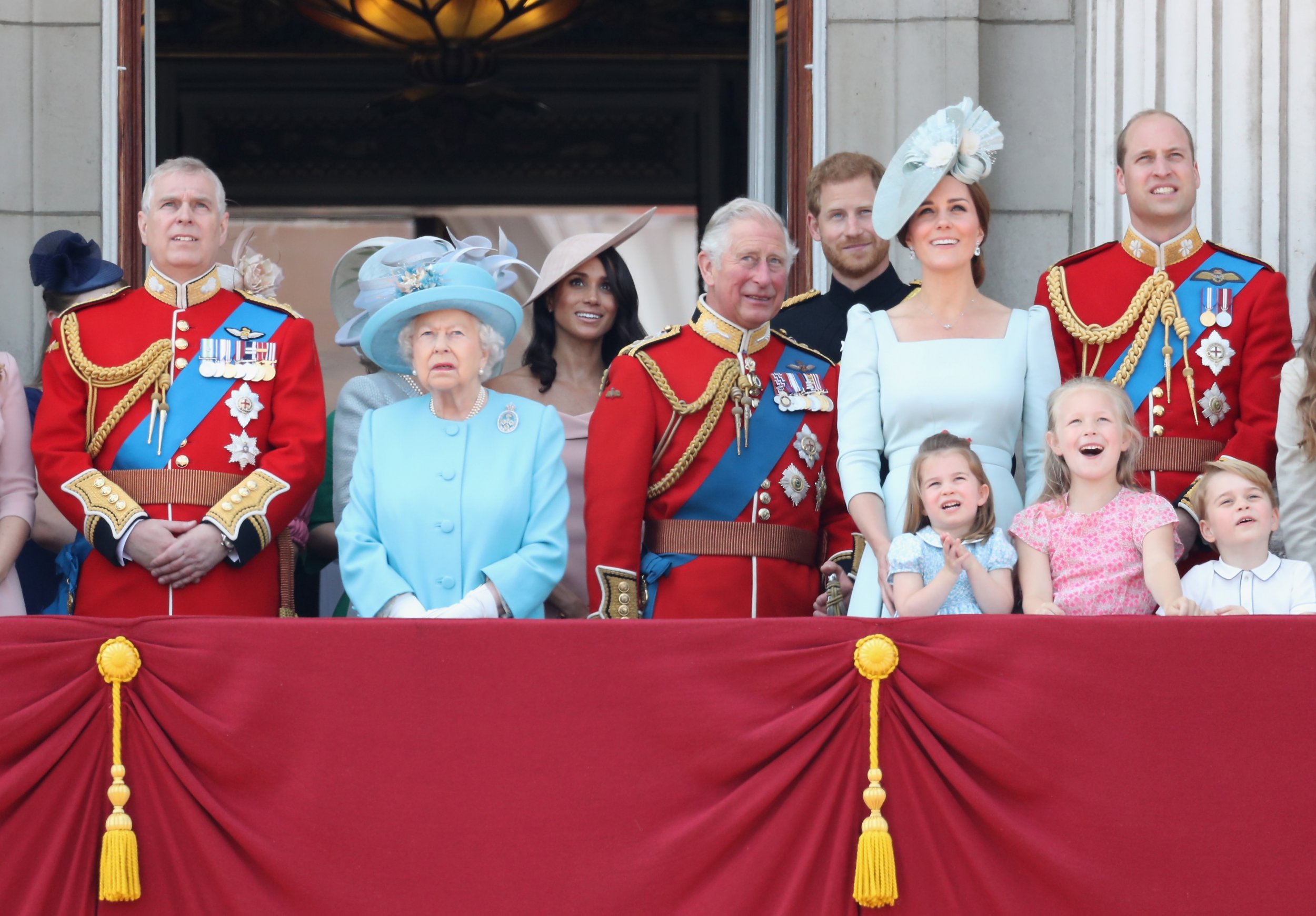
In previous decades, the balcony was often crowded with extended family members, including distant cousins and non-working royals. However, current protocol dictates that appearances are generally reserved for working members of the Royal Family—those who carry out official duties on behalf of the King. This distinction matters because it clarifies the line of succession and the core team responsible for the institution’s survival.
The Exclusion of Non-Working Royals
The decision to limit balcony appearances to working royals is a strategic move to avoid controversy and maintain focus on the direct line of succession. This policy became particularly prominent during the Platinum Jubilee of Queen Elizabeth II and has been maintained by King Charles III. By excluding members who have stepped back from royal duties or those who do not hold official roles, the monarchy reinforces the idea that the balcony is a place of service, not just celebrity.
Symbolic Milestones and the Power of the Image
The balcony is the site of the "defining image" for almost every major royal event. These moments are meticulously choreographed to project specific messages to the global audience.
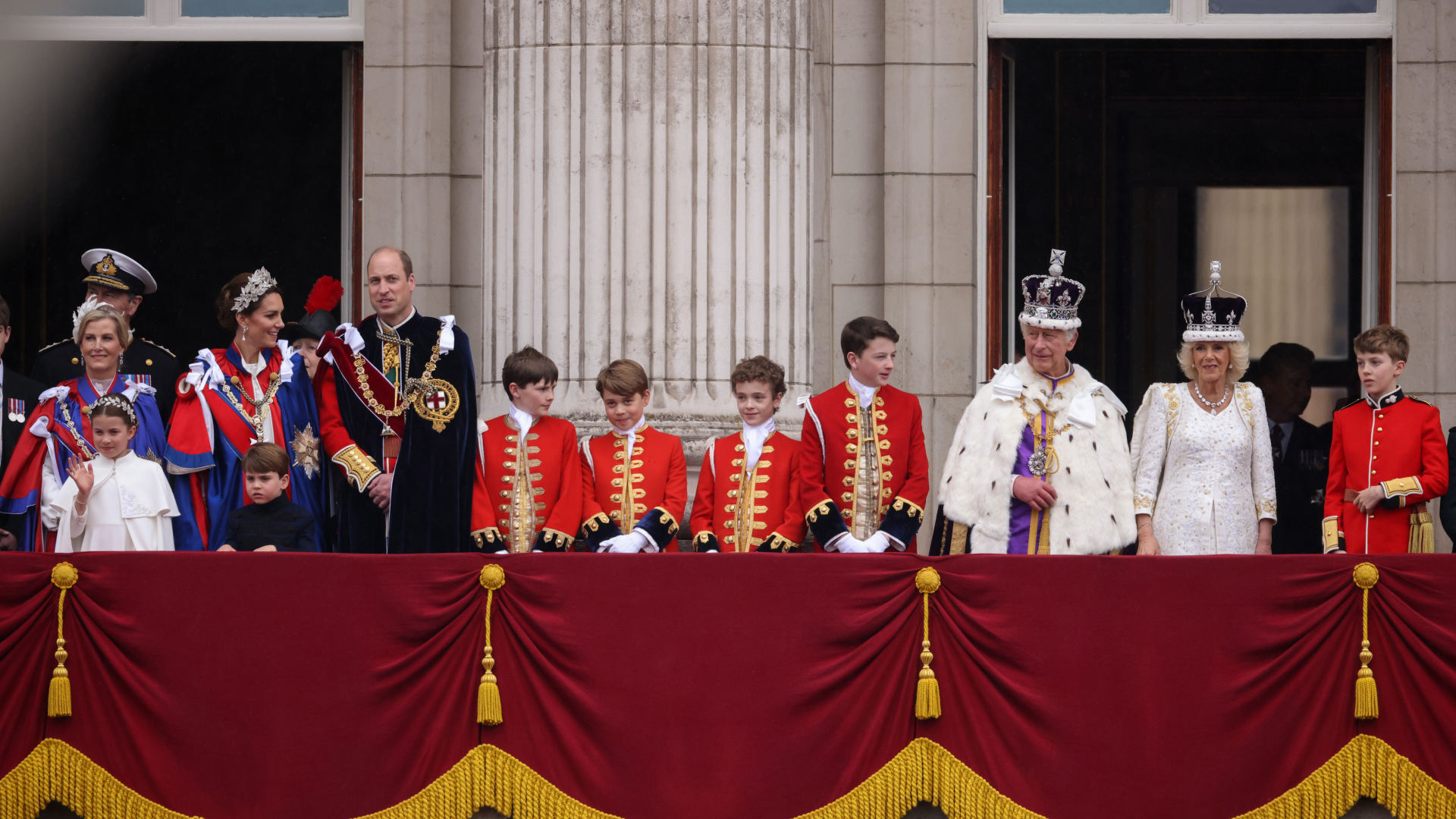
- The Coronation Flypast: Following a coronation, the appearance of the newly crowned monarch alongside their heir provides a visual confirmation of the line of succession. In 2026, these images continue to serve as the primary visual record of the state's stability.
- Royal Weddings: The "balcony kiss" has become a mandatory tradition for royal weddings, starting with Prince Charles and Princess Diana in 1981. This moment humanizes the monarchy, offering a glimpse of personal joy within the rigid framework of state ceremony.
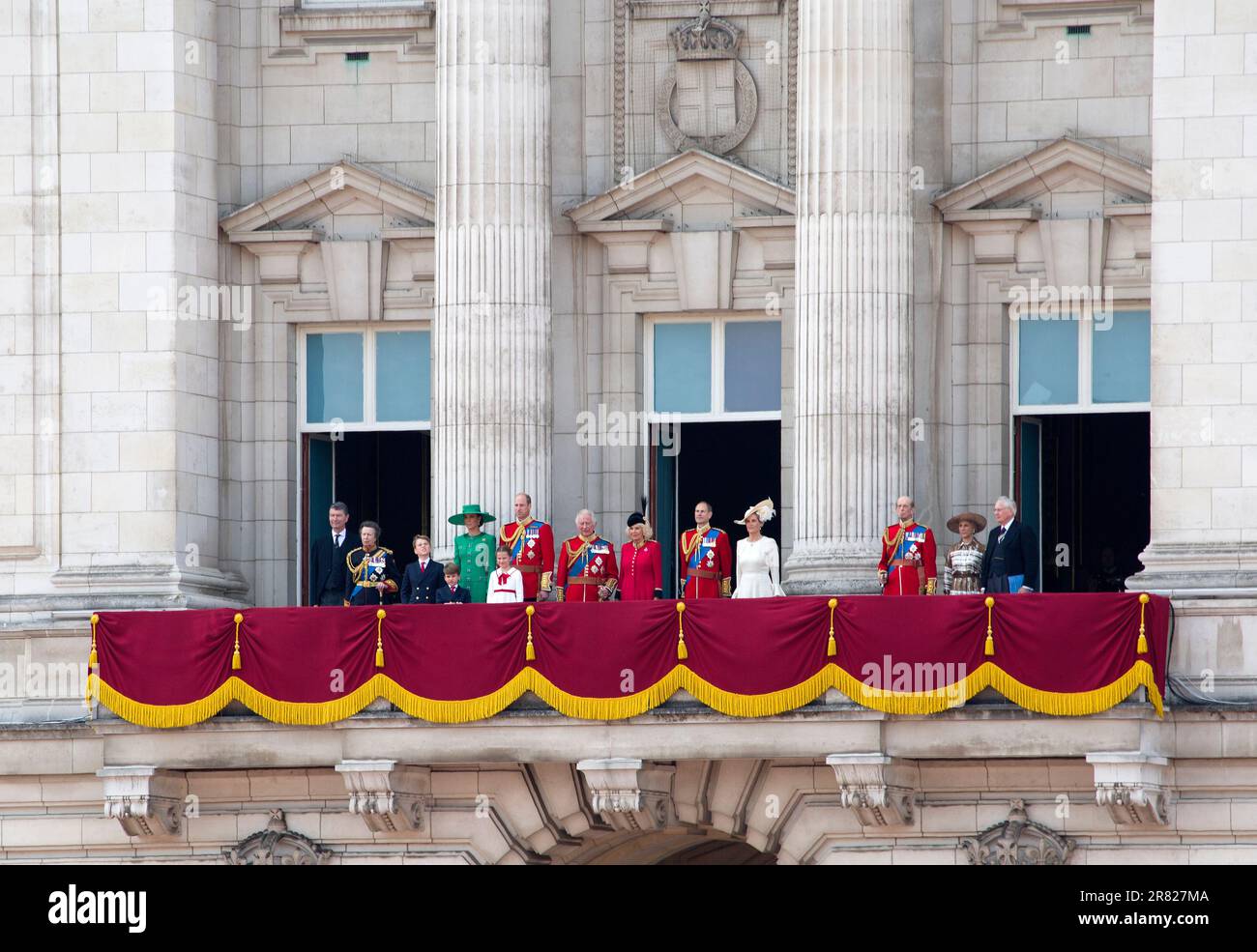
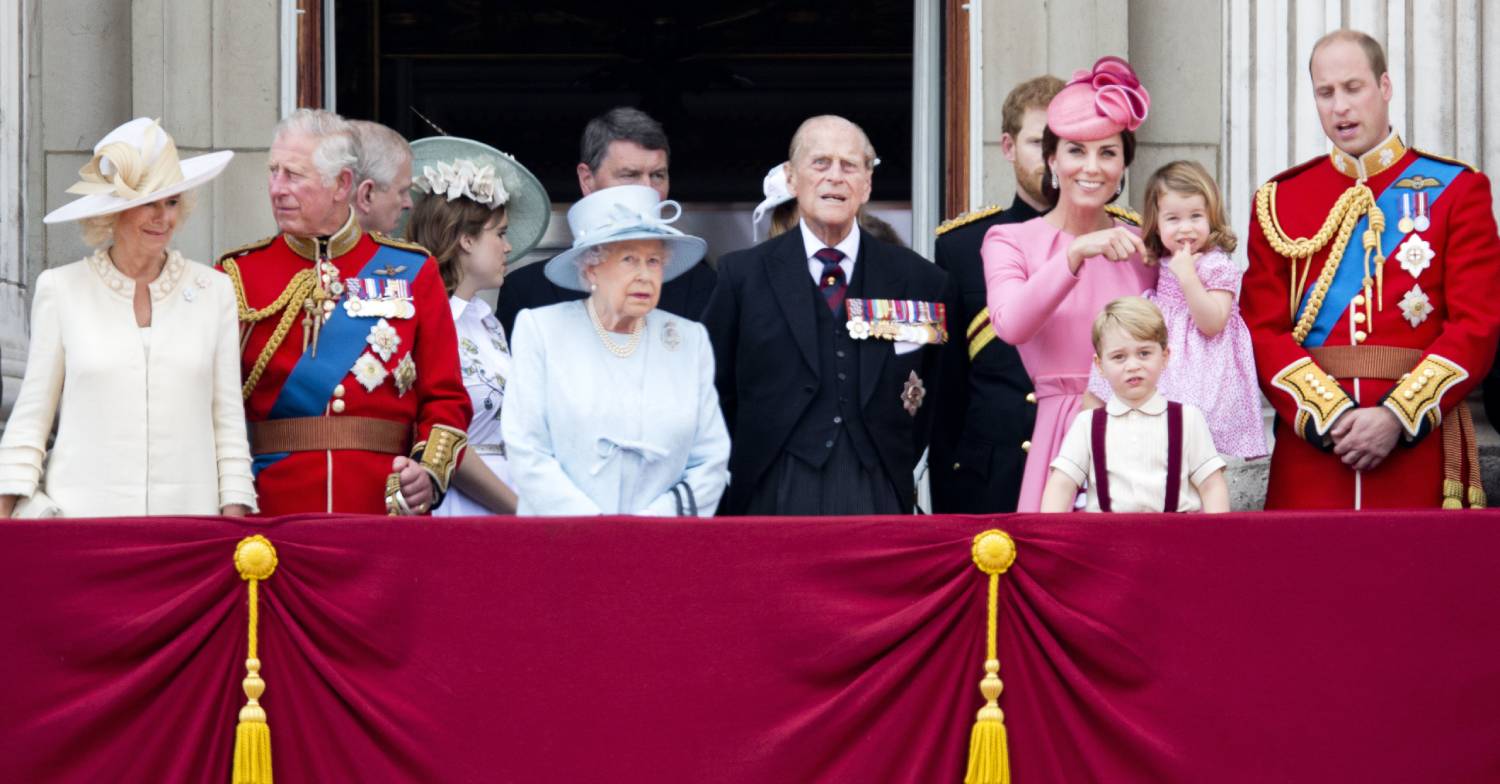
- Trooping the Colour: This annual event, marking the official birthday of the sovereign, uses the balcony to showcase the link between the monarchy and the Armed Forces. The sight of the Royal Air Force flypast overhead, watched by the family below, symbolizes the protection of the realm.
The balcony acts as a bridge between the private world of the palace and the public world of the street. When the Royal Family steps out, the barrier of the palace walls is momentarily lowered, creating a shared experience with the thousands of people gathered on The Mall and the millions watching via broadcast.
Historical Significance: From World Wars to Jubilees
The importance of the balcony is best understood through the lens of history. It has been the backdrop for the most significant turning points in British life over the last 175 years.
- VE Day (May 8, 1945): Perhaps the most famous appearance occurred at the end of World War II in Europe. King George VI, Queen Elizabeth (the Queen Mother), and the Princesses Elizabeth and Margaret appeared multiple times. Most significantly, they were joined by Prime Minister Winston Churchill. This appearance symbolized the triumph of the nation and the shared sacrifice of the people and the Crown.
- The 1953 Coronation: Queen Elizabeth II's appearance in her full regalia, including the Imperial State Crown, was a moment of post-war hope and the beginning of a new era.
- Centennial Milestones: Every major Jubilee (Silver, Golden, Diamond, and Platinum) has culminated in a balcony appearance. These events serve as a barometer for public sentiment toward the monarchy, with the size of the crowd on The Mall acting as a tangible measure of the institution's popularity.
| Event Category | Frequency | Significance | Primary Audience |
|---|---|---|---|
| Trooping the Colour | Annual | Celebrates the Sovereign's official birthday and links Crown to Military. | British Public & Commonwealth |
| Coronations | Per Reign | Validates the new monarch and the immediate line of succession. | Global Community |
| Royal Weddings | Occasional | Humanizes the institution and introduces new members to the public. | Global Media |
| National Emergencies/Victories | Rare | Acts as a focal point for national mourning or celebration (e.g., VE Day). | Domestic Citizens |
| Jubilees | Decadal | Marks longevity and provides a moment of national reflection on continuity. | British Public & Historians |
The Logistics of Viewing: Access and Public Engagement
For the public, the balcony is the only part of the palace that offers a regular, live interaction with the Royal Family without a ticket or a formal invitation. In 2026, the area in front of Buckingham Palace, known as the Queen Victoria Memorial, remains the primary gathering point for those wishing to witness these moments.
Access to The Mall is typically managed by the Metropolitan Police and the Royal Parks. During major events, the road is closed to traffic, allowing the "great and the good" as well as the general public to flood the space. The experience of standing on The Mall, often for hours, waiting for the "balcony moment" is a ritual in itself. It fosters a sense of community among strangers, united by the anticipation of a fleeting glimpse of the sovereign.
From a technical perspective, the balcony is relatively small, which necessitates the strict limit on attendees. It is draped in crimson velvet and gold fringe for official occasions, and the height is specifically calculated to ensure visibility for those standing at the back of the crowd while maintaining a safe distance from the gates.
Why the Balcony Remains Relevant in 2026
In an era of deepfakes and rapid misinformation, the Buckingham Palace balcony remains one of the few places where "seeing is believing." It serves as an undeniable physical proof of the King's health, presence, and status. It is also a vital tool for the Commonwealth. When leaders from around the world visit, a balcony appearance—though rare for guests—signals the highest level of diplomatic honor.
The balcony also helps the monarchy manage its "brand." By controlling who is seen and when, the Palace can subtly signal shifts in power and priority. A smaller group on the balcony in 2026 suggests a leaner, more focused monarchy, while the inclusion of younger royals like Prince George emphasizes the future and longevity of the House of Windsor.
FAQs
Why don't the royals appear on the balcony every day?
The balcony is reserved for "moments of state significance" to maintain its prestige. If the Royal Family appeared daily, the symbolic power of the location would be diluted. By limiting appearances to specific annual events and major life milestones, the Palace ensures that every appearance is treated as a historic event by the global media.
Can tourists visit the balcony?
No, the balcony itself is not part of the public tour of the State Rooms at Buckingham Palace. While visitors can tour parts of the palace during the summer months, the East Front—including the balcony—remains a private working area of the royal residence. Tourists can, however, view the balcony from the public areas of The Mall and the Victoria Memorial.
Who decides the order in which royals stand on the balcony?
The placement of individuals on the balcony is determined by the Master of the Household in consultation with the Sovereign. Generally, the King and Queen Consort are at the center, with the next in line to the throne (the Prince and Princess of Wales) and their children positioned closest to them. This visual hierarchy reinforces the line of succession.
What is the significance of the flypast that usually accompanies balcony appearances?
The flypast, typically performed by the Royal Air Force (RAF), serves as a salute to the Sovereign. It often includes historical aircraft from the Battle of Britain Memorial Flight alongside modern fighter jets and the Red Arrows. It symbolizes the monarch's role as the Commander-in-Chief of the Armed Forces and adds a grand, multi-sensory conclusion to the public ceremony.
Practical Recommendation for 2026 Visitors
If you are planning to witness a balcony appearance in 2026, such as during Trooping the Colour in June, it is essential to arrive at The Mall at least five to six hours before the scheduled appearance. Security cordons are often established early, and once the area reaches capacity, the police will stop further entry. For the best view of the balcony, aim for the elevated areas around the Queen Victoria Memorial, but be aware that these spots are the first to be claimed by seasoned royal watchers and international media crews.
Image Gallery